



Antique Spice Chest Box
These antique spice chest box pieces are compact timber storage containers crafted to hold precious culinary seasonings.
Antique Spice Chest Box
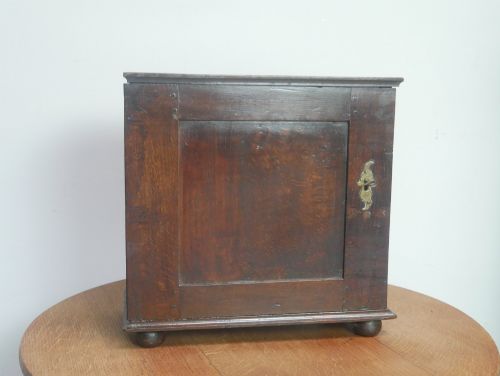
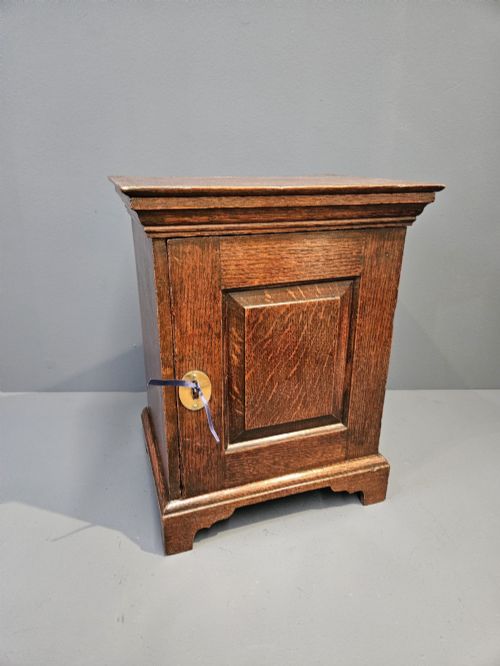
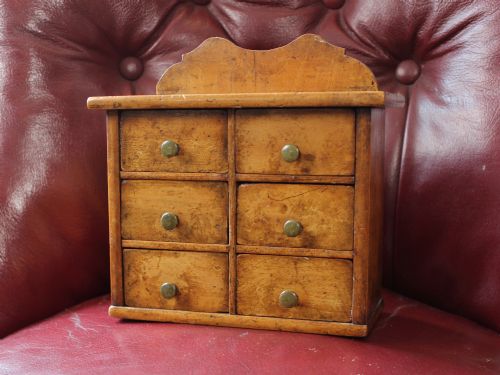
An antique spice chest box takes the form of small table cabinets, wall cabinets, spice cupboards, and small storage cabinets designed for culinary use. These pieces provide compact storage through internal drawers or compartments intended for valuable seasonings.
The versions most commonly met on this page span the 18th century, Georgian, 19th century, Regency, Victorian, and Edwardian periods. Examples originate from English, Welsh, and Indian traditions, reflecting both vernacular country workshops and formal cabinet-making.
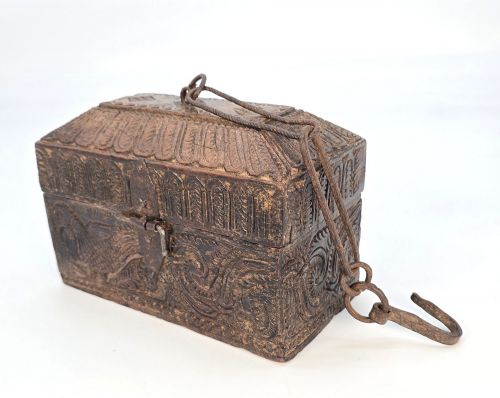
Forms vary from wall-hanging boxes to small table cabinets and miniature chests with internal drawers. Buyers encounter pieces configured for hanging or desktop placement, frequently fitted with locks and small pull handles.
Materials and construction
Makers utilised native and imported timbers including oak, pine, fruitwood, mahogany, teak, and burr walnut, matched to the region and period of production. Secondary woods like pine appear alongside primary cabinet timbers.
Construction methods combine dovetail joints for drawers with traditional panelled doors and iron or brass hardware. Iron hinges, brass escutcheons, and wrought iron fittings secure the small doors and drawers.
Surface treatments range from plain polished hardwood and inlaid veneers to painted toleware and carved decorative motifs. Indian examples feature carved teak surfaces, while Georgian pieces often display mahogany veneers with inlay.
Antique Spice Chest Box Retail Price Guide 2026
Typical asking prices for spice chest box among the pieces listed under this phrase on Sellingantiques today, from the lower quarter to the upper quarter. They describe what is for sale here now, not the wider market.
Some miniature Welsh chests hide tiny drawers behind panelled doors, built for storing secrets as much as spices.
Factors determining quality
The choice of primary timber and the crispness of construction set the standard for each piece. Fine dovetail joinery in drawer construction and well-figured mahogany or oak denote superior workshops.
Original hardware such as brass escutcheons, locks, and hinges elevate a piece above examples with replaced fittings. The survival of internal drawers and fitted compartments preserves the original utility and integrity.
The Antique Spice Chest Box Glossary
- Spice cupboard
- A small wall-hanging or table-standing cabinet fitted with multiple internal drawers for storing culinary seasonings. These containers kept precious goods secure.
- Toleware
- Painted or lacquered metalware used for decorative domestic containers. This surface treatment appears on specific Georgian spice boxes.
- Escutcheon
- A protective plate surrounding a keyhole, usually fashioned from brass. These fittings often match the period of the cabinet.
- Dovetail
- An interlocking joint used in drawer construction to ensure durable corners. Fine joinery indicates skilled cabinet-making.
- Table cabinet
- A small freestanding case designed to sit on a desk or surface for secure storage. These pieces feature doors opening to reveal internal compartments.
Antique Spice Chest Box: Frequently Asked Questions
How were spice boxes used?
These containers held precious culinary seasonings, herbs, and exotic ingredients in domestic kitchens or parlours. Their compact size kept expensive goods secure and close at hand.
Many examples were fitted with small locks to protect valuable contents from household servants or guests. The internal drawers separated different types of flavourings.
Where were spice chests placed?
Owners mounted wall-hanging versions on kitchen or pantry walls to save workspace. Desktop or table cabinets rested on surfaces in reception rooms.
Wall-hung variants frequently featured shaped cornices and hanging brackets. Table models functioned as miniature storage furniture.
What woods were used?
Cabinet-makers utilised local British timbers such as oak, fruitwood, and pine alongside imported hardwoods. Mahogany and teak appear in specific regional and overseas pieces.
Walnut and burr walnut provided decorative figured surfaces for refined Georgian and Victorian examples. Secondary woods like pine frequently form internal drawer linings.
How do I date a spice cabinet?
Dating relies upon timber selection, construction methods, and stylistic details characteristic of periods like the 18th century or Georgian era. Dovetail sizing and hardware styles offer reliable chronological clues.
Inlay patterns and wood finishes further distinguish early 18th-century work from later Victorian or Edwardian utilitarian pieces.