



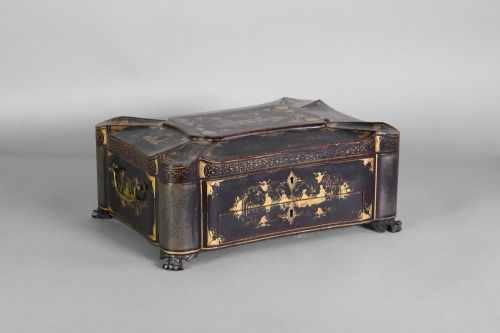

Antique Japanned Box
An antique japanned box brings hand-painted lacquer and gilded decoration into a room, offering both decorative presence and practical storage.
Antique Japanned Box
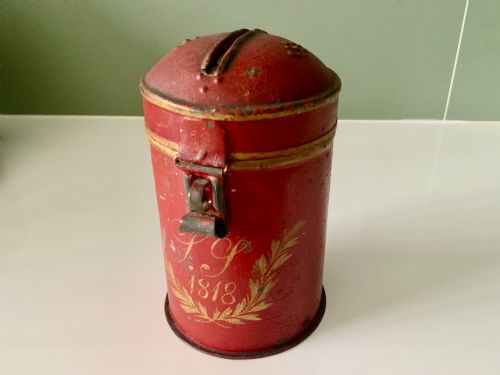
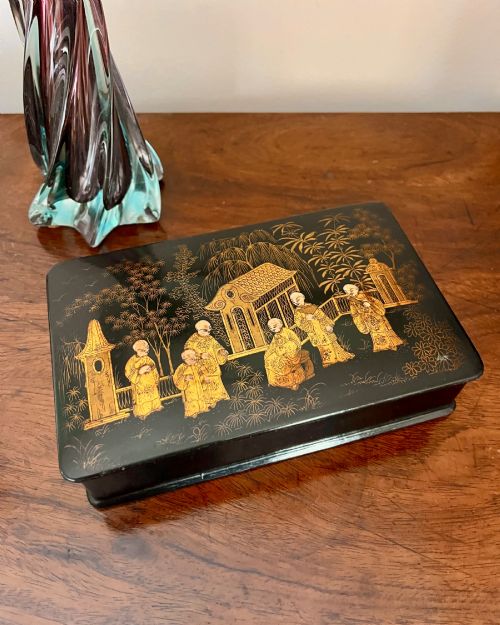
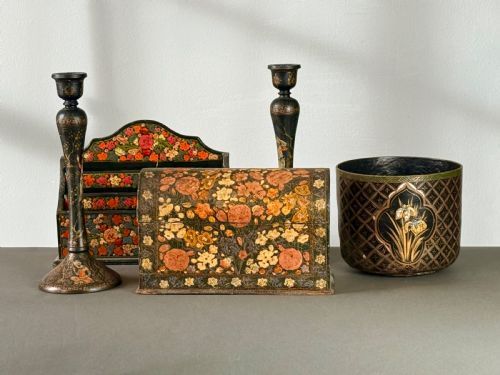
An antique japanned box encompasses a variety of lacquered, painted and decorated containers spanning the Georgian, Regency and Victorian periods. Buyers encounter pieces ranging from tea caddies and stationery boxes to document tins and document boxes.
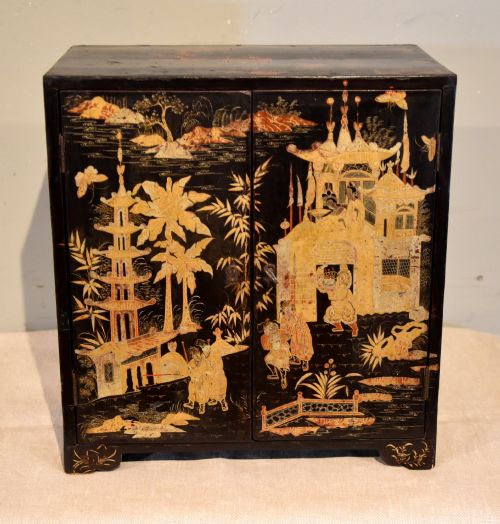
The selection includes Chinoiserie tea caddies, toleware spice boxes and table cabinets finished in black or yellow lacquer with gold leaf motifs. These pieces served practical domestic and legal roles before becoming decorative objects for modern interiors.
How they were made
Maker's utilised wood, papier mache and metal bases, applying layers of lacquer or paint to create durable surfaces. Gold leaf and hand-painted details frequently adorned the exterior, drawing on Chinoiserie and folk art traditions.
Metal toleware items required shaped tin and iron sheet construction finished with protective painted coats, while cabinet work employed traditional joinery combined with decorative surface finishes.
Antique Japanned Box Retail Price Guide 2026
Typical asking prices for japanned box among the pieces listed under this phrase on Sellingantiques today, from the lower quarter to the upper quarter. They describe what is for sale here now, not the wider market.
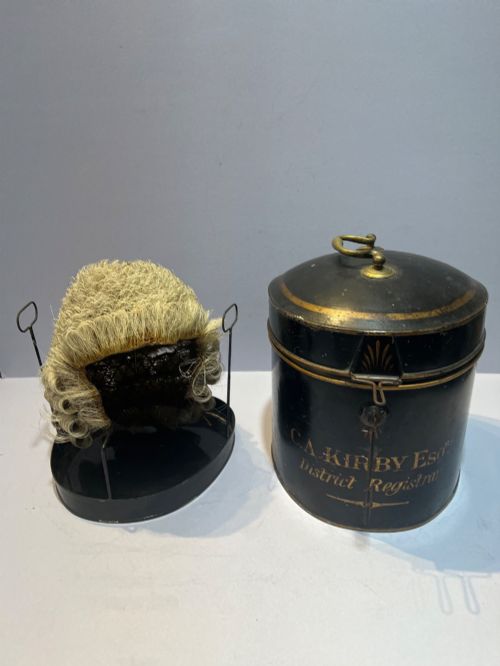
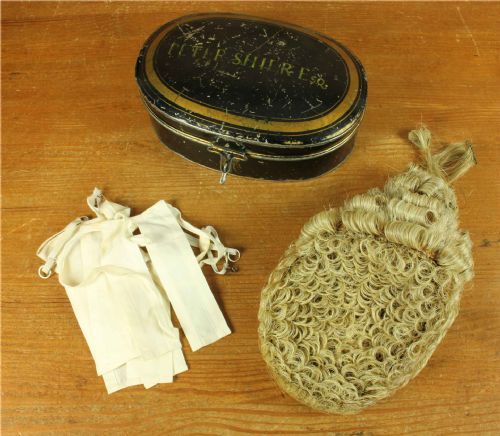
Legal clerks once stored their wigs and documents in decorated tins and leather cases that now share shelf space with tea caddies.
What varies in quality
The sophistication of the hand-painted decoration and the crispness of the gold leaf application distinguish finer examples from simpler vernacular pieces. Superior workmanship shows in the preservation of the painted surface and the integrity of the underlying wood, papier mache or metal.
The refinement of original hardware, such as brass locks and hinges, also marks the distinction between standard utility items and higher-status decorative boxes.
Eade and Son·Ravenscroft Law·Peter Shier·Hawkes and Co
The Antique Japanned Box Glossary
- Japanned
- European imitation of East Asian lacquerwork, created by applying layers of varnish and paint to furniture and small objects. This technique gained popularity during the Georgian period.
- Chinoiserie
- European artistic style reflecting Chinese motifs and decorative scenes. It frequently appears on lacquered boxes and tea caddies from the 18th and 19th centuries.
- Toleware
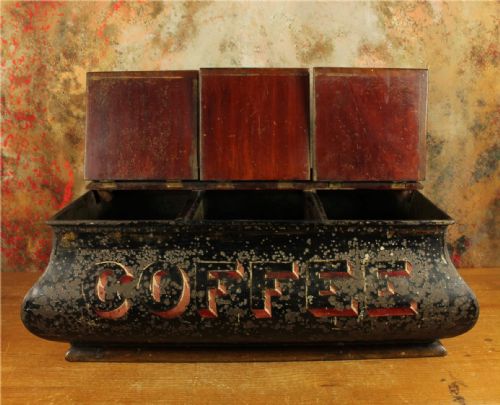
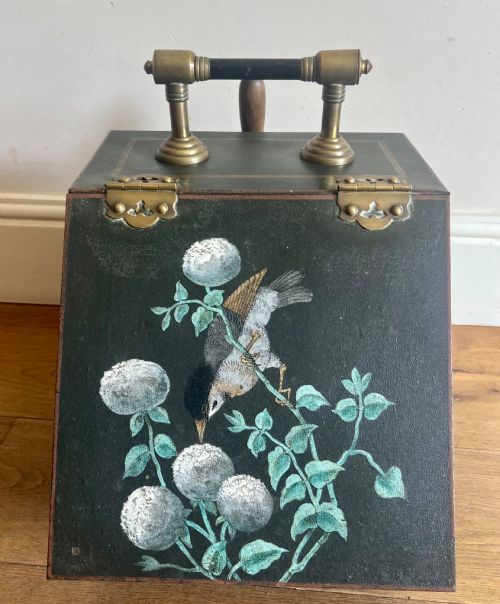
- Painted or japanned metalware, typically made from tinplate or sheet iron. Items range from spice boxes and coal scuttles to document tins.
- Tea Caddy
- Container designed to store tea leaves securely, often featuring internal compartments and fitted with a lock. Many surviving examples employ lacquered wood or penwork decoration.
- Kodansu
- Japanese small cabinet featuring multiple drawers and fine lacquer decoration. These tableside pieces occasionally appear alongside European japanned boxes.
Antique Japanned Box: Frequently Asked Questions
What is an antique japanned box used for today?
These boxes function as decorative accents on desks, sideboards and coffee tables, while continuing to provide storage for small letters, trinkets or stationery.
Their rich surface decoration allows them to sit comfortably in both traditional and contemporary rooms.
How do I care for japanned lacquer surfaces?
Dust the surface gently with a soft, dry cloth and keep the box away from direct sunlight and damp conditions.
Avoid using modern chemical polishes, which can damage the historic varnish and paint layers.
How can I tell a Georgian box from a Victorian one?
Georgian examples often display Chinoiserie motifs with hand-painted gold leaf on timber or early lacquer grounds, reflecting 18th-century tastes.
Victorian pieces frequently utilise papier mache or metal toleware bases with varied decorative styles ranging from legal stationery boxes to folk art.
What is toleware and how does it relate to japanning?
Toleware refers to painted or japanned metal objects, usually constructed from tinplate or iron.
Tin and metal boxes received similar layers of protective paint and varnish finishes as their wooden counterparts.