


Antique Specimen Display
When seeking an antique specimen display, you are looking at tactile capsules of natural history and craftsmanship designed to showcase curated wonders.
Antique Specimen Display
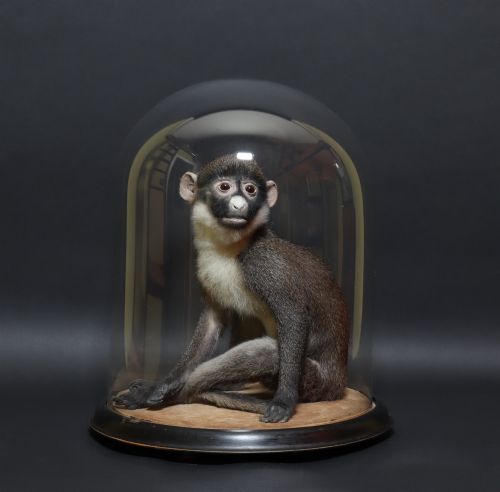
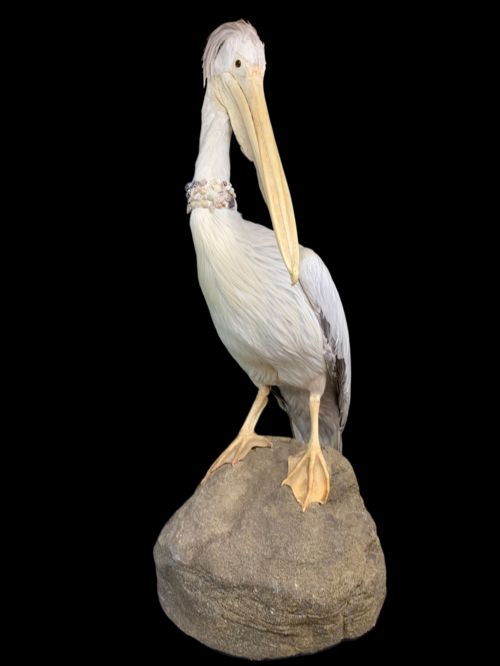
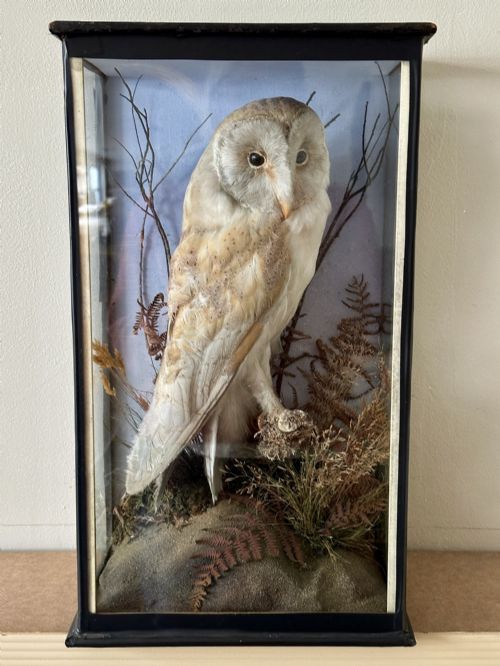
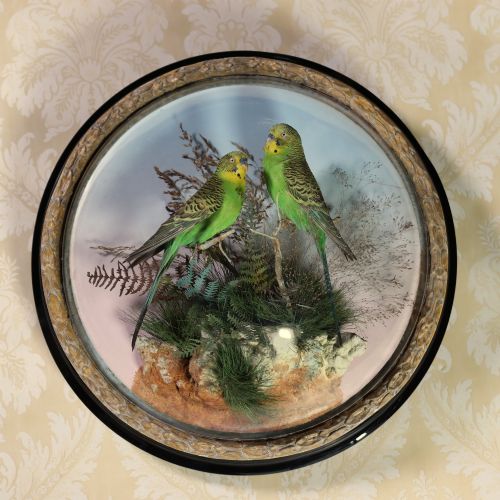
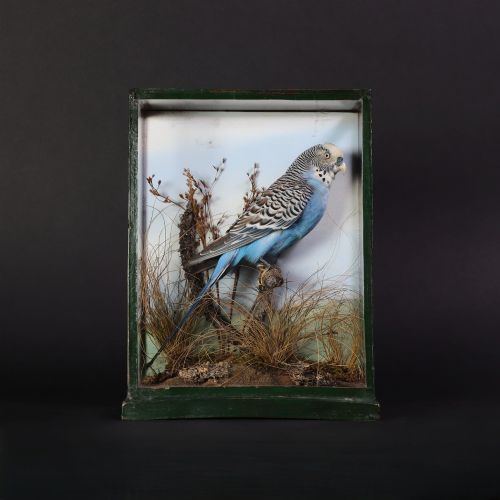
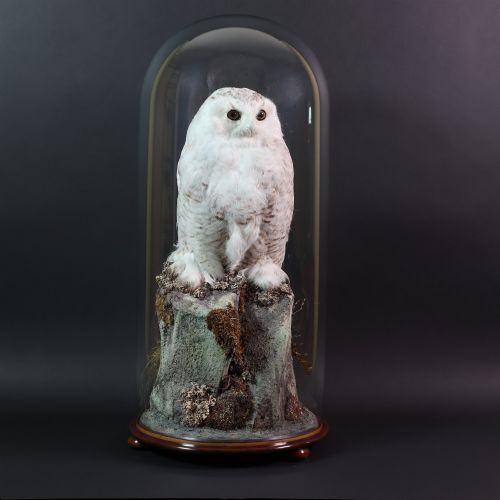
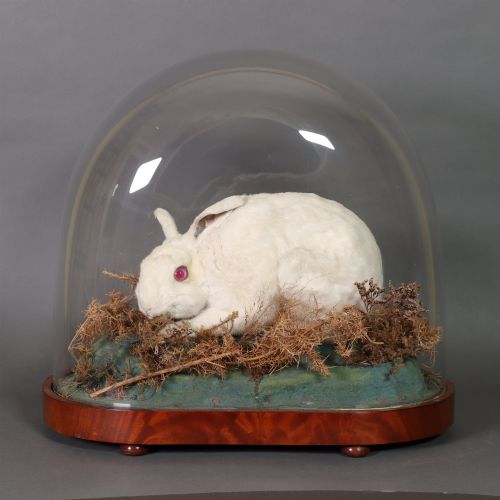
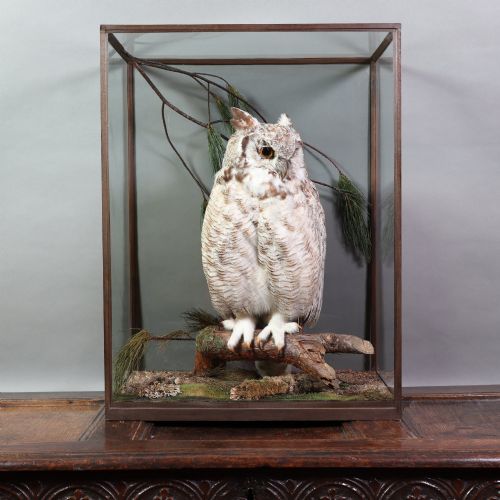
An antique specimen display encompasses a varied collection of cabinets, glass domes, and dioramas originating predominantly from the Victorian and Edwardian eras. These pieces were constructed to house and protect fragile natural curiosities, from taxidermy birds and mammals to butterflies, fossils, and mineral samples.
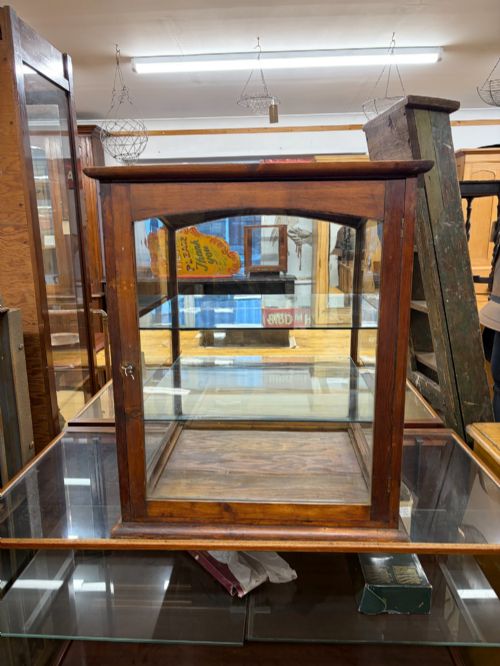
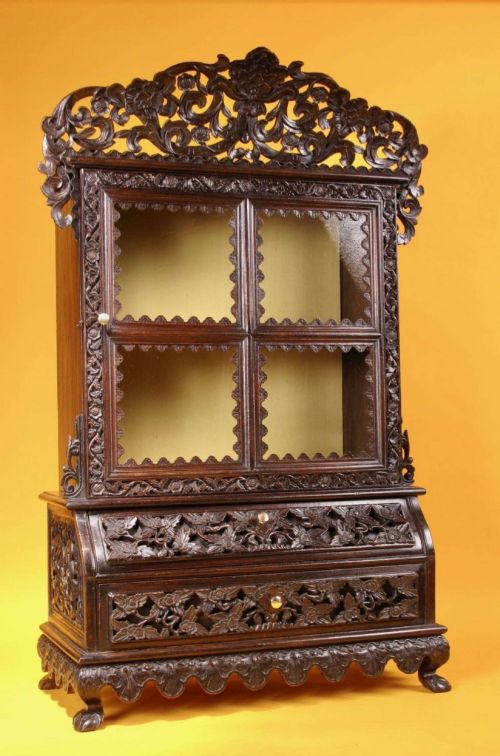
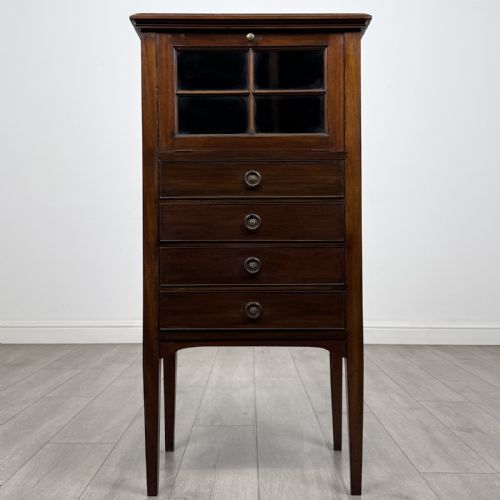
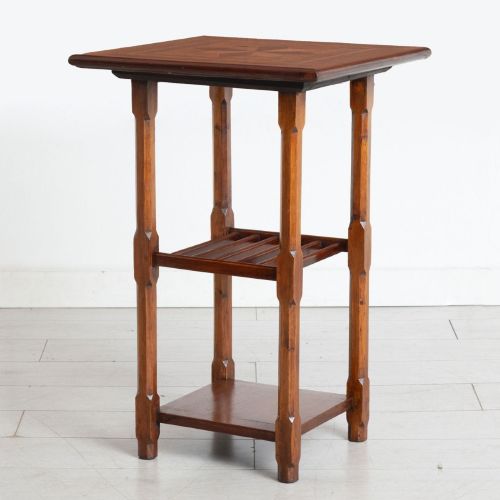
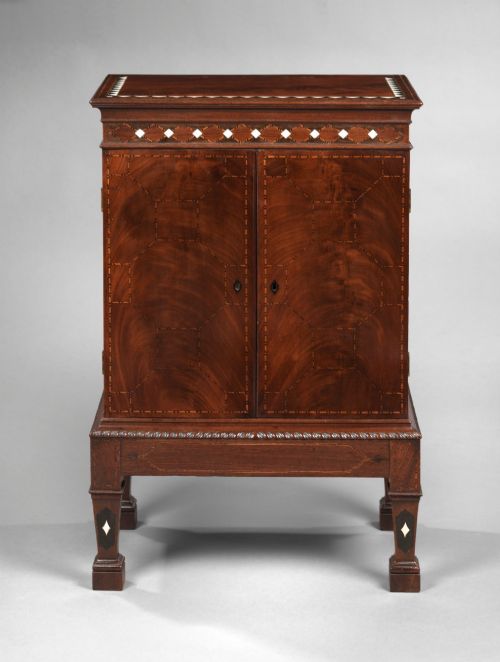
The most common versions met on this page include mahogany and walnut table cabinets with multiple drawers, alongside glazed cases designed to present preserved wildlife or botanical specimens in domestic settings. Alongside these sit small occasional tables featuring marquetry and specialised stone work.
The origins of these objects lie in the nineteenth-century passion for natural history, exploration, and domestic scientific collection. Makers utilised local timbers and imported woods to build enclosures that reflected both scientific rigour and nineteenth-century interior taste.
Materials and Construction
Makers constructed these displays using durable hardwoods such as mahogany, walnut, and satinwood, frequently pairing timber frames with thick blown glass panels or domed covers. The interiors often incorporated painted backgrounds, paper linings, and brass hardware to secure hinged doors and internal trays.
Taxidermy specimens and delicate entomological items inside these cases required specialised preservation techniques, involving wire frameworks, arsenic or similar historical preservatives, and meticulous arrangement within painted dioramas. Marquetry tables utilised precision cutting of diverse West Indian specimen woods to create geometric patterns on small surfaces.
Antique Specimen Display Retail Price Guide 2026
Typical asking prices for specimen display among the pieces listed under this phrase on Sellingantiques today, from the lower quarter to the upper quarter. They describe what is for sale here now, not the wider market.
Standards of Craftsmanship
The standard of an antique specimen display rests upon the joinery of the cabinet work, the clarity and age of the glass, and the sophistication of the internal arrangement. Finer cabinets display tight dovetail joints, carefully matched timber veneers like burr walnut, and solid brass fittings.
In taxidermy and natural history mounts, quality is determined by the realism of the taxidermist's posture, the preservation of plumage or fur, and the artistic execution of the painted backdrop. Pieces signed by established practitioners demonstrate superior anatomical proportion and taxidermy permanence compared to anonymous workshop output.
J Griffiths of Burford·James Gardner of London·Rowland Ward Ltd·William Bazeley & Sons·J Cooper & Sons
The Antique Specimen Display Glossary
- Taxidermy
- The art of preserving, preparing, and mounting the skins of animals for display. Historical taxidermy relies on nineteenth-century anatomical techniques and arsenical soaps.
- Diorama
- A three-dimensional scene enclosing mounted specimens against a painted background. These were built inside glass-fronted cases to mimic natural habitats.
- Marquetry
- The art of applying pieces of veneer to a structure to form decorative patterns. Specimen wood marquetry utilises timbers of contrasting natural colours.
- Tazza
- A small shallow saucer-like ornamental vessel mounted on a stem and foot. They were often carved from decorative stones such as Blue John or marble.
- Entomology case
- A shallow wooden drawer or box with a glass lid used for pinning and preserving insect collections. These boxes often feature cork-lined bases.
Antique Specimen Display: Frequently Asked Questions
Can I open taxidermy cases safely?
Historical taxidermy cases were sealed with paper tape or putty to keep out dust and museum pests. Opening them breaks the historical seal and exposes delicate specimens to modern humidity and insects.
Leave sealed boxes intact to preserve the internal microclimate and the integrity of the original nineteenth-century mounting materials.
Where should I place a specimen cabinet?
Natural history specimens and wooden cabinets are sensitive to direct sunlight and fluctuating humidity. Position your display away from south-facing windows to prevent the fading of feathers, insects, and timber veneers.
Maintain a stable room temperature to protect antique glues, paper linings, and organic materials from drying out or warping over time.
How do I identify a Victorian natural history case?
Victorian display cases typically feature hand-blown window glass with minor surface imperfections, pegged timber joinery, and interior decorative paper or hand-painted backdrops. The framing woods most frequently encountered are mahogany, ebonised pine, or walnut.
Labels pasted to the underside or interior framing often indicate the taxidermist or the retailer who commissioned the piece during the nineteenth century.