




Antique Souvenir Casts
These antique souvenir casts are tactile records of classical antiquity, brought home by travellers who wanted to preserve the art of Europe.
Antique Souvenir Casts
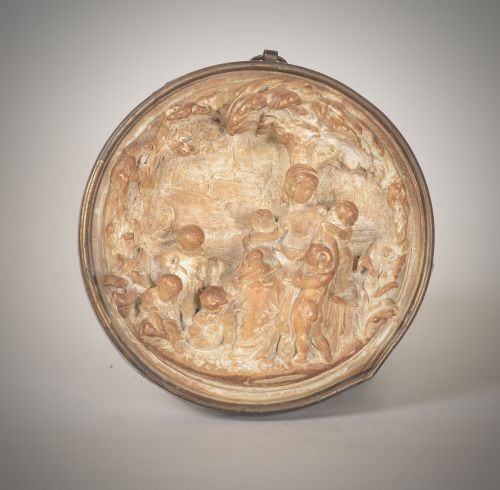
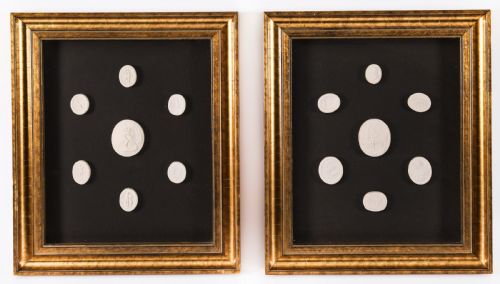
These pieces are antique souvenir casts, collected primarily during the eighteenth and nineteenth centuries by travellers undertaking the Grand Tour across Europe and Italy. They capture classical sculpture, architecture and ancient gems in portable formats.
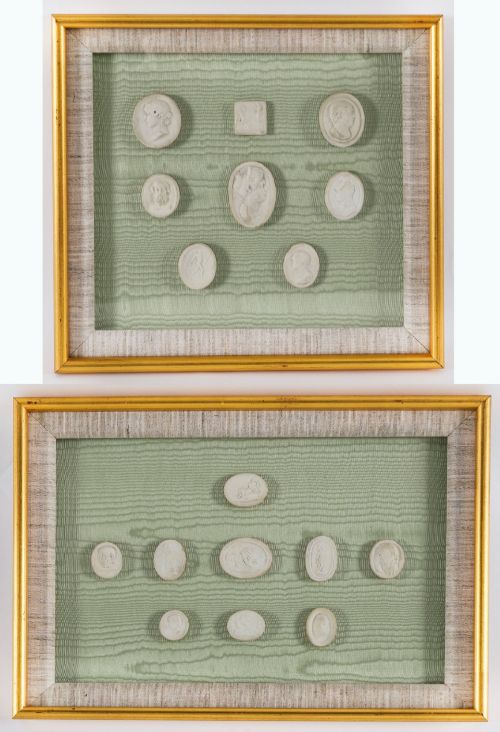
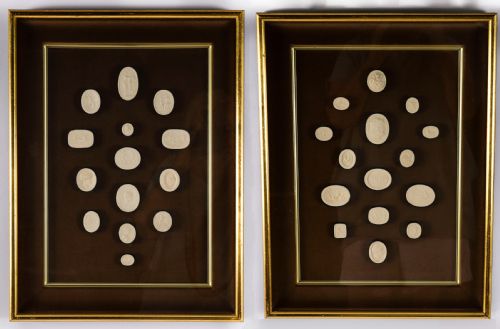
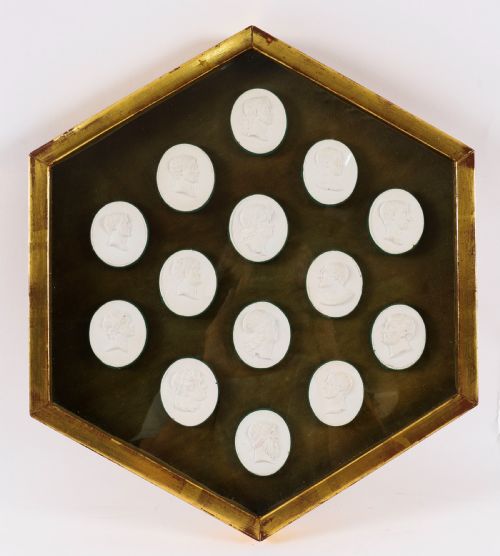
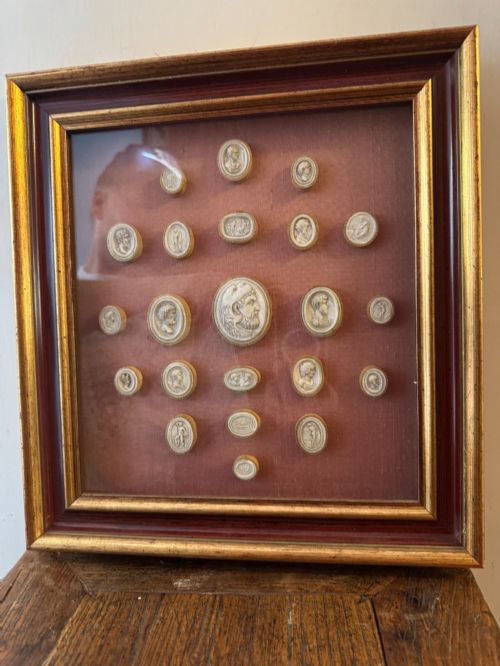
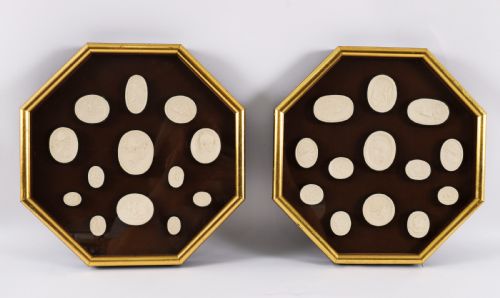
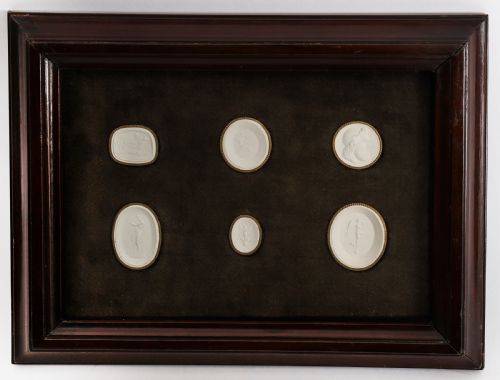
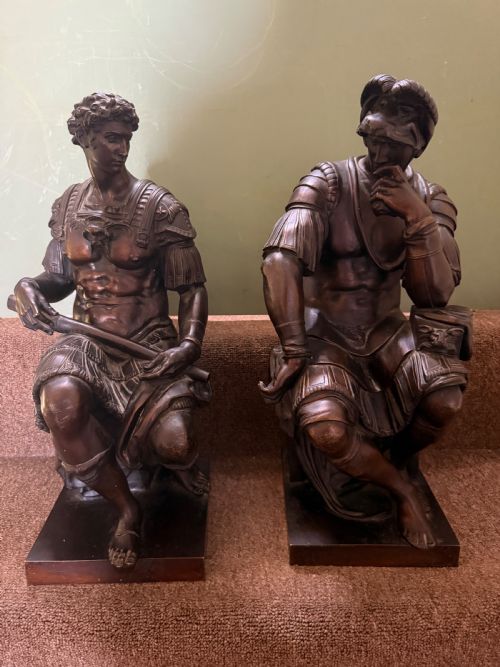
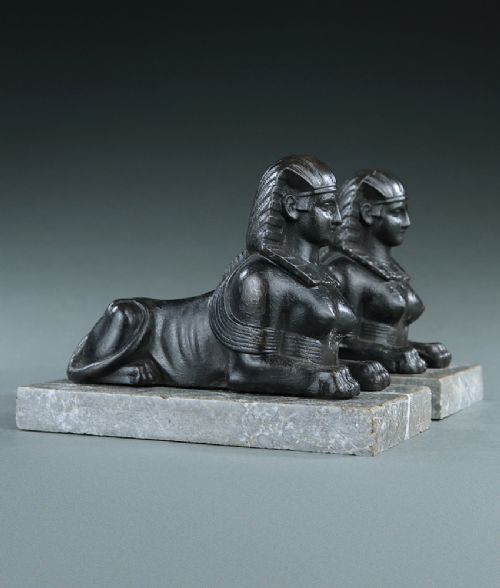
Most examples on this page comprise framed sets of plaster intaglios and cameos, alongside bronze reductions of famous statues such as the Medici lions, the Warwick vase and figures after Michelangelo and Canova. These items served as both intellectual ornaments and proof of travel.
Originating largely from Italian workshops, the forms range from single patinated bronze figures and decorative urns to extensive wall-mounted panels housing dozens of individual plaster impressions.
How they were made
Plaster casts and intaglios were typically poured into moulds taken directly from ancient engraved gems and classical sculptures, then mounted on materials like velvet, paper or gilt wood within frames. Gypsum and plaster allowed for sharp detail that captured the microscopic cuts of the original glyptic art.
Bronze sculptures and vessels utilised traditional lost-wax casting methods to create metal reductions of monumental antiquities. These metal pieces often received chemical patination to simulate the aged surfaces of excavated archaeological finds.
Antique Souvenir Casts Retail Price Guide 2026
Typical asking prices for souvenir casts among the pieces listed under this phrase on Sellingantiques today, from the lower quarter to the upper quarter. They describe what is for sale here now, not the wider market.
Travellers brought home microscopic ancient history in boxes so compact they could slip into a carriage pocket.
What varies in quality
Quality rests principally on the crispness of the impression and the fidelity of the cast to the ancient original. Finer plaster intaglios retain microscopic lettering and shallow planes that lesser copies blur through worn moulds.
The sophistication of the secondary mounting elevates a piece, distinguished by neat hand-cut paper mounts, rich velvet backings and well-proportioned giltwood frames. In bronzes, the depth of the patination and the clean finish of chased details separate standard commercial pieces from superior studio works.
Pietro Bracci·Giovanni Liberotti
The Antique Souvenir Casts Glossary
- Intaglio
- An engraved gem or cast where the design is sunken below the surface. This technique was used widely on ancient seals and rings, reproduced later in plaster for collectors.
- Cameo
- A method of carving where the design is raised in relief against a contrasting background. These appear frequently in framed souvenir collections.
- Grand Tour
- The traditional journey of Europe undertaken by upper-class young men and scholars. It formed the primary context for acquiring these classical souvenirs.
- Gypsum
- A soft sulphate mineral used to create plaster of Paris. It formed the substance for the crisp white intaglios housed in nineteenth-century frames.
Antique Souvenir Casts: Frequently Asked Questions
What are antique souvenir casts?
They are portable reproductions of classical art, including bronze sculptures and plaster intaglios, acquired by travellers in Italy during the eighteenth and nineteenth centuries.
Travellers used these collections to demonstrate their classical education and refined taste upon returning home to Britain.
How were intaglio collections displayed?
Intaglios were usually arranged systematically in sets within velvet-lined or paper-backed frames, designed to be hung on walls or kept in cabinets.
This format allowed collectors to study dozens of classical intaglios at once, mimicking the arrangement of a scholar's study.
Which materials are most common?
The listings show plaster and gypsum for intaglios and cameos, alongside patinated bronze for sculptural reductions and vases.
These materials were chosen because they faithfully recorded the surface details of ancient marbles and carved gems while remaining durable enough for travel.
How can I tell the period?
Dating relies on the framing materials, paper backings and the specific style of the casting, which generally aligns with nineteenth-century revival movements.
Signatures or stamps on the backing paper can occasionally connect sets directly to known Roman workshops of the period.