




Antique Sorrento Ware
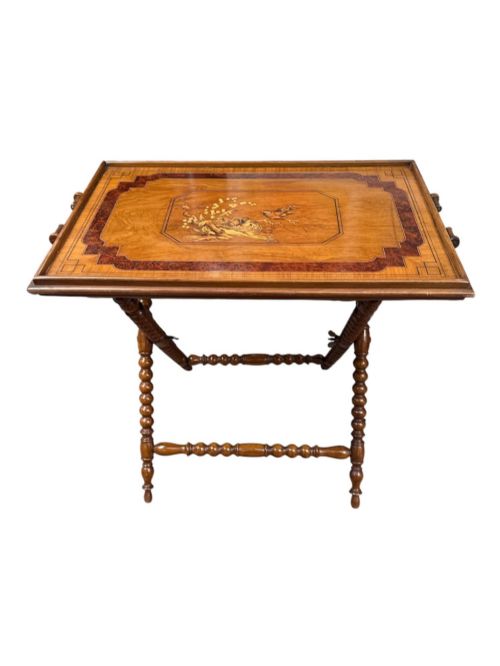
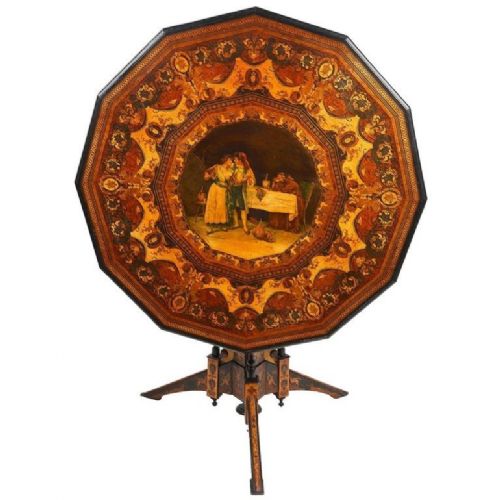
Antique Sorrento ware pieces are intricate inlaid wooden boxes and tables that bring tactile warmth and rich Italian craftsmanship into any room.
Antique Sorrento Ware
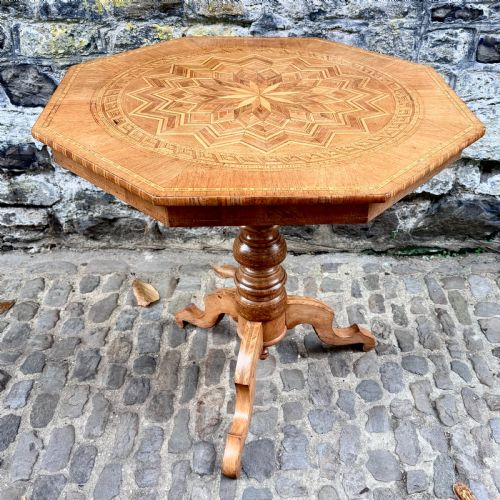
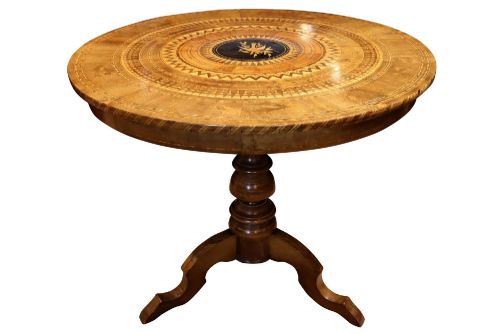
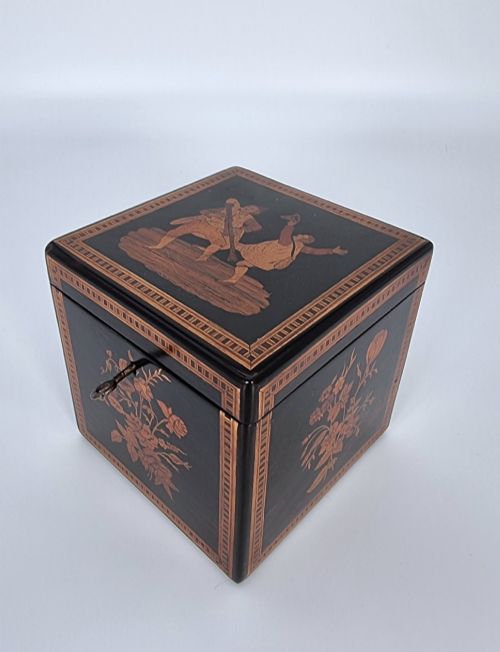
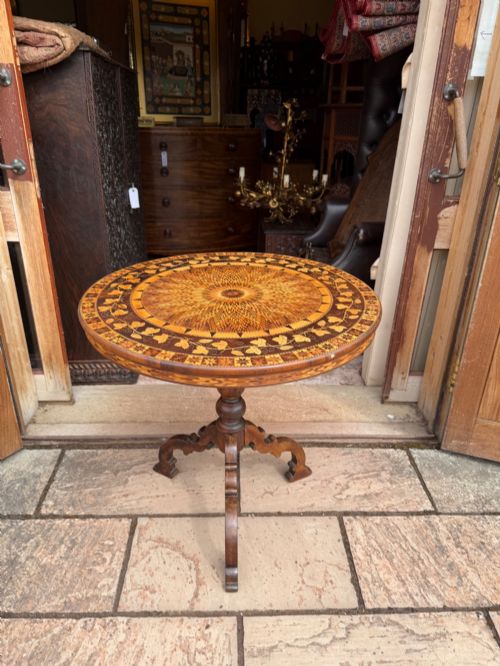
When you search for antique Sorrento ware, you encounter a distinct tradition of Italian woodwork spanning the nineteenth century and into the early twentieth century. These pieces encompass smaller decorative objects such as boxes, caskets, and bowls alongside larger furniture forms including occasional tables, side tables, and corner shelves.
The objects commonly emerge from the Victorian era and the period of the Italian Grand Tour, reflecting the tastes of travellers who collected souvenirs from Italy. Walnut and olive wood form the structural foundation for the majority of these pieces, which display characteristic local scenery, floral motifs, or geometric patterns.
Occasional tables and desktop boxes represent the versions most frequently met on this page, often combining multiple contrasting timbers in intricate surface designs. The smaller caskets and vanity boxes serve as portable examples of the inlay traditions practised in the coastal town of Sorrento.
Assessing quality
The division between standard production and exceptional work rests on the precision of the veneer cutting and the complexity of the pictorial composition. Finest examples display microscopic attention to detail in the marquetry, where individual pieces of wood align seamlessly without excessive filler.
Structural integrity and the preservation of the original polished surface also separate tiers of quality, as timber movement can cause lifting in delicate veneers over time. Pieces retaining their crisp geometric borders and subtle tonal shading in the fruitwood inlay command greater appreciation.
Antique Sorrento Ware Retail Price Guide 2026
Typical asking prices for sorrento ware among the pieces listed under this phrase on Sellingantiques today, from the lower quarter to the upper quarter. They describe what is for sale here now, not the wider market.
Travel mirrors from Sorrento folded flat so Victorian tourists could pack them safely alongside their folding travel diaries.
Almerico Gargiulo
The Antique Sorrento Ware Glossary
- Marquetry
- A technique where pieces of veneer are applied to a wooden structure to form decorative patterns or pictorial scenes. This method allows artisans to use natural wood grains and colours to create depth and shadow.
- Parquetry
- Geometric mosaic woodwork forming repeating patterns like checkers, cubes, or zig-zags across a tabletop or box lid. It relies on exact mathematical cutting rather than pictorial design.
- Grand Tour
- A cultural journey of Europe undertaken by wealthy young men in the eighteenth and nineteenth centuries. Souvenirs purchased during these travels frequently included inlaid wooden boxes and tables from Italy.
- Olive wood
- A dense, heavily figured timber native to the Mediterranean region, prized for its dramatic dark brown grain lines against a golden background. Makers utilised this wood extensively for its decorative appearance.
- Casket
- A small, often ornate box designed for storing jewellery, letters, or precious keepsakes. These items typically feature hinged lids and fitted interior compartments.
Antique Sorrento Ware: Frequently Asked Questions
What is Sorrento ware?
Sorrento ware refers to decorative wooden items, primarily tables and boxes, decorated with intricate marquetry and parquetry originating from the Italian coastal town of Sorrento.
The tradition flourished during the nineteenth century, driven largely by European travellers seeking portable souvenirs of Italian craftsmanship.
How do I date antique Sorrento pieces?
Dating relies on examining the timber construction, the style of the inlay motifs, and the hardware such as hinges and locks used on boxes.
Nineteenth-century examples often feature Grand Tour themes and dense walnut or olive wood structures, while later pieces from the early twentieth century show subtle shifts in geometric layout.
How should I care for olive wood furniture?
Olive wood surfaces require stable humidity and protection from direct sunlight to prevent the timber from drying out and the delicate veneers from lifting.
Routine maintenance involves gentle dusting with a dry cloth and occasional application of appropriate furniture wax to nourish the grain.
Were these tables used daily?
Occasional tables and tray tables served functional roles in Victorian reception rooms for holding tea, books, or small decorative lamps.
Despite their delicate appearance, the sturdy walnut and mixed wood foundations allowed them to withstand regular domestic use.