



Antique Solomonic Columns
Antique solomonic columns bring dramatic helical movement to an interior, twisting upwards in wood, brass, or marble to command any room.
Antique Solomonic Columns
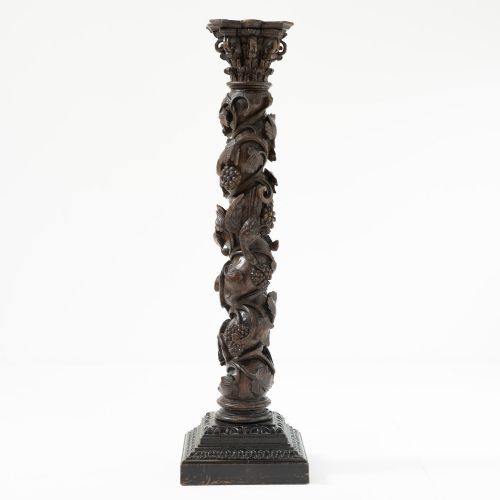
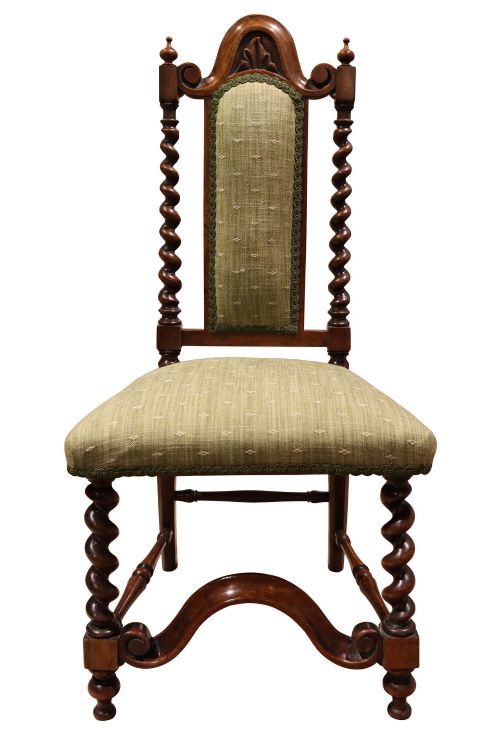
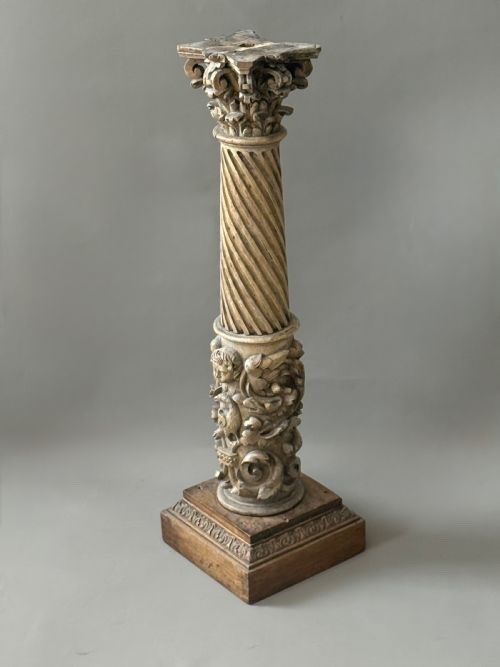
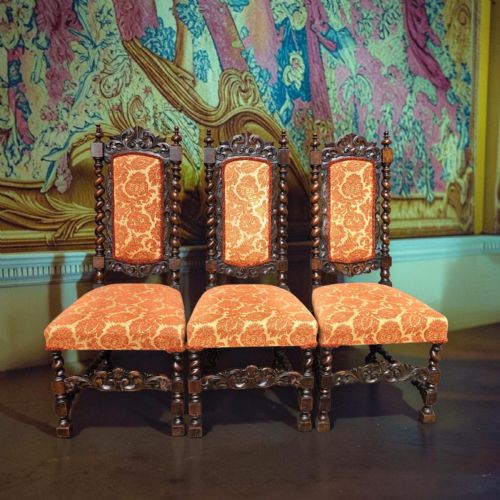
When searching for antique solomonic columns, a buyer encounters a diverse group of architectural supports, furniture components, and decorative objects. These pieces trace their lineage back through centuries of design, taking the form of monumental wooden pillars, smaller pedestals, and structural elements integrated into tables and seating.
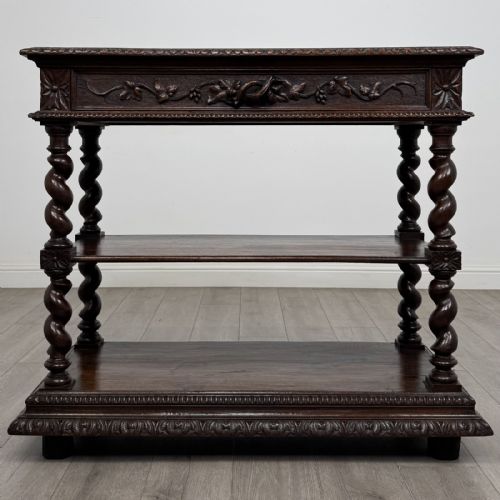
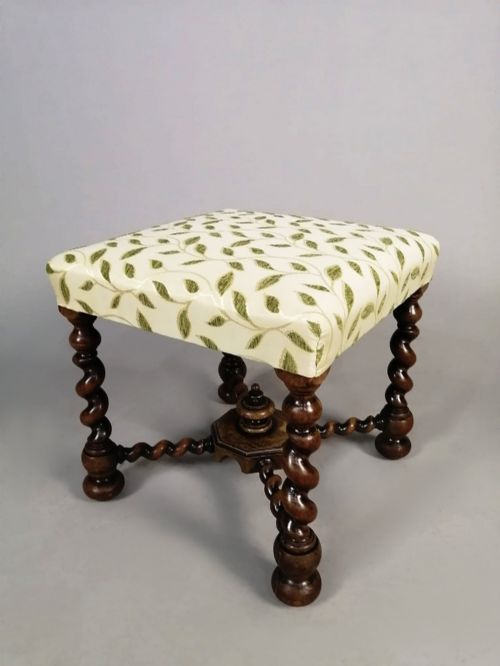
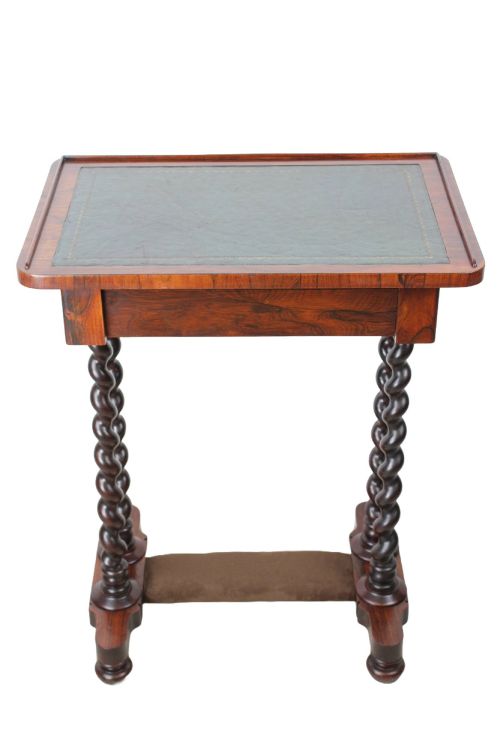
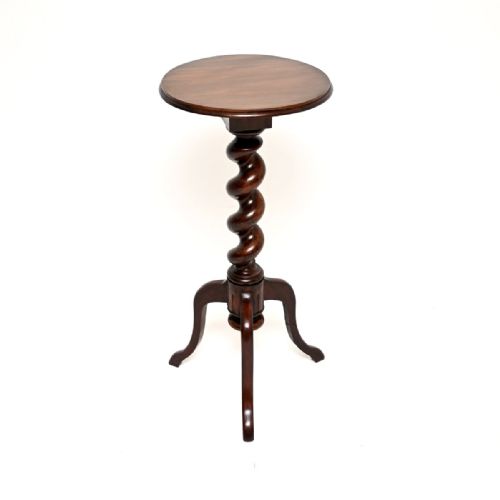
The selection on this page demonstrates how the helical twist manifests across domestic items. Visitors will find occasional tables, candlesticks, lamp bases, and armchairs that incorporate spiral turning alongside standalone architectural columns.
Origins span multiple periods, with nineteenth-century revivals sitting alongside seventeenth and eighteenth-century examples. Oak, walnut, rosewood, and brass dominate the material palette, often accompanied by marble and gesso.
How they were made
Makers produced these spiralling forms primarily through timber turning on a lathe or by hand carving solid blocks of wood. Oak and walnut provided the dense grain required to hold crisp helical lines without splitting along the spiral channels.
Metal versions, particularly in brass, relied on casting techniques to achieve the characteristic twist, whilst marble columns involved precision stonecutting and polishing. Gesso and gilding were frequently applied to wooden surfaces to enhance the play of light across the curved facets.
Antique Solomonic Columns Retail Price Guide 2026
Typical asking prices for solomonic columns among the pieces listed under this phrase on Sellingantiques today, from the lower quarter to the upper quarter. They describe what is for sale here now, not the wider market.
Listings feature oak, walnut, rosewood, and brass forms spanning from the seventeenth century through the Victorian era and into the early twentieth century.
What varies in quality
The distinction between ordinary and exceptional pieces lies in the crispness of the twist and the harmony of the proportions. Superior carving displays a steady, rhythmic progression of the spiral without uneven bulges or flattened channels.
Material selection also dictates quality, with dense hardwoods like walnut and exotic rosewood commanding attention over softer, less characterful timbers. Surface finish plays a crucial role, where original patination and intact gesso enrich the tactile presence of the object.
The Antique Solomonic Columns Glossary
- Solomonic column
- A twisted, helical shaft resembling a spiralling vine or rope, originating from ancient architectural motifs. This form gained immense popularity during the Baroque period.
- Barley twist
- A popular British term for a spiral turning resembling a stalk of barley. It appears frequently on seventeenth-century furniture and nineteenth-century revival pieces.
- Torchere
- A tall stand or pedestal designed to support a candelabrum, lamp, or vase. These freestanding columns often elevate decorative items to eye level.
- Gesso
- A plaster-like mixture applied to wood surfaces as a base for painting or gilding. It provides a smooth ground that accentuates carved architectural details.
- Serpentine marble
- A green, mottled stone resembling snakeskin, frequently utilised for decorative columns and pedestals in the nineteenth century.
Antique Solomonic Columns: Frequently Asked Questions
How do I date an oak spiral column?
Dating relies heavily on the depth of the hand-carved grain, tool marks, and timber shrinkage patterns. Earlier seventeenth-century pieces display heavier, more vigorous hand-tooling compared to later nineteenth-century revival turning.
Secondary woods and construction joints also offer clues to the period. Fasteners and assembly methods align closely with the prevailing cabinet-making standards of each respective era.
Can these columns support heavy architectural weight?
Many solid wood and marble examples were built as structural supports or sturdy pedestals. However, smaller table legs and decorative lamp bases are designed for domestic furnishing rather than bearing massive architectural loads.
Evaluating the specific material and core construction ensures safe placement within a room. Solid oak or stone columns handle significant weight far better than slender turned elements.
Where should I place a pedestal column at home?
Freestanding pedestals and torchere stands work well in corners or flanking doorways to display sculpture, plants, or lamps. Their vertical momentum draws the eye upward, adding architectural interest to plain walls.
Pairing them with complementary antique furniture enhances the room's cohesive period aesthetic. Placement should account for stability, particularly on uneven flooring.
What is the difference between barley twist and solomonic columns?
The terms are often used interchangeably in the antiques trade, though solomonic strictly implies classical architectural roots with bulging, rope-like turns. Barley twist frequently describes the finer, more uniform spiral turnings found on British Stuart furniture.
Both styles share the fundamental helical geometry that defines this category. Regional terminology often dictates which name a dealer applies to the same physical form.