

Antique Solitaire Dress Ring
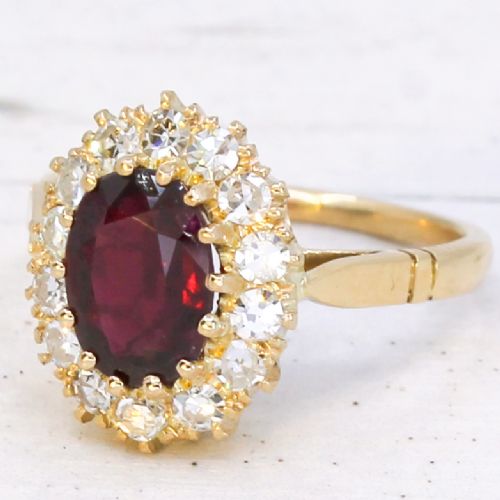
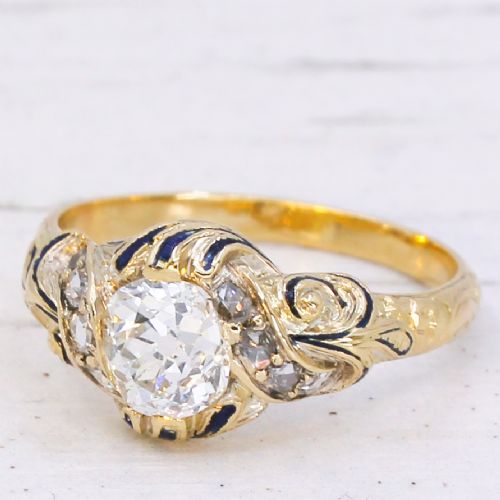
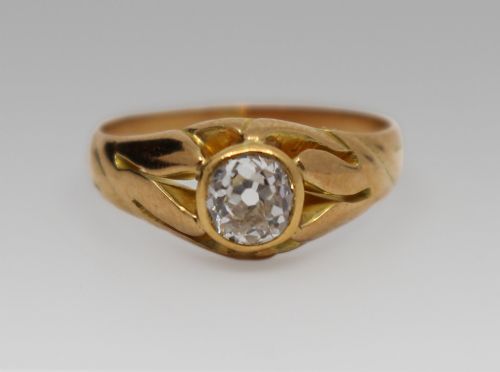
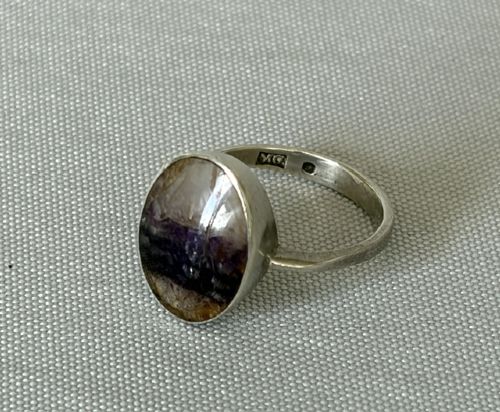
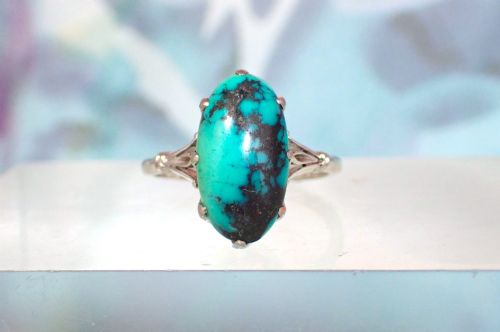
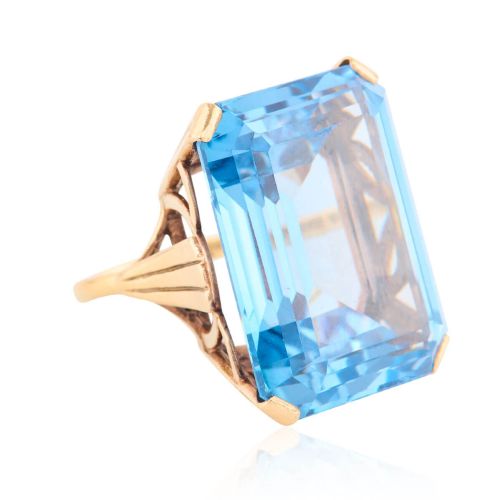
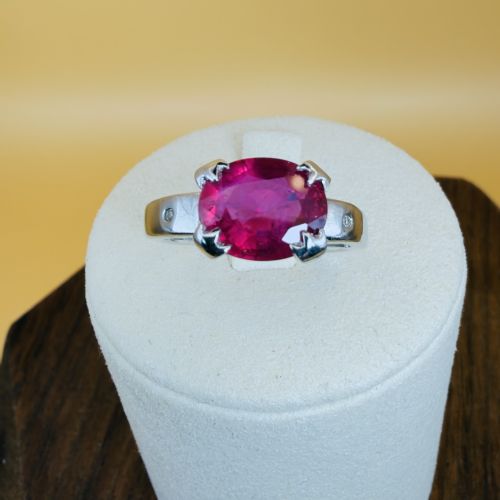
An antique solitaire dress ring holds a single central stone to draw the eye, offering a distinct alternative to modern clustered settings.
Antique Solitaire Dress Ring
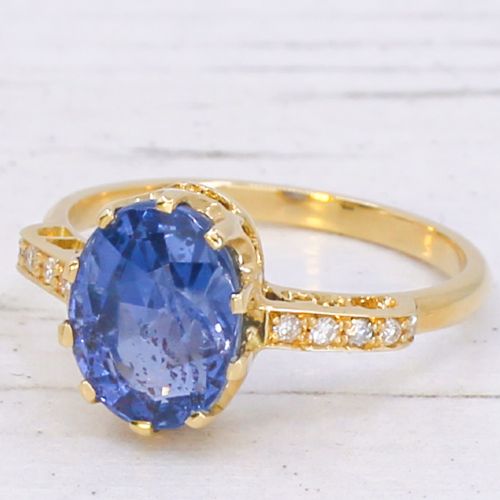
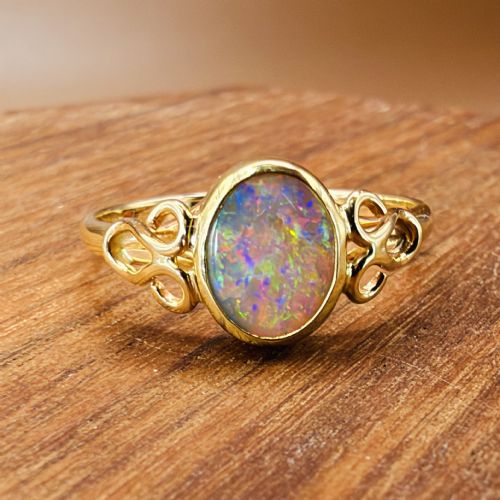
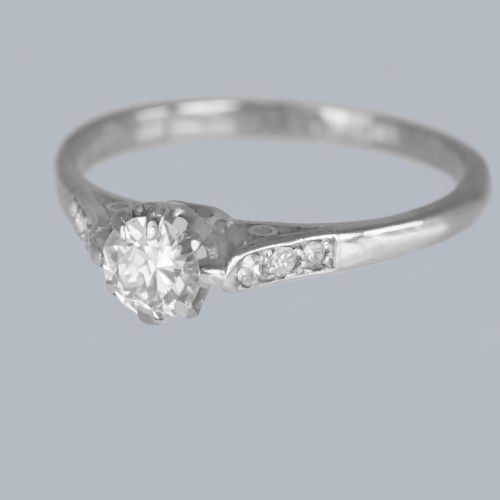
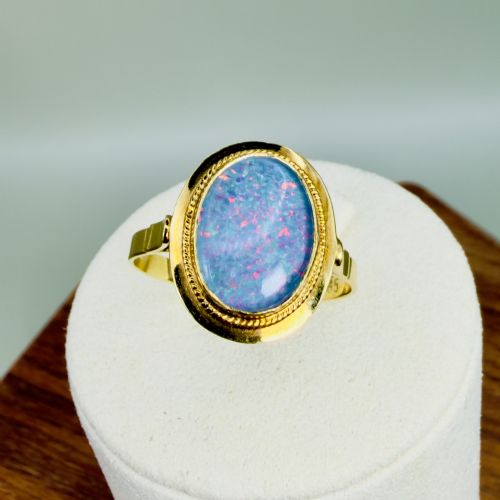
When you search for an antique solitaire dress ring, you encounter pieces designed to display one prominent gemstone rather than a cluster of smaller stones. These rings appear across periods from the Georgian era through to the mid-century, capturing stylistic shifts from ornate Victorian work to geometric Art Deco designs.
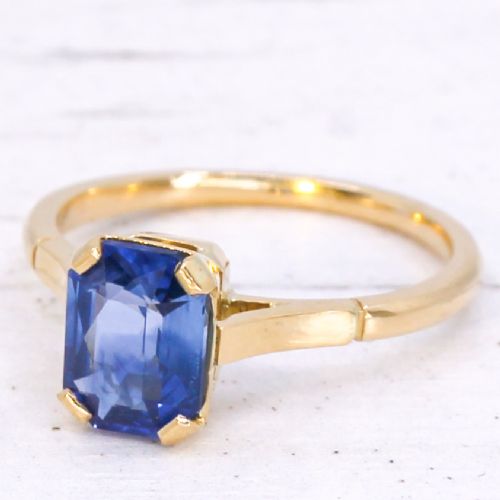
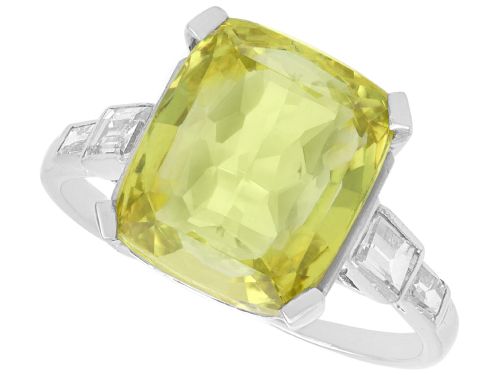
The selections span several material combinations, uniting precious gems with metals such as platinum, yellow gold, white gold, and rose gold. Central stones vary widely, encompassing diamonds, sapphires, opals, rubies, and jade, alongside less common choices like chalcedony and bloodstone.
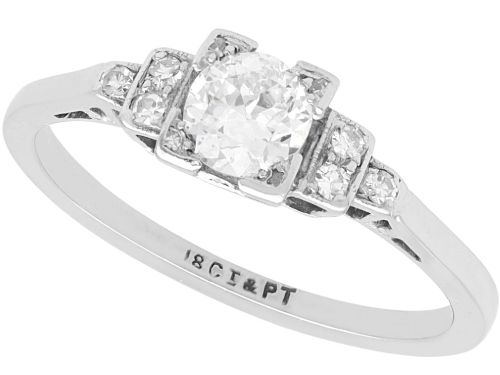
You are most likely to meet pieces originating from the Edwardian and Art Deco periods on this page, alongside robust Victorian examples and mid-century items. The forms range from simple claw and bezel settings to those enhanced by diamond-set shoulders.
How they were made
Maker techniques rely on mounting single stones securely within precious metal bands using claws, bezels, or flush settings tailored to the shape of the gem. Platinum and various grades of gold, including 9ct, 14ct, 15ct, and 18ct, provide the structural foundation for these settings.
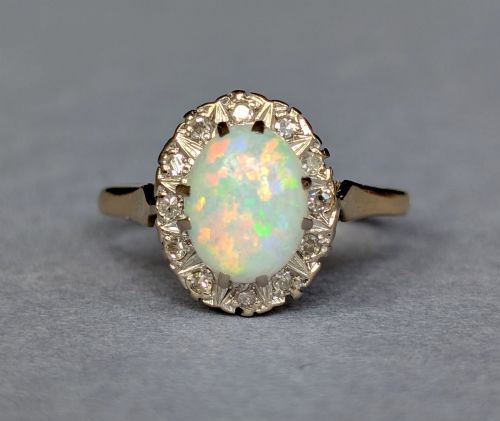
Gemstones are shaped according to their optical properties, utilising cabochon cuts for opals, moonstones, and jade, and old mine, transitional, or rose cuts for diamonds. Enamel accents and diamond-set shoulders occasionally supplement the primary stone to complete the composition.
Several rings conceal small secret diamonds tucked away into the shoulders, waiting quietly for a closer look.
What varies in quality
The standard of a piece rests on the integration between the central gemstone and its metal setting, where precision in claw work or bezel wrapping dictates the security and visual balance of the ring. Superior examples display stones with high optical clarity, rich natural colour without treatment, and harmonious proportions relative to the band.
Craftsmanship is further judged by the finesse of secondary details, such as delicate shoulder stones or fine metalwork, which elevate the piece beyond a basic functional mount.
The Antique Solitaire Dress Ring Glossary
- Solitaire
- A ring setting designed to showcase a single central gemstone without competing stones.
- Cabochon
- A gemstone shaped and polished with a smooth, rounded domed surface rather than faceted edges.
- Old Cut
- A diamond cut fashioned by hand before modern machinery, typically featuring a small table, high crown, and large culet.
- Bezel Setting
- A method of securing a gemstone where a thin metal rim encircles the outer edge of the stone.
- Transitional Cut
- A diamond cut bridging the old mine cut and the modern brilliant cut, utilised widely during the early twentieth century.
Antique Solitaire Dress Ring: Frequently Asked Questions
How do I identify an Edwardian ring?
Edwardian rings often utilise platinum paired with intricate openwork metal techniques. The aesthetic leans towards light, graceful forms.
Diamonds and pearls frequently appear in these pieces, supported by delicate milgrain detailing along the edges of the metal settings.
What is an Art Deco ring?
Art Deco rings are characterised by geometric lines, symmetry, and stylised motifs. This style emerged prominently in the nineteen-twenties.
Makers frequently combined platinum or white gold with contrasting stones like onyx, emeralds, or calibre-cut sapphires.
How should I care for an opal ring?
Opals contain natural water content and require protection from harsh chemicals, sudden temperature changes, and physical impacts. Regular cleaning should involve only a soft damp cloth.
Store opal rings separately from harder gemstones to prevent surface scratching on the cabochon dome.