

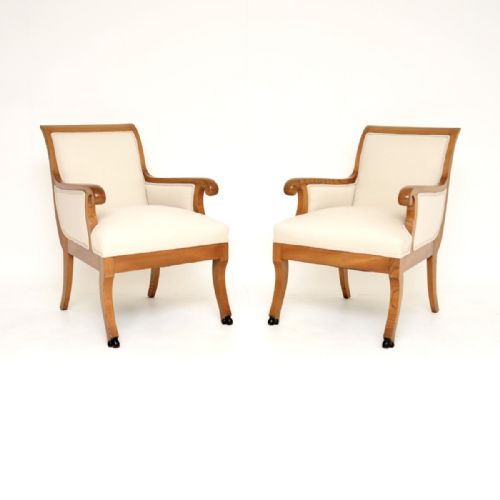


Antique Solid Wood Carvers
Antique solid wood carvers are substantial seating pieces built from timber like oak, elm and mahogany, offering enduring structural integrity and traditional craftsmanship for daily use.
Antique Solid Wood Carvers
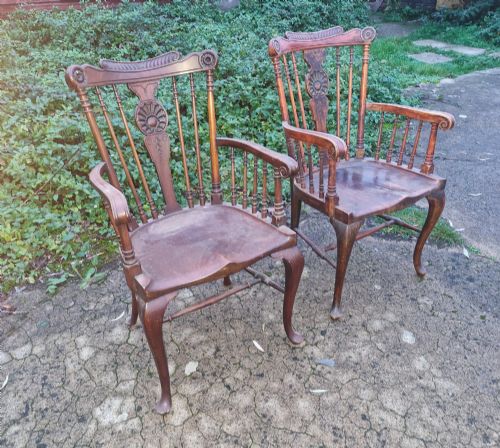
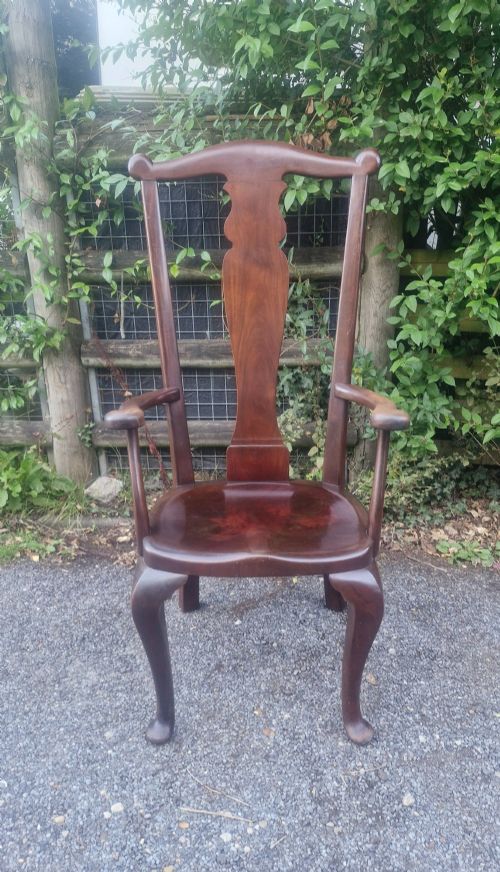
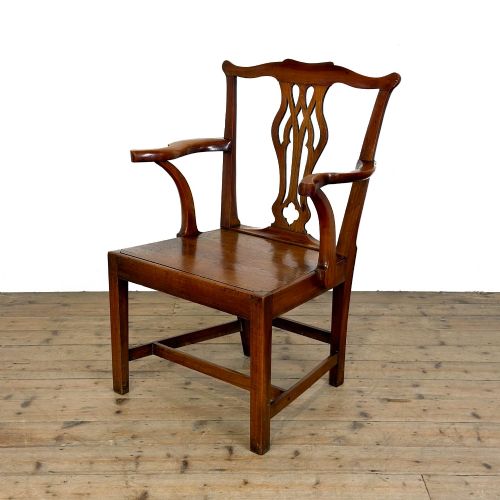
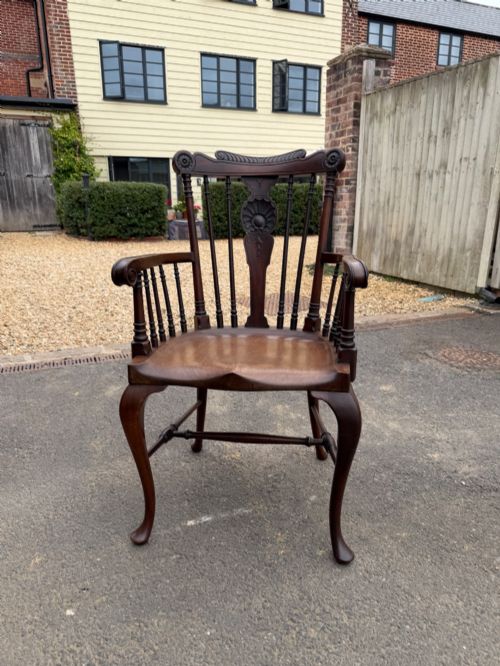
Antique solid wood carvers comprise robust armchairs and desk chairs shaped from heavy timbers, frequently functioning as head-of-the-table seating in dining rooms or study spaces. These items encompass a range of regional forms and revival styles, spanning from country Windsor chairs to formal Chippendale and Queen Anne adaptations.
Buyers browsing this selection will frequently encounter mid-to-late nineteenth-century and early twentieth-century examples rendered in native hardwoods. Common variations include elm, ash, oak, and walnut, often demonstrating regional vernacular construction methods alongside formal period revivals.
The inventory covers diverse forms including high-back desk armchairs, panelled oak seating, and comb-back Windsor Captain's chairs. These seating options reflect both utilitarian country traditions and refined cabinet-maker designs.
How they were made
Joinery relies on traditional methods such as mortise and tenon joints, dowels, and steam-bent components for arched backs and armrests. Timbers were selected for their grain pattern and tensile strength, allowing slender spindles and heavy legs to support weight reliably without metal fasteners.
Surface finishing involved hand-applied waxes, oils, or shellac polishes that developed a deep patina over decades of handling. Carved details on styles like the Chippendale or Tudor revivals were executed entirely by hand using chisels and gouges rather than mechanical routers.
Antique Solid Wood Carvers Retail Price Guide 2026
Typical asking prices for solid wood carvers among the pieces listed under this phrase on Sellingantiques today, from the lower quarter to the upper quarter. They describe what is for sale here now, not the wider market.
Listings feature solid wood carvers spanning from the mid-nineteenth century through the 1930s, utilising elm, ash, mahogany, oak, walnut, and fruitwood.
What varies in quality
The distinction between standard examples and superior pieces rests on the choice of timber and the precision of the joinery. Dense, highly figured woods like burr birch or well-selected mahogany indicate higher initial expenditure by the maker.
Proportion and comfort further separate refined items from basic utility seating, visible in the careful rake of the backrest and the ergonomic shaping of the wooden arms. Original surface patination and minimal replacement of structural elements preserve the integrity sought by collectors.
H. Samuel London·Howard & Son's
The Antique Solid Wood Carvers Glossary
- Carver
- An armchair designed to match a set of single dining chairs, typically positioned at the head of a dining table. These pieces feature supportive armrests for added comfort.
- Comb-back
- A Windsor chair variation where the vertical spindles of the low back extend upward through a horizontal crest rail, resembling a traditional hair comb. This construction distributes weight evenly across the frame.
- Vernacular
- Furniture built by regional craftsmen using local traditions and native timbers rather than following strict metropolitan style books. These objects often display practical, unpretentious construction.
- Patina
- The surface sheen and softening of colour developed by wood and polish over decades of use and exposure to light. A desirable patina shows genuine age without heavy abrasion.
- Treen
- Small handmade wooden items produced before the widespread adoption of plastic. This category covers functional domestic objects turned or carved from solid timber.
Antique Solid Wood Carvers: Frequently Asked Questions
What is a carver chair?
A carver is an armchair traditionally made to match a set of dining chairs, placed at either end of the dining table. These seating pieces provide wider proportions and armrests.
They function equally well as standalone desk chairs or occasional seating in a living space due to their substantial wooden construction.
How do I care for solid wood furniture?
Solid wood carvers require stable indoor humidity and protection from direct heat sources to prevent timber from splitting or warping. Regular dusting with a dry cloth keeps the surface clean.
Applying a traditional beeswax polish periodically nourishes the wood and maintains the natural lustre of the vintage finish without building up heavy residue.
Are these chairs comfortable for daily use?
Many solid wood carvers incorporate contoured wooden seats and supportive high backs designed for extended sitting during meals or desk work. The ergonomic shaping of historical chairs often rivals modern seating.
Adding a loose fabric cushion can provide extra padding while keeping the original wooden frame entirely visible.
How can I tell the period of a wooden chair?
Dating relies on examining tool marks, construction methods, timber species, and stylistic revival cues visible in the carved details and turning. Hand-sawn components and pegged joinery usually point towards earlier production dates.
Comparing the form to documented regional styles helps narrow down whether a piece originates from the nineteenth century or the early twentieth century.