






Antique Soldier Statues
These antique soldier statues bring centuries of military history into your home, cast in bronze, carved from wood and shaped in pottery.
Antique Soldier Statues
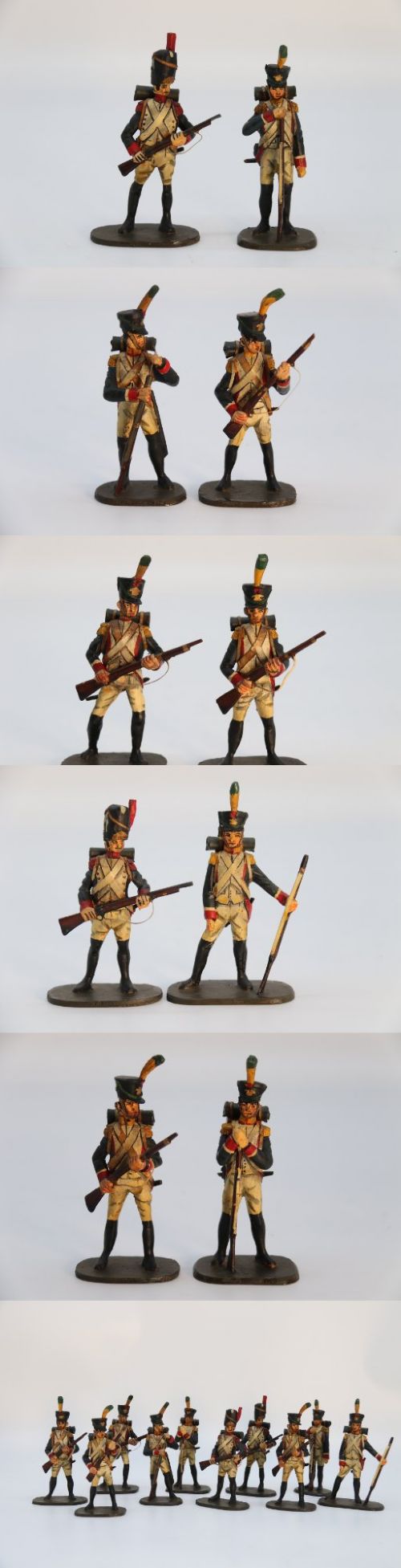
When you search for antique soldier statues, you encounter figures cast, carved and modelled across several centuries. The selection ranges from Victorian Staffordshire pottery and parian ware to French bronze sculptures and carved wooden Napoleonic groups.
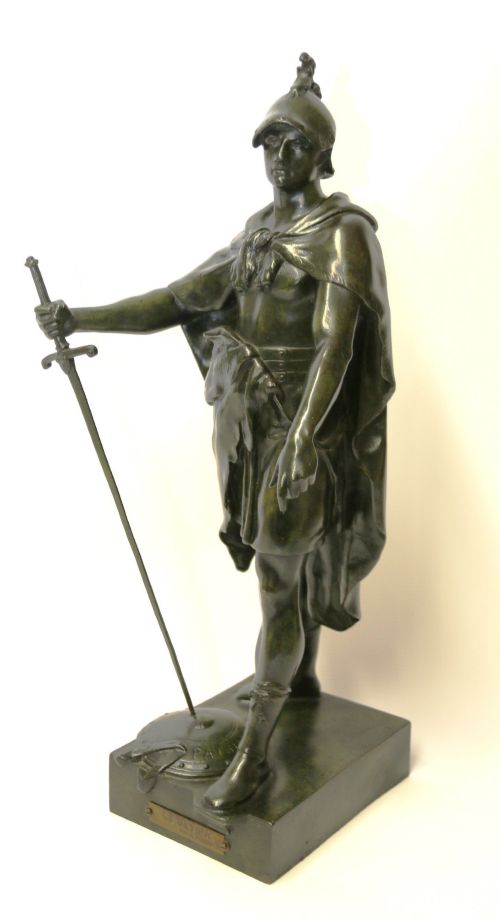
You are most likely to meet 19th-century works, particularly French patinated bronze figures and spelter mantel pieces. These often depict Roman soldiers, cavaliers and Napoleonic troops.
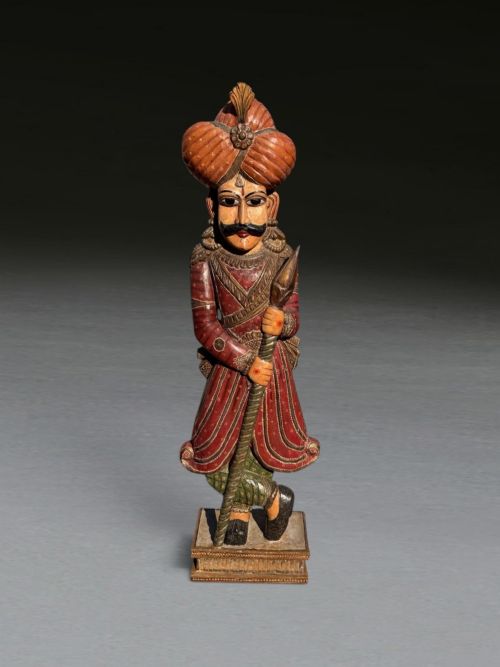
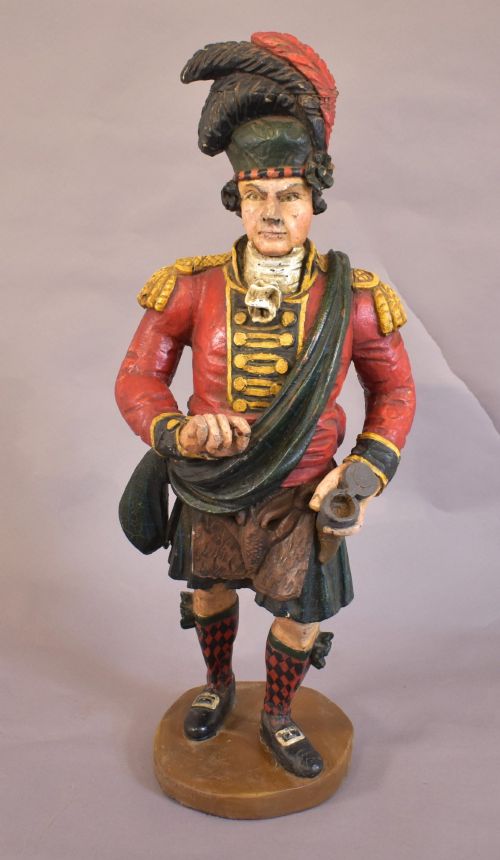
The forms extend beyond standard statues to include doorstops, candlesticks, tobacco figures and trade sign sculptures. Materials vary widely from high-grade metals to earthenware and carved wood.
How they were made
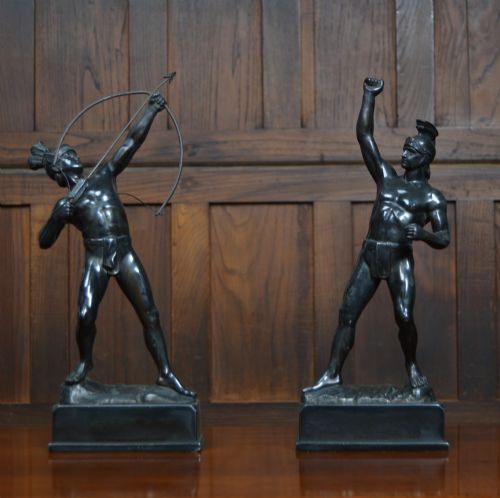
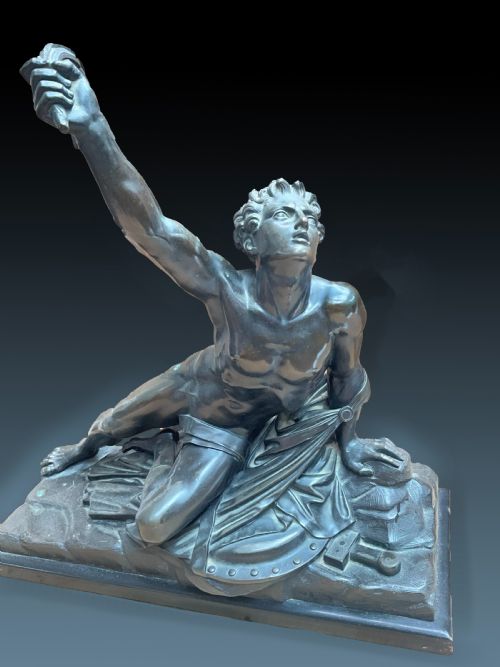
Foundry casting dominates the metal pieces, utilising bronze or spelter with patinated surfaces to accentuate military detail. French workshops employed skilled casting and chasing techniques for complex figures.
Pottery and ceramic works rely on earthenware and porcelain, shaped in moulds and hand-painted with glazes. Wooden figures depend on hand-carving and polychrome paint applications.
Antique Soldier Statues Retail Price Guide 2026
Typical asking prices for soldier statues among the pieces listed under this phrase on Sellingantiques today, from the lower quarter to the upper quarter. They describe what is for sale here now, not the wider market.
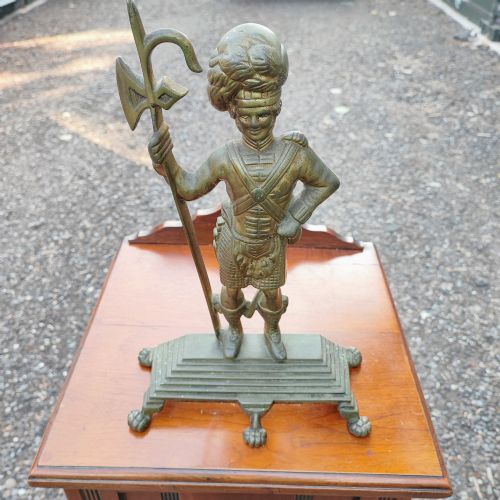
One listed figure holds tobacco ready for use while dressed as a Scottish Highlander.
What varies in quality
The distinction between standard commercial pieces and superior works lies in the crispness of the casting and the depth of the finish. Fine bronze sculptures display sharply defined uniform details and nuanced patination, whereas lesser metal pieces use spelter with simpler surface treatments.
Hand-painted ceramics and carved wooden figures show variation in the precision of the brushwork and the complexity of the carving. Master sculptors achieve anatomical accuracy and expressive poses that elevate the piece.
Émile Louis Picault·E.H. Dumaige·Salmson·Richard Aurili·C. Anfrie
The Antique Soldier Statues Glossary
- Spelter
- An alloy of zinc and lead or copper, commonly utilised as a less expensive alternative to bronze in 19th-century figures. It accepts a painted or patinated finish to simulate bronze.
- Patinated bronze
- Metal treated with chemicals or heat to produce a specific surface colour and finish. This protects the bronze and adds visual depth to the sculpture.
- Parian ware
- A type of unglazed bisque porcelain resembling white marble, developed during the Victorian era. It is named after Parian marble from the Greek island of Paros.
- Staffordshire pottery
- Earthenware figures produced in the Staffordshire potteries in England. They are typically hand-painted and glazed for domestic display.
- Cavalier
- A supporter of King Charles I during the English Civil War, frequently romanticised in 19th-century sculpture and decorative metalwork.
Antique Soldier Statues: Frequently Asked Questions
How do I clean bronze soldier statues?
Dust the surface regularly with a soft, dry brush to prevent dirt buildup.
Avoid using harsh chemical cleaners or water, which can damage the patinated finish.
What is the difference between bronze and spelter?
Bronze is a durable copper alloy that holds fine detail and develops a rich patina over time.
Spelter is a softer, zinc-based metal that is lighter in weight and typically displays a painted surface layer.
Where were Staffordshire soldier figures displayed?
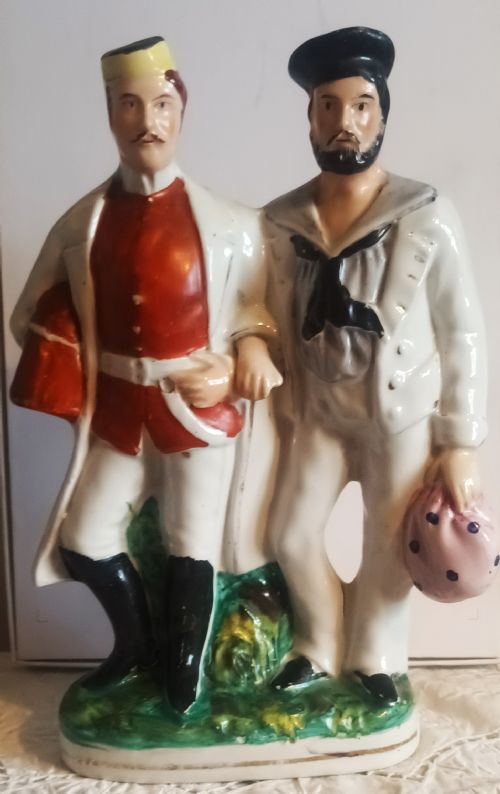
These earthenware figures sat on mantelpieces and shelves in Victorian homes as decorative ornaments.
They often commemorated military alliances, battles or notable commanders of the period.
How can I tell a 19th-century French bronze?
French bronzes from this era often carry foundry stamps or the signature of the sculptor on the base.
They exhibit precise chasing work and heavy patinated bronze construction typical of academic workshops.