



Antique Soldier Portrait
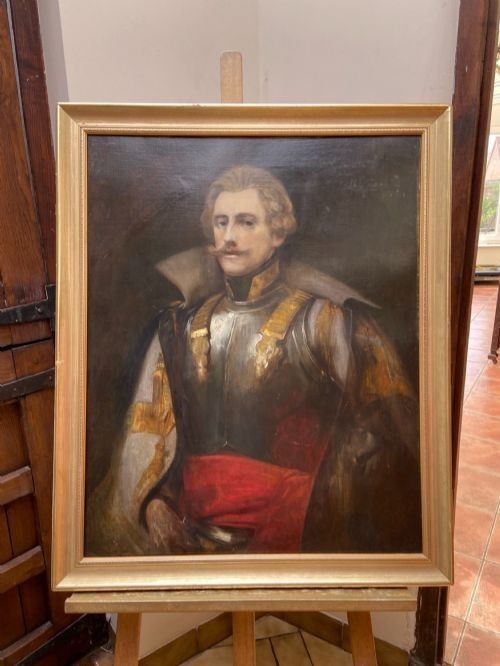
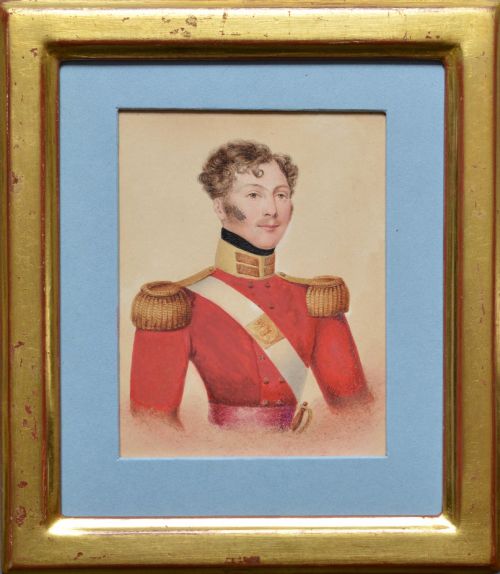
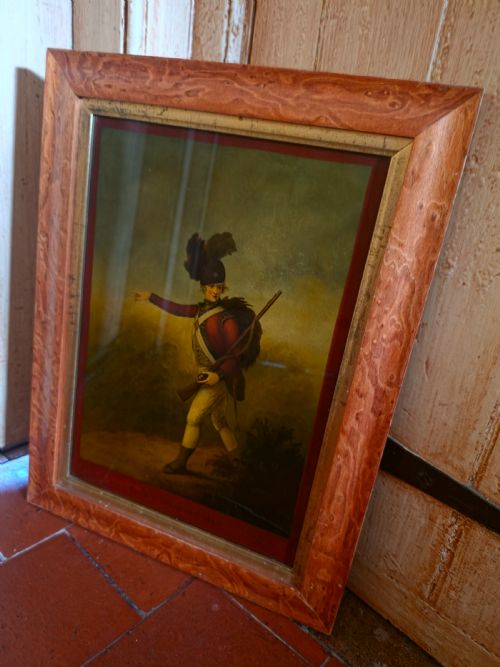
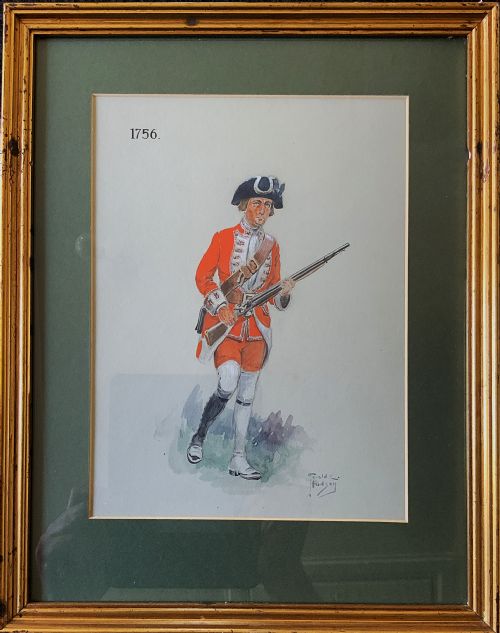
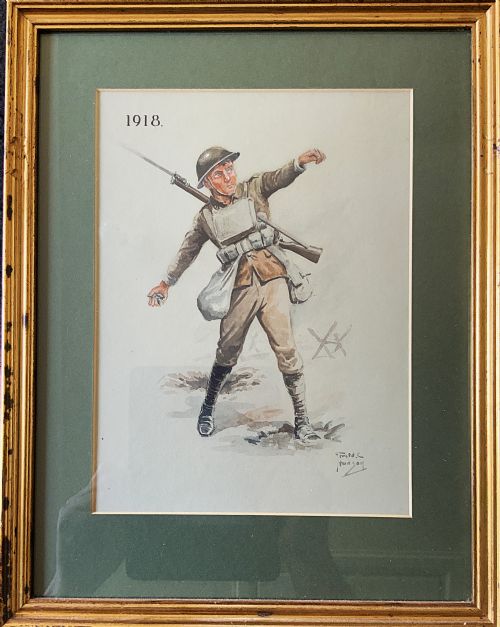
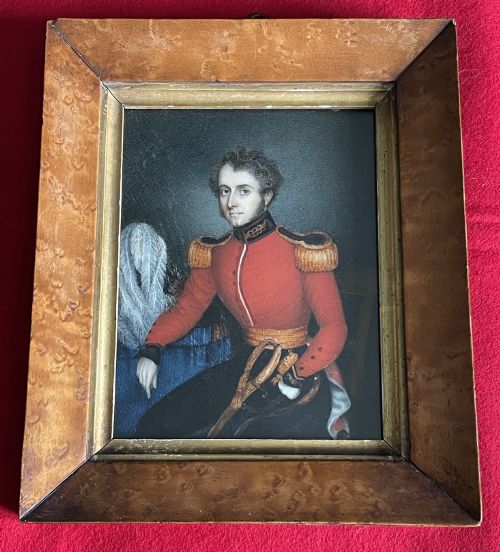
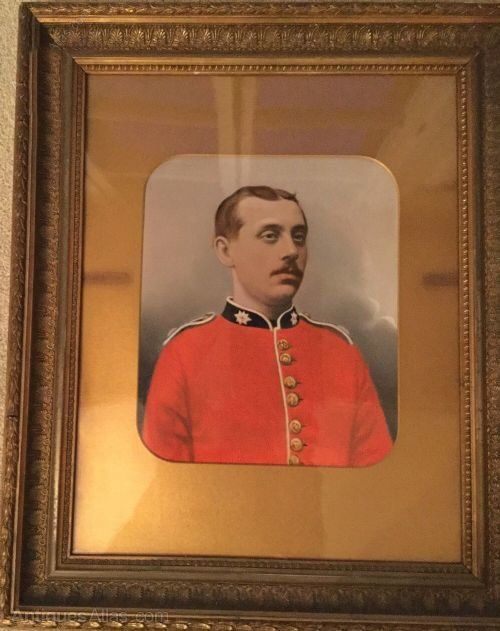
An antique soldier portrait captures the rigid bearing and historic uniform of a military officer or private.
Antique Soldier Portrait
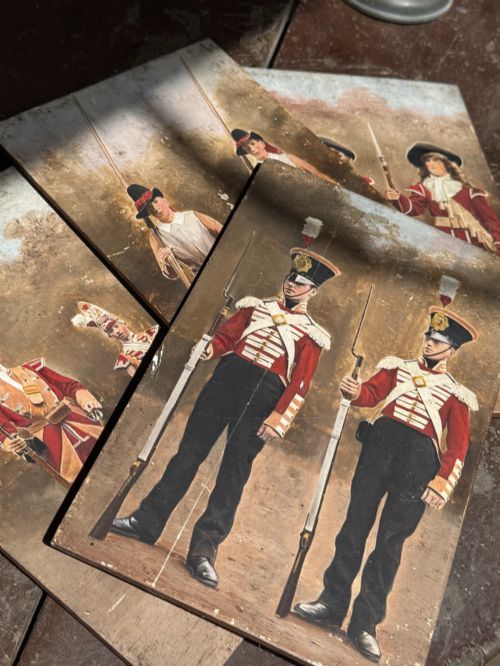
An antique soldier portrait records individual servicemen from various eras on canvas, paper, wood, glass, and copper. Buyers encounter oil paintings, watercolours, portrait miniatures, and painted panels depicting figures ranging from seventeenth-century cavaliers to twentieth-century infantrymen.
The selection includes framed artworks and wall art spanning the eighteenth and nineteenth centuries alongside early twentieth-century examples. Many pieces identify specific regiments, such as the Staffordshire 80th Regiment of Foot or the Coldstream Guards.
Most works present half-length studies or mounted cavalrymen rendered by British and French schools. These items reflect changing military dress and artistic conventions across several hundred years of portraiture.
Materials and Technique
Artists painted these subjects using oil on canvas or panel, alongside watercolour and wash on paper. Some works employ specialist methods such as reverse glass painting or enamel on copper.
Frames utilise wood and gilt wood to house the artwork securely. Support structures range from traditional canvas stretched over wooden frames to sturdy wooden panels and porcelain plaques.
At least one pair of portraits records a soldier and a sailor equipped with wooden legs.
Evaluating Quality
The choice of medium and the preservation of the original surface condition influence the character of each piece. Intricate works on copper or reverse glass demonstrate distinct technical demands compared to standard canvas paintings.
G Hindle·Edward Pugh·Albert Ferdinand Le Dru·Ernest Crofts·Alfred Holst Tourrier
The Antique Soldier Portrait Glossary
- Portrait miniature
- A small-scale painting executed with fine detail, often depicting an individual officer or gentleman. These intimate works were frequently created on vellum, card, or ivory.
- Reverse glass painting
- An artwork created by applying pigment directly to the back of a glass sheet so the final image is viewed through the front. This technique requires the artist to paint background details before foreground elements.
- Cavalier
- A term historically applied to supporters of King Charles I during the English Civil War, later used to describe seventeenth-century soldiers with long hair and characteristic attire. Portraits of cavaliers often feature lace collars and ornate doublets.
- Cuirassier
- A mounted cavalry soldier wearing a metal cuirass or breastplate for protection. These French and European military officers appear frequently in nineteenth-century academic paintings.
- Watercolour
- A painting method where fine pigment is suspended in a water-soluble binder on paper. Works executed in this medium often rely on the white of the paper to provide luminosity.
Antique Soldier Portrait: Frequently Asked Questions
How do I identify the regiment in a portrait?
Uniform details, cap badges, and collar insignia often point toward specific military units.
Matching the historical style of the tunic and headwear with contemporary records clarifies the regiment.
Are these portraits usually signed by the artist?
Some works bear visible signatures or initials, while others remain entirely uncredited.
Unsigned pieces frequently originate from regional British or French schools of painting.
What is a reverse glass picture?
This technique involves painting directly onto the reverse side of a glass sheet.
When viewed from the front, the glass provides a glossy protective layer over the pigment.
How should I display these artworks at home?
These framed pieces suit studies, hallways, or living areas alongside other historical items.
Keeping them away from direct sunlight protects vulnerable watercolours and oil pigments.