






Antique Soft Paste Figures
These antique soft paste figures capture the fragile charm of eighteenth-century kilns, offering collectors sculptural porcelain shaped by early English and European hands.
Antique Soft Paste Figures
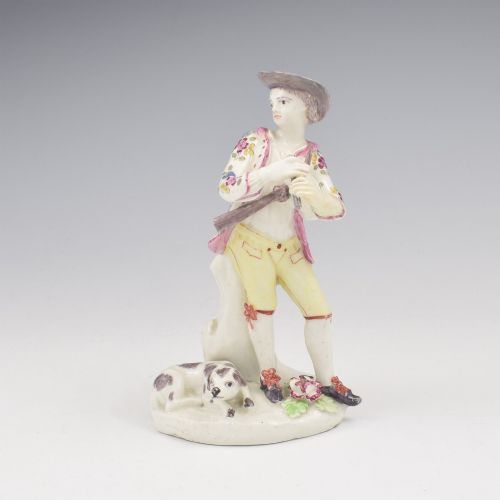
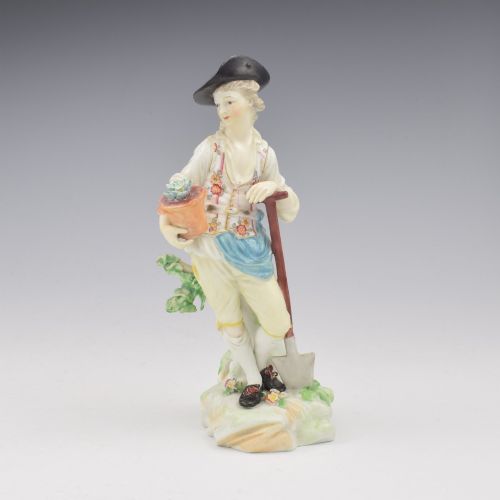
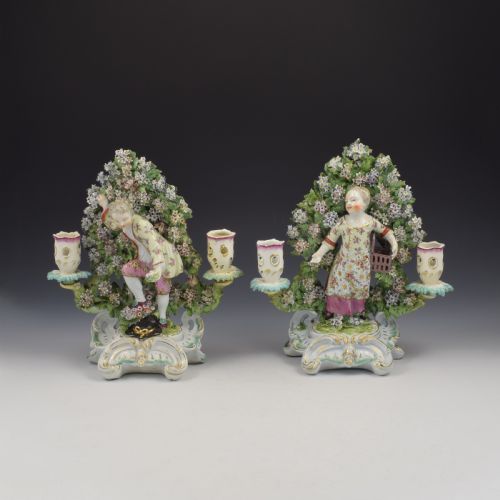
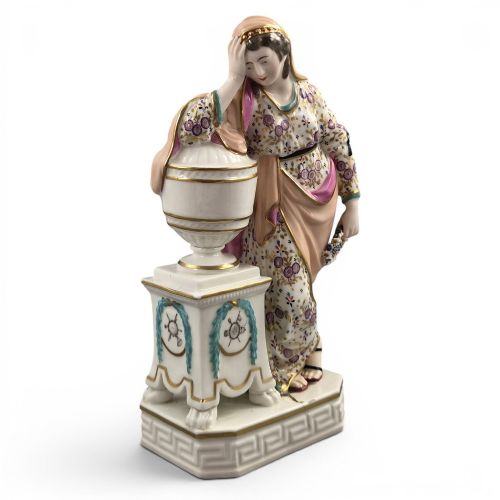
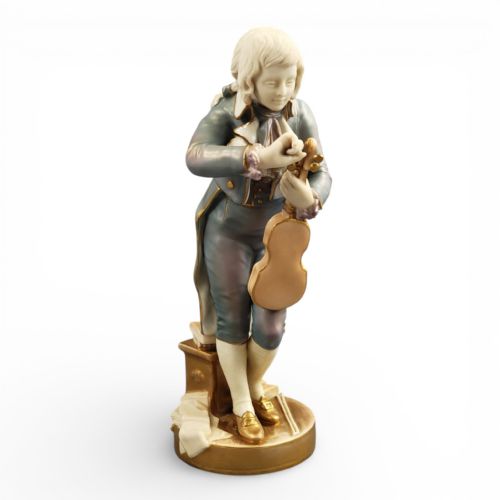
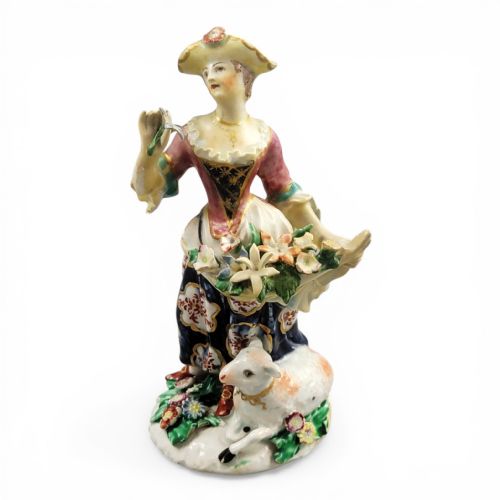
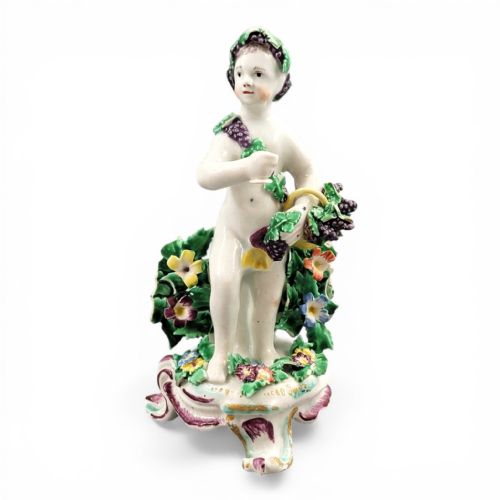
When searching for antique soft paste figures, buyers encounter eighteenth-century porcelain sculptural works that span allegorical representations, mythological deities, and pastoral characters. The selection on this page leans heavily toward eighteenth-century English factories, with Derby and Bow dominating the forms alongside occasional pieces from Chelsea and Longton Hall.
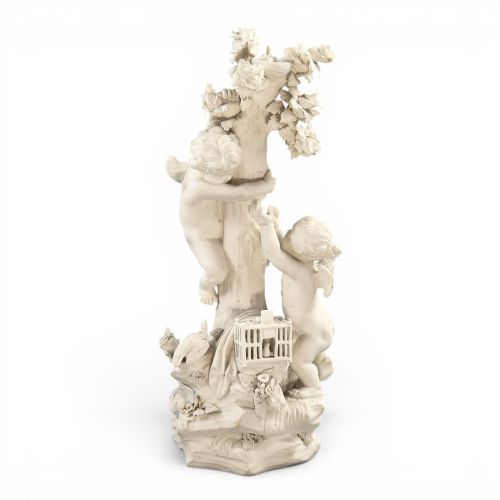
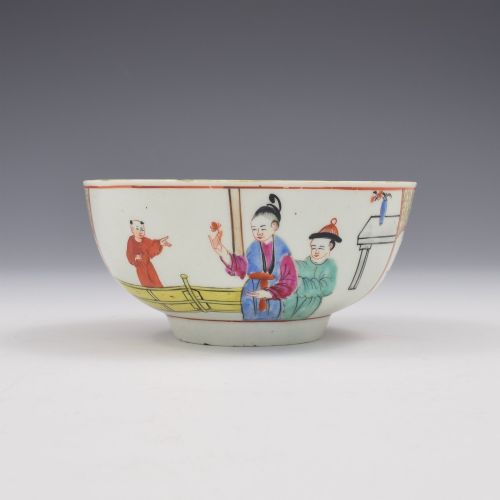
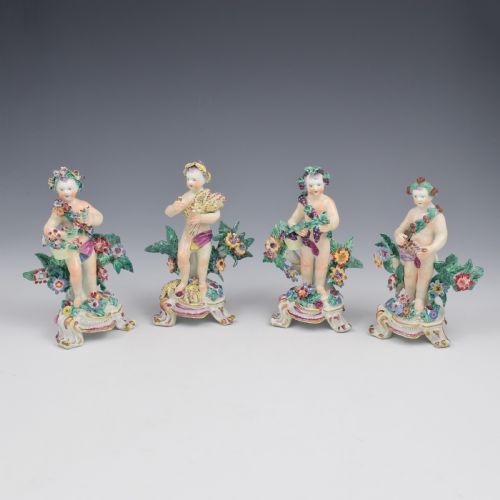
The objects take many shapes, from single putti and seated musicians to complex candlestick groups framed by bocage foliage. Alongside standalone figurines, the listings include utilitarian table wares such as sauce boats and slop bowls painted with figures, demonstrating how early ceramic technology applied human forms to various domestic items.
Most pieces date from the Georgian era, specifically the mid to late eighteenth century, reflecting the primary period of soft paste porcelain production before bone china transformed the industry. Collectors find both biscuit porcelain without glaze and brightly enamelled figures enriched with gilding.
How they were made
Makers formed these early figures using soft paste porcelain body mixtures composed of white clay, glass frits, and ground minerals rather than hard paste kaolin. This fragile composition required lower kiln temperatures, which caused the glaze and body to fuse together into a characteristic warm tone.
Painters applied enamels directly over the glaze or onto prepared surfaces, often finishing details with gold leaf and gilding to highlight garments and bocage backgrounds. Many figures relied on multi-part mould casting followed by manual hand-finishing by skilled modellers before firing.
Antique Soft Paste Figures Retail Price Guide 2026
Typical asking prices for soft paste figures among the pieces listed under this phrase on Sellingantiques today, from the lower quarter to the upper quarter. They describe what is for sale here now, not the wider market.
Listings feature eighteenth-century soft-paste figures predominantly from English factories such as Bow and Derby, utilising enamels, gilding, and bocage.
What varies in quality
Enamel application and gilding preservation distinguish the highest grade items, as skilled painting elevates a standard rustic figurine into a vibrant work of art. The integrity of the soft paste body and the survival of fragile appendages like fingers and floral sprays heavily influence the overall standard of any surviving figure.
Derby Porcelain·Bow Porcelain·Longton Hall·Chelsea Porcelain·William Duesbury And Co·Royal Worcester
The Antique Soft Paste Figures Glossary
- Soft-paste porcelain
- A ceramic composition made from glass frits, white clay, and other materials fired at lower temperatures than hard paste porcelain. It yields a creamy body and a distinctive warm glaze texture.
- Bocage
- An applied background of ceramic foliage and leaves framing a figurine or candlestick. This leafy arbor style defines many mid-eighteenth-century English porcelain groups.
- Biscuit
- Unglazed porcelain fired once to harden the clay without a shiny surface finish. Derby factories utilised this matte material to highlight neoclassical sculptural contours.
- Enamel
- Coloured metallic oxide paints fused onto the ceramic surface during a secondary low-temperature kiln firing. These pigments provide the bright reds, blues, and greens seen on period garments.
- Putto
- A plump male child figure often depicted with wings in allegorical groupings representing seasons or elements. Eighteenth-century modellers borrowed this classical motif widely from Italian art.
Antique Soft Paste Figures: Frequently Asked Questions
How do I identify soft paste porcelain?
Soft paste porcelain often reveals a slightly creamy or granular fracture under magnification and lacks the cold, hard vitrification of true oriental hard paste. It absorbs light differently and usually feels warmer to the touch.
Inspect the base for unglazed areas known as firecracks or pinholes, which frequently occur in early English kilns due to the unstable nature of the glass-rich body.
What is bocage on figures?
Bocage is the decorative tree and leaf background applied behind eighteenth-century figurines and candlesticks to create a naturalistic garden setting. Modelled by hand or pressed in moulds, these leafy branches surround the central characters.
Collectors prize intact bocage work, though the delicate foliage is notoriously susceptible to historical losses and restoration over centuries of display.
Are these figures glazed or unglazed?
Many figures feature a glossy translucent glaze that covers the enamelled colours, while others remain entirely unglazed in a matte state known as biscuit porcelain. Biscuit porcelain became especially popular at Derby for replicating classical marble sculpture.
Both finishes occur across the eighteenth century, depending on the specific factory aesthetic and whether the model imitated contemporary French sculptural trends.
How were these figures used originally?
Figures served primarily as decorative ornaments for formal dining tables, mantelpieces, and display cabinets in Georgian homes. Candlestick variants combined illumination with allegorical sculpture for evening gatherings.
Wealthy households used matching sets representing the four seasons, the continents, or musical themes to demonstrate cultural refinement and host conversation among guests.