


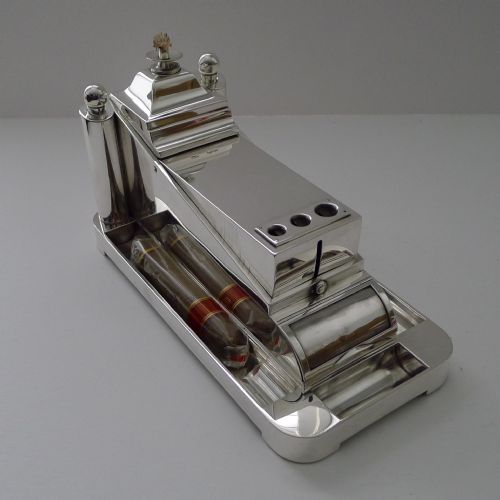
Antique Smokers Accessory
An antique smokers accessory brings together the refined social rituals of past centuries in materials from solid silver to polished mahogany.
Antique Smokers Accessory
An antique smokers accessory encompasses a broad range of domestic implements created to store, light, and extinguish tobacco products across the eighteenth, nineteenth, and twentieth centuries. Buyers searching this category typically encounter items designed for personal pocket use or formal room display, reflecting changing social habits.
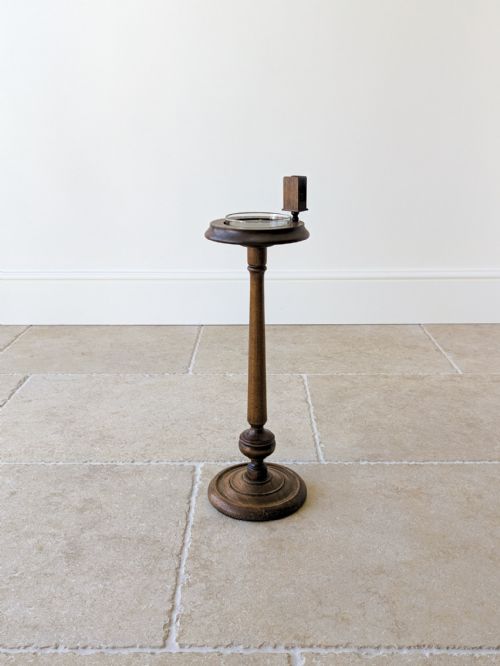
The selection ranges from small pocket items like vesta cases and cigar cutters to substantial room pieces such as floor-standing smoking stands and tabletop compendiums. Most examples date from the Victorian and Edwardian eras, utilising traditional cabinet woods and precious metals.
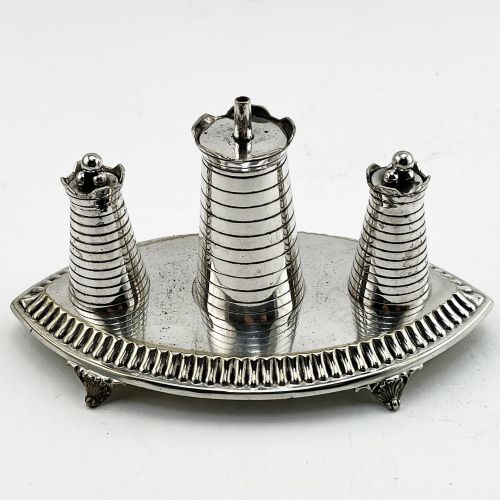
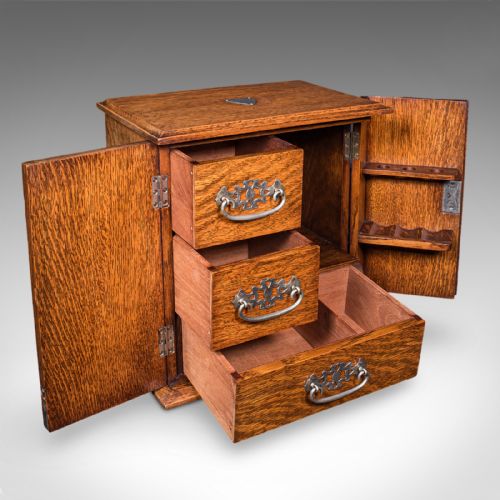
Table lighters, smoking cabinets, and ashtrays dominate the larger domestic forms, often incorporating specialised compartments for pipes, matches, and cigars. These objects served both a practical function in period homes and a decorative role in parlours and studies.
How they were made
Makers utilised sterling silver and silver plate for portable items such as cigar cases and vesta cases, applying detailed repoussé work, engraving, and enamel decoration. Metalworking techniques also shaped functional steel ember tongs and complex mechanical table lighters.
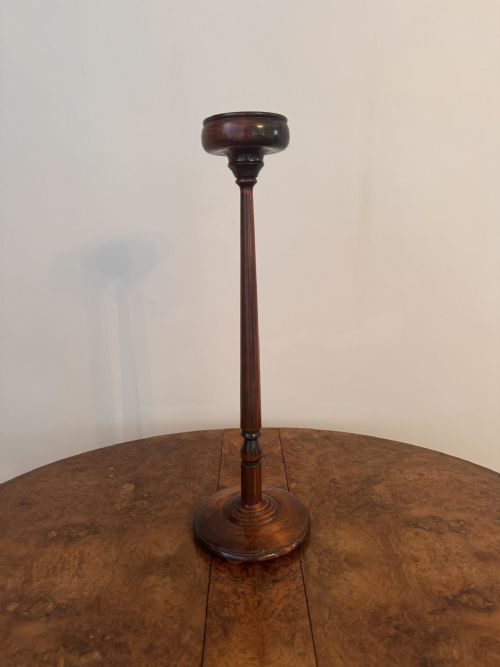
Cabinetmakers constructed floor-standing smokers stands and smoking cabinets primarily from mahogany and oak, frequently incorporating fitted interiors with glass and metal components. These larger pieces relied on traditional joinery to support heavy compartments and specialised storage trays.
One piece takes the shape of a miniature fire carriage on wheels, proving that Victorians loved their matches delivered with theatrical flair.
What varies in quality
The distinction between standard production and superior craftsmanship lies in the weight of the metal, the precision of the joinery, and the integrity of any mechanical actions. Sterling silver pieces with clear hallmarks by recognised makers demonstrate a higher grade of material than silver-plated or nickel alternatives.
Novelty forms and architectural compendiums exhibit varying degrees of sculptural detail and ingenuity in their design. Well-preserved internal fittings, original glass inserts, and intact wooden finishes elevate the character of a piece.
John Grinsell & Sons
The Antique Smokers Accessory Glossary
- Vesta case
- A small pocket container designed to hold matches, typically featuring a strike surface on the base. These cases were essential personal accessories during the Victorian and Edwardian periods.
- Table lighter
- A mechanical device placed on a surface to provide a flame for cigars or pipes. They often took decorative forms, including novelties shaped like vehicles or architectural elements.
- Smokers compendium
- A multi-functional tabletop or floor-standing set that combined ashtrays, match holders, and cigar storage into a single unit. These comprehensive sets were popular in formal smoking rooms.
- Pipe tamper
- A small tool used to pack tobacco down into the bowl of a pipe evenly. They frequently appeared alongside picks and other maintenance implements in silver.
- Hallmark
- An official stamp applied to precious metals to indicate the standard of purity, the assay office, and the year of manufacture. Sterling silver items often bear these vital historical markers.
Antique Smokers Accessory: Frequently Asked Questions
What is a smokers compendium?
A smokers compendium is a fitted set that houses multiple accessories such as ashtrays, lighters, and cigar storage within one coordinated design. These units were designed for convenience in the Victorian home.
They often incorporated wheeled bases or elaborate novelty shapes to serve as a striking conversation piece on a table or floor.
How do I date a silver vesta case?
Dating a silver vesta case relies on reading the hallmarks stamped onto the metal. These tiny marks indicate the assay office, metal purity, and a specific date letter.
Style and decorative motifs also provide clues, as Victorian and Edwardian pieces frequently displayed distinct engraving patterns and forms.
Where were smoking stands placed?
Smoking stands were typically positioned in studies, smoking rooms, or parlours where gentlemen gathered to smoke pipes or cigars. Their height allowed easy access from an armchair.
Floor-standing wooden versions kept all necessary implements, from matches to pipe cleaners, contained in a single designated spot.
What materials are common in these accessories?
Sterling silver and silver plate appear frequently in smaller pocket items and table lighters. These metals allowed for decorative engraving and hallmarks.
Larger furniture forms relied on sturdy hardwoods like mahogany and oak, often paired with glass inserts and steel components for durability.