



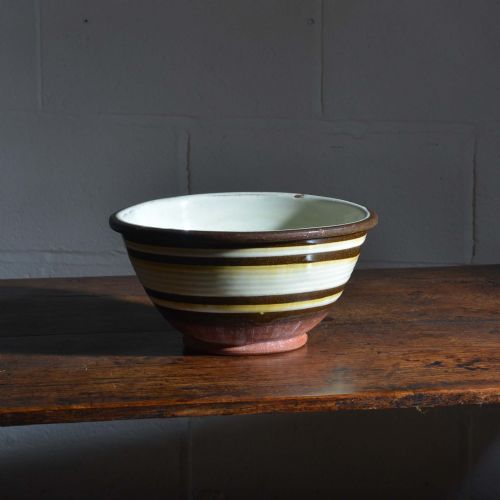
Antique Slipware Pottery
Antique slipware pottery brings earthy, handwritten character into a room through liquid clay decoration baked directly onto terracotta bodies.
Antique Slipware Pottery
When you search for antique slipware pottery, you encounter an array of utilitarian vessels and decorative pieces spanning centuries of ceramic tradition. The forms range from heavy dairy bowls and tavern jugs to delicate studio art pottery and early Persian buffware bowls.
On this page, you are most likely to meet nineteenth-century English and Scottish regional pieces alongside seventeenth-century Dutch and English examples. These utilitarian items carry the unmistakable marks of domestic and rural life from periods reaching back to the tenth century.
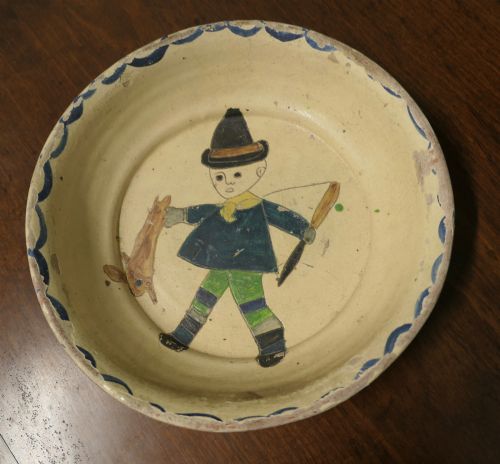
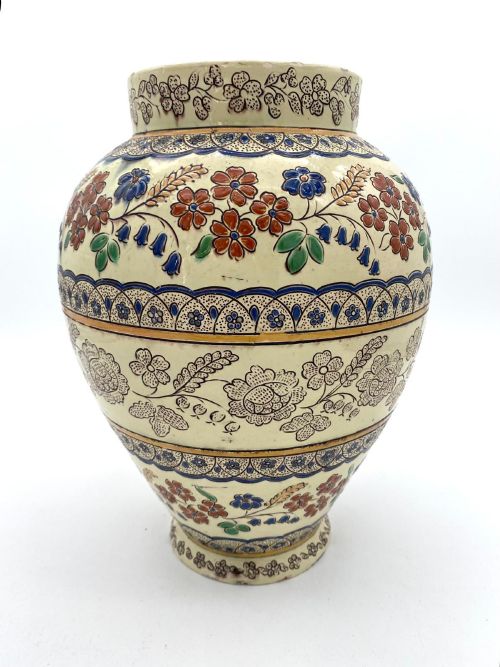
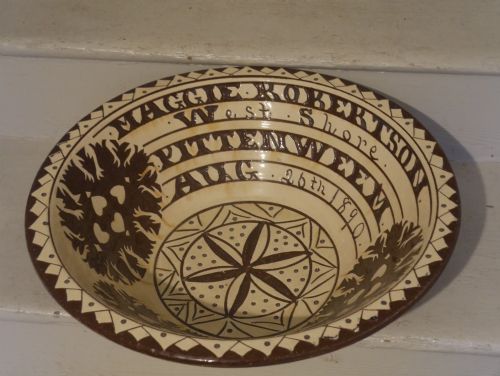
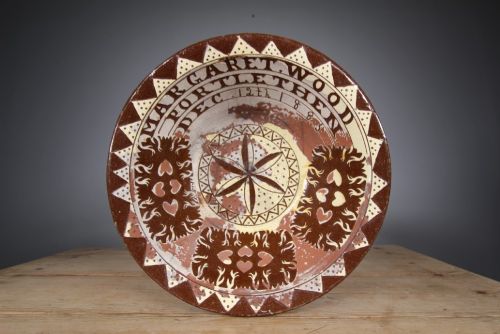
The selection encompasses diverse regional styles, including Arts and Crafts creations, Victorian folk art, and rustic country pottery. Each object demonstrates how makers applied liquid clay, or slip, to achieve contrasting surface patterns before firing.
What varies in quality
The distinction between ordinary and exceptional pieces rests on the confidence and expressiveness of the slip decoration. Boldly executed trailing and clear figurative painting demonstrate a potter's steady hand and artistic intent.
Provenance and historical weight elevate certain vessels, particularly when associated with notable studio potteries or documented regional kilns. The integrity of the glaze and the preservation of the original terracotta body further distinguish museum-worthy examples from everyday survivals.
Antique Slipware Pottery Retail Price Guide 2026
Typical asking prices for slipware pottery among the pieces listed under this phrase on Sellingantiques today, from the lower quarter to the upper quarter. They describe what is for sale here now, not the wider market.
A tenth-century Nishapur bowl depicts a solitary seated figure, proving early potters loved a quiet portrait just as much as we do.
Sir Edmund Elton·Burmantofts Faience Pottery·Seaton Pottery
The Antique Slipware Pottery Glossary
- Slip
- A liquid suspension of clay and water used for decorating or casting pottery. Potters trail or paint it onto a drier clay body to create contrasting patterns.
- Earthenware
- Porous pottery fired at relatively low temperatures. It requires a glaze to become impermeable to liquids and forms the traditional base of slipware.
- Lead glaze
- A glossy coating containing lead compounds applied to pottery before firing. It melts in the kiln to seal the porous clay and deepen surface colours.
- Terracotta
- Unglazed or glazed fired brownish-red earthenware. This material provides the foundational reddish body seen across many historical slipware pieces.
- Agateware
- Pottery made from layers of different coloured clays mixed together to resemble natural stone. This technique creates marbled patterns running entirely through the body of the vessel.
Antique Slipware Pottery: Frequently Asked Questions
What is antique slipware pottery?
Antique slipware pottery consists of ceramic vessels decorated with a liquefied clay mixture applied to a contrasting clay body before firing. These pieces include utilitarian kitchenware, tavern jugs, and decorative studio art from various historical eras.
Craftsmen across different centuries utilised this technique to add patterns, inscriptions, and pictorial scenes to everyday earthenware and terracotta objects.
How do I date a slipware piece?
Dating relies on stylistic clues, form characteristics, regional traditions, and specific recording techniques used by known potteries. Seventeenth-century examples often display robust domestic forms, while nineteenth-century items reflect evolving regional output and early studio movements.
Examining the type of glaze, clay body, and wear patterns helps place a piece within its historical period, from tenth-century Persian bowls to Edwardian folk pottery.
Can I use antique slipware for food?
Using antique slipware for daily food and drink is generally discouraged due to the historical composition of lead glazes and the fragility of aged earthenware. Porous historic bodies and surface degradation from centuries past mean these items are best preserved for display.
Appreciating these vessels as historic objects protects them from modern chemical wear and structural damage.
How do I display slipware at home?
Displaying slipware involves placing heavy pieces like dairy bowls or tavern jugs on stable surfaces where their warm terracotta tones and slip decorations can be seen. Good lighting highlights the contrast between the liquid clay trails and the underlying glaze.
Keeping them away from direct sunlight and high-moisture areas ensures the earthenware remains stable and protected in a domestic setting.