

Antique Single Desk
An antique single desk brings compact utility and period character to a room, offering a dedicated writing surface without dominating the floor space.
Antique Single Desk
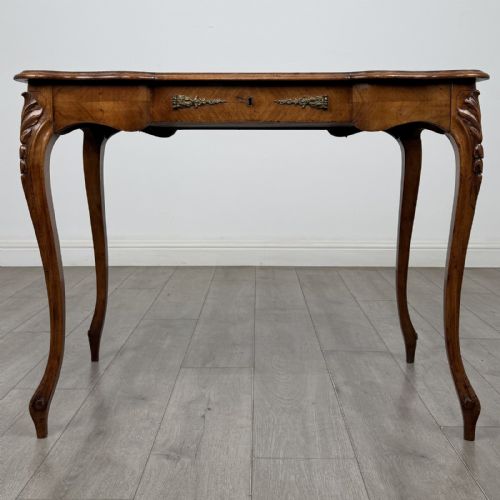
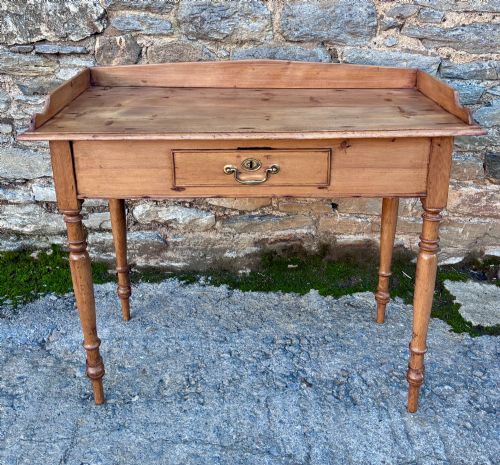
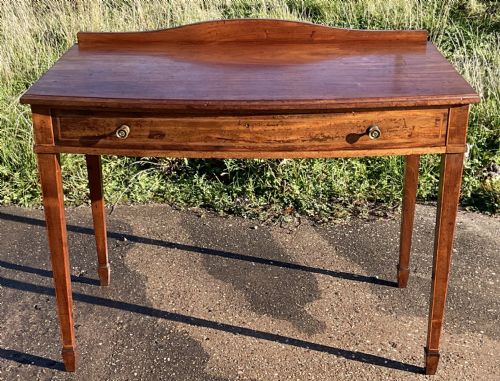
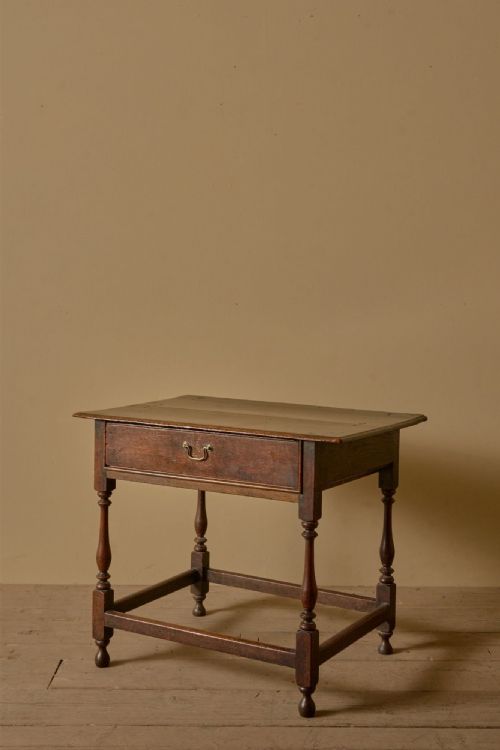
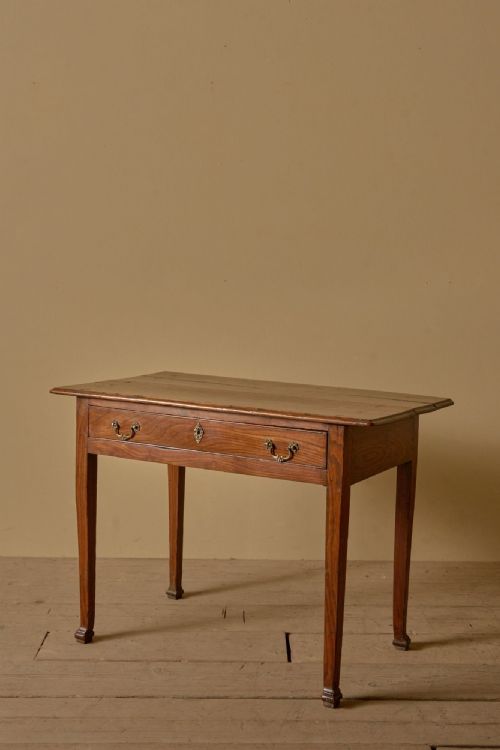
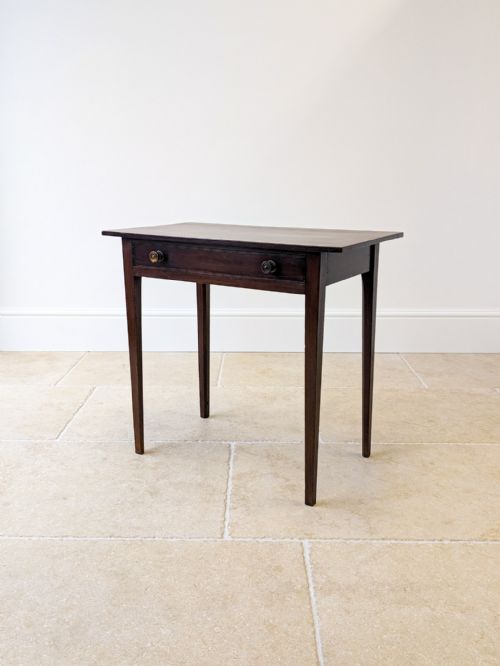
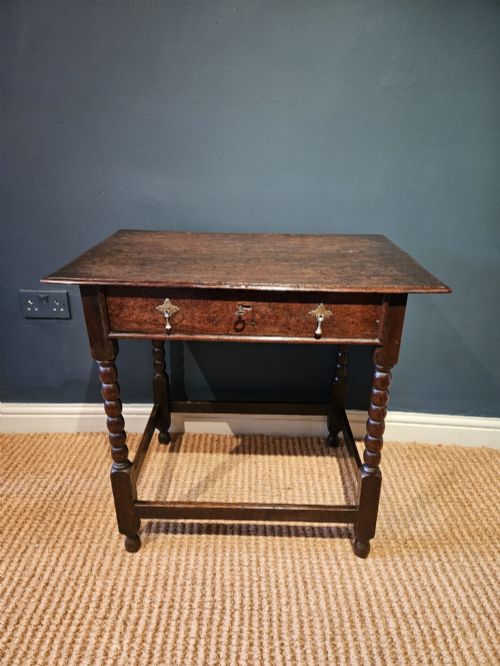
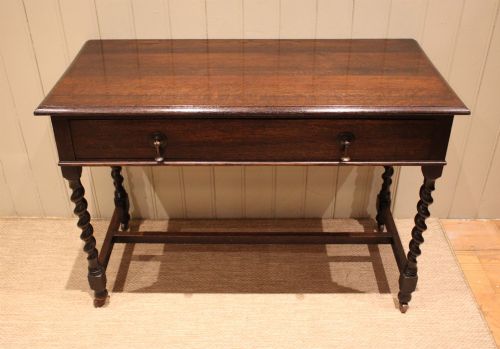
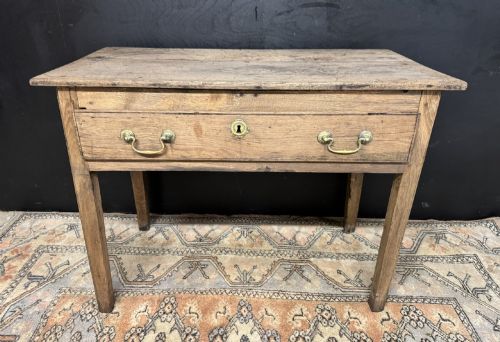
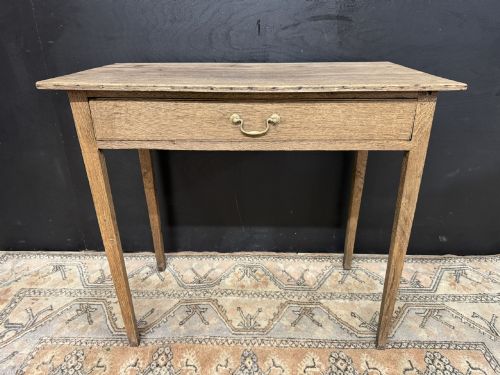
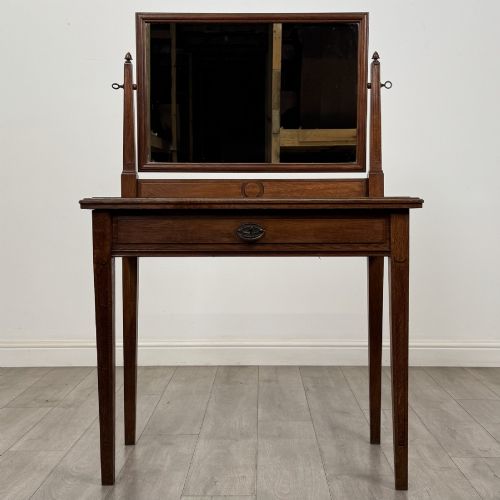
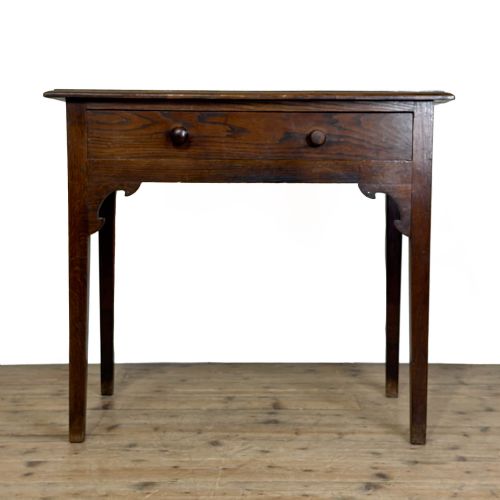
An antique single desk typically presents as a compact writing table, lowboy, or single-drawer side table originating from the eighteenth and nineteenth centuries. These pieces span Georgian, Victorian, and Edwardian periods, reflecting changing domestic requirements for personal correspondence and home administration.
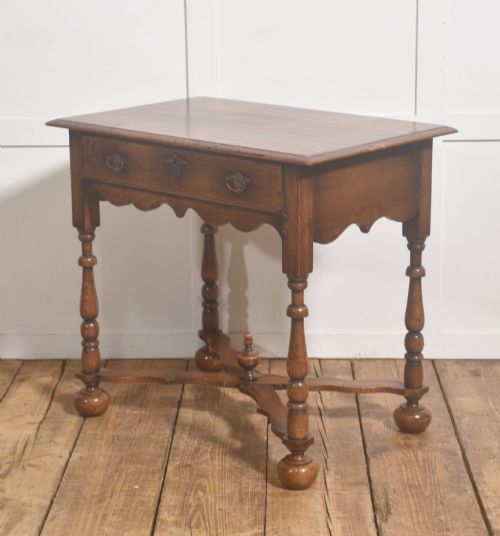
The most common forms encountered on this page are mahogany writing tables and oak lowboys featuring a single drawer to the front frieze. These items served secondary roles in larger households as dressing tables or hall tables before finding new utility in modern home offices.
Materials and construction methods
Cabinet makers relied heavily on timber species such as mahogany, oak, elm, and walnut, selecting them for structural resilience and grain figure. Secondary timbers like pine often appeared in internal drawer construction.
Joinery techniques included hand-cut dovetails for drawers and mortise and tenon frames, ensuring durability across centuries of daily use. Surfaces were finished with traditional polish or paint, sometimes complemented by brass handles and leather writing inserts.
Antique Single Desk Retail Price Guide 2026
Typical asking prices for single desk among the pieces listed under this phrase on Sellingantiques today, from the lower quarter to the upper quarter. They describe what is for sale here now, not the wider market.
Several single desks retain ink stains inside their drawers, offering a quiet, permanent trace of past letter writers at work.
Assessing craftsmanship and condition
Quality separates pieces through the crispness of timber mouldings, the neatness of dovetail joints, and the selection of figured veneers or solid planks. Finer examples retain original brass hardware and proportional balance, whereas lower tiers show coarse repairs or replacement elements.
The integrity of the timber movement and the retention of original surface patination dictate the standing of a desk. Original painted finishes or rich, untouched French polish elevate a piece far above one that has suffered aggressive modern stripping.
The Antique Single Desk Glossary
- Lowboy
- A small eighteenth-century dressing or side table featuring one or more rows of drawers beneath a flat top. They often double as compact writing desks in modern interiors.
- Frieze
- The horizontal band running directly beneath the top surface of a table or desk. This area frequently houses the single drawer characteristic of these forms.
- Dovetail
- A traditional wood joint formed by interlocking wedge-shaped fingers. Hand-cut dovetails indicate older cabinet making methods prior to mass production.
- Patina
- The surface sheen and colour acquired by wood and metal through age, handling, and exposure to light. It serves as a visual indicator of authenticity.
- Carver
- An armchair, traditionally designed with arms to match a set of smaller dining or side chairs. These frequently serve as desk chairs in period settings.
Antique Single Desk: Frequently Asked Questions
How were these desks used originally?
These compact pieces served primarily for personal correspondence, household accounts, and letter writing in private chambers or parlours. They provided a stable surface for inkwells and paper without requiring the large footprint of a full pedestal partner desk.
Over time, many adapted to multiple domestic roles, moving from bedrooms as dressing tables to hallways as console surfaces before settling into modern home offices.
Can I use an antique side table as a desk?
Many eighteenth and nineteenth-century side tables and lowboys function effectively as writing desks because their proportions align closely with standard desk heights. The single drawer beneath the top provides convenient storage for modern stationery and laptops.
Knee clearance varies significantly on older tables compared to modern office furniture, so checking the internal dimensions beneath the frieze rail is essential for comfort.
How do I distinguish Georgian from Victorian pieces?
Georgian furniture, spanning the eighteenth and early nineteenth centuries, generally exhibits restrained classical proportions, elegant mahogany or oak grain, and understated bracket feet or straight legs. Decoration focuses on subtle carving rather than heavy ornamentation.
Victorian pieces from the mid to late nineteenth century often display denser timbers, darker ebonised finishes, or more robust turned legs reflecting industrial-era manufacturing capabilities and changing aesthetic tastes.
What is an Edwardian oak desk like?
Edwardian desks from the early twentieth century lean towards lighter oak construction and simpler domestic utility. They frequently incorporate Arts and Crafts influences, showing honest construction methods and minimal surface carving.
These pieces tend to feel brighter in a room due to the paler golden oak tones popular during the period, fitting comfortably into smaller contemporary study spaces.