





Antique Silverware Case
An antique silverware case holds precious dining tools and personal items securely, often lined in velvet or silk.
Antique Silverware Case
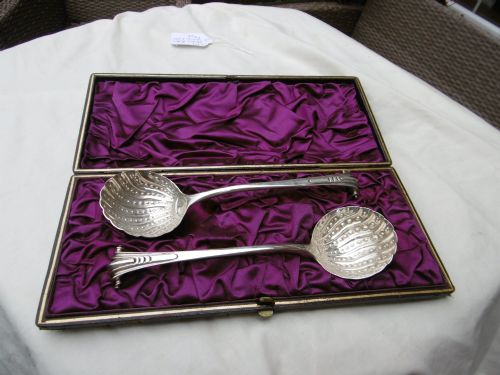
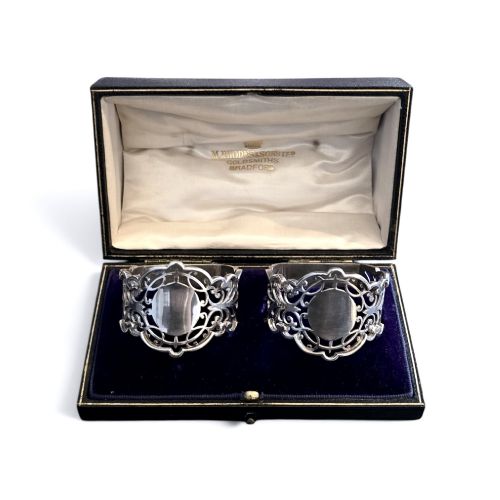
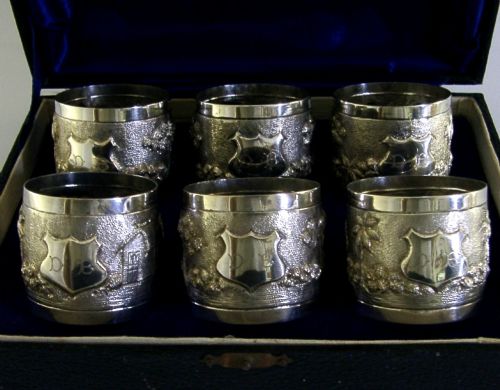
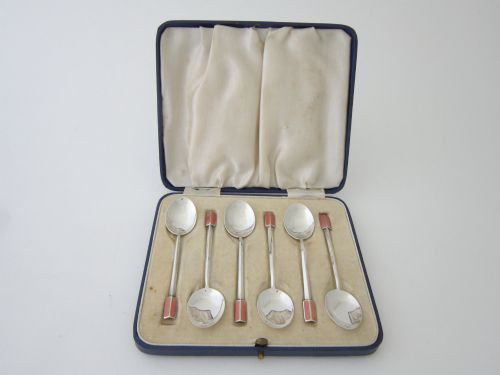
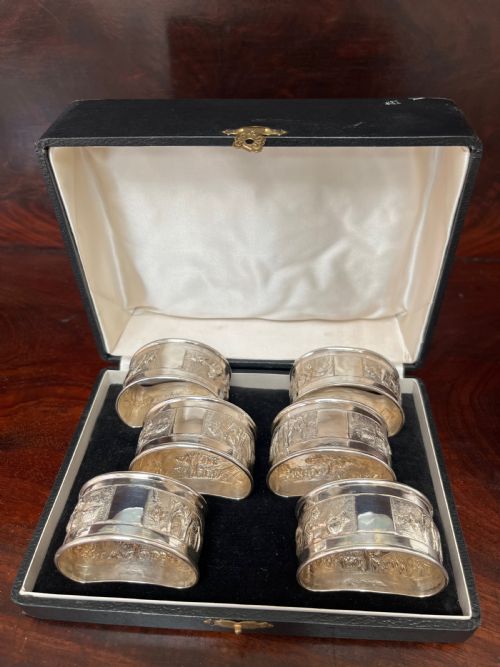
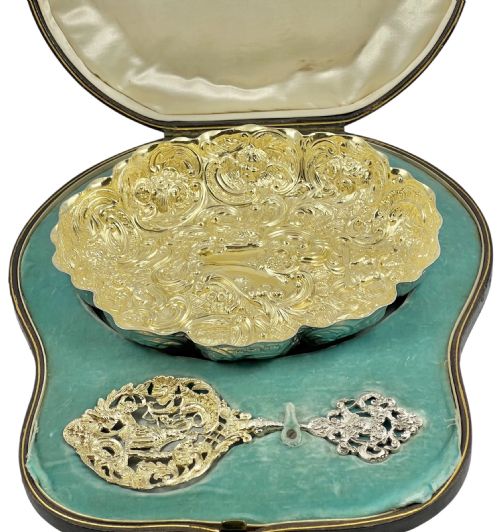
An antique silverware case encompasses protective housings and fitted canteens designed to hold dining implements, napkin rings, and small serving pieces. When searching for an antique silverware case, buyers encounter items ranging from Victorian christening sets and sugar bowls to Edwardian card cases and Art Deco coffee spoons.
The selections span periods from the Victorian era through Edwardian and 1930s designs, utilising durable exterior shells like leather, leatherette, and walnut. Interior linings typically consist of soft velvet or silk to cushion sterling silver and silver-gilt objects safely against movement.
Materials and construction
Exterior protection relies on fitted wooden structures covered in leather, leatherette, or walnut, offering sturdy containment for delicate contents. Campaign styles utilise robust outer housings built for travel, whilst other boxes serve static storage.
Interiors feature tailored compartments lined with velvet or silk, securing sterling silver, silver-gilt, and enamel implements such as spoons, salt cellars, and grape scissors.
Antique Silverware Case Retail Price Guide 2026
Typical asking prices for silverware case among the pieces listed under this phrase on Sellingantiques today, from the lower quarter to the upper quarter. They describe what is for sale here now, not the wider market.
Listings feature periods spanning the Victorian era, Edwardian years, and the 1930s, utilising materials such as sterling silver, velvet, silk, and walnut.
Quality and craftsmanship
Superior examples feature heavy solid sterling silver components alongside meticulously fitted enclosures lined in undamaged silk or velvet. Inferior or later iterations may display thinner metal gauges, compromised hinges, or replacement interior linings that lack original cohesion.
The integration of decorative elements like vitreous enamel or parcel-gilt finishes distinguishes standard utilitarian sets from more ambitious artistic productions.
Martin Hall & Co·Liberty & Co·Waring & Gillows·Robert Stebbings
The Antique Silverware Case Glossary
- Sterling Silver
- An alloy containing 92.5 percent silver by mass, widely utilised for durable tableware and decorative accessories.
- Silver-Gilt
- Silver objects that have been coated with a thin layer of gold on the exterior or interior surfaces.
- Vitreous Enamel
- A material made by fusing powdered glass to a metallic substrate at high temperatures, creating smooth decorative coloured surfaces.
- Campaign
- Portable furniture and dining equipment constructed for travel during military campaigns or colonial journeys.
- Napkin Rings
- Small circular bands placed beside dining settings to identify individual napkins during meals.
Antique Silverware Case: Frequently Asked Questions
What items go into an antique silverware case?
These housings traditionally contain matched sets of spoons, napkin rings, sugar tongs, butter knives, or specialised serving tools like grape scissors. Many also protect personal items such as card cases.
The fitted interiors ensure each piece rests securely in its own designated slot, preventing friction damage between metal surfaces during storage or transport.
How should I clean a silver case interior?
Velvet and silk linings require gentle dusting with a soft brush rather than liquid cleaners, which can stain or dissolve historic adhesives. Metal implements should be removed before any maintenance.
Silver components benefit from specialised polishing cloths used sparingly to avoid wearing away thin gilt layers or damaging adjacent fabric linings.
How do I identify Victorian cases?
Victorian examples often display ornate chased decoration, silver-gilt finishes, or robust wooden structures covered in leather. Hallmark stamps on the silver components help confirm exact production dates.
The architectural styles and heavier gauges of silver reflect the manufacturing standards typical of the nineteenth century.
Can I use these cases daily?
Many sets remain fully functional for regular dining use, provided the exterior hinges and interior fabric linings retain their structural integrity. Careful handling preserves the delicate textiles.
For fragile pieces featuring vitreous enamel or antique silk, occasional display or careful special-occasion use helps prevent unnecessary wear.