



Antique Silverware Boxes
These antique silverware boxes range from sturdy oak canteens to fitted mahogany cabinets, offering secure storage and handsome presentation for precious flatware and table services.
Antique Silverware Boxes
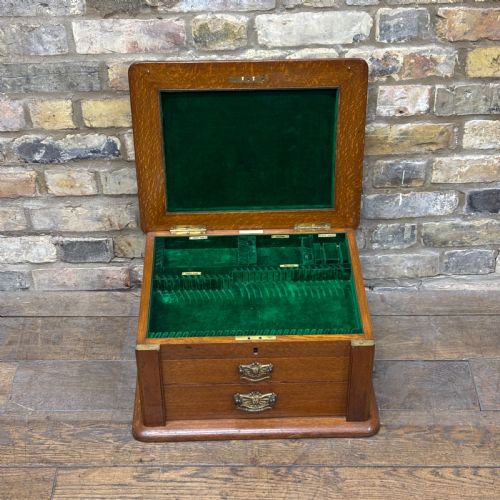
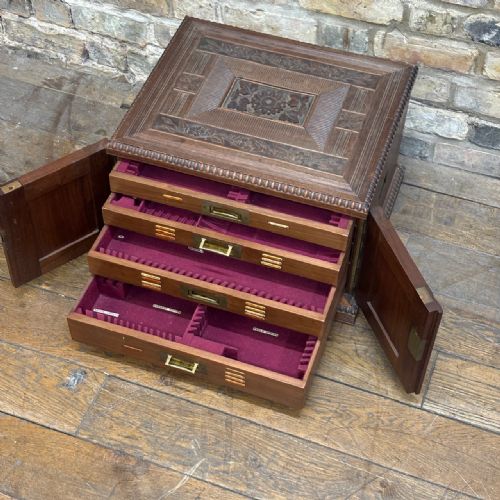
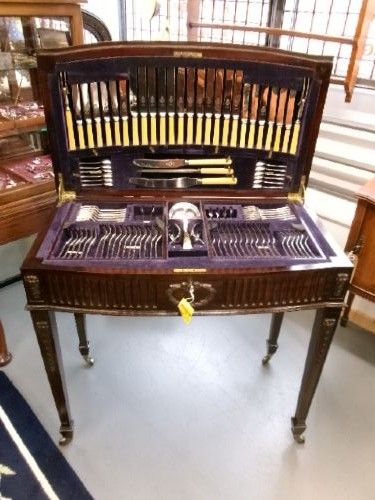
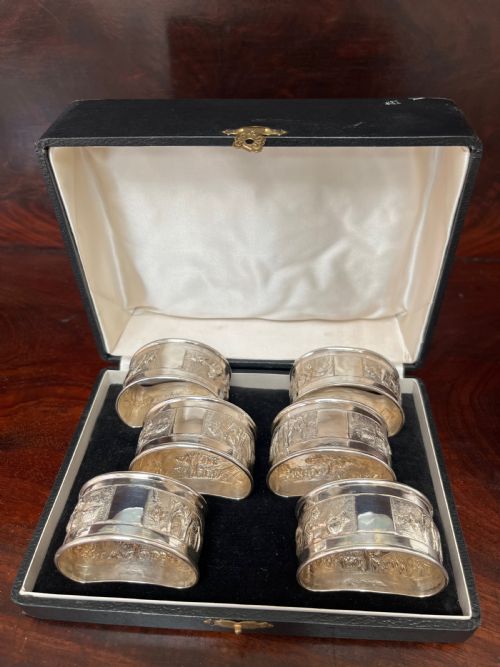
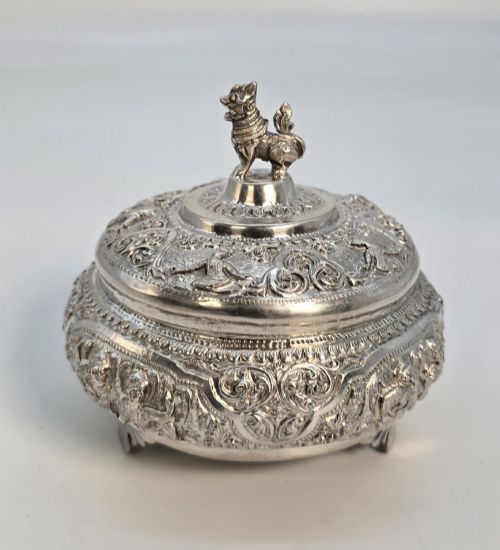
When you search for antique silverware boxes, you encounter an array of specialised vessels designed to store, organise and protect domestic metalware. These items encompass fitted cabinets, tea caddies, flatware chests and travel trunks spanning periods from the Georgian era through to the mid-twentieth century. Oak and mahogany serve as the primary woods for the larger furniture-grade pieces, while interior linings often feature velvet or silk.
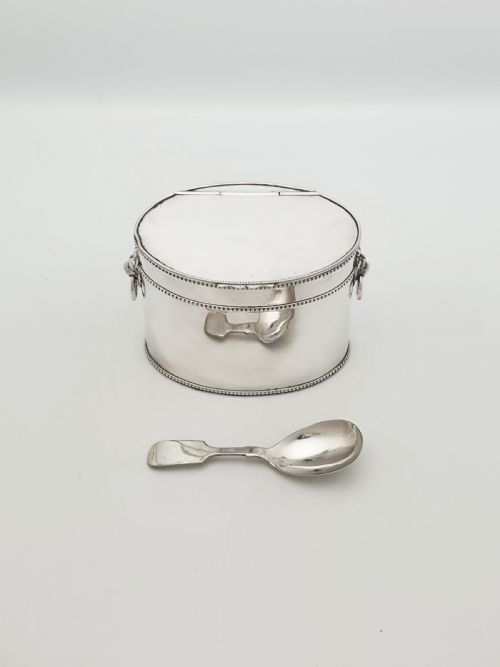
The selection on this page leans heavily toward Edwardian and Victorian examples, alongside distinct styles such as Arts and Crafts, Art Deco and Georgian Revival. You will find tabletop tea caddies with lion mask handles, extensive canteens housing complete cutlery sets, and campaign trunks intended for travel. Each form reflects the domestic habits and dining customs of its specific period of manufacture.
Materials and Construction
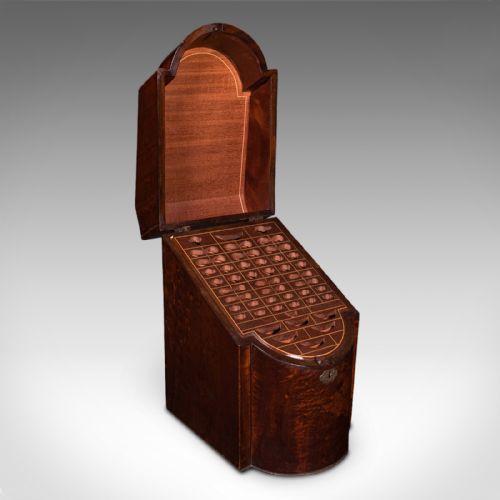
Cabinetmakers utilised robust timber frameworks of mahogany, oak, walnut and coromandel to build the exterior carcasses of these storage pieces. Solid woods and fine veneers provide structural stability, housing partitioned interiors designed specifically to keep flatware, tea services and small implements from shifting.
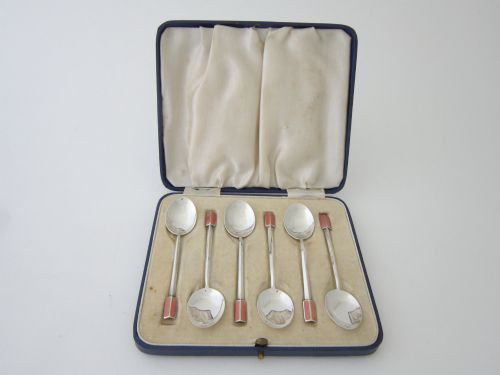
Interiors were routinely lined with tactile textiles including velvet and silk to cushion silver surfaces against abrasion. Metal hardware such as brass handles, hinges and escutcheons complemented the timber exteriors, while exterior decoration ranged from plain polished grains to intricate embossed folk motifs and enamel detailing.
Antique Silverware Boxes Retail Price Guide 2026
Typical asking prices for silverware boxes among the pieces listed under this phrase on Sellingantiques today, from the lower quarter to the upper quarter. They describe what is for sale here now, not the wider market.
Assessing Craftsmanship and Condition
Superior examples distinguish themselves through the precision of their internal joinery, the quality of the timber selection, and the intact state of their original textile linings. Finer boxes display well-fitted compartments, sound hinges, and unwarped cabinet doors that align correctly with their frames.
At the higher end, makers integrated bespoke storage solutions tailored to precise cutlery counts or specific tea wares, often pairing solid silver fittings with precious woods like coromandel. Poorer examples show uneven timber fading, replaced hardware, or heavily worn interior fabrics that compromise the original presentation.
Martin Hall And Co·Walker And Hall·Mappin And Webb·Waring And Gillows·Omar Ramsden·Robert Stebbings
The Antique Silverware Boxes Glossary
- Canteen
- A fitted box, chest or cabinet designed specifically to hold a set of cutlery or flatware in organised slots. These containers ensure each fork, knife and spoon remains separated and secure.
- Tea Caddy
- A small vessel constructed to store loose tea leaves securely before brewing. Antique versions frequently incorporate internal lids or compartments.
- Escutcheon
- A protective flat metal plate surrounding a keyhole on a cabinet door or box lid. It prevents the surrounding wood from becoming scratched or worn by the key.
- Silver-Gilt
- Silver that has been coated with a thin layer of gold across its surface. This technique provides the rich colour of gold combined with the substantial weight of silver underneath.
- Campaign Trunk
- A portable storage chest built for travel during military campaigns or long journeys. These trunks typically feature robust handles and reinforced corners for durability.
Antique Silverware Boxes: Frequently Asked Questions
What are antique silverware boxes used for?
These boxes provide dedicated storage and organisation for flatware, tea wares and dining accessories. They keep delicate items protected from dust and tarnish when not in use.
Larger cabinets and canteens allow owners to house entire sets of cutlery in fitted compartments, preventing pieces from rubbing together and scratching.
How do I date an oak cutlery canteen?
Dating relies on examining the construction methods, wood selection, and any accompanying hallmarks on the internal flatware. Edwardian canteens often feature heavy oak frames and brass hardware.
Interior lining materials and style traits such as Arts and Crafts simplicity or Victorian ornamentation also help narrow down the period of manufacture.
Can I use a tea caddy for storage today?
These lidded vessels work well for holding small contemporary items such as jewellery, keys or dry goods. Their partitioned interiors remain practical for modern organisation.
Care should be taken to protect delicate silk or velvet linings from moisture and sharp objects to preserve the interior fabric.
How should I care for mahogany and walnut boxes?
Maintain the timber by keeping pieces away from direct sunlight and sudden temperature changes that can cause wood to split. Dust regularly with a soft cloth.
Avoid heavy liquid polishes and instead use appropriate wax sparingly to nourish the grain and preserve the historic finish of the wood.