




Antique Silver Wristlet
An antique silver wristlet brings together the decorative work of the Victorian, Edwardian, and Art Deco periods on the arm.
Antique Silver Wristlet
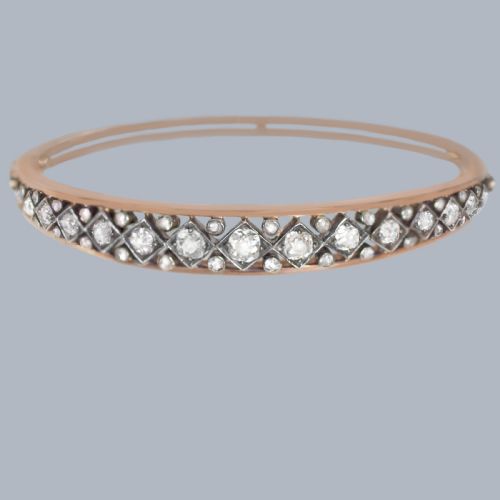
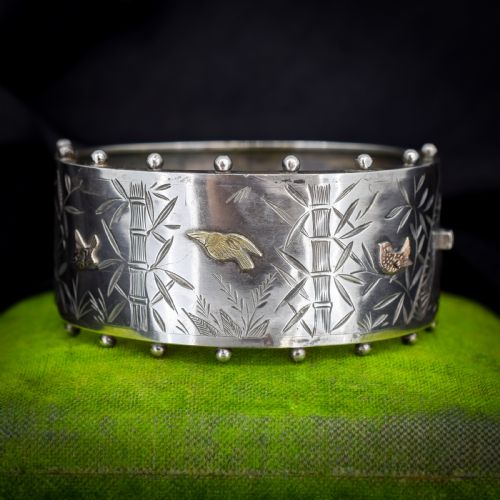
An antique silver wristlet encompasses a variety of arm ornaments, including cuff bangles, link bracelets, and military trench watches from periods spanning the nineteenth and twentieth centuries. Buyers searching for an antique silver wristlet will encounter pieces ranging from Victorian bird cuffs and diamond settings to Art Deco enamel and silver filigree designs.
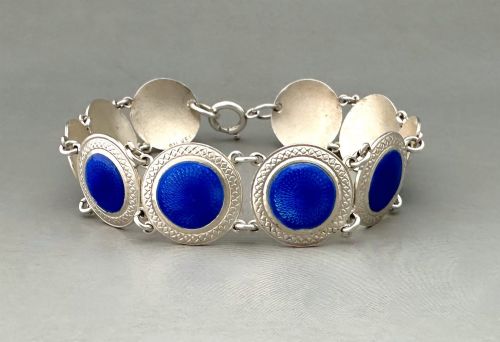
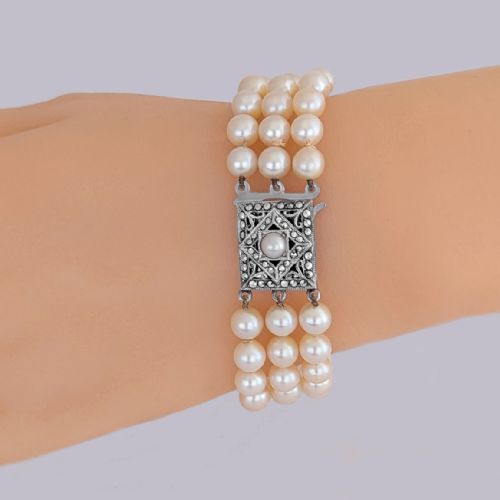
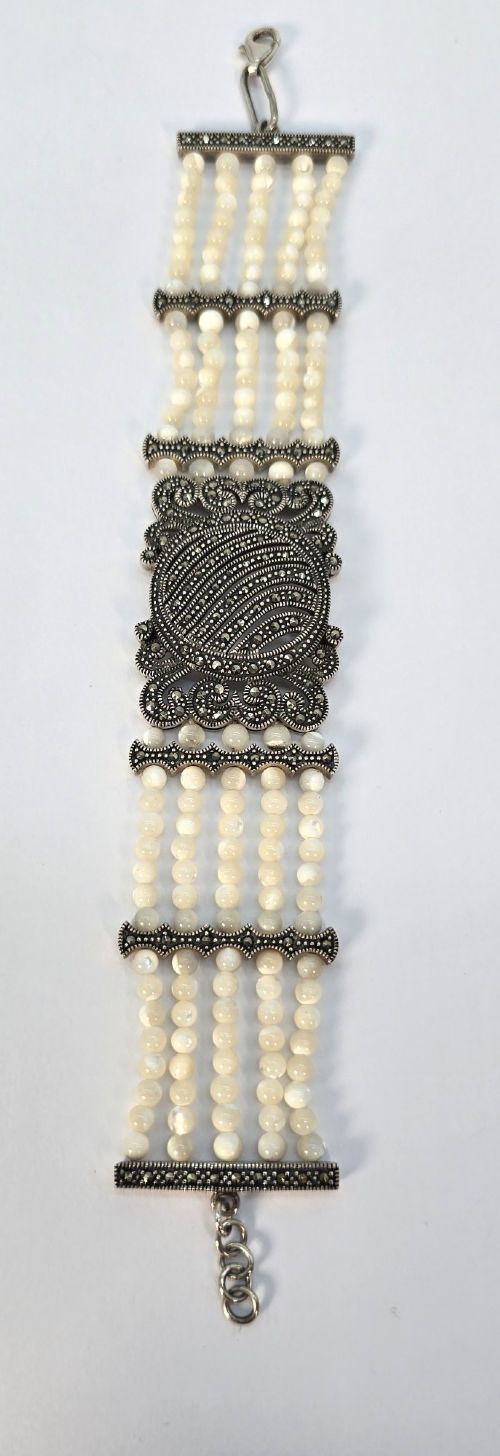
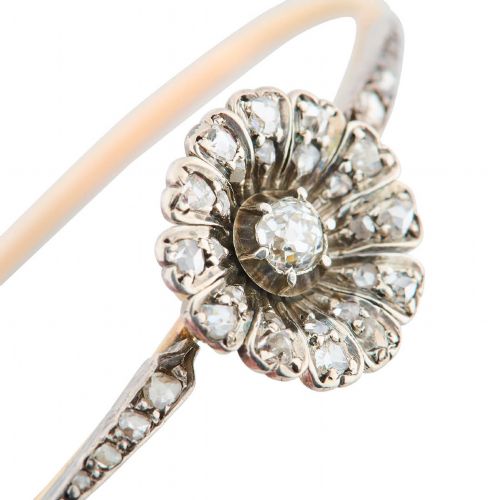
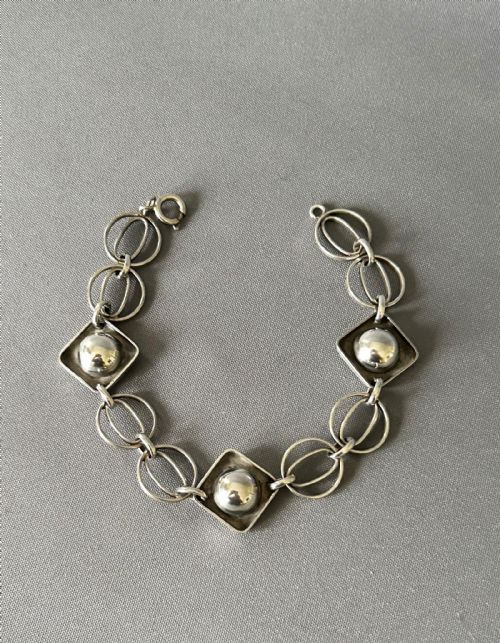
The selection on this page demonstrates styles from Victorian Gothic and Aesthetic movements through to Arts and Crafts, Art Deco, and mid-century Scandinavian modernism. Pieces are formed in silver, sterling silver, gold, and glass, often enriched with enamel, diamonds, mother of pearl, marcasite, and amber.
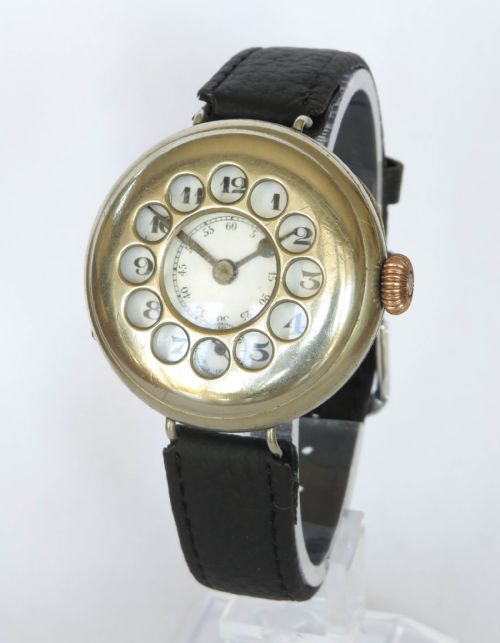
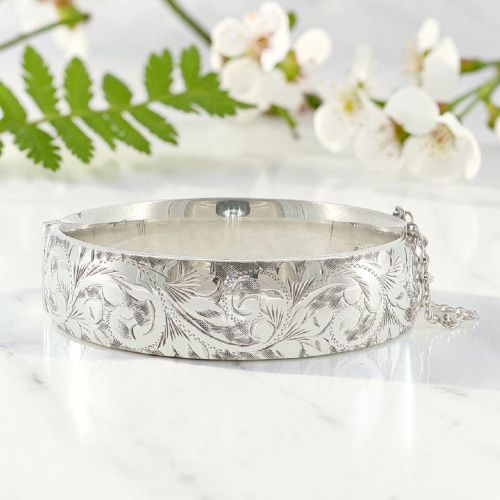
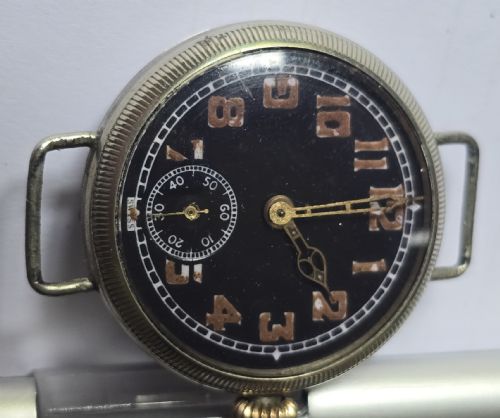
Cuff bangles, panel link bracelets, and buckled bands dominate the forms, alongside specialised items like military issued trench watches with shrapnel guards. Origin points vary across English workshops, continental European makers, and Scandinavian studios, reflecting broad international craftsmanship.
How they were made
Silversmiths utilised techniques such as filigree wirework, pierced settings, and panel link assembly to shape the metal foundations of these bracelets. Collet settings secure diamonds and other stones into position, whilst hinges and clasps provide structural articulation for cuffs and bangles.
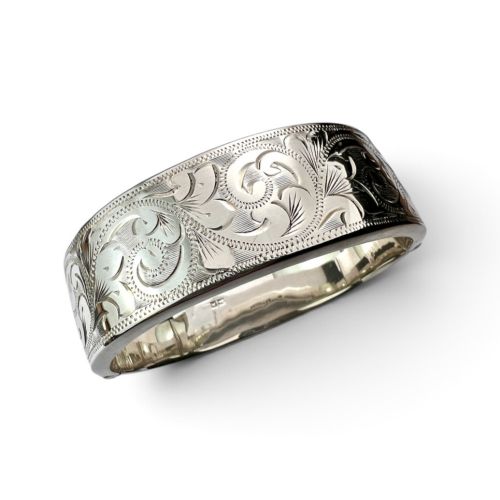
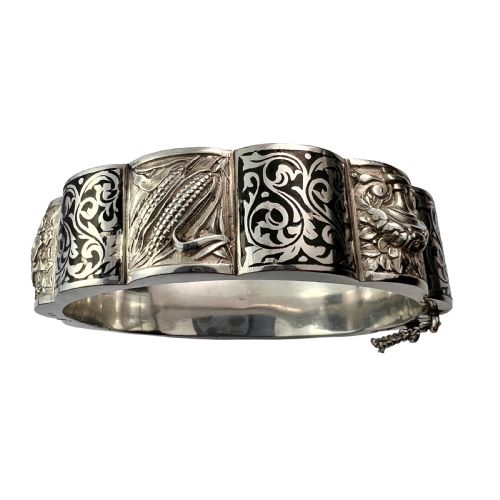
Enamelling techniques, including vitreous enamel work, introduce rich colour in blue and other tones across Arts and Crafts and Art Deco designs. Surface details incorporate engraved motifs, applied gold accents, and stamped military markings on watch cases.
Some military watches retain their original protective shrapnel guards, ready for the hazards of the boardroom.
What varies in quality
The refinement of the metalwork and the precision of stone setting dictate the distinction between standard and superior pieces. Hand-formed filigree, detailed engraving, and the crisp execution of enamel panels show greater technical mastery than simpler cast items.
The preservation of original components, such as functional shrapnel guards on military watches or intact enamel without chipping, elevates the integrity of a piece. Maker marks and silver hallmarks also contribute to the documentary value of the jewellery.
Murrle Bennett
The Antique Silver Wristlet Glossary
- Filigree
- Fine twisted threads of silver soldered together in openwork patterns to create delicate lace-like designs.
- Vitreous enamel
- Glass powder fused to a metal surface through high-temperature firing, producing a smooth coloured coating.
- Collet set
- A stone held securely within a low metal collar that wraps closely around the girdle of the gem.
- Shrapnel guard
- A protective metal grille fitted over the glass crystal of a military trench watch to prevent breakage.
- Old mine cut
- An early diamond cut characterised by a cushion shape, high crown, and small table facet.
Antique Silver Wristlet: Frequently Asked Questions
What is a silver wristlet?
A silver wristlet is a general term for decorative bracelets, bangles, and watch straps fashioned primarily from silver during the nineteenth and twentieth centuries.
These pieces reflect the shifting design aesthetics of their respective eras, from ornate Victorian cuffs to geometric Art Deco links.
How do I date a silver bracelet?
Dating relies on stylistic markers such as enamel colours, geometric motifs, or organic Arts and Crafts leaf patterns, alongside any accompanying hallmarks.
Assay stamps and maker marks stamped onto the metal often provide precise indicators of the year and place of manufacture.
What is an Edwardian bangle?
Edwardian bangles are arm ornaments produced in the early twentieth century, frequently featuring lighter filigree work and delicate gemstone settings.
They follow the heavy, substantial forms of the Victorian era with a preference for openwork and refined detailing.
How should I clean antique silver?
Antique silver benefits from gentle cleaning with a soft cloth to remove surface tarnish while preserving the natural patina developed over decades.
Harsh chemical dips should be avoided, particularly on pieces containing enamel, pearls, or soft organic stones like amber.