
Antique Silver Vessels
These antique silver vessels bridge domestic ritual and display, offering tangible history in sterling, silver plate, copper, and glass.
Antique Silver Vessels
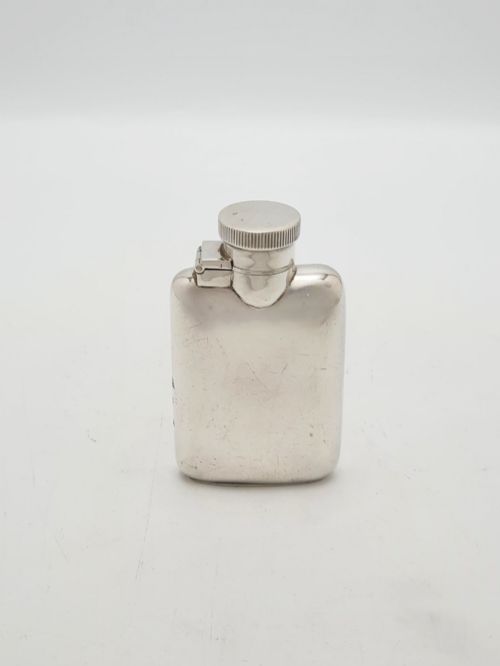
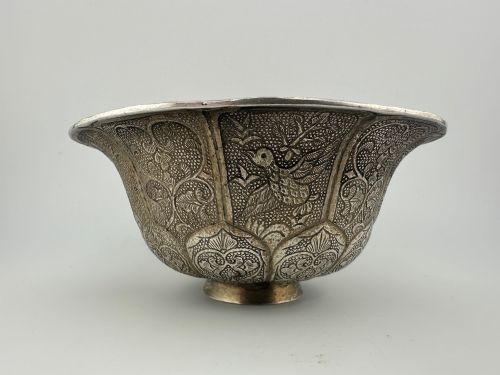
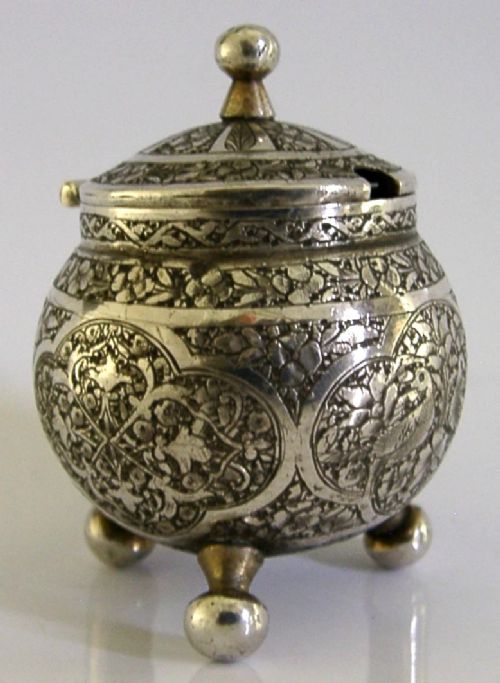
When you search for antique silver vessels, you encounter a diverse array of utilitarian and decorative hollowware spanning multiple centuries. These items range from dining and barware essentials like mugs, tankards, and mustard pots to decorative bowls, vases, and quaich cups.
The pieces you are most likely to meet on this page hail from the Victorian, Edwardian, and twentieth-century periods, reflecting domestic habits of tea drinking, dining, and display. Alongside traditional British sterling silver work, the selection includes international styles, continental imports, and mixed-media pieces combining silver with glass, wood, or ceramic.
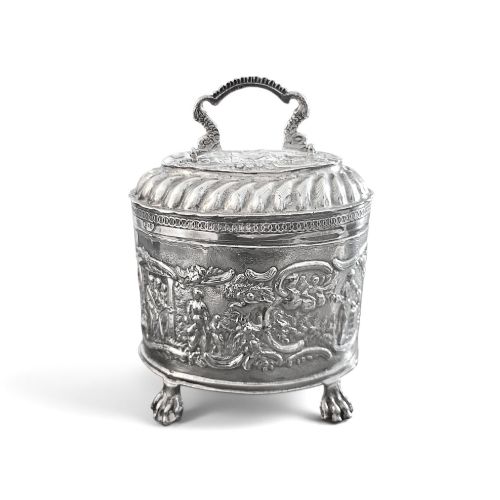
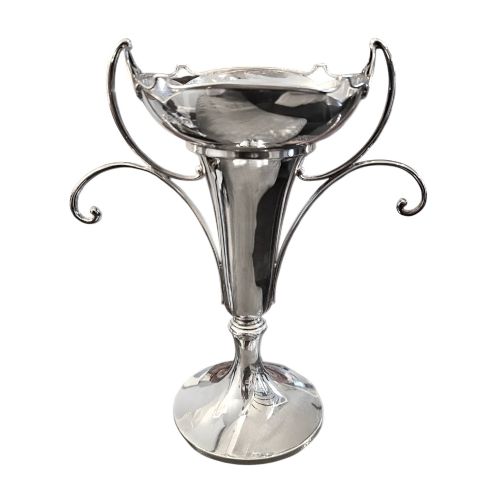
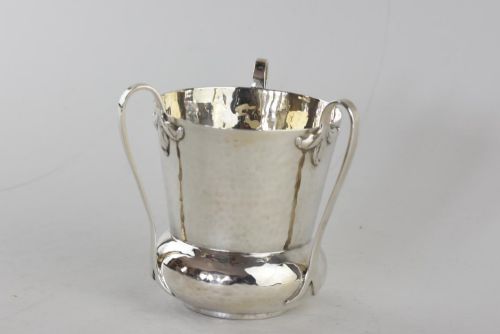
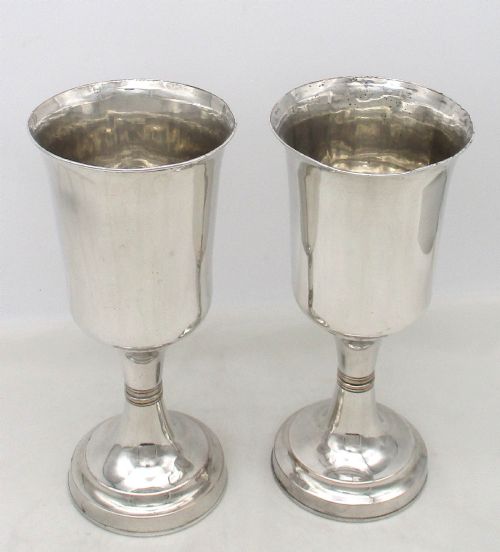
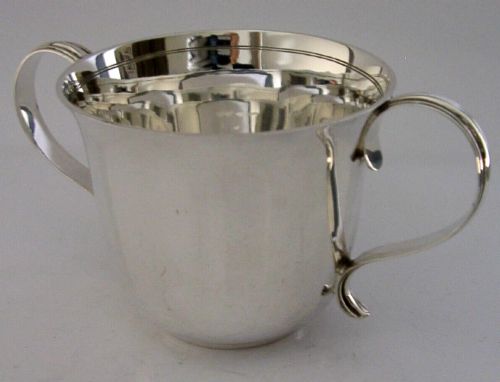
Forms vary from utilitarian drinking vessels such as quaichs and christening mugs to decorative items like sugar baskets, urns, and vases. Each object served a specific function in its original context, whether holding condiments at the dining table, serving spirits, or ornamenting a mantelpiece.
How they were made
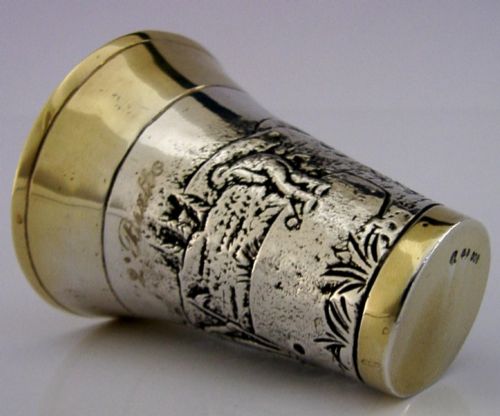
Makers shaped sterling silver and solid silver using traditional techniques such as hammering, repousse work, piercing, and casting. Artisans also utilised silver plate and Old Sheffield Plate, fusing thin layers of silver onto base metals like copper.
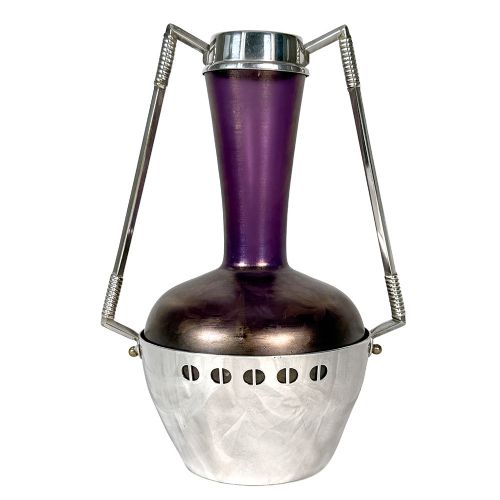
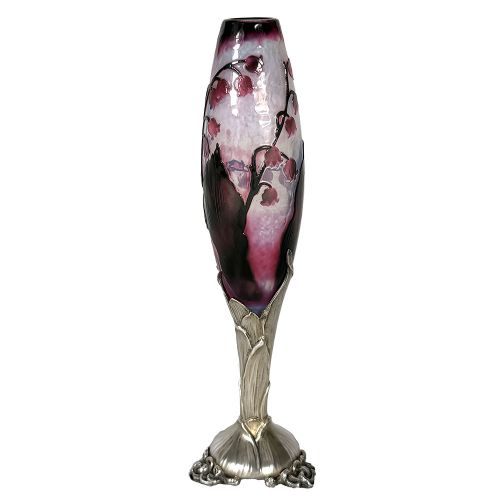
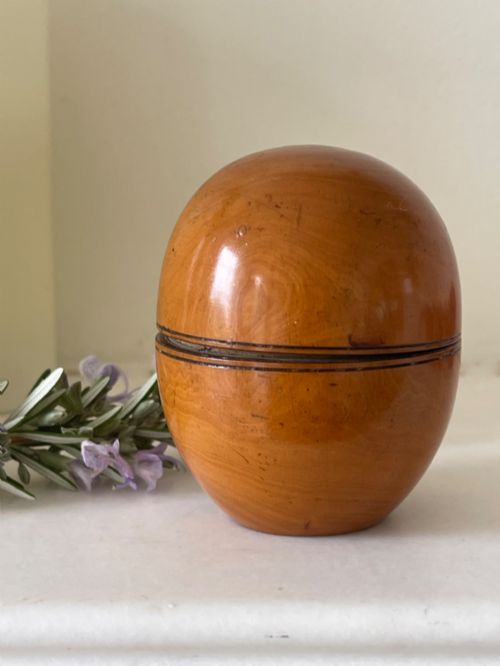
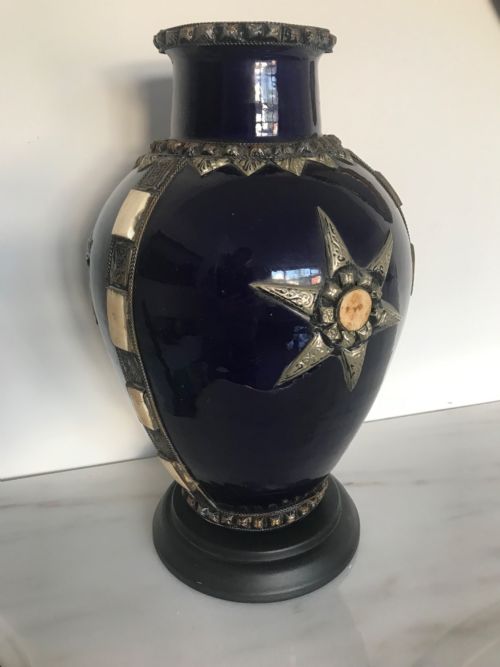
Many vessels incorporate secondary materials to complement the metalwork. Glass inserts, carved glass bodies, wooden treen elements, glazed ceramic, and bronze provide structural contrast and visual texture to the metal mounts.
Owl-shaped novelty jugs peer out with glass eyes from the barware selection.
What varies in quality
Quality in these items rests upon the crispness of the chasing and repousse detail, the structural integrity of handles and mounts, and the legibility of hallmarks. Superior examples display careful hand-hammering or precise geometric lines in Art Deco and Arts and Crafts pieces.
The thickness of the metal gauge and the weight of the piece indicate the standard of production. Finer vessels retain their structural balance and original surface crispness without excessive wear from cleaning or repair.
Edward Souter Barnsley·Lambert and Co·Georg Adam Scheid·Nathan and Hayes·Barker Bros·Alfred Marston·F Osborne and Co
The Antique Silver Vessels Glossary
- Quaich
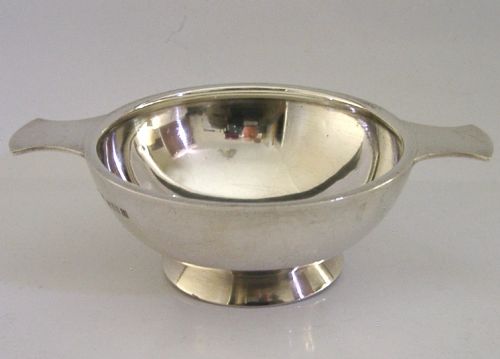
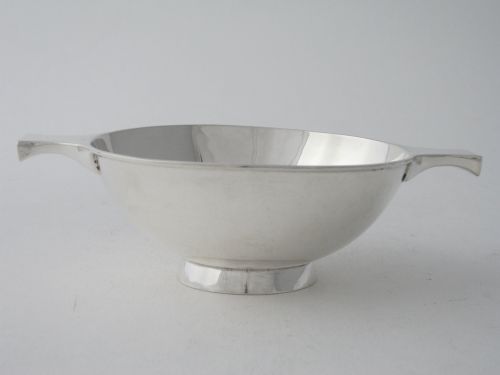
- A traditional two-handed drinking vessel originating in Scotland, often used for sharing a toast. These shallow bowls typically feature flat lugs or handles.
- Hallmark
- An official stamp applied to precious metals indicating the standard of purity, the assay office, and the year of manufacture. These marks help verify the origin and date of British silver.
- Repousse
- A metalworking technique where the artisan hammers the design from the reverse side to form a raised pattern in relief. This method creates tactile, decorative surface textures.
- Treen
- Small handmade wooden objects produced before the widespread use of plastic. In this context, it refers to wooden items fitted with silver linings or mounts.
- Old Sheffield Plate
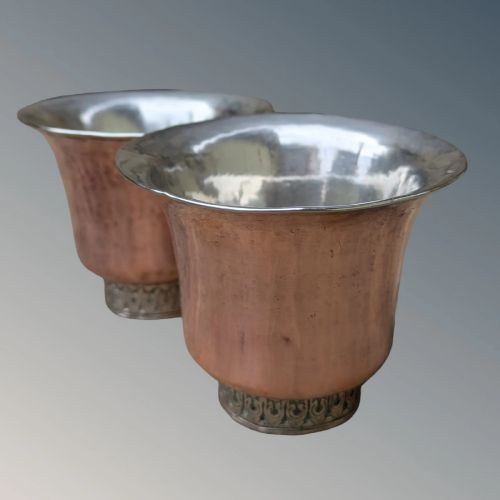
- An early form of composite metal made by fusing a sheet of silver to a thicker copper base. Items produced this way often reveal hints of copper where the silver layer has worn thin through decades of polishing.
Antique Silver Vessels: Frequently Asked Questions
What is a quaich used for?
A quaich is a traditional drinking vessel used primarily for sharing a welcoming drink at gatherings, ceremonies, or celebrations. The two-handed design encourages holding the cup with both hands, a custom rooted in hospitality and trust.
Over time, these shallow bowls transitioned from wooden drinking vessels into finely worked silver presentation pieces. Collectors prize them for their distinct regional history and symmetrical form.
How do I clean antique silver?
Cleaning antique silver requires a gentle approach to preserve the surface finish and any original patination. Use a soft cloth and a specialised silver cream designed to lift tarnish without being overly abrasive.
Avoid harsh dips that strip the natural depth from engraved lines or repousse work. Regular, light dusting and minimal washing protect the integrity of the metal over time.
What is Old Sheffield Plate?
Old Sheffield Plate is an early composite material created by fusing a thin sheet of sterling silver to a thicker copper core under high heat. This technique predates modern electroplating and produces sturdy hollowware with a rich visual character.
Pieces made this way often show subtle traces of copper along high points or rims where generations of polishing have worn the surface layer.
How do I read silver hallmarks?
Silver hallmarks are a series of small stamped symbols that provide a roadmap to a piece's origin. They typically include a maker's mark, a standard mark indicating purity, an assay office mark, and a date letter.
Consulting standard reference guides allows you to match the specific letter stamp to the exact year the item was tested and certified.