
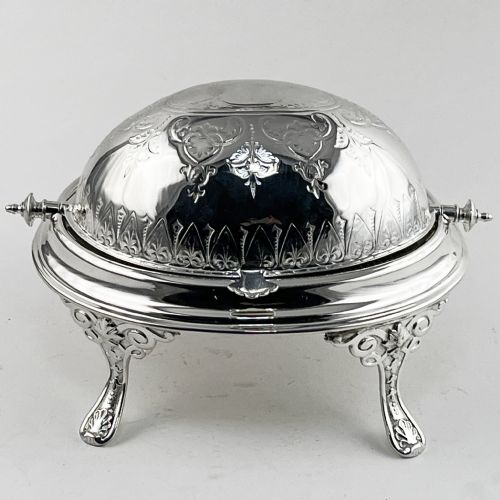


Antique Silver Tub
An antique silver tub brings practical elegance to the table, taking the form of butter dishes, biscuit barrels, and wine coolers.
Antique Silver Tub
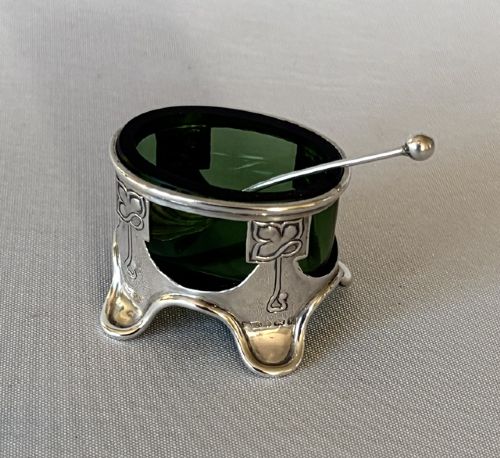
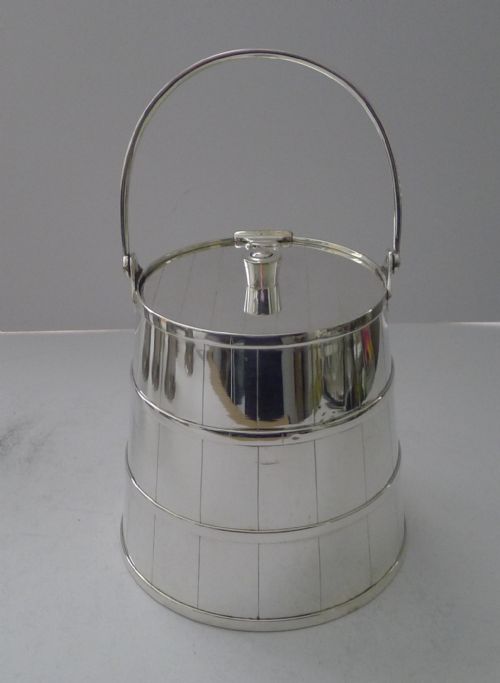
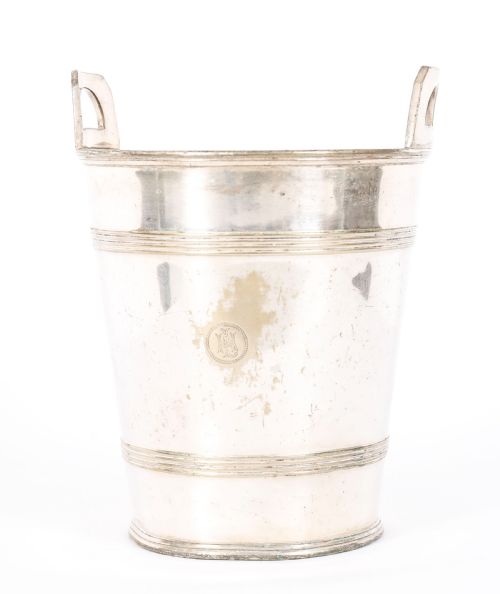
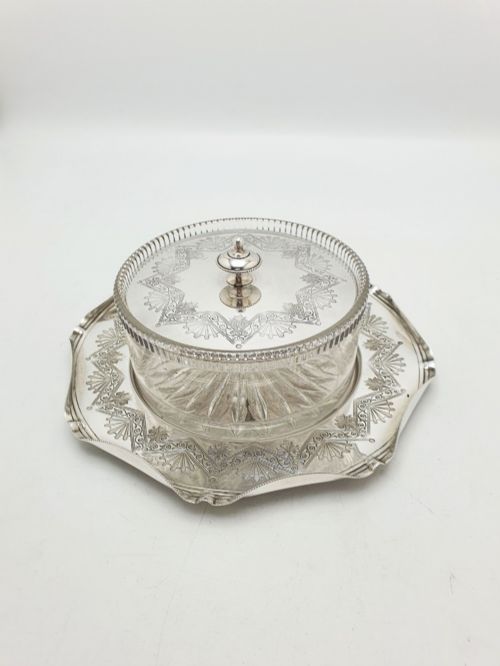
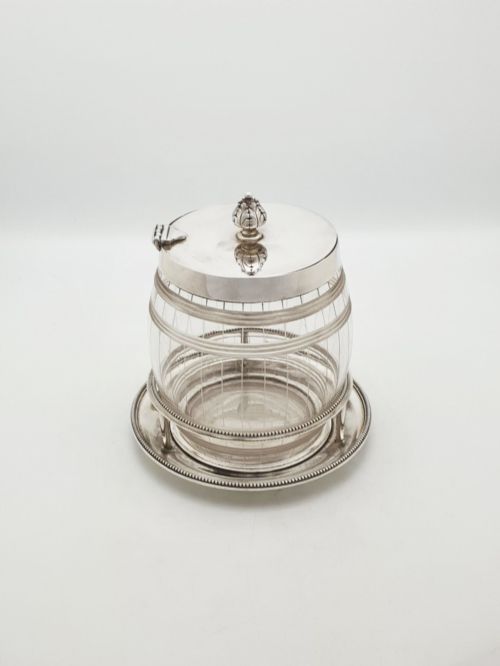
The term antique silver tub covers a variety of vessel forms designed for dining and entertaining, most commonly appearing as butter dishes, biscuit barrels, salt cellars, and wine coolers. These pieces bridge decorative arts and functional tableware, housing provisions or chilling bottles with equal measure.
The selection here draws primarily from the Victorian and Edwardian eras, extending into the Art Deco period with French and English examples. Alongside silver and silver plate, forms often incorporate glass liners, cut glass bodies, or ceramic elements like Jasperware.
While primarily associated with tableware, the listings also reveal occasional seating forms and novelty items sharing similar stylistic traits. Buyers encounter everything from simple revolving butter dishes to elaborate champagne coolers.
Materials and construction
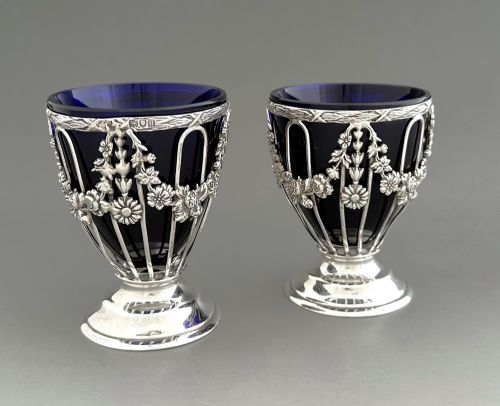
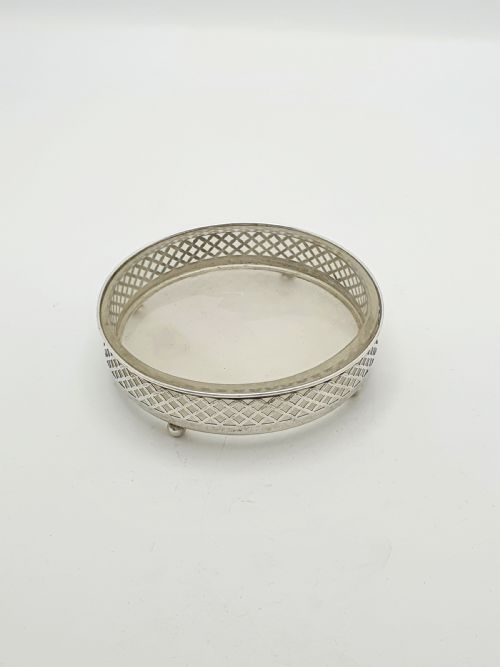
Makers utilised sterling silver and silver plate over base metals, shaping them through spinning, stamping, and casting techniques. Pierced metalwork appears frequently, creating intricate galleries and frames that reveal the glass liners fitted within.
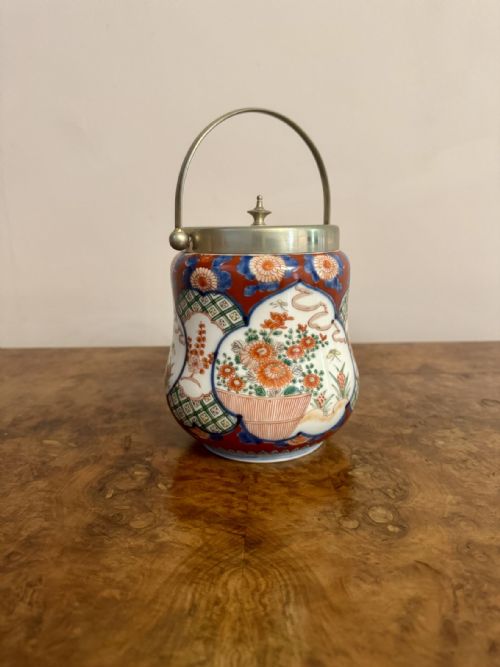
Cut glass and cobalt glass feature prominently as interior liners for tubs holding butter or biscuits, providing a colourful contrast to the polished metal exterior. Ceramic components such as Jasperware also appear, fused with metal mounts to build multi-material vessels.
Joints, hinges, and revolving mechanisms in pieces like biscuit barrels demonstrate precise mechanical engineering of the period. Handles and feet are typically cast separately and soldered or riveted to the main body.
Current listings feature silver plate, sterling silver, cut glass, and Jasperware across Victorian, Edwardian, and Art Deco periods.
Assessing quality and execution
Quality rests heavily on the crispness of the chased or pierced decoration and the weight of the metal used in the body. Thicker silver plate and solid sterling silver retain their form and plating integrity far better than thinner alternatives.
The integration between glass liners and metal frames indicates the tier of manufacture, with top-tier pieces featuring heavy, hand-cut glass made specifically for the vessel. Inferior examples often utilise mismatched replacement liners or poorly fitted components.
Maker attribution elevates certain pieces, as established silversmiths maintained higher standards of finishing and engraving. The complexity of mechanical elements, such as smoothly revolving lids, further distinguishes superior production.
Hutton Sheffield·Elkington·Walker And Hall·Christofle·Adie Brothers·John Grinsell And Sons
The Antique Silver Tub Glossary
- Silver Plate
- A layer of silver bonded to a base metal core such as copper or nickel brass. This technique allowed manufacturers to produce affordable tableware with the appearance of solid silver.
- Jasperware
- A type of fine stoneware developed by Josiah Wedgwood, characterised by a matte unglazed surface and applied white reliefs. It frequently appears on nineteenth-century biscuit barrels.
- Cut Glass
- Glass shaped and patterned by abrasive wheels, creating deep facets that refract light. It provides a heavy, sparkling contrast to silver mounts in tubs and coolers.
- Revolving Lidded
- A mechanical closure where the lid rotates inside the body on a pivot. This design was patented and widely used on Victorian and Edwardian butter and biscuit dishes.
Antique Silver Tub: Frequently Asked Questions
What was an antique silver tub used for?
These vessels served various dining table functions, primarily holding butter, biscuits, salt, or chilling wine and champagne.
They were essential accessories in middle and upper-class households during the nineteenth and early twentieth centuries.
How do I clean an antique silver tub?
Maintenance requires mild silver polish applied with a soft cloth, avoiding abrasive pads that wear down thin plating.
Glass liners should be washed separately in warm soapy water and dried thoroughly before reinsertion.
Are glass liners original to the tubs?
Many pieces retain their original hand-cut or pressed glass liners, which fit snugly into the metal framework.
Replacements are common due to breakage over the decades, so examine the fit and glass age carefully.
How do I date an antique silver tub?
Dating relies on style markers, manufacturer marks, and registration numbers stamped into the metal base.
Victorian and Edwardian pieces often display specific aesthetic traits, from heavy ornamentation to clean Art Deco lines.