

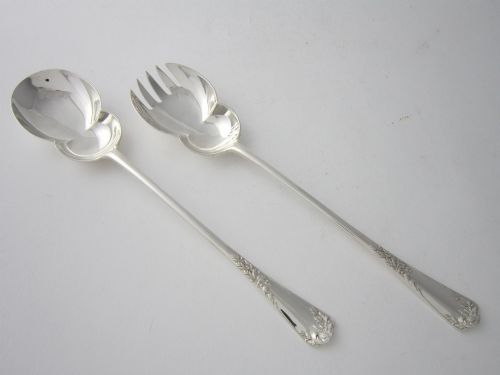


Antique Silver Table Utensil
An antique silver table utensil brings functional history to the dining room, offering solid craftsmanship in sterling silver and steel for daily service or display.
Antique Silver Table Utensil
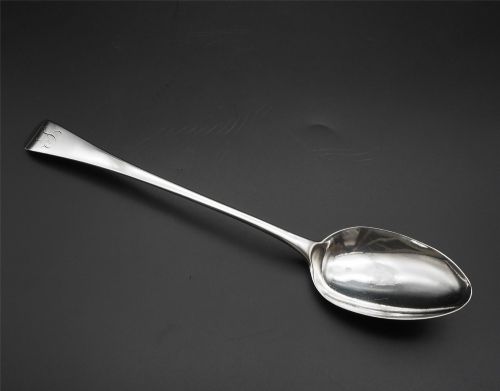
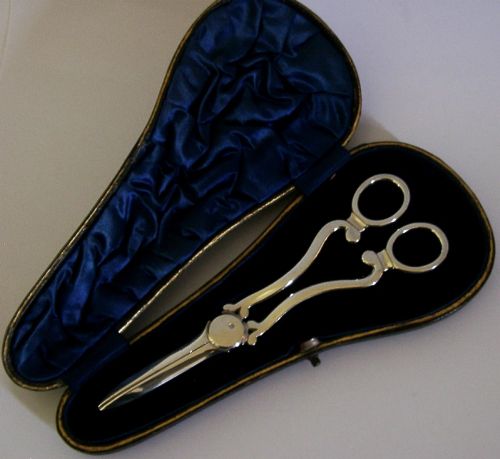
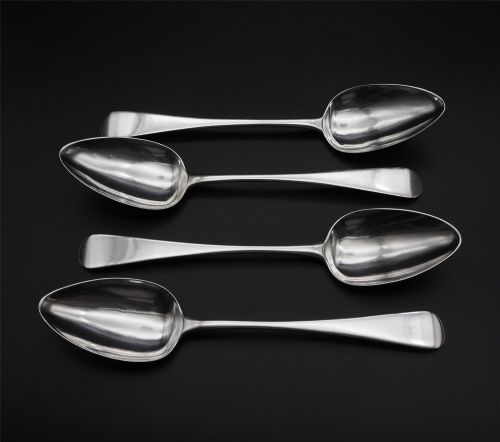
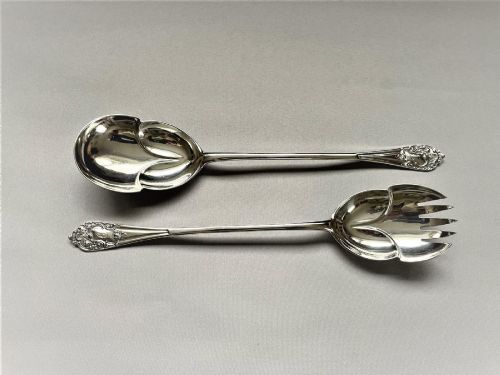
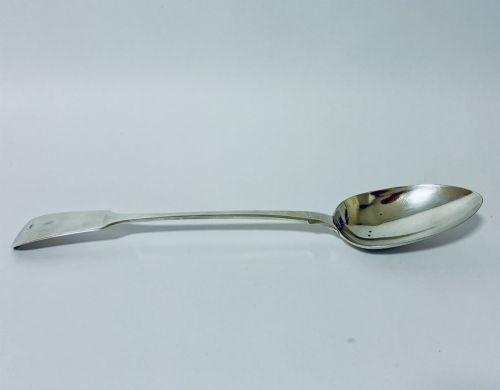
An antique silver table utensil encompasses serving spoons, grape shears, salad servers, tongs, and fish slices spanning from the Georgian and 18th century periods through to the Edwardian and Victorian eras.
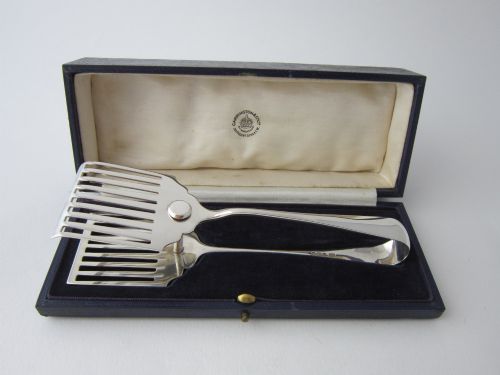
Buyers are most likely to meet serving spoons and salad servers on this page, alongside specialised forms such as marrow scoops, apple corers, and asparagus tongs.
Pieces originate from English, Irish, and Danish makers, reflecting traditional dining habits and formal table settings across multiple centuries.
Quality differences
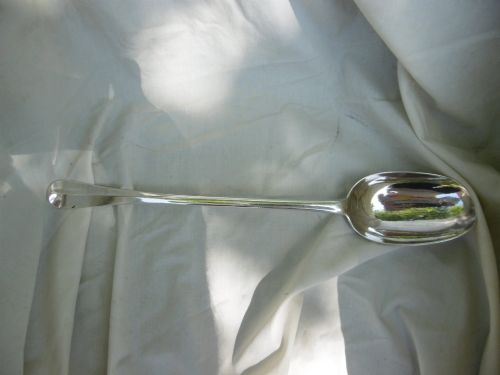
Weight and gauge determine the substance of a utensil, with heavier basting and hash spoons demonstrating superior metal density compared to lighter items.
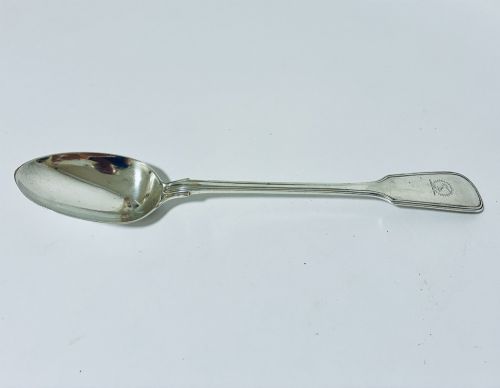
Detailing in cast decoration, engraved crests, and patterned handles like Fiddle and Queens pattern separates standard production pieces from master smith work.
Current listings feature sterling silver pieces from the Georgian, Victorian, Edwardian, and George V periods, alongside 18th-century items.
Andrew Archer·Wilkes Booth·Whiting Co.
The Antique Silver Table Utensil Glossary
- Sterling silver
- A standard alloy consisting of a high purity of silver combined with other metals for durability. It is the primary material used for these utensils.
- Hash spoon
- An exceptionally large serving spoon designed for communal portions. Examples often exceed thirty centimetres in length.
- Marrow scoop
- A narrow, trough-like utensil used for extracting bone marrow. This form dates back to earlier Georgian and 18th century dining.
- Fiddle pattern
- A nineteenth-century handle design featuring a distinctive violin-shape shoulder tapering towards the terminal. It appears frequently on fish slices and flatware.
- Queens pattern
- An ornate, heavily decorated nineteenth-century silverware pattern featuring shell and scroll motifs. It denotes high-status formal table service.
Antique Silver Table Utensil: Frequently Asked Questions
What is a silver basting spoon used for?
A basting spoon is an oversized utensil historically employed in the kitchen or at the table for spooning pan juices over meat.
These large pieces provide balanced handling and generous bowl capacities suited to grand dining.
How do I identify a Georgian silver utensil?
Georgian utensils span the reigns of the Georges from the eighteenth century into the early nineteenth century.
Look for traditional forms, hand-engraved crests, and robust sterling silver construction typical of the period.
Can I use antique silver utensils for dining?
Most antique silver utensils remain fully functional for modern dining, formal events, and serving tasks.
Gentle hand washing preserves the sterling silver surfaces and any fitted velvet or silk presentation boxes.
What are grape shears used for?
Grape shears are specialised scissors designed for neatly snipping small clusters of fruit from a larger bunch at the table.
Victorian and Edwardian examples often feature decorative cast silver handles and sharp steel blades.