
Antique Silver Table Stand
An antique silver table stand brings functional elegance to dining and display surfaces through enduring forms from the Victorian, Edwardian and Georgian eras.
Antique Silver Table Stand
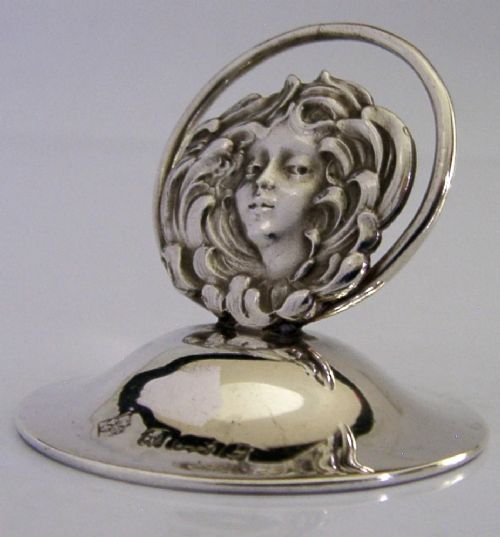
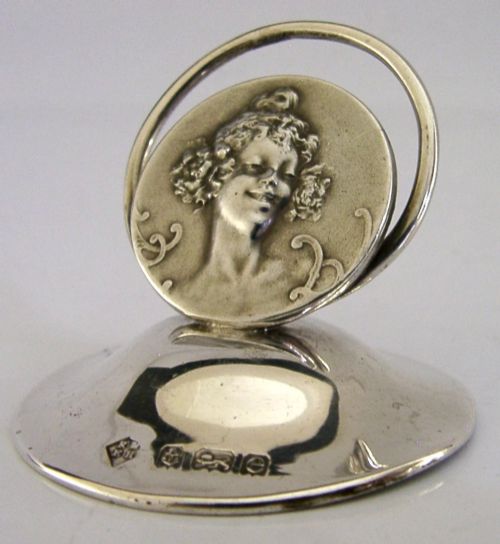
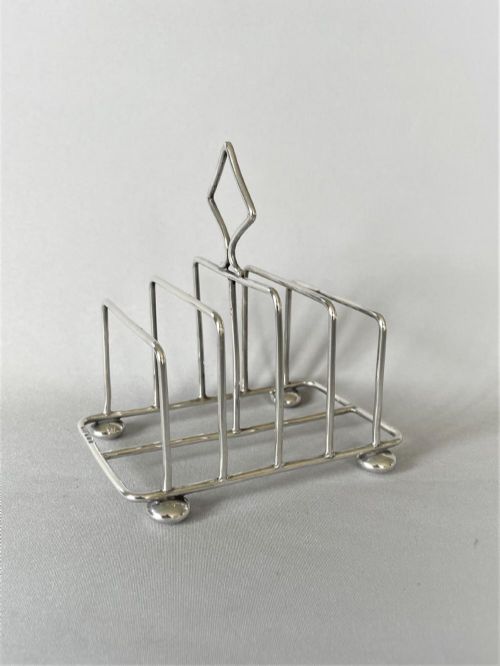
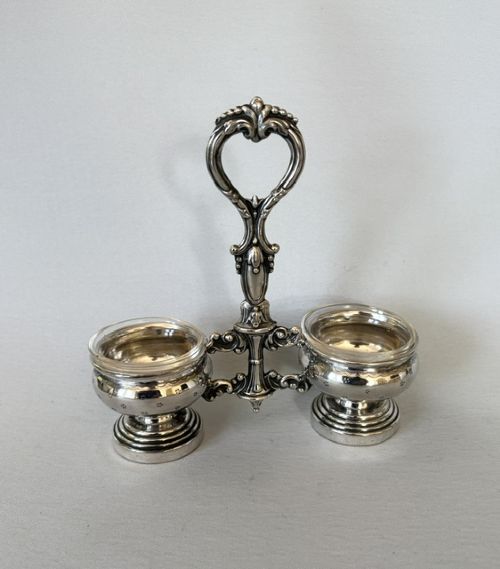
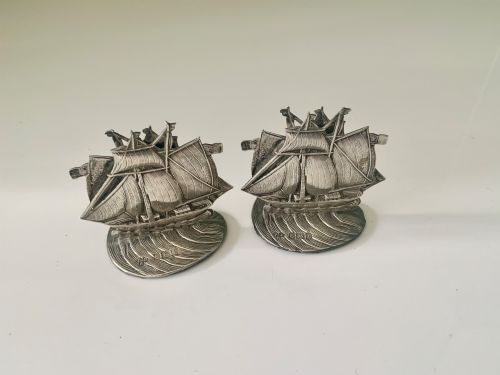
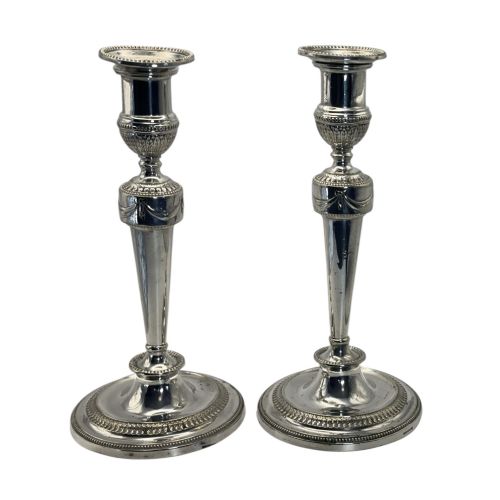
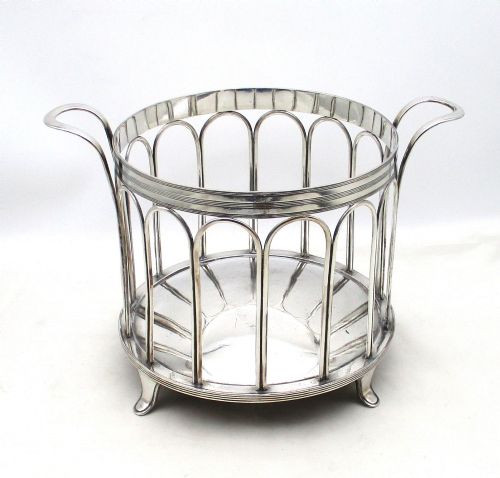
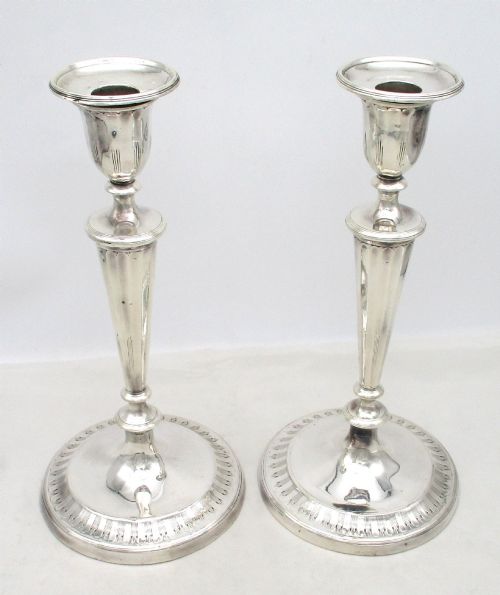
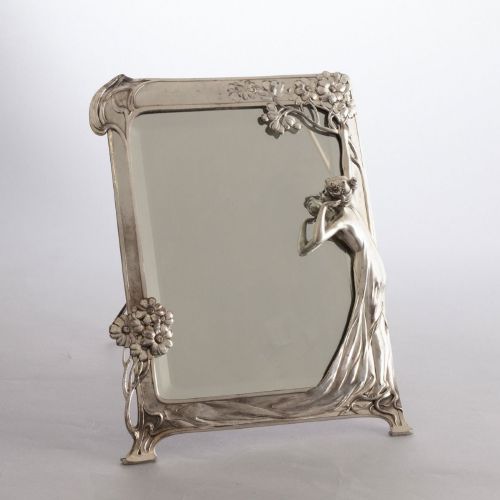
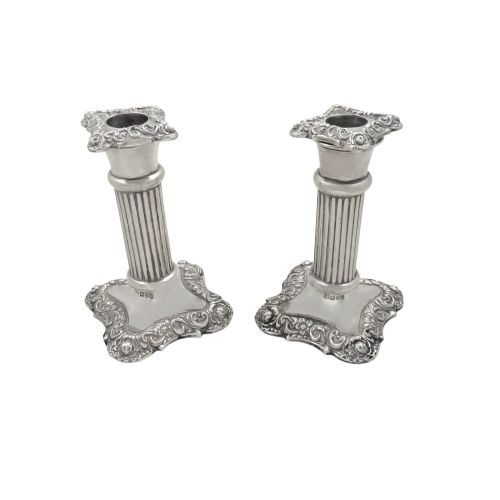
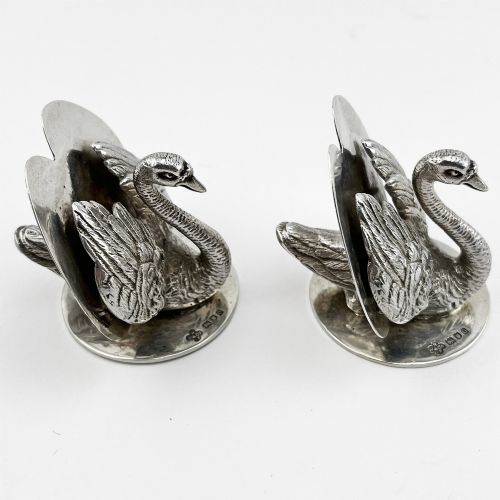
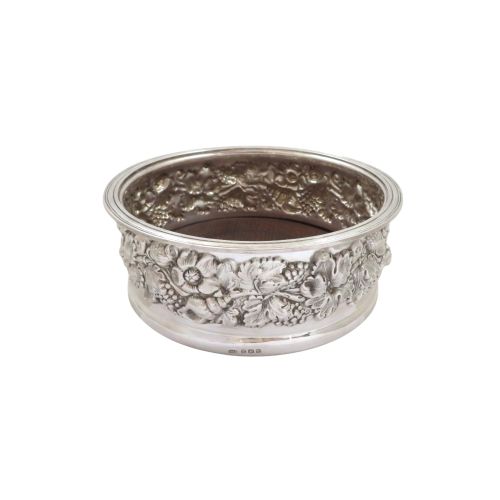
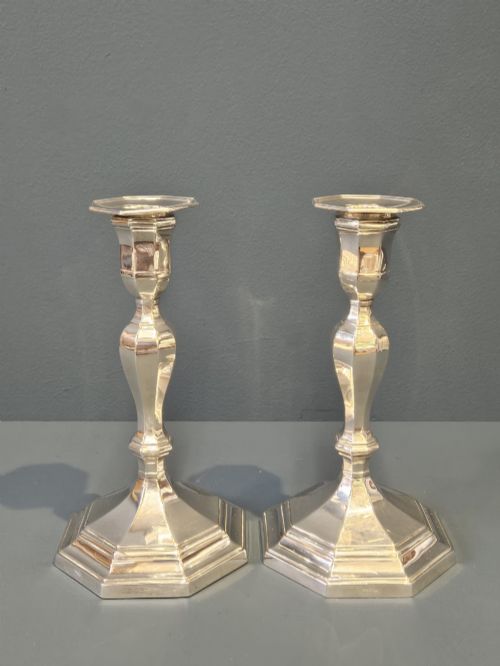
When searching for an antique silver table stand, you encounter a diverse array of utilitarian and decorative objects designed to elevate items upon a dining or side table. These pieces span centuries of craftsmanship, taking the form of candlesticks, cruet sets, menu holders, wine coasters, mirrors and serving dish stands.
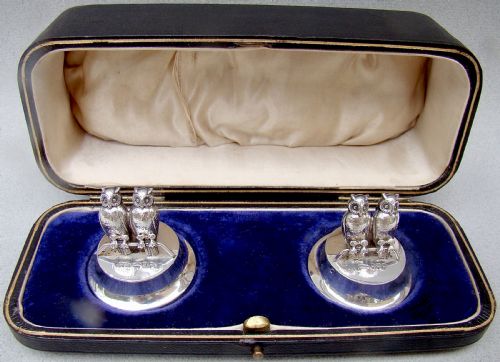
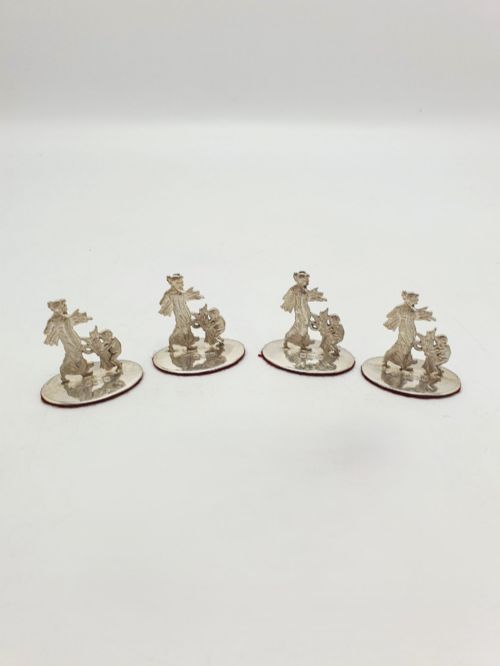
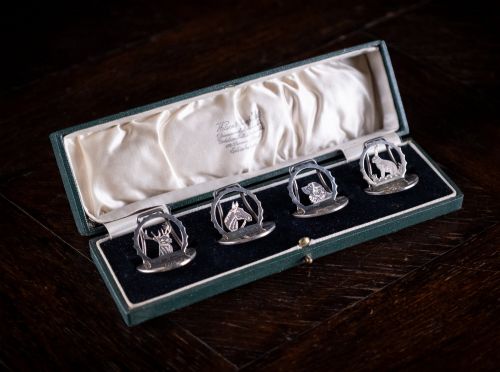
The selection on this page relies heavily on Edwardian and Victorian examples, alongside 19th-century silver-plated works and occasional Georgian pieces. From Corinthian column candlesticks to figural place card holders and barrel condiment sets, each item reflects the domestic routines of its period.
Makers utilised these stands to organise the table or display items securely, incorporating materials such as cut glass, wood and velvet alongside solid sterling silver or silver plate. Whether intended for holding bottles, lighting rooms or presenting condiments, these objects bridge practical utility and ornamental design.
Materials and methods of construction
Silversmiths and manufacturers employed sterling silver and various methods of silver plating, including Old Sheffield Plate and electroplated nickel silver, to build durable frameworks. These metallic elements are frequently paired with cut glass, cranberry flashed glass, oak barrels, mahogany and velvet linings to provide contrast and structural support.
Techniques such as casting, embossing and Corinthian column detailing allowed artisans to produce both structural table stands and intricate figural pieces like animals and owls. Stamping and hallmark applications record the origins of these works across English, German and French workshops.
Common forms among these listings include candlesticks, cruet sets, menu holders, wine coasters, mirrors and serving dish stands originating from English and European workshops.
Evaluating craftsmanship and execution
The distinction between tiers of quality rests upon the crispness of casting in figural elements and architectural columns, where finer examples display sharp definition in feathers, fur or fluting. Heavier gauge metalwork and robust structural joints likewise separate substantial table stands from lighter, more utilitarian productions.
The integration of secondary materials defines the upper range, visible in heavy cut glass liners, genuine mahogany bases or well-preserved enamel details on menu and place card holders. Maker marks and clear hallmarking further elevate pieces by attributing them to recognised silversmiths and firms.
Mappin & Webb·Levi & Salaman·WMF·A. Wilcox·Christofle·Garrard & Co·Grey & Co·Sampson Mordan·Brook & Son
The Antique Silver Table Stand Glossary
- Sterling silver
- An alloy consisting of 92.5 percent silver by mass, with the remainder typically copper, used widely for high-end table stands and cruet sets.
- Old Sheffield plate
- An early method of fusing a thin sheet of sterling silver to a thicker copper base by heat and pressure, often found on 19th-century bottle coasters.
- Cruet set
- A matched group of glass bottles or containers held within a silver or silver-plated stand for dispensing condiments at the dining table.
- Menu holder
- A small desk-like or figural stand designed to hold dinner menus or place cards upright during formal meals.
- Corinthian column
- An architectural style featuring ornate capitals decorated with acanthus leaves, frequently utilised in the shafts of tall candlesticks.
Antique Silver Table Stand: Frequently Asked Questions
What is an antique silver table stand used for?
These stands serve various domestic purposes, from illuminating rooms with candlesticks to organising condiments in cruet sets and holding wine bottles securely on the dining surface.
They also function as decorative displays, utilising mirrors, photo frames and figural menu holders to personalise interior spaces.
How do I care for silver-plated table stands?
Maintenance requires gentle cleaning with appropriate silver polishes and soft cloths to preserve the plating without wearing through to the base metal.
When glass or wooden components are attached, keeping moisture away from these sections protects the integrity of the overall piece.
How can I tell the difference between sterling silver and silver plate?
Sterling silver items generally bear standard hallmarks indicating the silver standard, assay office and date letter. Silver-plated pieces usually display maker-specific marks denoting electroplate or Old Sheffield manufacturing methods.
What periods are most common for these table stands?
The listings feature a high concentration of Edwardian and Victorian pieces, reflecting a period of elaborate dining customs and domestic silver production.
Earlier Georgian and 19th-century items appear alongside early 20th-century Art Deco designs from French and English makers.