

Antique Silver Table Holders
Antique silver table holders bring order and refinement to dining settings through functional forms like napkin rings, menu cards, and candlesticks.
Antique Silver Table Holders
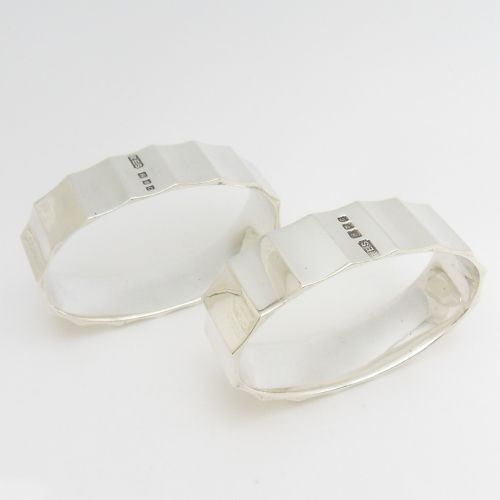
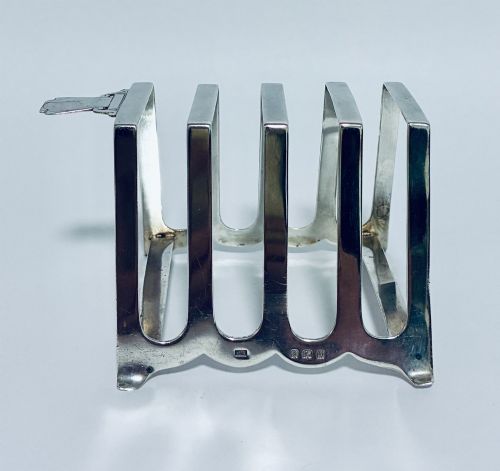
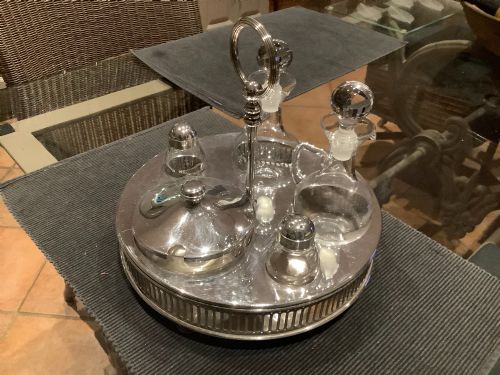
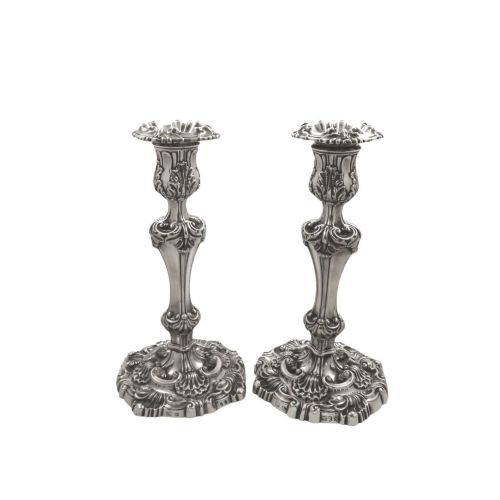
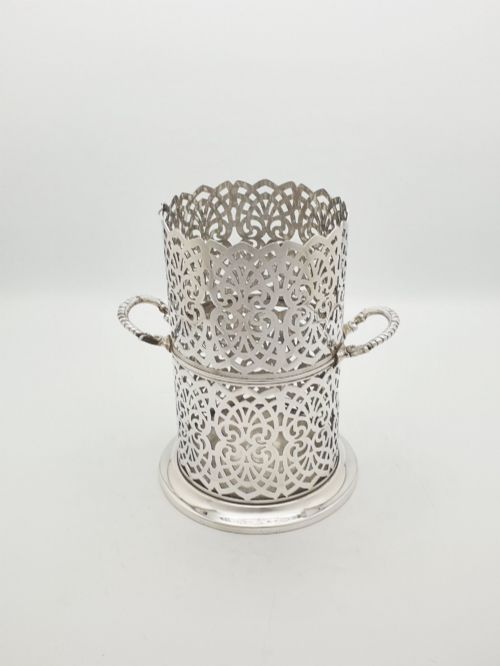
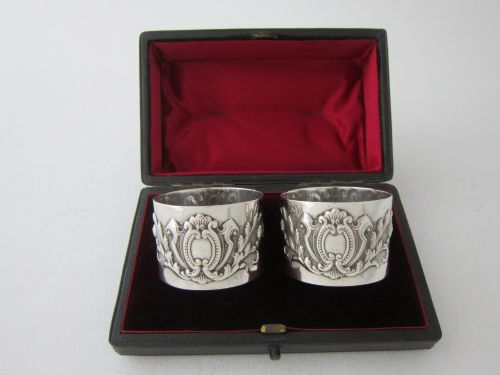
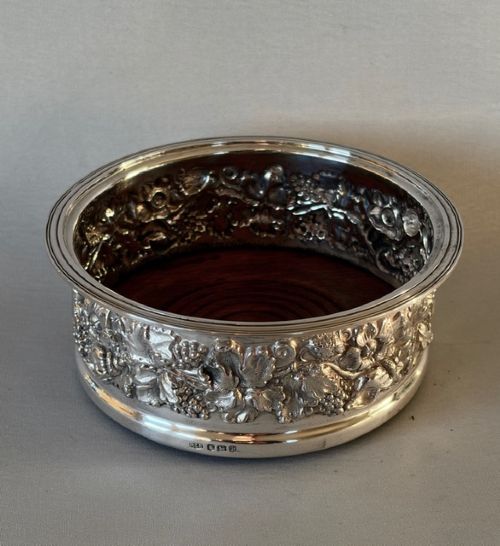
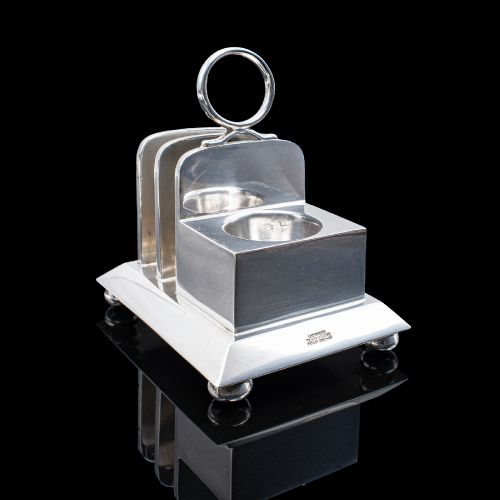
When you examine antique silver table holders, you encounter a diverse collection of dining and desk accessories designed to organise the table. The phrase encompasses practical items such as napkin rings, place card holders, toast racks, menu card holders, and bottle coasters.
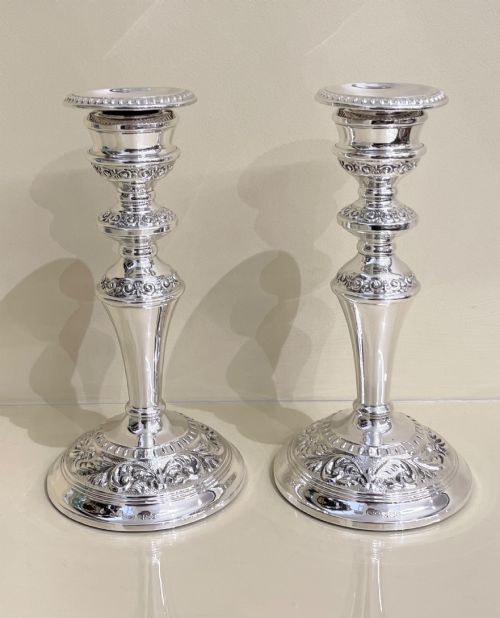
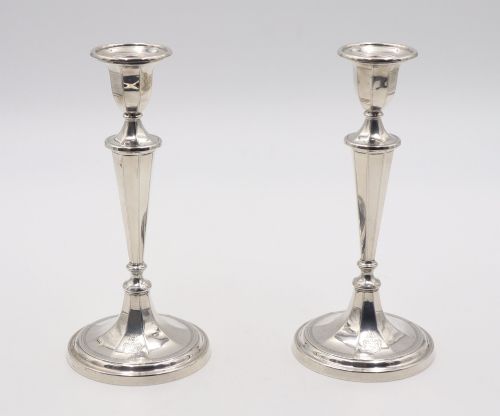
You are most likely to meet pieces originating from the Victorian, Edwardian, and Art Deco periods, reflecting changing dining customs across the nineteenth and twentieth centuries. These objects range from heavy sterling silver napkin rings to silver-plated centrepieces and column candlesticks.
The selection also includes specialised items like toothpick holders, hat pin stands, and string boxes that served domestic functions in period homes. Each piece demonstrates how silversmiths applied decorative styles including Neoclassical, Rococo Revival, and Regency to everyday dining implements.
Materials and Techniques
Maker's workshops constructed these items primarily from solid sterling silver or silver plate over base metals like copper, often utilising methods such as piercing, embossing, and casting. Old Sheffield Plate and standard plating techniques appear frequently across nineteenth-century items.
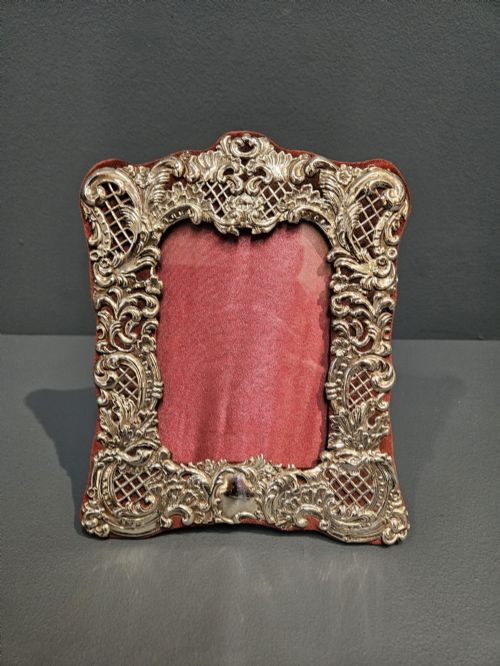
Artisans incorporated contrasting elements such as velvet, silk, glass, ebony, and enamel to complement the polished metal surfaces. Pierced floral motifs, embossed hunting scenes, and applied lion masks demonstrate the detailed handwork involved in finishing these table accessories.
Antique Silver Table Holders Retail Price Guide 2026
Typical asking prices for silver table holders among the pieces listed under this phrase on Sellingantiques today, from the lower quarter to the upper quarter. They describe what is for sale here now, not the wider market.
A charming horseshoe menu holder ensures your dining table maintains good fortune alongside proper seating etiquette.
Evaluating Quality and Craftsmanship
Distinctions in quality stem from the weight of the silver, the crispness of the chased or embossed detail, and the integrity of the structural joints. Pieces featuring hand-applied enamel or complex pierced work require superior technical skill compared to plain stamped items.
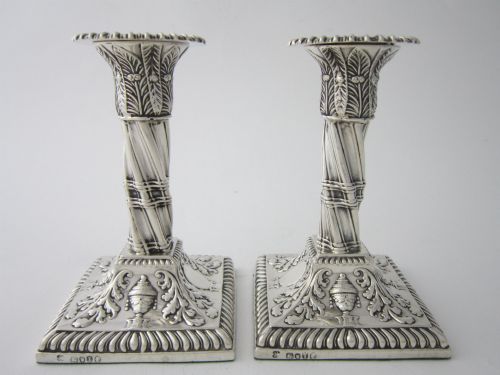
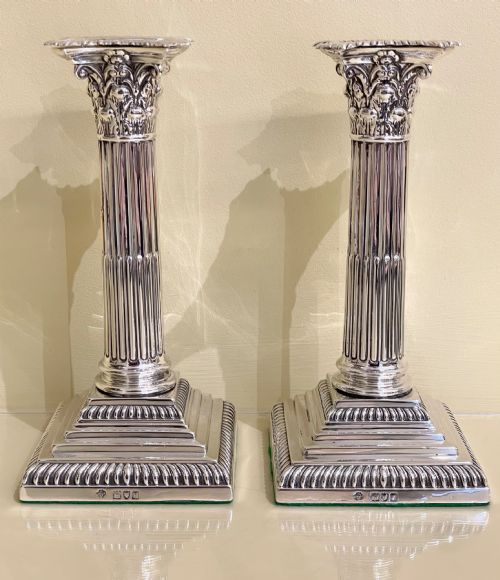
The prominence of the maker and the clarity of the hallmarking contribute significantly to a piece's standing. Well-executed cast decorative elements, such as rococo scrolls or corinthian capitals on candlesticks, demonstrate a higher standard of manufacture than simple mass-produced alternatives.
R.E Stone·Christofle·Garrard & Co·Wiliam Base & Son·Mappin Brothers·Charles Horner·Walker & Hall·J F Hall & Co·Comyns·E S Barnsley
The Antique Silver Table Holders Glossary
- Sterling silver
- A silver alloy containing 92.5 percent pure silver by mass and 7.5 percent other metals, usually copper. This standard composition provides the durability necessary for functional tableware.
- Silver plate
- A manufacturing method where a thin layer of silver is bonded to a base metal such as copper or nickel silver. It offered an accessible alternative to solid sterling items during the Victorian and Edwardian eras.
- Old Sheffield plate
- An early form of plated metal produced by fusing a sheet of silver to a thicker copper ingot before rolling them together into sheets. This technique predates modern electroplating and produces characteristic subtle copper edges.
- Hallmark
- An official stamp applied by an assay office indicating the purity of the metal, the maker, and the year of manufacture. British silver typically displays symbols for the city, standard, and date letter.
- Pierced work
- A decorative technique where metal is cut through to create openwork patterns such as lattices or floral scrolls. It lightened the visual weight of items like baskets, bottle holders, and toast racks.
Antique Silver Table Holders: Frequently Asked Questions
How were menu and place card holders used?
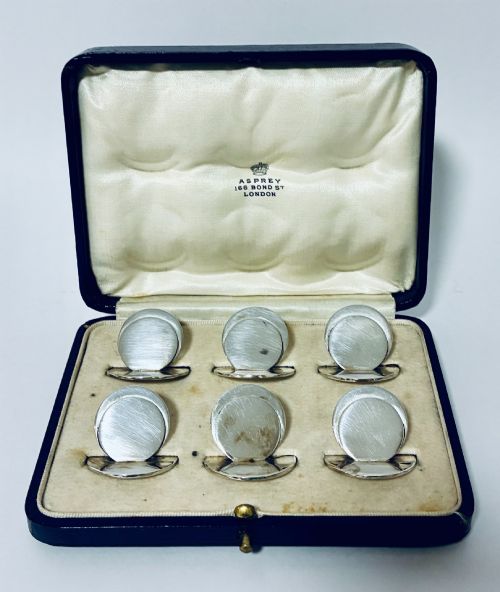
Hosts placed them around the dining table to indicate guest seating arrangements and display the evening's menu selections. They kept cards upright and visible for diners.
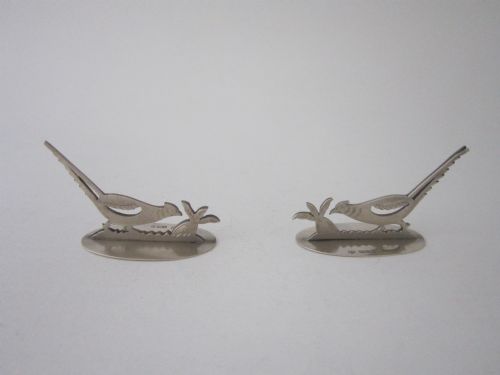
These small stands often featured decorative motifs like horseshoes, pheasants, or hunting scenes to complement the theme of the meal.
How do I care for antique silver?
Proper maintenance involves gentle cleaning with specialised silver polish and a soft cloth to remove tarnish without abrading the metal surface. Avoid harsh chemical dips that strip away desirable patination.
Store pieces in dry conditions away from direct sunlight, and utilise fitted cases or acid-free tissue when keeping items in storage for extended periods.
How can I tell the period of a silver piece?
You can determine the age by examining the hallmarks stamped into the metal, which often include a specific date letter corresponding to assay office records. Stylistic clues also help date items.
Art Deco pieces display geometric lines from the nineteen-thirties, while Victorian and Edwardian examples show heavier floral embossing or refined neoclassical proportions.