


Antique Silver Storage
Antique silver storage encompasses everything from tea caddies to heavy oak chests, keeping valuable pieces secure and organised.
Antique Silver Storage
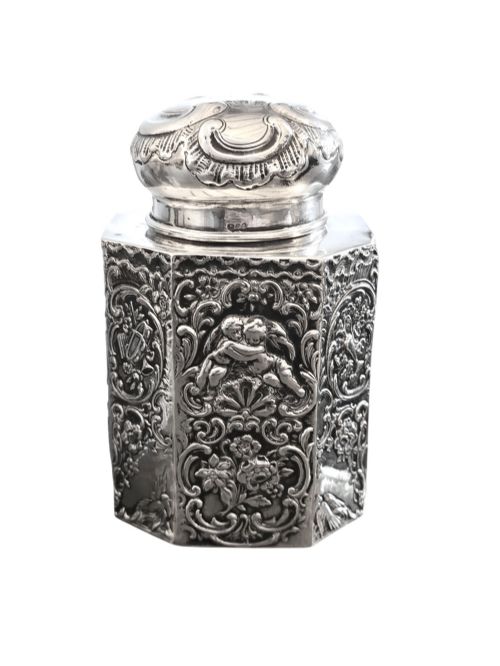
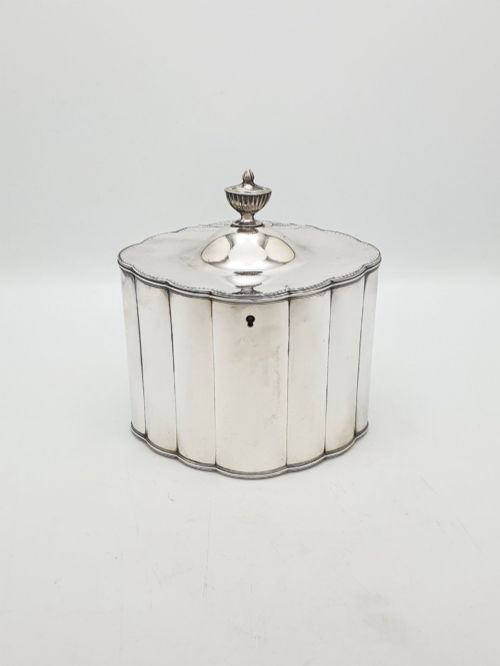
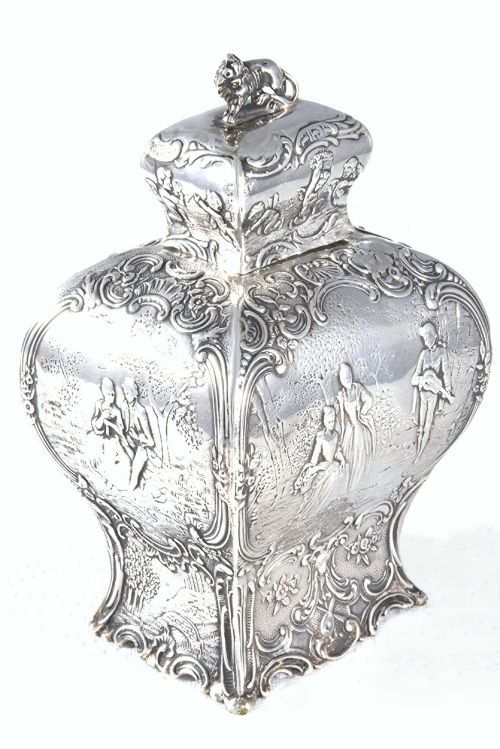
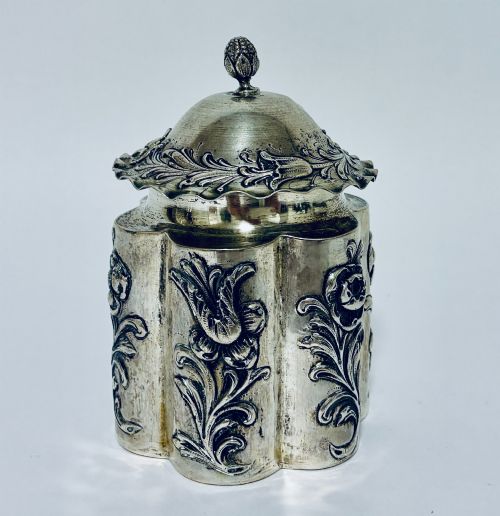
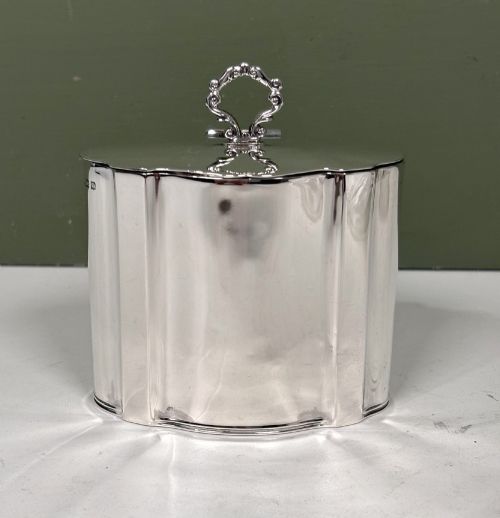
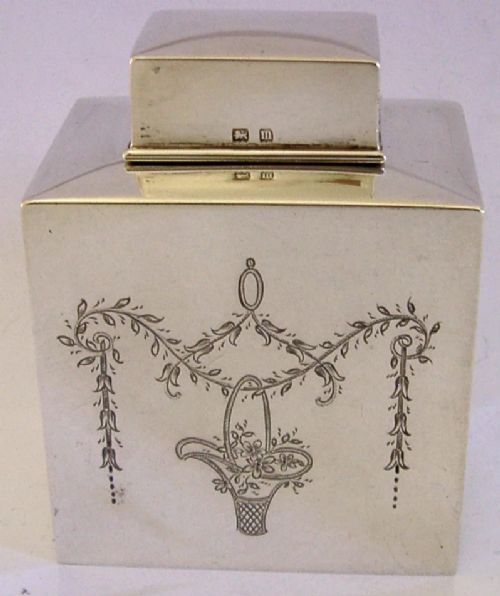
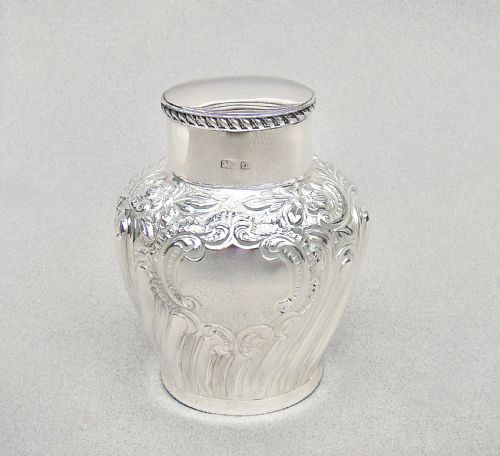
Antique silver storage covers a range of domestic objects designed to hold precious metal items safely, including tea caddies, cutlery canteens, biscuit barrels, and heavy oak chests. When exploring antique silver storage, the most frequent discoveries are Victorian and Edwardian tea caddies alongside robust timber shipping trunks bound in iron or steel.
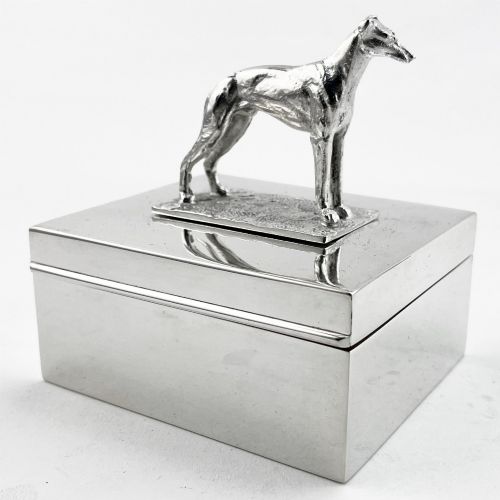
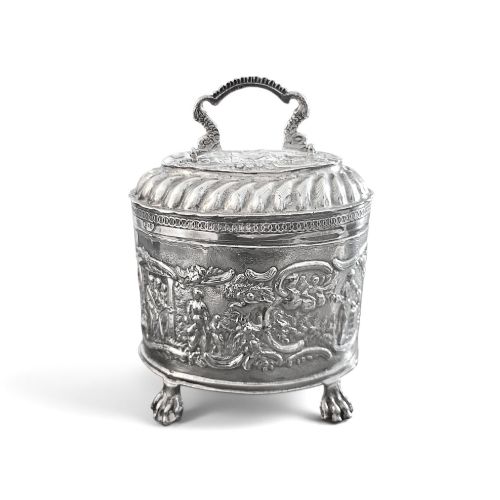
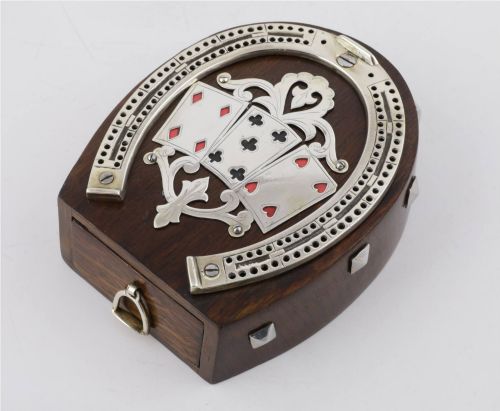
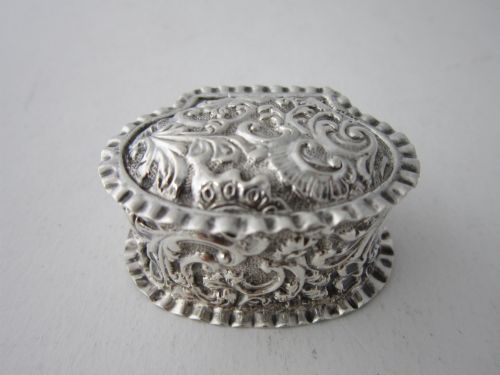
The objects serve distinct domestic functions, from small tabletop trinket boxes and pill boxes to large floor-standing chests lined for flatware. Pieces originate primarily from British workshops, though continental European silver boxes and Dutch lidded biscuit boxes appear regularly in the selections.
How they were made
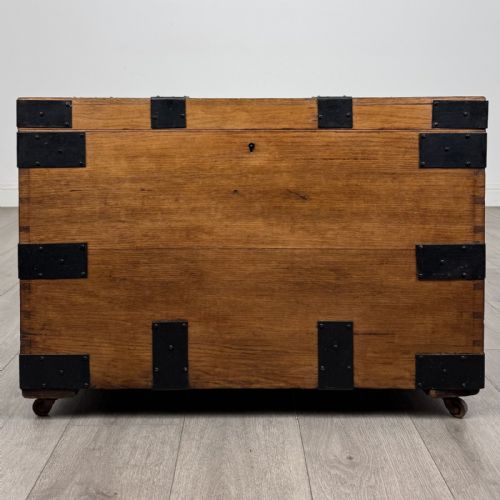
Makers constructed large storage chests using solid oak timbers reinforced with heavy iron or steel banding, corner mounts, and drop handles for secure transport. Smaller tabletop boxes and caddies utilise sterling silver, silver plate, or tortoiseshell, often incorporating hinged lids and fitted interior compartments.
Silversmiths employed techniques such as embossing, chasing, and hallmarks to stamp provenance, while woodworkers relied on dovetailed joints and brass locks to ensure durability.
Antique Silver Storage Retail Price Guide 2026
Typical asking prices for silver storage among the pieces listed under this phrase on Sellingantiques today, from the lower quarter to the upper quarter. They describe what is for sale here now, not the wider market.
Listings feature items spanning the Georgian, Victorian, and Edwardian periods, constructed from solid silver, oak, iron, and tortoiseshell.
What varies in quality
Quality in these storage pieces rests upon the heaviness of the gauge of silver, the crispness of hallmarks and decorative chasing, and the structural integrity of the timber. Superior items retain their original locks, keys, fitted interior trays, and silk or velvet linings without replacement.
Master silversmiths and retail silversmiths produced pieces with refined proportions, balanced lion mask handles, and meticulous joinery that distinguish them from simpler utilitarian containers.
Zimmermann·Levi & Salaman·Thomas Hayes·Mappin & Webb·William Hutton & Sons Ltd.·Thomas Bradbury·Walker & Hall·Ernest Druiff & Co
The Antique Silver Storage Glossary
- Tea caddy
- A small container designed to store loose tea leaves securely before brewing. These boxes often feature internal lids or compartments.
- Canteen of cutlery
- A fitted box or chest built specifically to hold a complete set of matching tableware, such as forks, spoons, and knives.
- Biscuit barrel
- A lidded jar or container used to keep dry baked goods fresh on the dining table, frequently rendered in silver plate or ceramic with silver mounts.
- Silver chest
- A large, iron-bound timber trunk lined to protect heavy sets of family plate from tarnish and theft during travel or storage.
- Hallmark
- An official stamp applied by an assay office to indicate the purity of metal, the maker, and the year of manufacture.
Antique Silver Storage: Frequently Asked Questions
What was a silver chest used for?
Large silver chests protected heavy domestic flatware, tea services, and holloware from damage and theft within wealthy households. They were constructed with robust oak and iron bands for secure transport between town and country residences.
Over time, these heavy trunks transitioned into stationary household furniture, often doubling as coffee tables or blanket boxes while retaining their original brass locks and reinforced corners.
How do I date a silver tea caddy?
Dating relies primarily on the stamped hallmarks showing the assay office, date letter, and maker's mark on the metal components. Stylistic clues such as Regency curves, Victorian rococo revival scrolls, or clean Art Deco lines also indicate the era of production.
Interior fittings, hinge styles, and materials like tortoiseshell or mahogany further help narrow down the decade in which the piece was constructed.
What is the difference between a tea caddy and a trinket box?
Tea caddies were manufactured with tight-fitting lids and internal partitions specifically to preserve the aromatic qualities of expensive tea leaves. Trinket boxes served a general decorative purpose for holding small personal items, jewellery, or pins on a dressing table.
While some smaller caddies double as trinket boxes today, traditional caddies often include interior secondary lids that distinguished them from ordinary storage boxes.
How should I clean an antique silver storage box?
Maintenance requires gentle dusting with a soft, dry cloth to remove surface particles without abrading delicate engravings or chasing. Proprietary silver polishes should be used sparingly and kept away from wooden surfaces or velvet linings to prevent staining.
For wooden chests with iron mounts, a microcrystalline wax helps preserve the timber and protects the metal bands from accumulating moisture and rust.