
Antique Silver Serviette Ring
Looking for an antique silver serviette ring? These tactile dining table accessories offer both practical function and period design.
What an antique silver serviette ring is
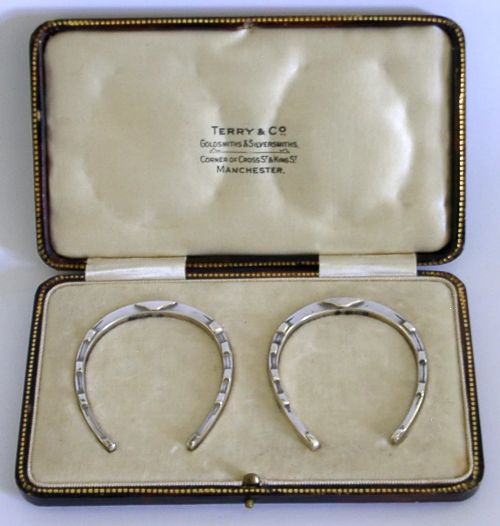
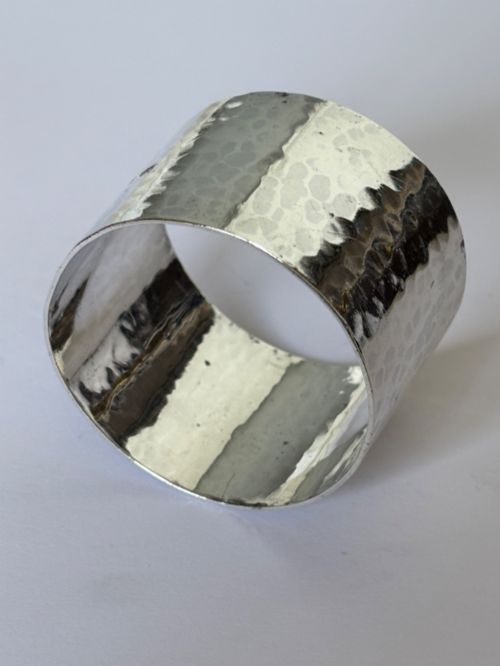
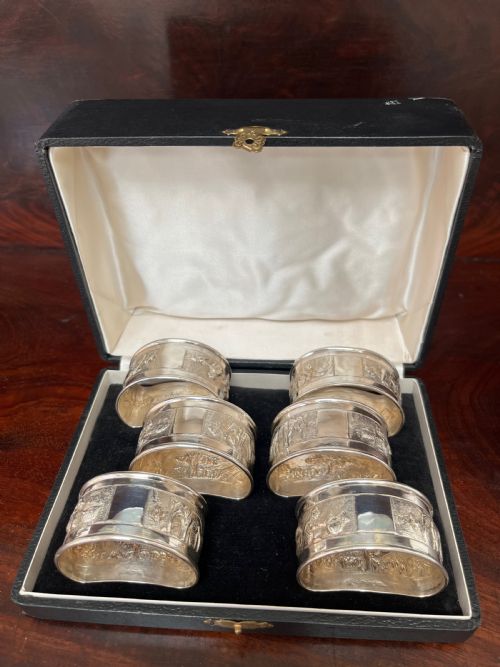
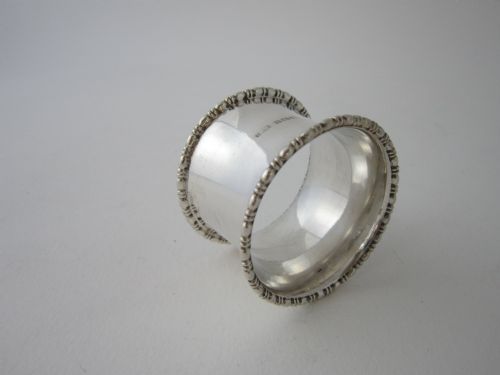
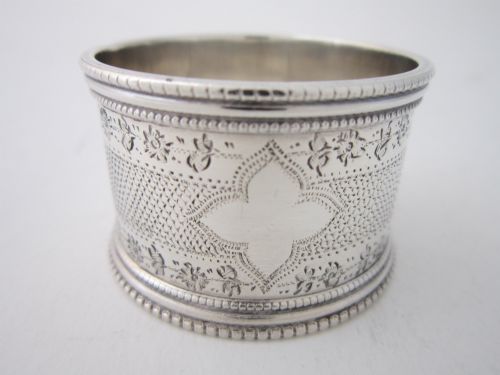
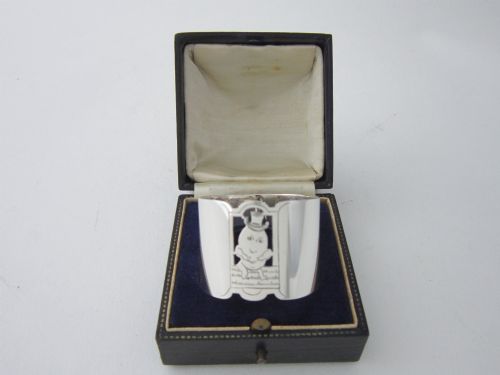
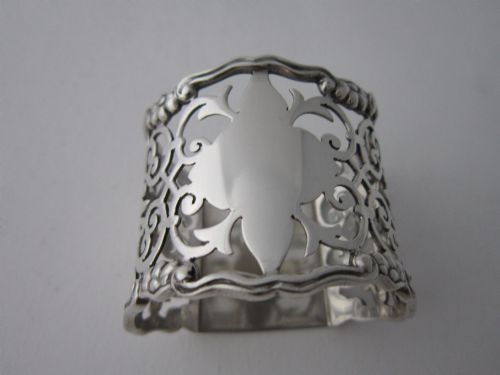
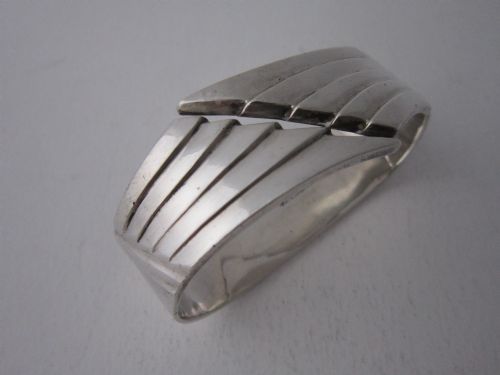
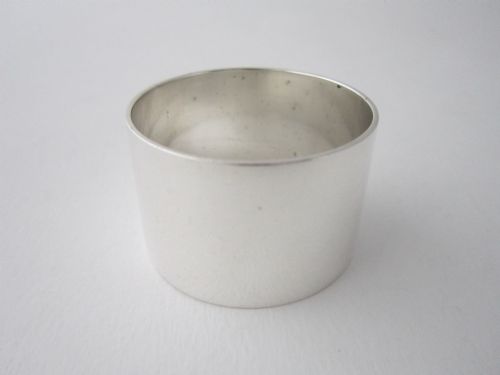
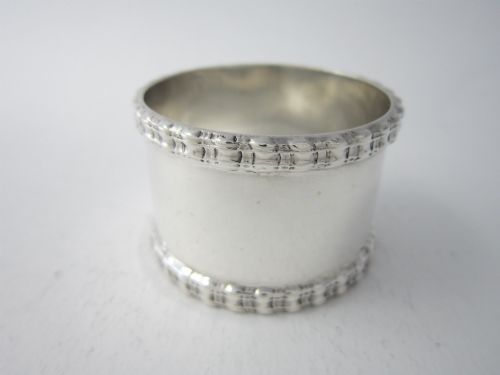
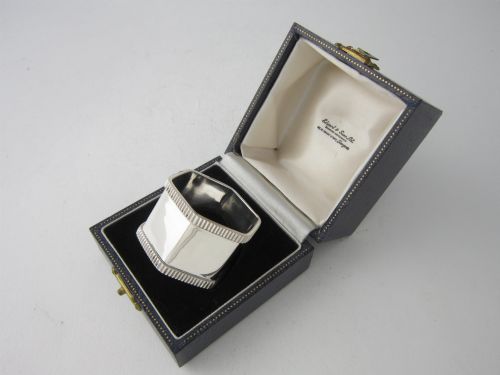
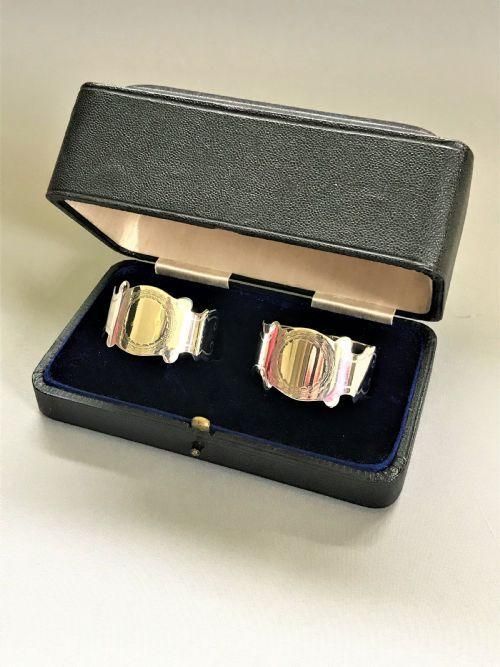
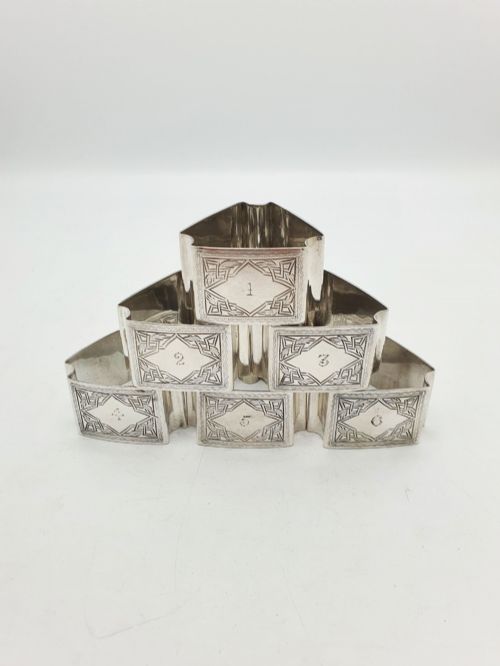
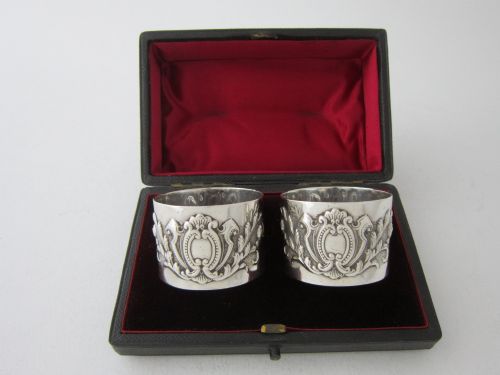
The selection includes hammered surfaces and plain polished bands, reflecting the aesthetic preferences of their respective decades. Origins span major English assay towns like Birmingham and Sheffield, showing the widespread domestic production of the early twentieth century. Each piece provides a direct link to formal dining customs of the past.
How they were made
The makers formed these objects primarily from sterling silver, shaping the metal into solid cylindrical bands. Techniques included hand hammering, a method prominent in Arts and Crafts examples that left visible texture on the surface.
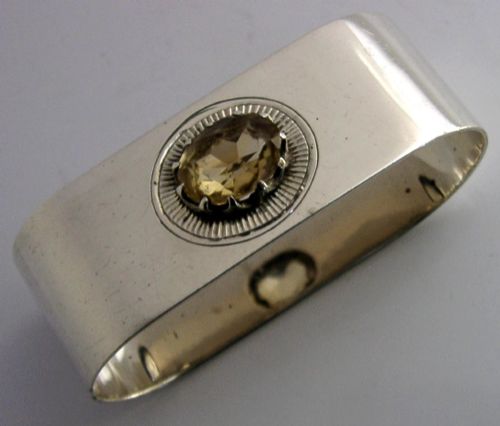
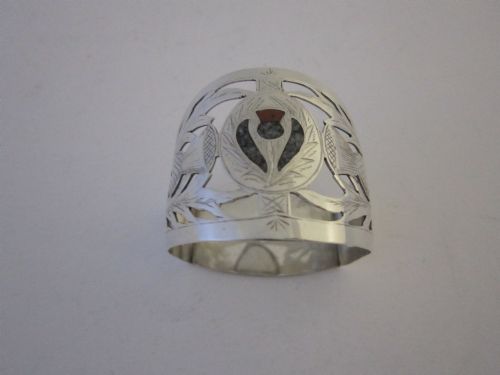
Some designs incorporate additional decorative elements, integrating gemstones or citrine into the silver framework. Hallmarks stamped directly into the metal record the assay office, year of production, and standard of silver.
Retail Price Guide 2026
Typical UK retail prices for silver serviette ring, calculated from the Sellingantiques database of over a million retail prices indexed since 2003. This retail price guide relies exclusively on Sellingantiques data; no external sources or auction records are used, so the figures do not describe the wider market.
Makers and guilds represented include Albert Edward Jones and the Guild of Handicraft, alongside assay marks from Birmingham and Sheffield.
What varies in quality
Quality in these table accessories rests upon the weight of the sterling silver and the distinctiveness of the design. Heavier solid silver pieces demonstrate a more substantial physical presence in the hand.
The distinction between standard commercial production and superior workshop output lies in the execution of decorative techniques. Hand-hammered surfaces and items attributed to specific guilds or named makers represent a higher tier of craftsmanship compared to plain machine-finished rings.
ALBERT EDWARD JONES·Guild of Handicraft·Arthur and John Zimmerman·Henry Williamson
The Antique Silver Serviette Ring Glossary
- Sterling silver
- A standard alloy of silver containing 92.5 percent pure silver and 7.5 percent other metals, usually copper. This composition provides the necessary durability for daily dining use.
- Assay office
- An official body that tested precious metals and stamped hallmarks onto items. Towns such as Birmingham and Sheffield housed prominent offices for this verification.
- Hallmark
- A series of official marks applied to precious metals indicating the maker, purity, assay office, and year of testing. These stamps allow accurate dating of the object.
- Arts and Crafts
- A design movement emphasising handcraftsmanship and traditional techniques over mass production. Pieces from this style often feature visible hand-worked textures.
- Citrine
- A yellow variety of quartz occasionally set into decorative metalwork. It provides a flash of warm colour on specific pieces.
Frequently Asked Questions
How do I use an antique silver serviette ring?
These rings are designed to hold individual cloth napkins neatly at the dinner table. They keep personal table linen organised between meals.
Simply roll or fold your napkin and slide it through the silver band. They add a touch of period elegance to any dining setting.
How do I know the date of my silver ring?
You can determine the date by examining the hallmarks stamped directly into the sterling silver. These official marks include a specific letter code that corresponds to the year of assay.
Additional context comes from the overall design style, such as the geometric lines of Art Deco or the textured surfaces of the Arts and Crafts movement.
What is the difference between Edwardian and 1930s styles?
Edwardian pieces often reflect a lighter, more ornate aesthetic dating from the early 1900s. They frequently feature refined decorative borders or traditional polished surfaces.
By contrast, items from the 1930s tend to embrace simpler geometric forms or the robust textures associated with earlier Arts and Crafts ideals. Each decade brought distinct visual preferences to the dining table.
Are these silver rings solid metal?
The pieces listed are made from solid sterling silver rather than plated base metals. This means the entire structure consists of the silver alloy.
Weight varies depending on the thickness of the metal and the presence of decorative hammering or set gemstones like citrine.