


Antique Silver Scent Phial
An antique silver scent phial is a pocket vessel for fragrance, combining precious metal work with glass to carry perfume through the Victorian and Edwardian eras.
Antique Silver Scent Phial
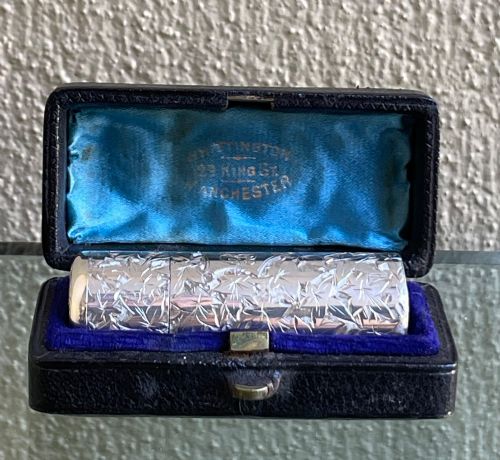
When you search for an antique silver scent phial, you are looking at small personal containers designed to hold volatile perfumes close at hand. These pieces emerge predominantly from Victorian and Edwardian workshops, spanning from the late nineteenth century into the twentieth century. The forms range from simple glass tubes with silver screw caps to elaborate figural designs shaped as eggs or owls.
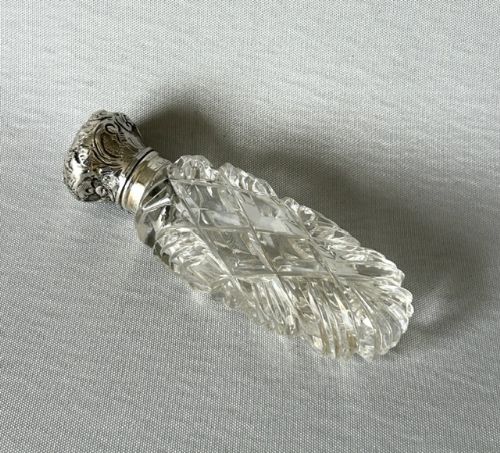
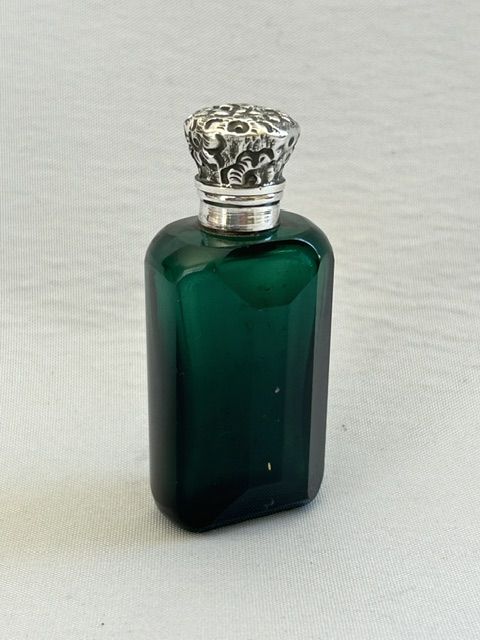
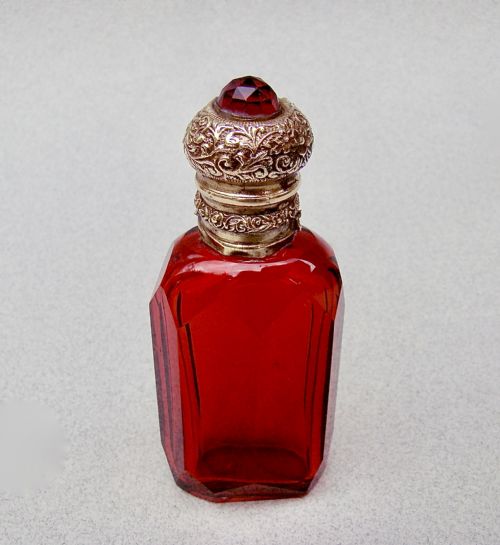
On this page, you are most likely to meet Victorian examples featuring sterling silver mounts paired with coloured glass bodies. Bristol green, cranberry glass, and ruby glass appear frequently alongside cut and etched crystal. Makers such as Horton and Allday produced fitted lids and hinged caps that protected delicate glass stoppers within.
The selection extends into Edwardian and Art Deco periods, introducing enamel tops and geometric forms alongside double-ended formats. French makers also contributed ormolu mounts and glass combinations during the nineteenth century. Each piece reflects the social habits of an era when portable scent was a daily necessity.
How they were made
Makers utilised sterling silver for the mounts, caps, and hinged collars, often applying repoussé, engraving, or chased detail to the exterior surfaces. These metal components were hand-formed to secure tightly over glass necks, preventing the evaporation of expensive perfumes.
The glass bodies were shaped through blowing and moulding, frequently employing rich colours such as cranberry, ruby, and Bristol green. Artisans then cut, etched, or faceted the glass exterior to catch the light and provide a secure grip for the hand.
Internal stoppers made of glass or cork created a secondary seal inside the silver cap. Leather and silk linings occasionally appeared in fitted travel cases, though the phials themselves relied on precision-fit metalwork.
Listings feature sterling silver combined with cranberry glass, Bristol green glass, and cut crystal across Victorian and Edwardian periods.
What varies in quality
The calibre of an antique silver scent phial rests on the weight and crispness of the silver mount. Finer examples display deep, sharp chasing and well-defined hallmarks rather than thin, pressed sheet metal that bends easily in the hand.
Glass quality separates standard production from superior pieces, with thick, heavy lead crystal and intense, uniform glass colour commanding greater attention. The precision of the cut or etched patterns and the smoothness of the glass rim beneath the cap reveal the skill of the original glassblower.
The integrity of the mechanical fit determines everyday practicality. Superior pieces possess tightly sealing hinged lids or screw caps that align perfectly with the inner stopper, maintaining closure without stiffness or play.
Horton and Allday
The Antique Silver Scent Phial Glossary
- Sterling silver
- A silver alloy containing 92.5 percent pure silver and 7.5 percent other metals, usually copper. This standard composition provides the durability required for functional pocket items.
- Cranberry glass
- A translucent pink-red glass coloured by the addition of gold chloride during manufacture. It became highly popular for Victorian scent bottles and decorative tablewares.
- Double-ended scent bottle
- A vessel with compartments at both ends, allowing the owner to carry two different perfumes or smelling salts simultaneously. These typically feature hinged caps at each extremity.
- Ormolu
- Finely ground high-carat gold applied to a bronze base using a mercury amalgamation process. French makers utilised this technique for decorative mounts on nineteenth-century glass bodies.
- Hallmark
- A series of official marks stamped on precious metal items indicating the maker, purity standard, assay office, and year of testing. These stamps allow precise dating of British silver mounts.
Antique Silver Scent Phial: Frequently Asked Questions
How were scent phials used?
Owners carried them daily to counter unpleasant odours in public spaces or to revive individuals suffering from faintness due to tight corsetry. A small glass stopper inside the silver cap prevented leakage while allowing a few drops to be applied to a handkerchief.
Double-ended versions allowed ladies to carry a refreshing scent in one end and reviving salts in the other during long social engagements.
How do I date an antique scent bottle?
Dating relies heavily on the silver hallmarks stamped onto the caps and collars, which indicate the specific assay office and year of production. Stylistic markers, such as the vibrant colours of Victorian glass or the geometric lines of Art Deco enamel, provide a broader chronological frame.
Checking the form against known production periods helps narrow down the decade of manufacture.
How should I clean silver and glass scent bottles?
Silver mounts require gentle cleaning with a soft cloth and a specialised silver polish, avoiding contact with the glass body where possible. Glass interiors can be rinsed with warm water, though aged cork or paper linings should be kept entirely dry.
Harsh chemical immersion should be avoided to protect coloured glass treatments and delicate enamel details.