
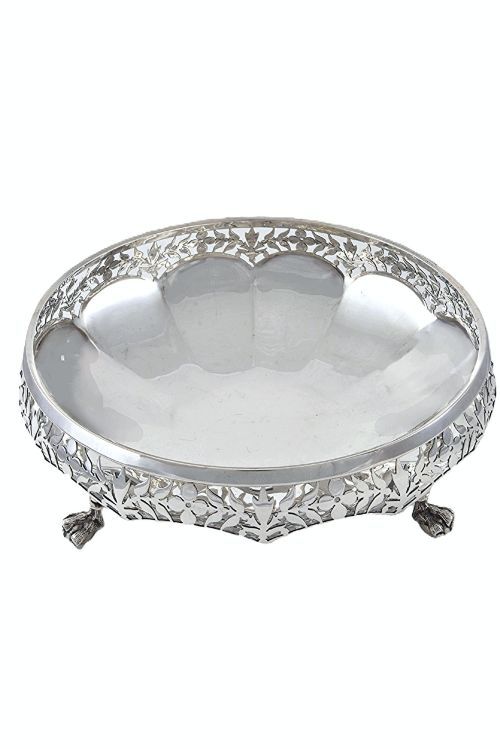


Antique Silver Rose Bowl
An antique silver rose bowl brings Victorian and Edwardian craftsmanship to the table, offering a striking centrepiece for modern floral displays.

What an antique silver rose bowl is
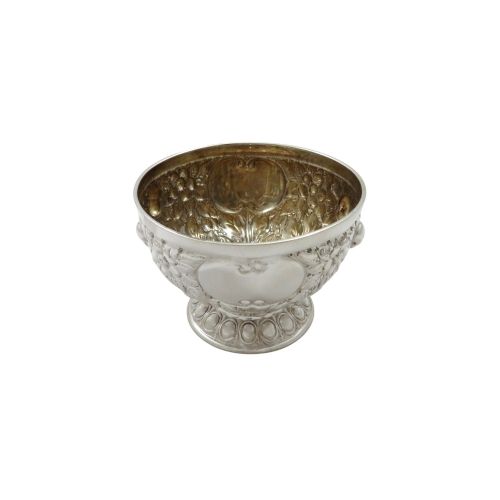
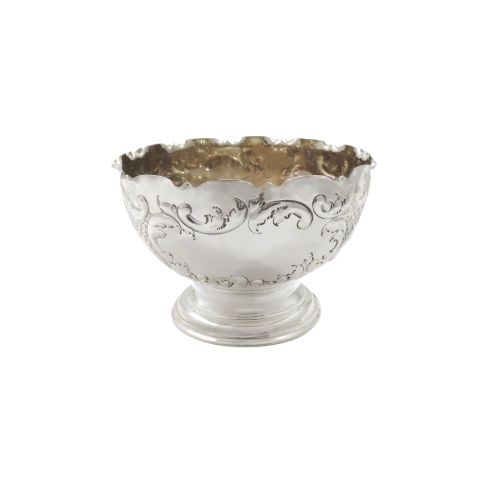
An antique silver rose bowl is a deep decorative vessel designed specifically to hold short-stemmed arrangements of roses, often accompanied by a wire flower grid or domed lid. These pieces typically take the form of circular bowls resting on pedestal feet or flat bases, functioning as centrepieces for dining tables and reception rooms.
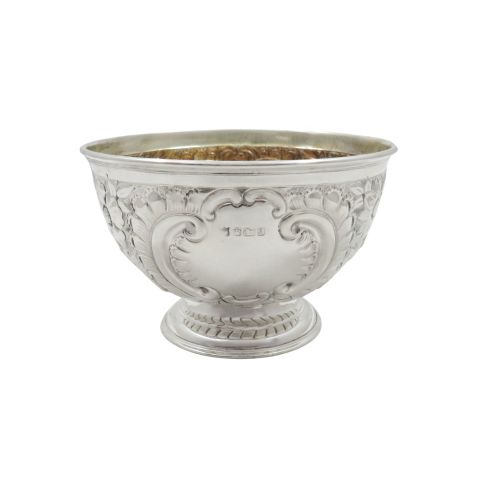
The versions met on this page span the Victorian and Edwardian periods, including heavy presentation pieces and substantial centrepiece bowls. Examples range from plain sterling silver forms to heavily decorated vessels featuring repousse work and hunting scenes.
How they were made
These items are constructed from sterling silver, shaped through traditional silversmithing techniques including spinning, hammering, and casting. Master smiths formed the main body from sheet metal before applying weighted or reinforced pedestal bases.
Decoration was applied by hand, utilising repousse techniques to push the metal from the reverse and create raised relief designs. Makers also employed chasing, engraving, and piercing to finish the rims and surface details.
Retail Price Guide 2026
Typical UK retail prices for silver rose bowl, calculated from the Sellingantiques database of over a million retail prices indexed since 2003. This retail price guide relies exclusively on Sellingantiques data; no external sources or auction records are used, so the figures do not describe the wider market.
What varies in quality
Quality in an antique silver rose bowl is determined by the gauge of the silver and the depth of the metalwork. Heavier vessels with substantial gram weights demonstrate superior material substance, whereas lighter examples offer more delicate proportions.
The crispness and execution of hand-applied ornamentation separate standard production from masterwork output. Superior pieces display sharply defined repousse scenes and well-balanced structural forms without distortion from past polishing.
Joseph Rodgers·Elkington and Co
The Antique Silver Rose Bowl Glossary
- Sterling silver
- A silver alloy containing 92.5 percent pure silver by mass, with the remainder consisting of copper or other metals. This standard has been used for centuries to ensure durability in household silver.
- Repousse
- A metalworking technique where the smith hammers the metal from the reverse side to create a raised design in relief on the front. It requires considerable skill to maintain even thickness across the vessel.
- Centrepiece bowl
- A large decorative bowl designed to sit in the middle of a table as the main visual focal point. These pieces are often larger and more ornate than standard serving bowls.
- Pedestal foot
- A raised base that lifts the bowl body off the table surface, providing architectural height and proportion. This form is common in Victorian and Edwardian presentation silver.
- Quaich
- A traditional two-handled drinking vessel from Scotland, adapted in later periods into shallow decorative bowls. They possess flat lug handles on opposite sides rather than standard loop handles.
Frequently Asked Questions
What was a silver rose bowl used for?
These bowls were designed to display short-stemmed roses and other garden flowers on dining tables and sideboard surfaces. They frequently included wire mesh inserts to keep the blooms separated and arranged evenly across the open top.
In many cases, they also served as presentation pieces or sporting trophies. Inscription panels were often engraved to mark civic achievements, club competitions, or retirement gifts.
How do I clean an antique silver rose bowl?
Cleaning requires a soft microfibre cloth and a reputable formulation of silver polish designed for antiques. Avoid harsh abrasive pastes and excessive rubbing that can wear away raised repousse details and thin the metal over time.
Wash the bowl in warm soapy water to remove residues after polishing, and dry it thoroughly with a lint-free cloth. Proper storage in an anti-tarnish bag helps maintain the finish between uses.
How can I tell the date of a silver bowl?
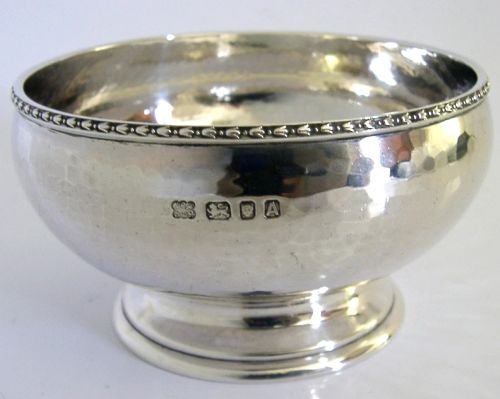
Dating relies heavily on hallmarks stamped into the metal by official assay offices. These tiny marks typically include a maker's mark, a standard mark for sterling silver, a city mark, and a date letter that corresponds to a specific year of manufacture.
Stylistic elements also provide clues, as Victorian pieces often feature heavy floral repousse work, while Edwardian examples can display cleaner classical revival lines or more restrained geometric borders.