


Antique Silver Plate Boat
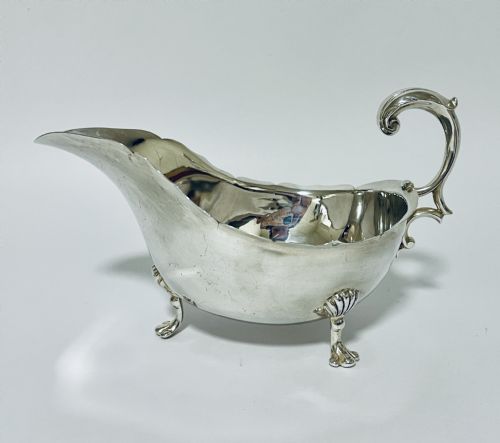
When you search for antique silver plate boat, you are looking at functional table vessels and maritime pieces shaped like hulls or designed for nautical use.
Antique Silver Plate Boat
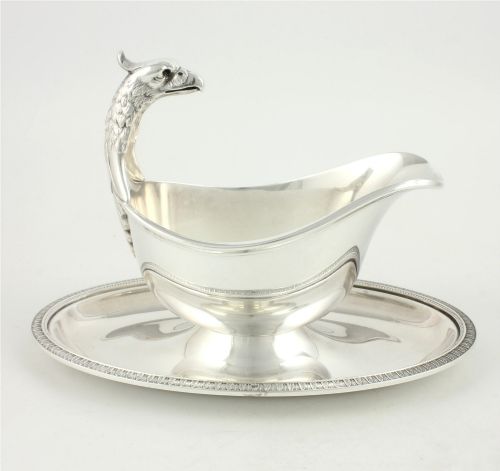
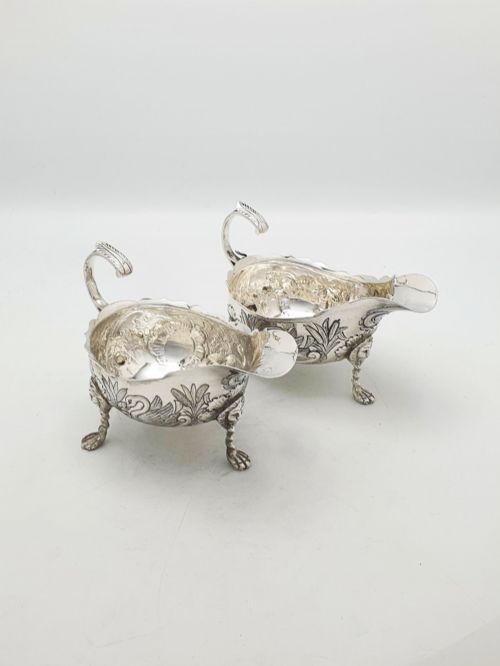
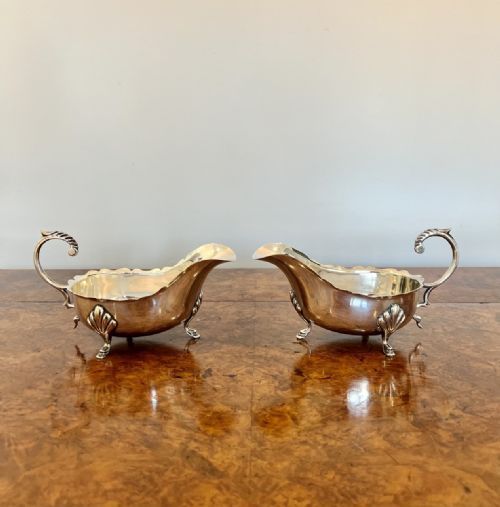
The phrase antique silver plate boat covers a diverse group of table vessels and lighting items, most commonly sauce boats, gravy warmers, tureens, and ship lamps. Sauce boats and gravy warmers dominate the selection, spanning periods from the eighteenth century through the Edwardian era and into the mid-twentieth century. Buyers encounter Georgian and Regency styles alongside Victorian, Edwardian, Art Nouveau, and Art Deco designs, with maritime themes appearing frequently.
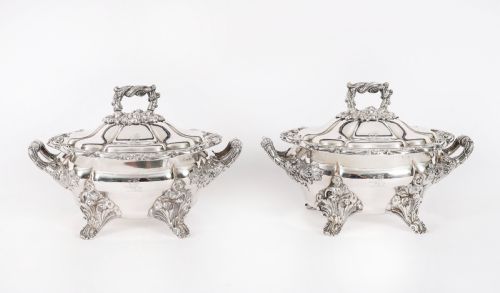
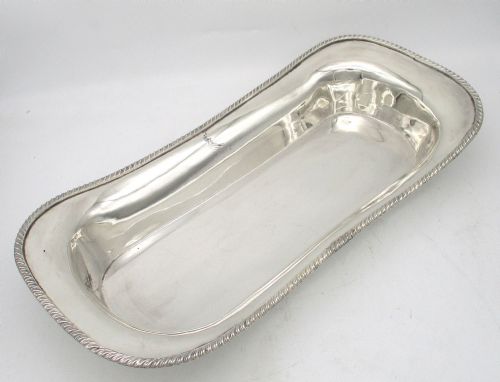
Beyond standard sauce boats, the category encompasses Old Sheffield plated tureens, nickel plated ship lamps with gimbals, condiment holders, bonbon dishes, and unusual novelty forms such as dinner gongs and spoon warmers. English craftsmanship forms the core of the selection, accompanied by notable French pieces and specific regional items. These vessels range from simple utilitarian table pieces to crested pairs with ornamental leaf detailing and figural legs.
Materials and construction methods
The items in this category rely primarily on silver plate and Old Sheffield plate, alongside structural metals such as copper, brass, and nickel. OldSheffield plate involves fusing a thin sheet of silver to a thicker copper base before shaping, a technique visible in eighteenth and nineteenth-century pieces. Later items utilise electroplating on a base metal foundation, creating an even metallic coating over the underlying body.
Construction techniques vary by object type, incorporating soldered joints for handles and feet, cast ornamental leaf detailing, and engraved crests. Maritime lighting pieces integrate brass and nickel plating with pivoting gimbal mechanisms designed to keep lamps level at sea. Walnut and oak accents appear in specific items, combining timber frames with silver plated mountings and wirework stands.
Listings feature items spanning the eighteenth century to the mid-twentieth century, including Georgian, Victorian, Edwardian, and Art Deco styles.
Distinctions in quality
Quality in these pieces rests upon the crispness of the casting and the preservation of the original plated surface. Finer examples display sharp definition in chased or engraved decorative motifs, such as ornamental leaf borders and heraldic crests, rather than worn or softened details. The weight of the metal and the structural integrity of handles and supporting feet also signal superior manufacture.
The transition from Old Sheffield plate to later electroplated wares introduces distinct textural and visual qualities. Pieces that retain their thick fused silver layers show a different depth of finish compared to standard mass-produced electroplate. Maker attribution and matched pairs rather than assembled sets further distinguish the upper tier of the range.
Christofle Gallia·Padley Parkin And Staniforth·W M F·Mappin And Webb·James Dixon·William Hutton And Sons
The Antique Silver Plate Boat Glossary
- Old Sheffield Plate
- An early form of silver plating created by fusing a sheet of silver onto a copper ingot before rolling them into sheets. This technique predates modern electroplating and leaves characteristic edges where the underlying copper is visible.
- Argyll
- A type of gravy warmer featuring a central heating compartment or double walls designed to keep sauces hot at the table. These vessels often include spouts and lids for practical service.
- Gimbal
- A pivoted ring system used to keep ship lamps level despite the motion of a vessel. It appears on maritime lighting pieces found within this category.
- Sauce Tureen
- A small covered serving dish for gravies or sauces, usually supplied with an integrated or separate stand. These vessels often date from the Georgian and Victorian periods.
- Taza
- An ornamental pedestal bowl or shallow cup raised on a foot. Art Deco and Edwardian examples occasionally adopt this form for table presentation.
Antique Silver Plate Boat: Frequently Asked Questions
What is an antique silver plate boat used for?
These vessels served primarily for pouring sauces, gravies, and melted butter at formal dining tables during the eighteenth, nineteenth, and early twentieth centuries. Table pieces such as sauce boats and tureens held liquids, while specialised items like gravy warmers kept contents heated throughout a meal.
Other items included in this category, such as ship lamps and dinner gongs, served practical and decorative functions in maritime environments or large country houses. Their forms reflect the specific domestic and nautical requirements of their respective periods.
How do I identify Old Sheffield plate?
Old Sheffield plate involves a distinct fusing method where a thin layer of silver is bonded to copper before shaping. Inspecting the edges often reveals a subtle line or shadow where the underlying copper shows through the worn silver.
Pieces made with this technique generally date from the eighteenth to the mid-nineteenth century. They lack the uniform chemical appearance of later nineteenth-century electroplated items.
What periods do these pieces come from?
The pieces span from the eighteenth century through the Victorian and Edwardian eras up to the mid-twentieth century. Georgian and Regency examples sit alongside nineteenth-century works and later Art Nouveau or Art Deco designs.
Stylistic markers such as neoclassical lines, floral Edwardian embossing, and geometric Art Deco shapes help assign items to their respective eras.
How do I care for silver plated tableware?
Silver plated items require gentle cleaning with dedicated silver polish and soft cloths to avoid damaging the thin metallic surface. Harsh abrasives will wear through the plating and expose the underlying base metal, particularly on raised details and edges.
Store these pieces in dry environments away from direct sulfur sources to minimise tarnish accumulation. Regular, careful maintenance preserves the original finish.