


Antique Silver Owl
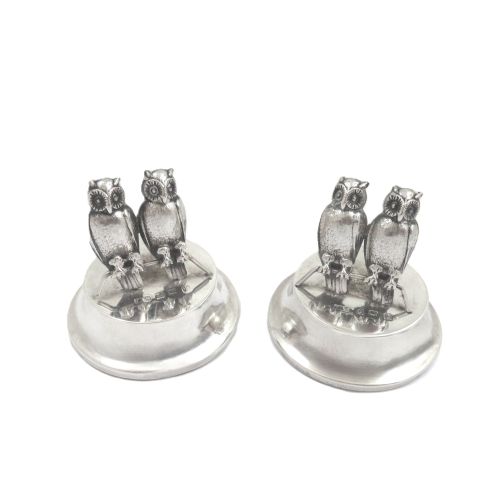
When you search for antique silver owl, you are looking at figural tableware, desk items and novelties shaped as birds from the Victorian, Edwardian and later periods.
Antique Silver Owl
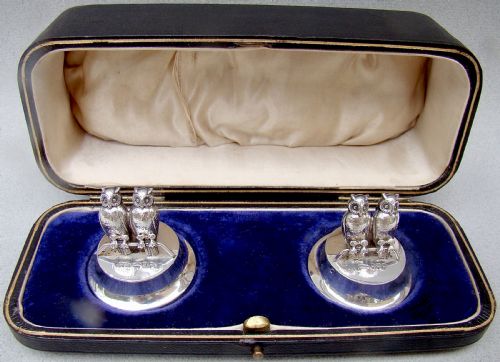
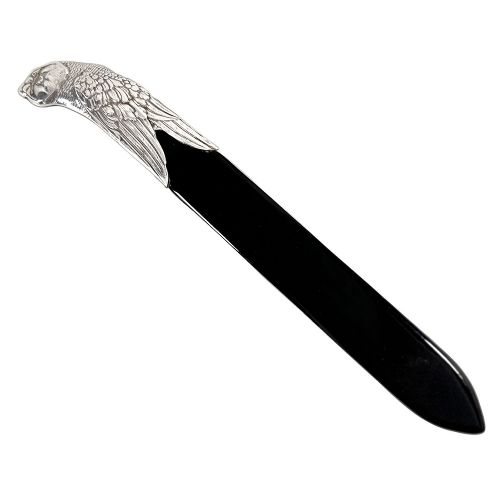
An antique silver owl takes many functional forms, appearing as menu holders, pepper pots, inkwells, scent bottles and desk accessories. The most common survivals on this page date from the Victorian and Edwardian decades, often created as novelty items for the dining table or desk.
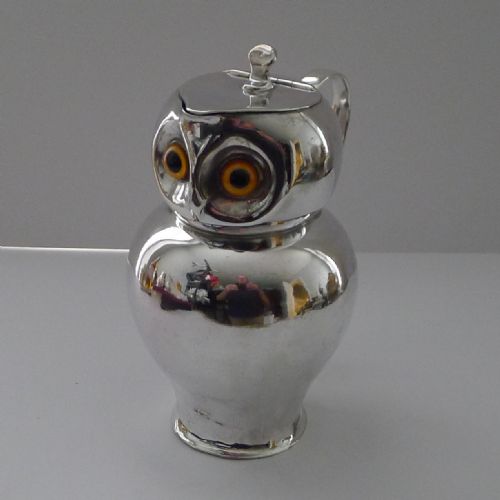
Makers utilised sterling silver and silver plate to shape these birds, frequently incorporating glass for prominent eyes. Alongside condiment sets and sugar boxes, these figural pieces reflect a Victorian and Edwardian taste for naturalism combined with utility.
How they were made
Silversmiths constructed these figural pieces using sterling silver or silver plate, shaping metal through casting, chasing and hammering techniques. Many examples combine the metal body with inset glass eyes to create a realistic expression.
Complementary materials appear across the objects, including glass for scent bottles, leather, silk, and velvet linings for cases, and celluloid or pewter for specific desk accessories.
Several Victorian owls peer out with distinct glass eyes fixed on unsuspecting dinner guests.
What varies in quality
The standard of modeling distinguishes simpler utilitarian items from pieces with detailed feather chasing and realistic proportions. Quality rests in the crispness of the casting and the expression captured in the face.
The inclusion of original fitted cases and intact, matching components, such as glass eyes or companion condiment shakers, elevates the standing of a piece within its period.
Levi & Salaman·Sampson Mordan
The Antique Silver Owl Glossary
- Novelty silver
- Silver items shaped as animals, figures or inanimate objects rather than traditional vessels. These pieces were popular during the Victorian and Edwardian eras for the table and desk.
- Menu holder
- A small desk or table accessory designed to hold a place card or menu card upright. They were frequently produced as pairs or sets in figural animal designs.
- Pepperette
- A small shaker or pot used for dispensing ground pepper at the dining table. Victorian examples often took the form of birds and animals.
- Sterling silver
- An alloy containing a high proportion of pure silver combined with other metals for durability. British pieces typically bear hallmarks indicating this standard.
- Chasing
- A metalsmithing technique where designs are hammered into the front surface of the metal to create texture and relief. This method defines feather patterns on figural pieces.
Antique Silver Owl: Frequently Asked Questions
How do I identify a Victorian silver owl piece?
Victorian examples often display hallmarks indicating the assay office and date letter corresponding to the nineteenth century, typically between 1870 and 1900. Stylistically, they lean towards naturalistic feather rendering and heavy casting.
Many incorporate glass eyes and function as pepper pots, inkwells, or scent bottles rather than purely decorative ornaments.
Are silver plate and sterling silver owls different?
Sterling silver pieces consist of solid silver alloy throughout and bear official hallmarked stamps, while silver-plated items feature a thin layer of silver over a base metal core. Both materials were utilised for novelty animal items.
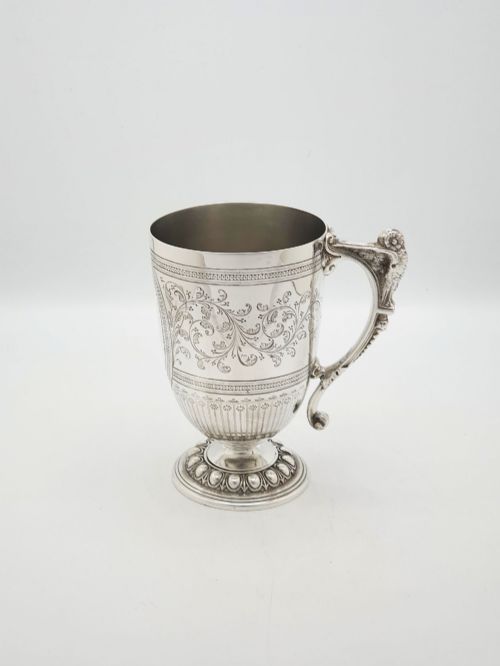
Plated pieces often date to the same late Victorian and Edwardian periods and share identical figural forms, including glass-eyed jugs and tankards.
How should I care for antique silver desk items?
Gentle dusting with a soft, dry cloth preserves the surface without removing the dark patina that accumulates in recessed areas like feathered crevices. Avoid abrasive polishes that can damage fine chasing or loosen glass eyes.
Keep pieces away from damp environments to protect any internal velvet linings, leather components, or wooden elements attached to the silver.