


Antique Silver Knife
An antique silver knife brings tactile weight and period character to the desk or dining table, spanning butter knives, fruit sets, and desk accessories.
Antique Silver Knife
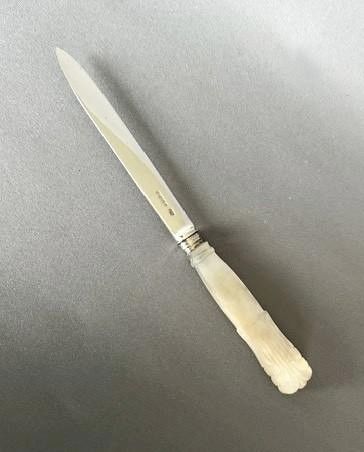
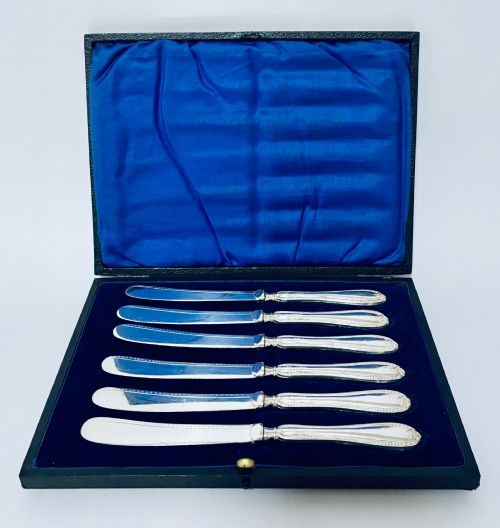
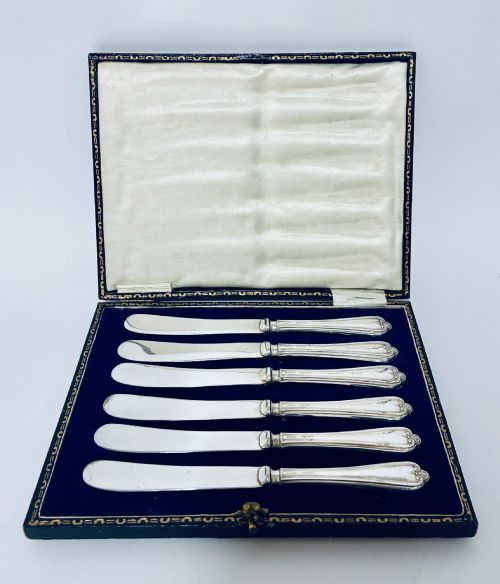
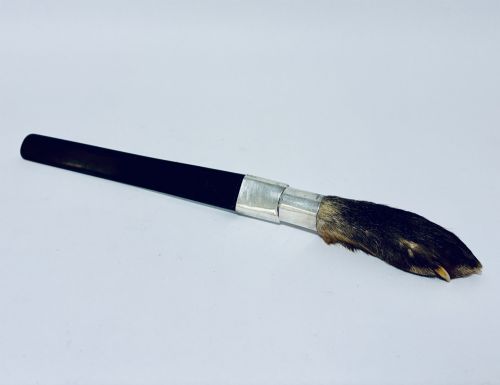
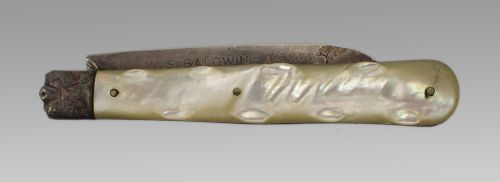
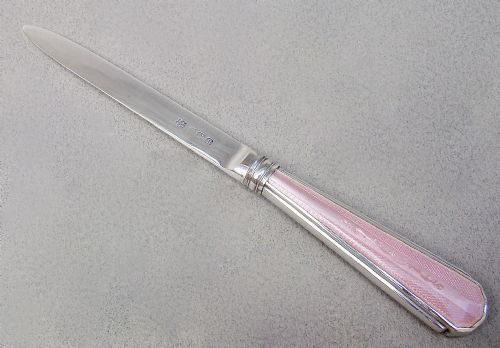
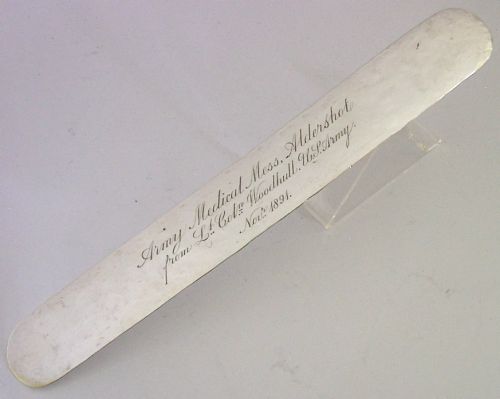
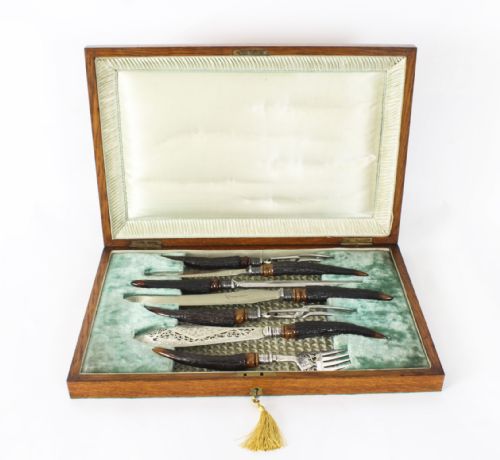
Butter knives and fruit knives frequently appear as cased sets of six, often featuring handles made of mother-of-pearl or sterling silver. Desk accessories like letter openers and page turners also populate the listings, utilising materials such as ivory, wood, and enamel alongside metal blades.
Materials and Construction Techniques
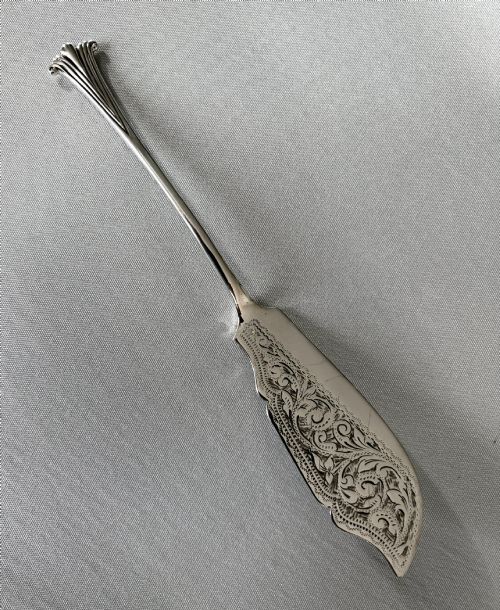
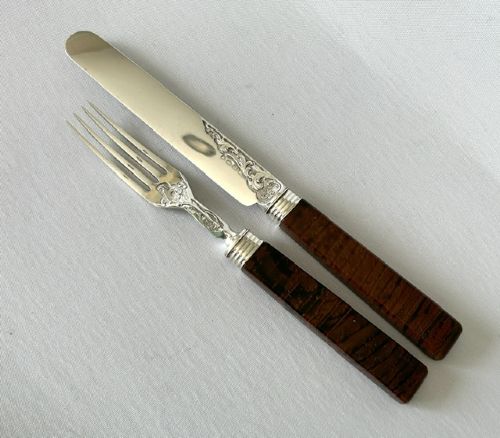
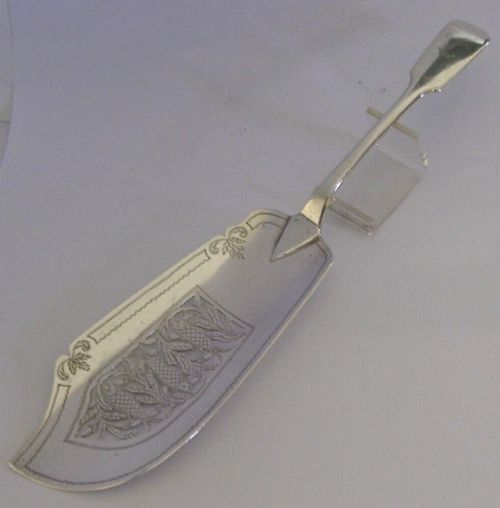
Makers utilised sterling silver and silver plate for blades, mounts, and handles, frequently pairing the metal with natural materials like mother-of-pearl, agate, wood, and antler horn. Techniques involved hand-forging, casting, and engraving, particularly evident in Victorian fish serving sets and Edwardian butter dishes.
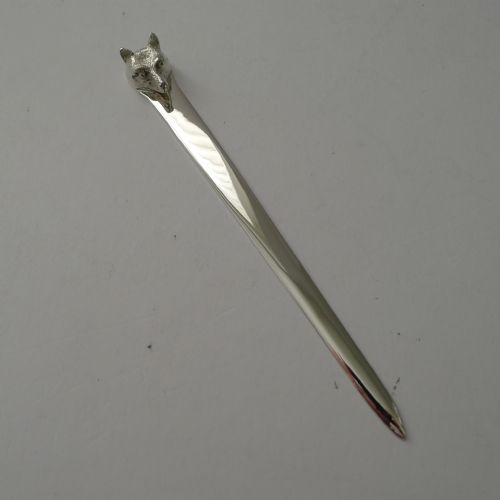
Specialised pieces incorporated decorative elements such as guilloche enamel, citrine stones, and cast figural terminals representing animals like foxes, greyhounds, and sphinxes. Cased sets often utilised fitted wooden boxes lined with velvet and silk to protect the cutlery.
Antique Silver Knife Retail Price Guide 2026
Typical asking prices for silver knife among the pieces listed under this phrase on Sellingantiques today, from the lower quarter to the upper quarter. They describe what is for sale here now, not the wider market.
Materials recorded across the inventory include sterling silver, silver plate, steel, mother-of-pearl, velvet, silk, wood, and agate.
Determinants of Quality and Craftsmanship
The standard of an antique silver knife rests upon the crispness of its chasing, the depth of its hallmarks, and the integrity of the joinery between blade and handle. Superior examples display balanced weight, securely seated handles without gaps, and finely executed decorative motifs rather than mass-produced stamping.
The quality of associated materials also dictates overall merit. Premium pieces utilise unblemished mother-of-pearl, unchipped agate, or precisely applied enamel, whilst lesser examples show wear to silver plating, loose joints, or replacement components.
Barker Brothers·Asprey·Georg Jensen·Goldsmiths & Silversmiths·Vale & John·Tiffany·Creswick
The Antique Silver Knife Glossary
- Sterling silver
- A silver alloy containing 92.5 percent pure silver and 7.5 percent other metals, usually copper, ensuring durability for cutlery. It bears hallmarks indicating the maker, assay office, and year of testing.
- Silver plate
- A base metal, such as copper or Britannia metal, coated with a thin layer of silver through electroplating or older techniques like Old Sheffield Plating. This method offered a lower-cost alternative to solid silver items.
- Mother-of-pearl
- The iridescent inner layer of mollusc shells, frequently carved into scales to form the handles of Victorian and Edwardian fruit and butter knives. It provides a smooth, tactile grip with natural tonal variation.
- Guilloche enamel
- A decorative technique where intricate geometric patterns are mechanically engraved into metal and then covered with translucent enamel layers. It appears on colourful Art Deco desk accessories and letter openers.
- Knife rest
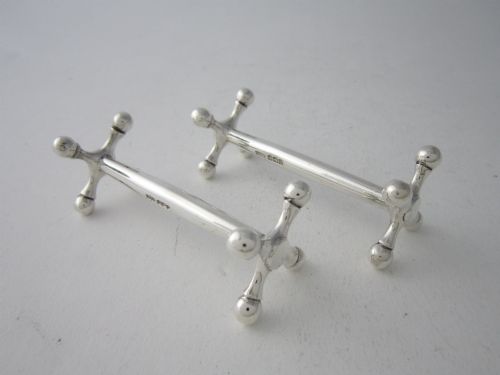
- A small support used to keep carving or dining cutlery elevated above the tablecloth between courses. They are often cast in silver or silver plate in figural forms such as animals.
Antique Silver Knife: Frequently Asked Questions
How do I clean antique silver knives?
Use a soft microfibre cloth and a specialist silver polish designed to lift tarnish without removing the underlying metal. Avoid abrasive pads or harsh chemical dips, which can damage handles made of mother-of-pearl, enamel, or organic materials.
Store pieces in dry conditions, preferably within lined boxes or anti-tarnish rolls, to minimise exposure to air and moisture that accelerates tarnishing.
What is the difference between a butter knife and a fruit knife?
Butter knives generally feature a wider, blunt blade designed for spreading rather than cutting, often appearing in matching sets of six for table use. Fruit knives possess pointed, narrower folding or fixed blades intended for slicing fresh fruit.
Victorian and Edwardian fruit knives frequently showcase elaborate engraving on the blade alongside decorative handles made of silver or mother-of-pearl.
How can I date an antique silver knife?
Examine the hallmarks stamped onto the metal, which typically include a maker's mark, a standard mark such as a lion passant for sterling, an assay office symbol, and a date letter. These stamps provide the exact year of manufacture for British pieces.
Stylistic indicators, such as the geometric lines of Art Deco items or the ornate engraving of Victorian pieces, help narrow down the period when hallmarks are absent or worn.