






Antique Silver Figure Ornament
An antique silver figure ornament brings sculptural presence to a desk or cabinet, spanning naturalistic animal studies and striking human forms.
Antique Silver Figure Ornament
When you search for an antique silver figure ornament, you encounter a diverse array of sculptural objects ranging from small desk accessories to cabinet models. These pieces serve decorative or functional purposes, appearing as practical items like pin cushions and inkstands alongside purely visual sculptures.
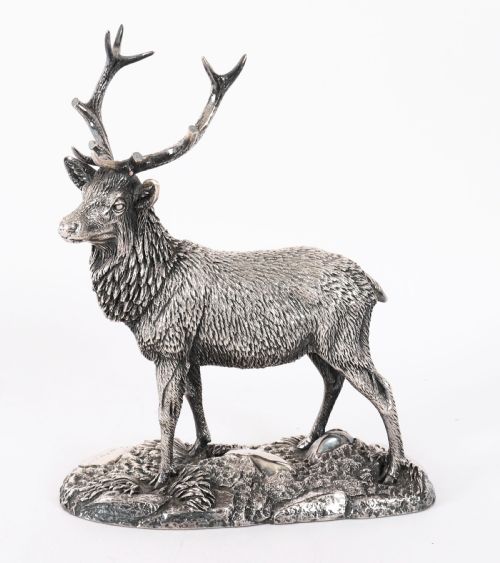
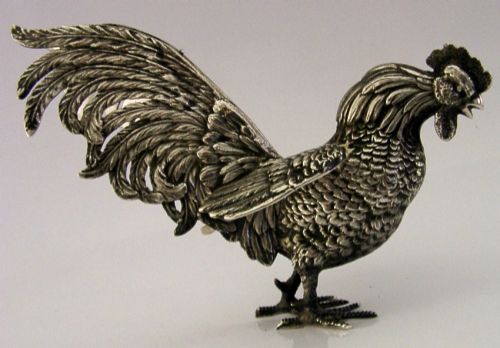
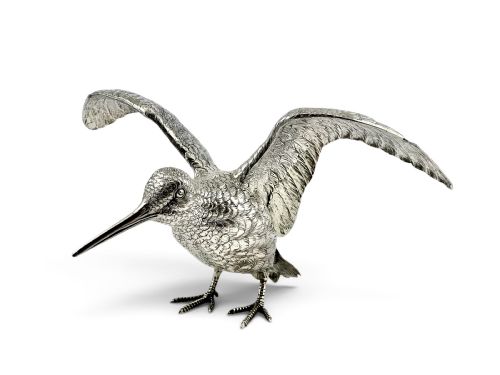
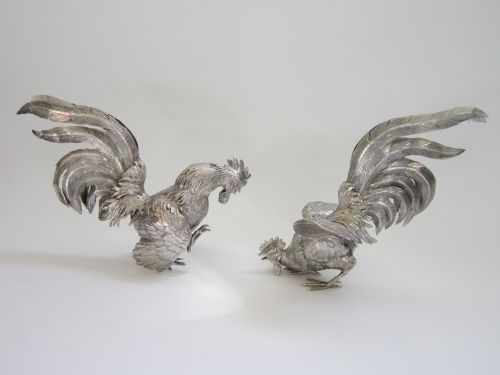
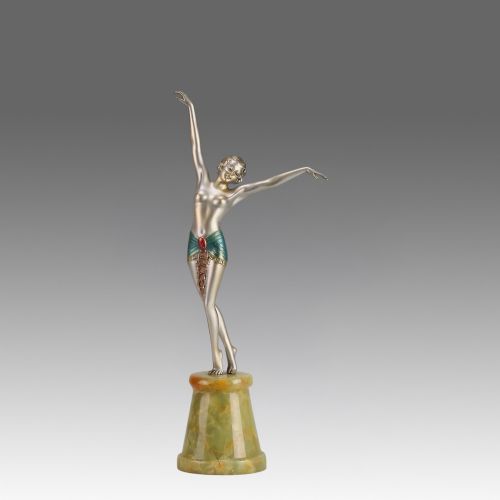
The selection on this page draws heavily from Victorian, Edwardian, and Art Deco periods, showcasing both British craftsmanship and continental European workshops. Animal figures such as birds, stags, and foxes share space with human dancers, classical figures, and historical subjects.
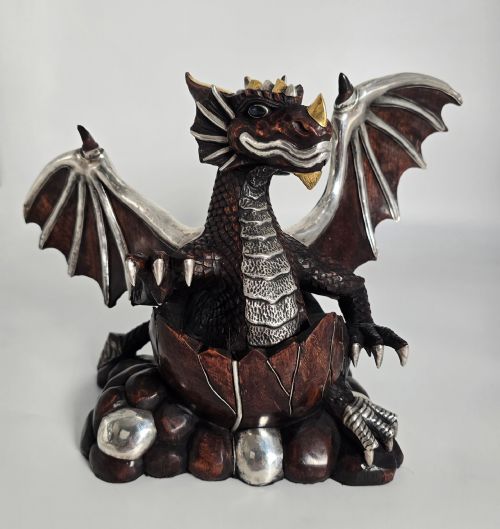
Solid sterling silver examples sit alongside silvered bronze, spelter, and mixed-media compositions mounted on marble or onyx bases. Buyers find everything from miniature desk paperweights to substantial table centrepieces.
How They Were Made
Makers of the Art Deco period frequently utilised silvered bronze or spelter over metal cores, applying patination or plating to achieve distinct metallic finishes. These metal figures frequently combine with carved marble or onyx bases to provide stability and contrast.
Antique Silver Figure Ornament Retail Price Guide 2026
Typical asking prices for silver figure ornament among the pieces listed under this phrase on Sellingantiques today, from the lower quarter to the upper quarter. They describe what is for sale here now, not the wider market.
Listings feature items from the Victorian and Edwardian eras alongside 1920s Art Deco works and mid-century British and European designs.
What Varies in Quality
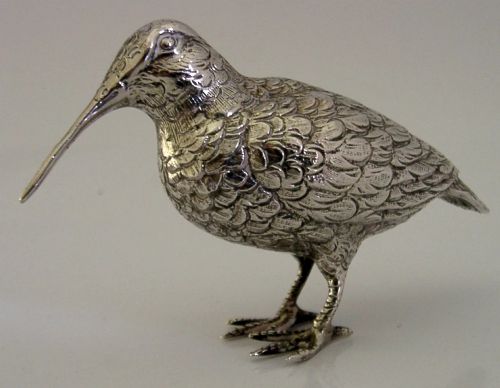
Quality rests upon the crispness of the casting and the sensitivity of the hand-finishing applied to the metal surface. Superior examples retain sharp feather texturing in birds, distinct muscular definition in animals, and clear facial expressions in human figures.
The integration of secondary materials dictates overall refinement, visible in the stability of marble plinths, the tightness of fitted joints, and the legibility of hallmarks or maker signatures stamped into the metal.
Tom Mackie·Josef Lorenzl·Edward and John Barnard·Pierre Le Faguays·Pierre Laurel·Claire Colinet·Boaz Moses·Michel Decoux·Geo Maxim
The Antique Silver Figure Ornament Glossary
- Sterling Silver
- A standard alloy consisting of 925 parts of silver per thousand, ensuring durability and consistent metal purity in British items. Hallmarks stamped into the piece verify this specific standard.
- Spelter
- A zinc-based alloy commonly utilised as a cost-effective alternative to bronze during the Art Deco era. It takes plating and patination well to simulate more precious metals.
- Animalier
- A nineteenth-century artistic genre dedicated to the realistic portrayal of animals. Sculptors in this style focus on anatomical accuracy and natural movement.
- Cold-Painted Bronze
- A technique where bronze sculptures receive oil-paint colours applied directly to the cold metal surface rather than fired in a kiln. This method allows for vivid, varied colouration on bird and human figures.
- Pin Cushion
- A small domestic accessory formed as a silver animal, popular in the Edwardian period. Pins insert into velvet or stuffed pads integrated into the metal body.
Antique Silver Figure Ornament: Frequently Asked Questions
What is an antique silver figure ornament?
These pieces comprise small sculptures, statuettes, and decorated functional objects cast or formed in silver, silvered bronze, or spelter.
They depict animals, birds, and human figures, reflecting design movements from the Victorian era through the Art Deco period.
How were silver animal figures used?
Many served as decorative table centrepieces, cabinet models, or mantel ornaments designed purely for display.
Others performed daily practical tasks, functioning as desk paperweights, inkstands, toothpick holders, pen wipes, or pin cushions.
How do I identify Art Deco figures?
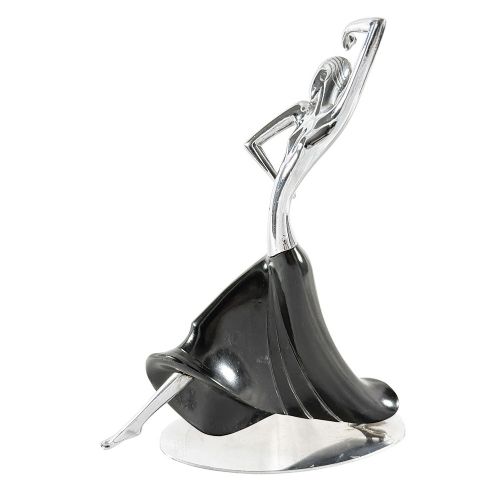
Art Deco pieces typically feature stylized human dancers, panthers, or geometric figural groups associated with the 1920s and 1930s.
They frequently combine silvered bronze or spelter with contrasting marble or onyx bases.
Where do these silver ornaments originate?
The selection includes British items bearing town marks and maker stamps from London silversmiths.
Continental European pieces, particularly from German workshops like Hanau and various French foundries, also feature prominently.