
Antique Silver Dressing Jar
An antique silver dressing jar brings refined organisation to a dressing table through fitted glass and hallmarked metal work.
Antique Silver Dressing Jar
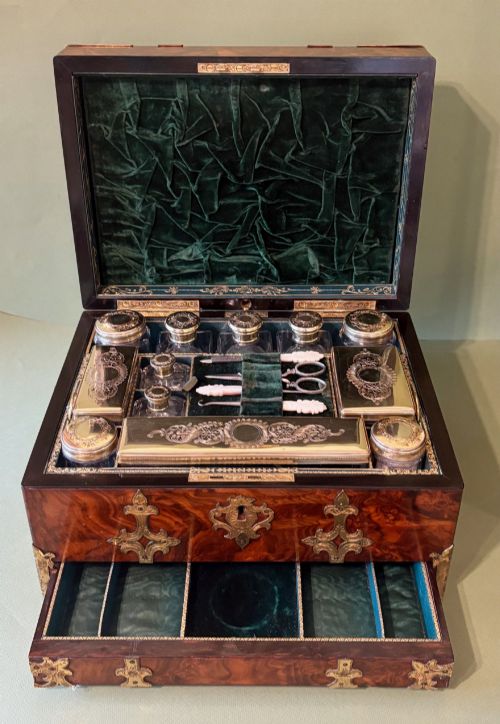
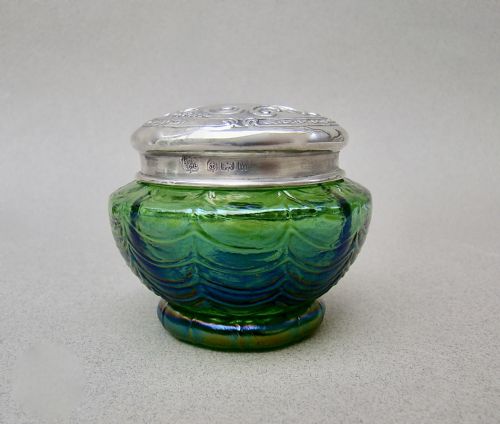
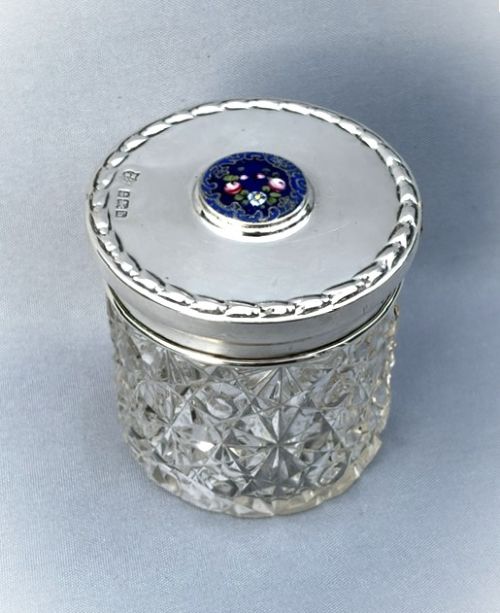
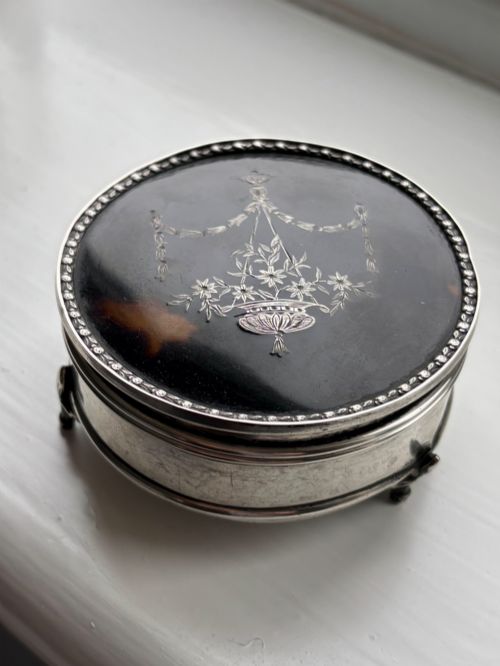
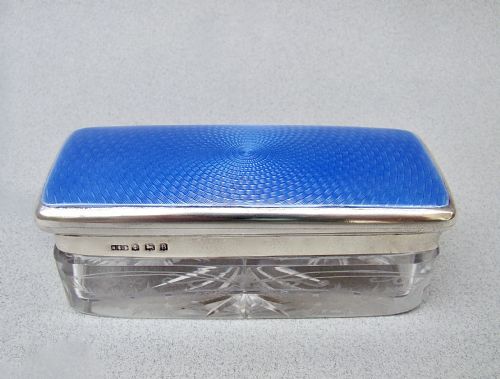
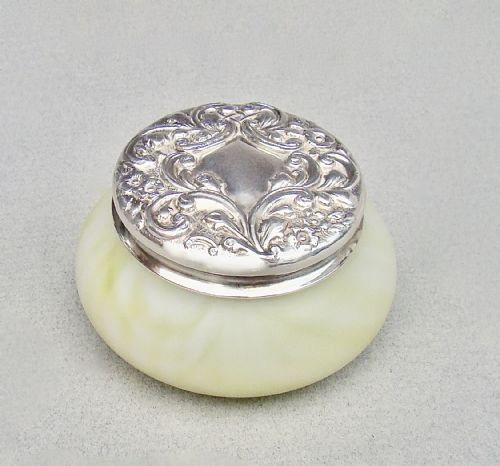
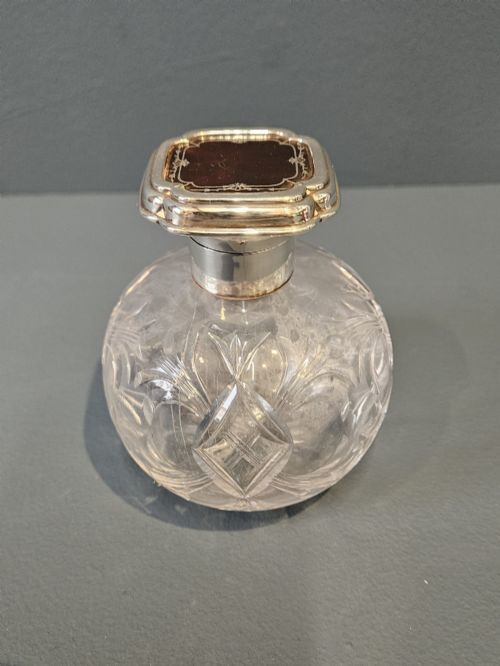
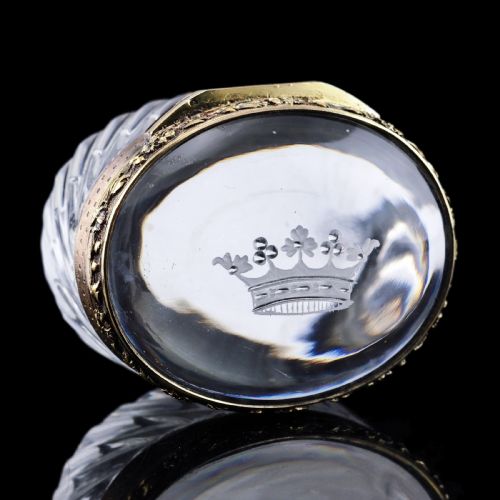
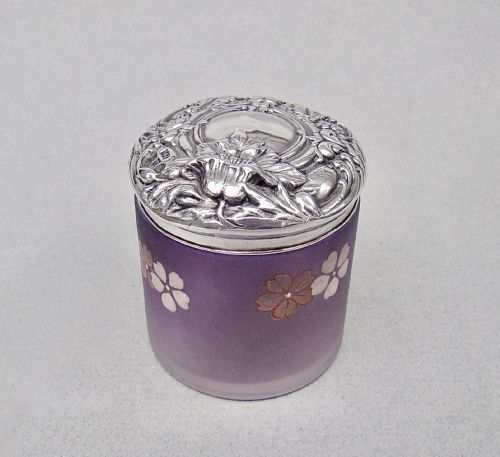
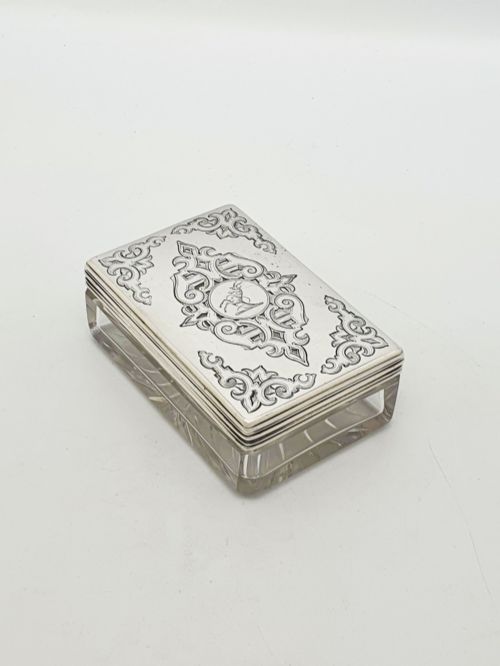
An antique silver dressing jar encompasses small lidded pots, scent bottles, and trinket boxes originally designed for vanity tables and travelling cases. The selection spans the Victorian and Edwardian periods into the Art Deco era, reflecting shifting tastes in personal grooming accessories. Buyers encounter cut glass bases paired with hallmarked silver lids, alongside examples incorporating enamel, tortoiseshell, and coloured glass.
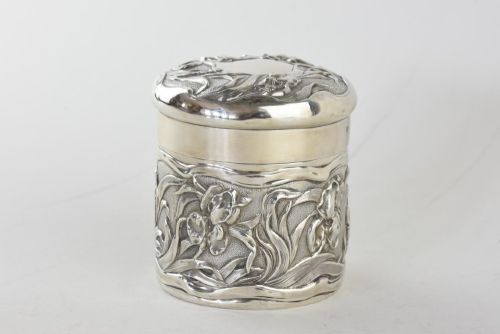
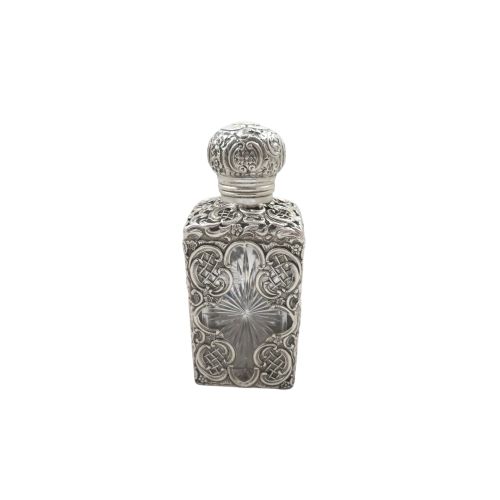
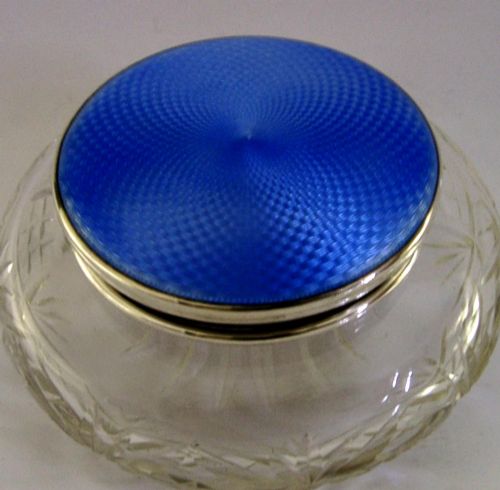
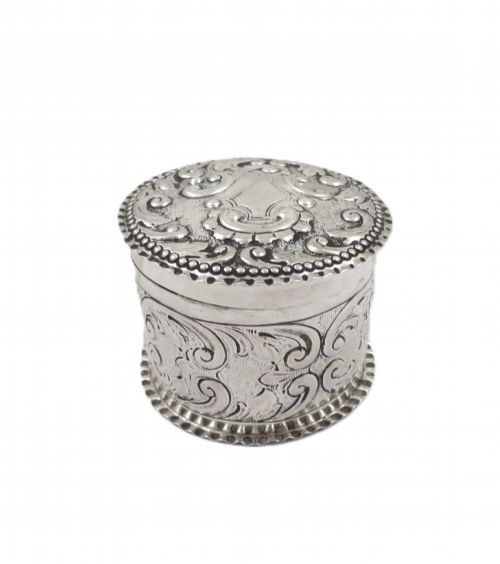
Varying forms appear across the listings, from cylindrical vanity pots and globular perfume bottles to rectangular trinket boxes and fitted dressing sets. Earlier Victorian iterations often feature heavy cut crystal and repousse decoration, while later George V and Art Deco pieces display geometric enamel work or clean silver mounts. Many pieces originate from British assay offices in Birmingham, Chester, and London, alongside continental European workshops.
Materials and construction
Makers combined sterling silver mounts with blown and moulded glass bases, often utilising heavy cut crystal or coloured glass such as cranberry, amethyst, and satin variants. Silver lids and collars were shaped using stamping, repousse, and spot-hammered techniques, then stamped with standard assay office marks, date letters, and maker's initials. Decorative elements frequently integrate guilloche enamel, tortoiseshell, pique work, or faux materials secured directly to the silver framework.
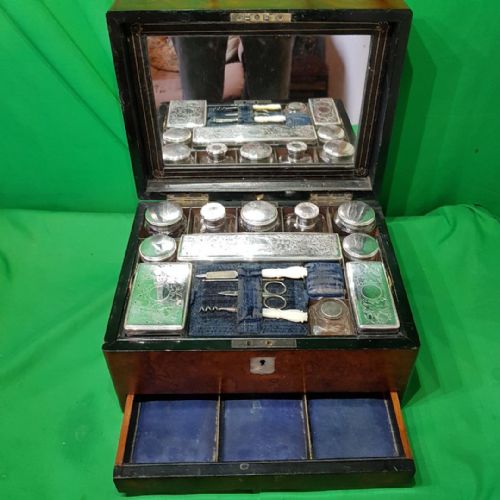
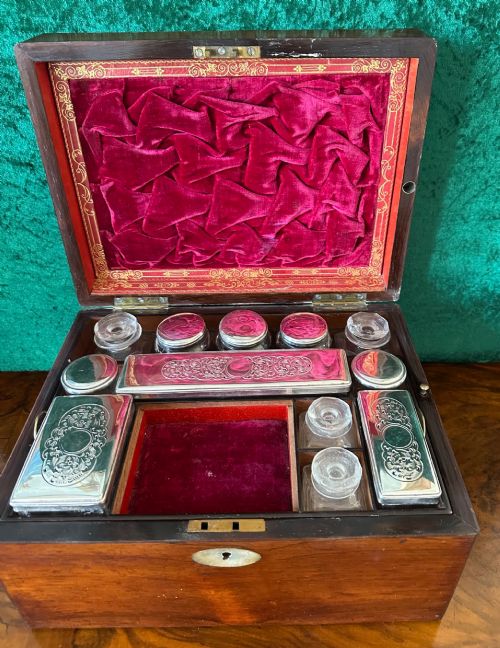
Fitted travel sets and larger vanity boxes integrate wooden carcases of mahogany or burr walnut lined with velvet and brass hardware to secure the glass jars internally. Scent bottles and jars rely on precise grinding between the glass neck and silver collar or stopper to maintain a secure closure for perfumes and cosmetics.
Listings feature items spanning from 1844 through the Edwardian period and the 1930s, utilising sterling silver, cut glass, enamel, and tortoiseshell.
Judging quality
Quality rests upon the weight and clarity of the glass base and the thickness of the silver used for the mount or lid. Finer examples display crisp hand-cut facets on the glass and detailed chasing or vibrant, undamaged enamel on the silver components. Maker attribution also influences standing, with well-documented silversmiths commanding greater recognition for their output.
The integrity of secondary materials like tortoiseshell, enamel, and velvet linings distinguishes standard production from superior pieces. Intact gilding on silver-gilt interiors and crisp hallmarks preserved without excessive polishing indicate better preservation and original manufacture.
A. J. Pepper & Co·Goldsmiths and Silversmiths Company·Asprey & Co·Adie Brothers Ltd·Nathan & Hayes
The Antique Silver Dressing Jar Glossary
- Guilloche
- A decorative technique involving precise mechanical engraving beneath translucent enamel to create repeating geometric patterns.
- Repousse
- Metalworking method where the silver is hammered from the reverse side to form raised relief designs on the lid or mount.
- Assay mark
- Official stamp guaranteeing the purity of the precious metal, including the town mark, standard mark, and date letter.
- Pique work
- Inlay technique featuring tiny gold or silver pins pressed into tortoiseshell to form delicate decorative motifs.
- Silver-gilt
- Sterling silver that has been coated with a thin layer of gold on its surface, often seen on interior mounts.
Antique Silver Dressing Jar: Frequently Asked Questions
How do I date an antique silver dressing jar?
Dating relies primarily on the assay office hallmarks stamped onto the silver mounts or lids. Each British assay office used specific date letters corresponding to the year of testing, alongside standard lion passant marks for sterling silver.
Stylistic cues such as Art Nouveau whiplash lines or Art Deco geometric enamel also help narrow the production era when hallmarks are rubbed or absent.
What were dressing jars originally used for?
These jars held powders, cold creams, pins, and perfumes on Victorian and Edwardian dressing tables. Many were also manufactured as components of larger portable dressing cases and travelling vanity boxes used by affluent travellers.
Inside fitted cases, individual glass jars protected volatile liquids and cosmetics during transit between residences.
How should I clean antique silver and glass?
Silver components require a gentle microfibre cloth and specialised silver polish applied sparingly to avoid touching adjacent enamel, tortoiseshell, or glass. Glass bases can be washed separately in warm soapy water using a soft brush to clear dust from cut facets.
Harsh chemical dips must be avoided because they damage organic elements, enamel fillings, and the original patina on the metal.
Are replacement lids common on dressing jars?
Many dressing jars have survived with mismatched or replacement lids because separate components were frequently swapped or lost over decades of use. Checking that the silver hallmarks on the lid match the collar mounts helps confirm original pairing.
Collectors look for consistent wear patterns across both the glass body and the silver top to verify authenticity.