



Antique Silver Dish Warmer
An antique silver dish warmer keeps food hot at the table through clever design and enduring materials, offering both historic charm and practical utility.
Antique Silver Dish Warmer
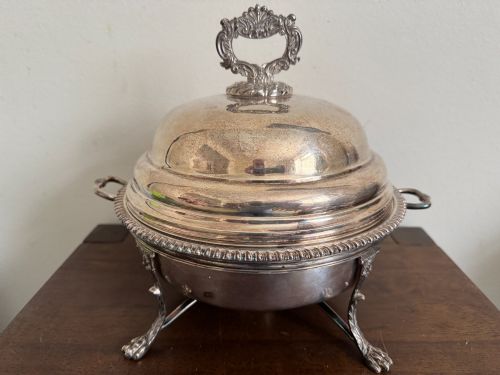
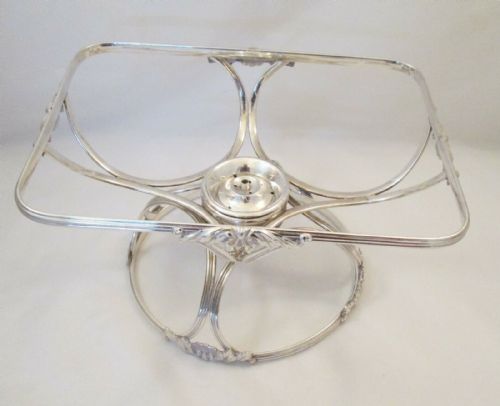
An antique silver dish warmer serves as a sophisticated table accessory designed to keep meals at the proper temperature during long dining courses. These practical pieces span several distinct eras, appearing in forms such as George III supper dishes with lampshades, Edwardian chafing dishes, and revolving breakfast servers.
Continental pieces like Italian silver food warmers also surface, demonstrating international variations on the theme of thermal food service. Each object reflects the dining customs of its era, combining metallic craftsmanship with functional heat retention.
Materials and construction
Silversmiths constructed these warming vessels using sterling silver, copper-infused Old Sheffield Plate, and various silver plating methods over base metals like nickel silver. Ceramic inserts frequently appeared inside silver plated or metallic frames to hold the food safely during the warming process.
Makers integrated spirit burners, lampstands, and hot water compartments beneath the main serving vessels to distribute heat evenly across the dish. Mechanical elements such as revolving mechanisms and dish crosses required precise metalworking to ensure smooth movement and stable support.
Antique Silver Dish Warmer Retail Price Guide 2026
Typical asking prices for silver dish warmer among the pieces listed under this phrase on Sellingantiques today, from the lower quarter to the upper quarter. They describe what is for sale here now, not the wider market.
Materials represented include sterling silver, silver plate, Old Sheffield Plate, copper, and ceramic components.
Judging quality and execution
Quality in an antique silver dish warmer rests upon the heaviness of the metal gauge and the integrity of the underlying plating or solid silver construction. Finer examples display crisp hand-chased details, robust hinges on revolving lids, and original matching burners or lampstands.
Maker marks from prominent firms like Mappin and Webb or named silversmiths such as Dan Holy indicate superior workshop execution. The harmonious integration of ceramic liners and metal stands further separates standard utilitarian items from exceptional dining silver.
Mappin and Webb·Dan Holy·Gioielleria Agliardi Cassino
The Antique Silver Dish Warmer Glossary
- Old Sheffield Plate
- A fused composite material made by melting a sheet of sterling silver onto a thicker copper base before rolling them together. This technique predates modern electroplating and produces a rich, warm metallic lustre.
- Dish Cross
- An adjustable metallic frame placed on the dining table to support hot dishes above a central spirit lamp. The arms extend to accommodate various vessel sizes.
- Chafing Dish
- A heated vessel used to cook or keep food warm at the table using an underlying burner. Victorian and Edwardian iterations often combined silver plate with ceramic liners.
- Electroplated Nickel Silver
- A base metal alloy of copper, nickel, and zinc coated with a thin layer of pure silver through an electrical process. This method became widespread for producing durable tableware.
- Supper Dish
- A large compartmentalised serving vessel equipped with a cover and lampstand, popular during the Georgian period for extended evening meals.
Antique Silver Dish Warmer: Frequently Asked Questions
How did a dish warmer operate on the dining table?
These devices utilised internal hot water compartments, boiling water pans, or small spirit burners positioned underneath the main serving area. The steady heat from the flame or water kept food warm throughout lengthy courses.
Dining rooms of the eighteenth and nineteenth centuries relied on these systems before modern electric warming trays existed.
What is the difference between Old Sheffield Plate and silver plate?
Old Sheffield Plate involves physically fusing a layer of sterling silver to a copper core through heat and pressure. Later silver plating methods used electricity to deposit a silver coating onto nickel silver or other base metals.
Items made from Old Sheffield Plate often show subtle hints of copper where the top layer has worn thin through generations of polishing.
Can I use an antique warmer for modern dining?
Many of these pieces remain fully functional for serving hot food at modern dinner parties. Replacements for missing burners or fuel holders can sometimes be sourced if you intend to light them.
Careful hand washing and gentle silver care will protect the historical metal finishes from unnecessary wear.