



Antique Silver Dips
These antique silver dips, traditionally used for table salt or condiments, bring remarkable craftsmanship and period elegance to modern dining.
Antique Silver Dips
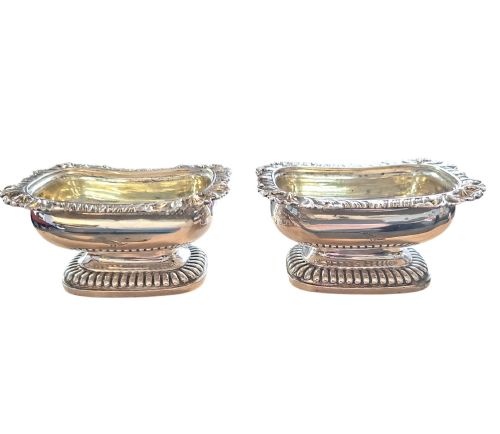
When searching for antique silver dips, collectors encounter small tableware items primarily comprising open salt cellars, salt boats, and condiment dishes. These pieces originate across the Georgian, Victorian, and Edwardian eras, spanning the eighteenth century through to the early twentieth century.
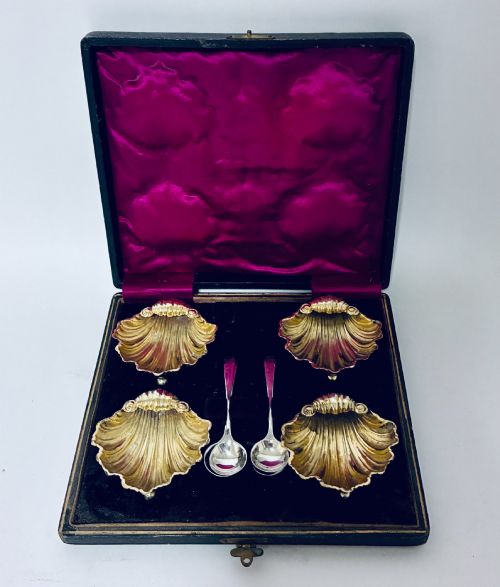
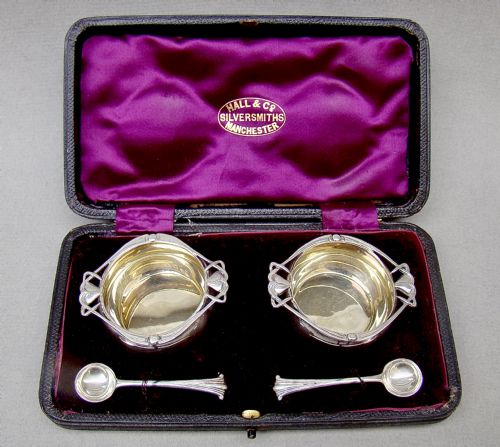
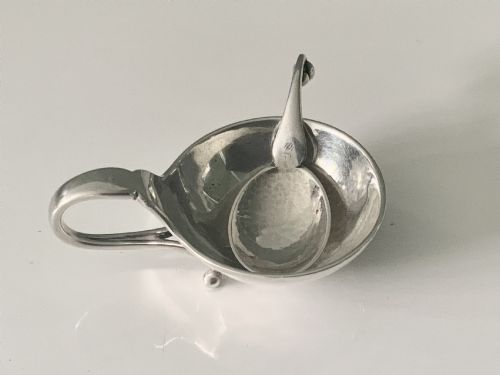
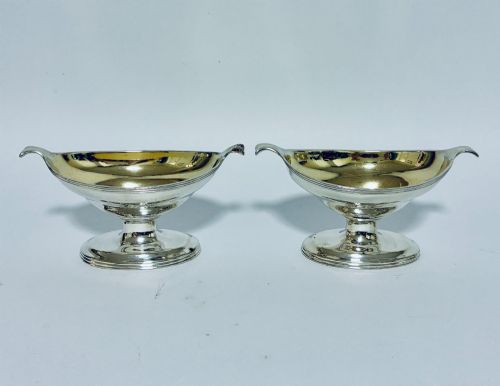
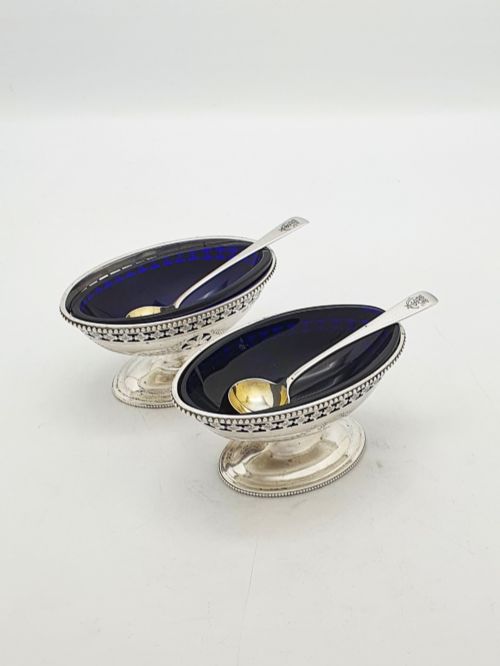
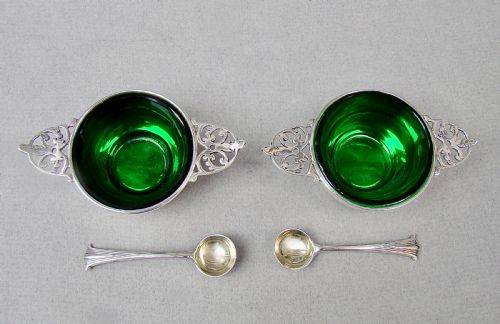
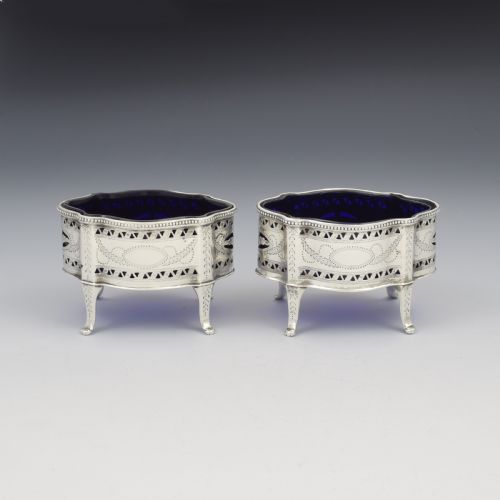
The most common forms on this page include paired open salts and cased sets complete with matching spoons, often resting on diminutive feet or cast in traditional cauldron and serpentine shapes.
Materials and Techniques
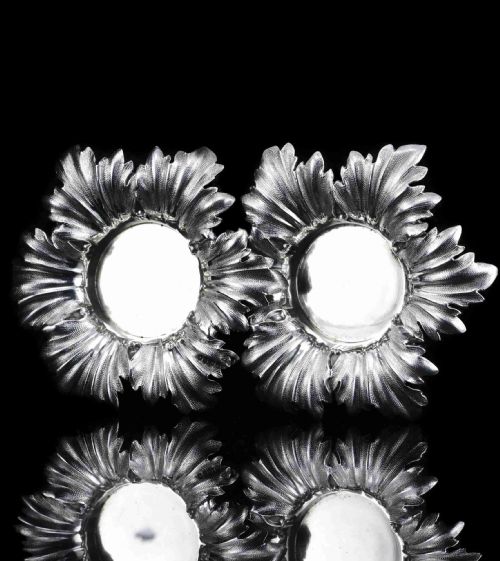
Makers utilised sterling silver and silver plate for the primary bodies, frequently employing piercing, repoussé, and foliate chasing to ornament the metalwork.
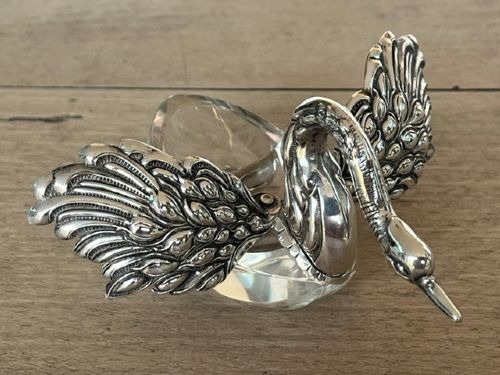
Many open designs incorporate fitted cobalt glass or crystal liners to protect the metal from corrosive salt, occasionally accompanied by velvet or leather within fitted presentation cases.
Antique Silver Dips Retail Price Guide 2026
Typical asking prices for silver dips among the pieces listed under this phrase on Sellingantiques today, from the lower quarter to the upper quarter. They describe what is for sale here now, not the wider market.
Listings span the Georgian, Victorian, and Edwardian periods, featuring sterling silver, silver plate, and vibrant cobalt glass.
Markers of Superior Make
Distinction in quality arises from the crispness of chased decoration, the weight of the silver used in the body, and the presence of fully matching spoons and original glass liners.
Pieces bearing clear hallmarks from notable silversmiths command greater interest, demonstrating superior casting detail in elements such as figural mounts, handles, and cast feet.
Georg Jensen·Paul Storr·David Hennell·Barnards
The Antique Silver Dips Glossary
- Trencher salt
- An early form of salt cellar, often square or octagonal, designed to sit directly on the dining table before the introduction of footed bowls.
- Cauldron salt
- A small, rounded salt cellar raised on three or four small feet, closely resembling a miniature cooking pot.
- Cobalt glass
- A deep blue, vibrant glass utilised for removable liners inside open silver salt cellars.
- Chasing
- A metalworking technique where the silversmith hammers a design into the front surface of the metal using punches to create raised relief patterns.
- Quaich
- A traditional Scottish two-handled drinking vessel, occasionally adapted in smaller scale for novelty salt cellars.
Antique Silver Dips: Frequently Asked Questions
What were antique silver dips used for?
These pieces served as individual open salt cellars on formal dining tables, holding loose salt before the invention of free-flowing table salt.
Diners used a small matching spoon or pinched the salt directly from the open vessel to season their food.
How do I date an antique silver salt?
Dating relies heavily upon the stamped hallmarks on the silver, which indicate the assay office, the specific year of production, and the maker's mark.
Stylistic cues such as Georgian simplicity or Victorian foliate chasing also help narrow down the era of manufacture.
Are original glass liners important?
Original cobalt glass or crystal liners protect the silver from salt corrosion and complete the authentic presentation of open salt cellars.
Finding a set with matching, undamaged liners significantly enhances its historical integrity.
How should I clean antique silver dips?
Regular dusting and gentle polishing with a soft cloth designed for silver helps maintain the natural lustre without wearing down the fine chasing or hallmarks.
Harsh chemical dips should be avoided, particularly on pieces with delicate glass liners or gilt interiors.