





Antique Silver Dessert Flatware
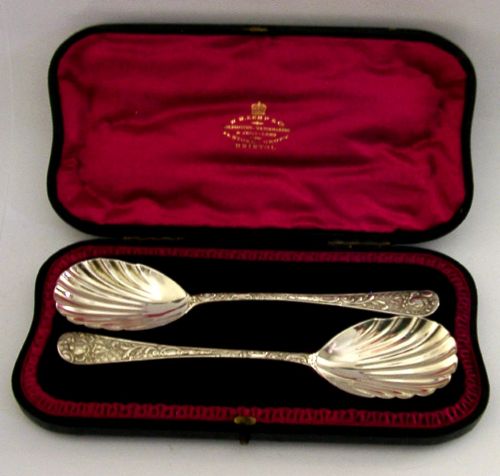
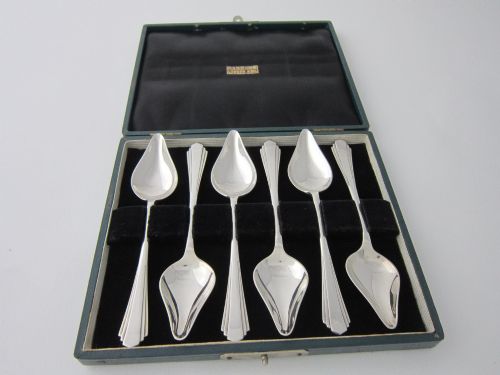
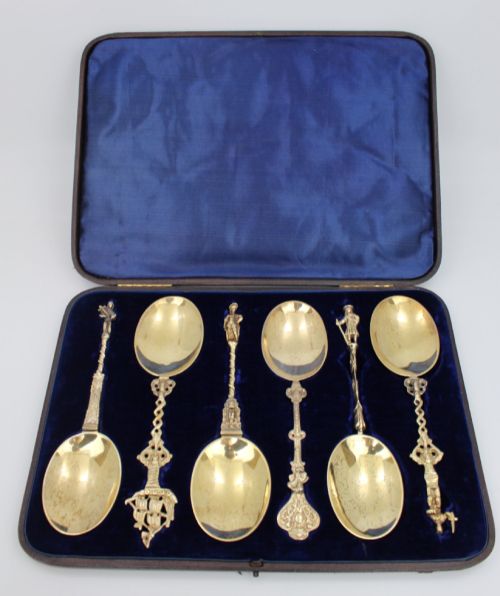
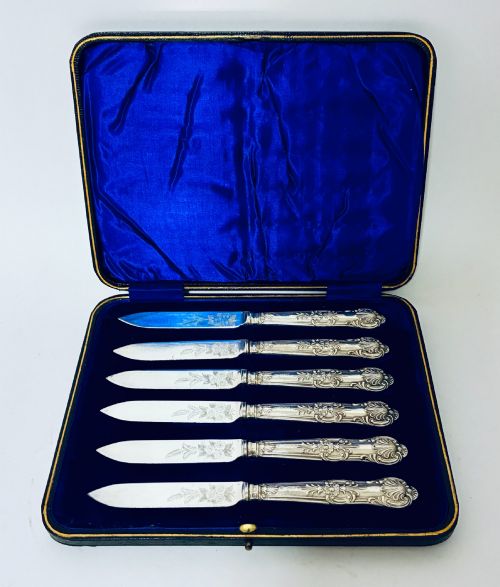
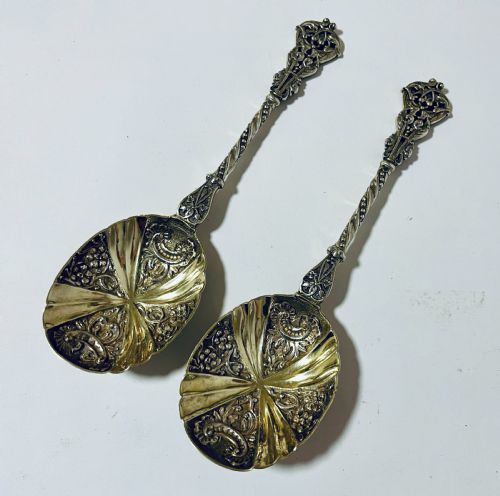
These antique silver dessert flatware pieces bring period elegance to the table, featuring matched sets, cased serving spoons, and individual fruit knives.
Antique Silver Dessert Flatware
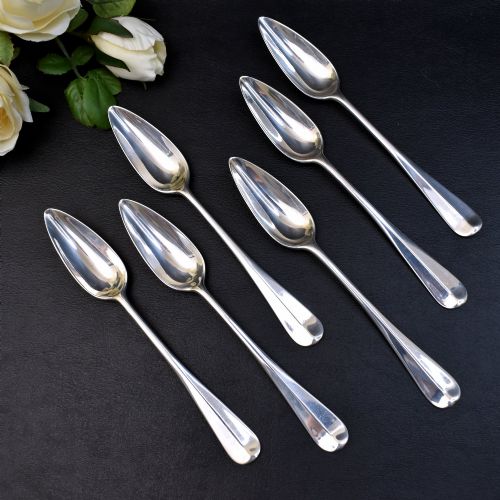
Antique silver dessert flatware encompasses specialised implements designed for the final courses of formal meals, ranging from individual fruit knives and cake forks to serving spoons, tongs, and pastry servers. Buyers encountering this category will frequently find cased sets intended for presentation or gifting, alongside individual spoons and smaller cutlery groups spanning several centuries.
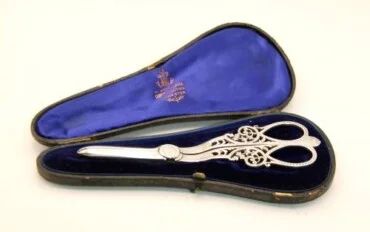
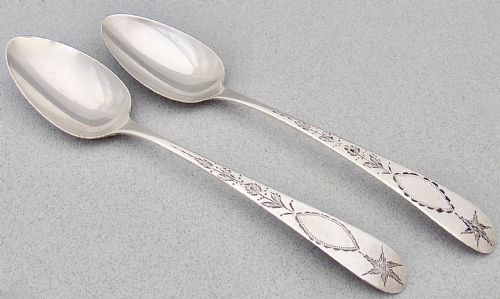
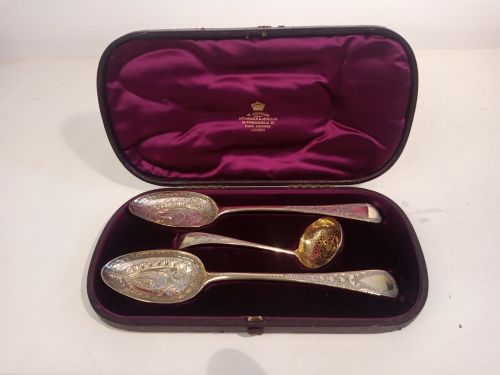
The selection on this page draws heavily from Victorian and Georgian output, alongside Edwardian and Art Deco examples, reflecting changing dining habits and table service. Forms vary from simple fiddle pattern spoons to ornate cast silver berry spoons, grape scissors, and specialised ice cream servers.
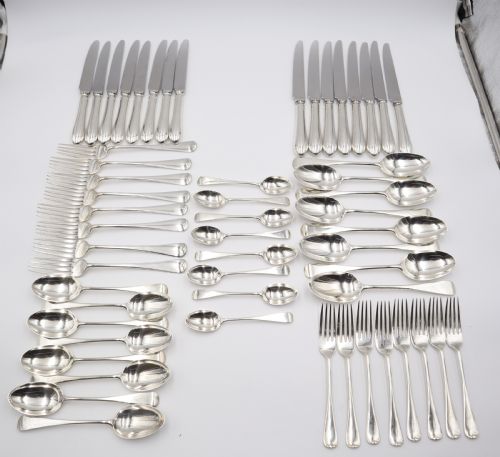
Origin and maker marks often distinguish these pieces, with English provincial and London guilds well represented alongside continental European designs. Whether seeking a single pair of berry spoons or a full canteen for twelve persons, the category centres on utilitarian beauty created for the dining room.
Materials and construction methods
Sterling silver forms the primary body of these implements, often complemented by natural materials such as mother-of-pearl for knife handles or steel for cutting edges. Silversmiths utilised traditional techniques including casting, hammering, and hand-engraving, sometimes applying a thin layer of gold wash, known as silver gilt, to the bowl interiors of serving spoons.
Antique Silver Dessert Flatware Retail Price Guide 2026
Typical asking prices for silver dessert flatware among the pieces listed under this phrase on Sellingantiques today, from the lower quarter to the upper quarter. They describe what is for sale here now, not the wider market.
Materials across these listings include sterling silver, silver plate, mother-of-pearl, steel, velvet, silk, satin, and leatherette.
Distinctions in standard and execution
The degree of hand-finishing and decorative depth separates standard production from finer work, particularly visible in the crispness of chased fruit motifs, engraved family crests, and cast handles. Heavier gauge silver provides a more substantial feel in the hand, whereas lighter items may exhibit flexing during use.
The integrity of the original fitted case and the completeness of matched sets influence the desirability of a service. Maker attribution, through clear hallmarks from notable workshops, elevates pieces beyond unmarked or generic output.
John Pittar·Hamilton & Inches·Goldsmiths & Silversmiths Co·Gibson & Langman·E Coker·William Chawner II·Georg Jensen·Martin Hall & Co·Sebastian Crespell
The Antique Silver Dessert Flatware Glossary
- Hallmark
- Official stamps struck into precious metals indicating the standard of purity, the assay office, and the date letter. These marks allow collectors to date items precisely.
- Berry spoon
- A large serving spoon, often Georgian in origin, featuring embossed and chased fruit designs added to the bowl at a later date. They were traditionally used for serving soft fruits.
- Silver gilt
- Silver objects that have been coated with a thin layer of gold on the surface. This technique protects the underlying metal from food acids.
- Fiddle pattern
- A flatware handle style characterised by a narrow stem widening towards a squared shoulder and a broader terminal. It gained popularity during the Georgian period.
- Canteen
- A fitted box, chest, or cabinet designed to hold a complete set of cutlery or flatware. They often feature multiple internal tiers lined with fabric.
Antique Silver Dessert Flatware: Frequently Asked Questions
What is dessert flatware used for?
These implements serve courses consumed after the main meal, such as fruit, pastry, cake, and ice cream. They bridge the gap between heavy dining cutlery and smaller tea items.
Specific pieces like grape scissors, pastry trowels, and berry spoons handled delicate foods that required dedicated serving tools rather than standard table silver.
How do I care for antique silver flatware?
Regular, gentle washing in warm soapy water using a soft cloth keeps silver clean without abrasive wear. Avoid harsh chemical dips that strip away desirable patination.
Store pieces in lined boxes or anti-tarnish rolls when not in active use to minimise exposure to atmospheric sulfur that causes darkening.
Can I use antique silver every day?
Solid silver items withstand regular use provided they are washed by hand rather than placed in a mechanical dishwasher. High heat and harsh detergents damage organic handles like mother-of-pearl.
Using these pieces brings historical craftsmanship into daily routines while maintaining their structural integrity over time.
How do I identify Georgian silver flatware?
Georgian items display hallmarks that include the reigning monarch's profile, a lion passant indicating sterling standard, and town marks. Design motifs often feature simpler lines like old English or fiddle patterns.
Later Victorian pieces frequently show heavier cast ornamentation, naturalistic leaf motifs, and more elaborate piercing compared to earlier Georgian work.