


Antique Silver Collar
An antique silver collar marks the transition between materials on decanters, walking sticks, and scent bottles.
Antique Silver Collar
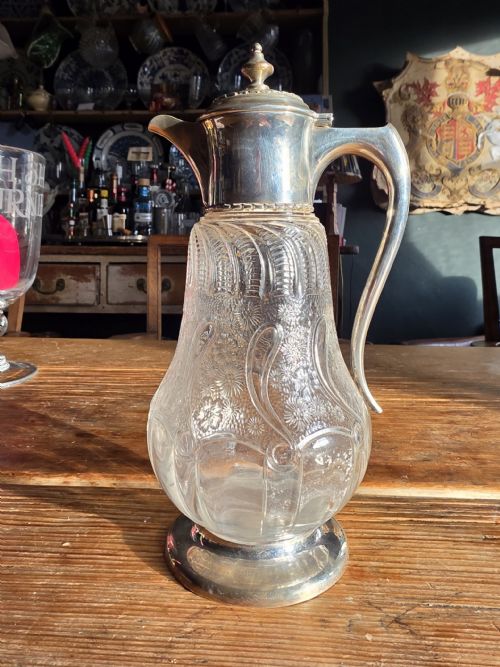
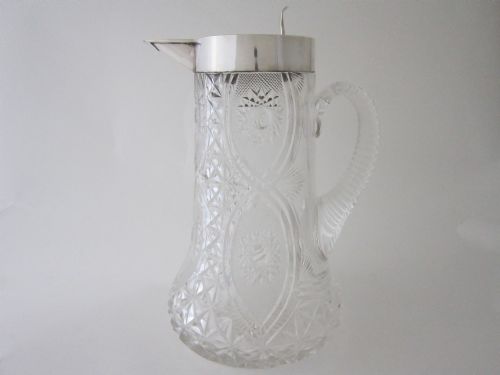
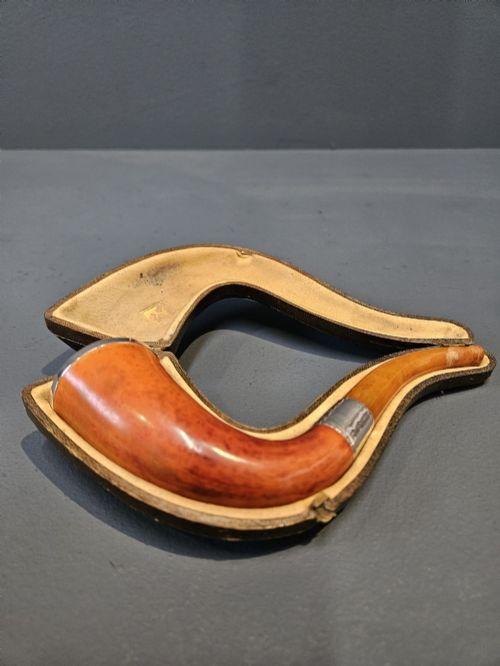
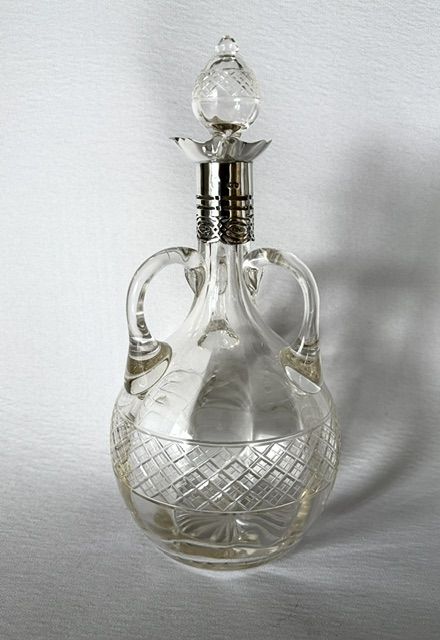
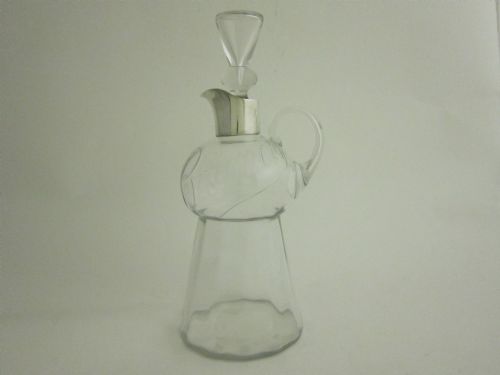
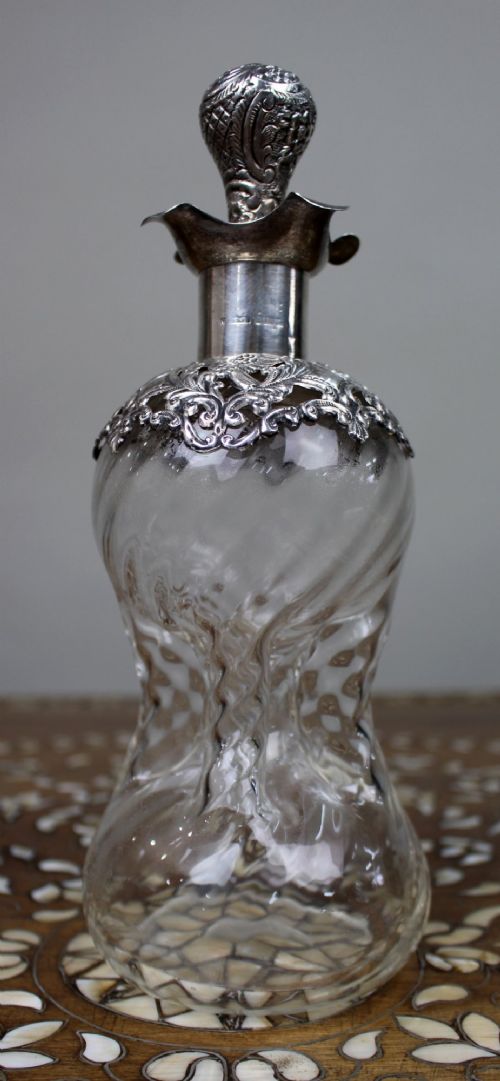
An antique silver collar appears most frequently on cut glass and crystal decanters, whisky noggins, and scent bottles from the Victorian and Edwardian periods. These mounts serve as protective bands around bottlenecks and handle joints while adding a decorative flash of metal to utilitarian vessels.
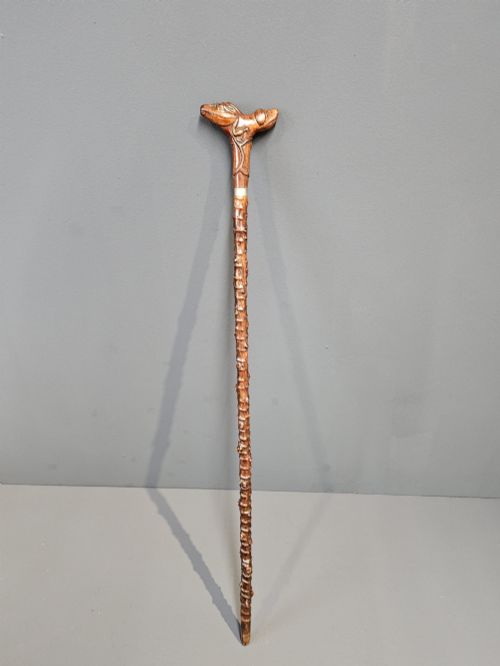
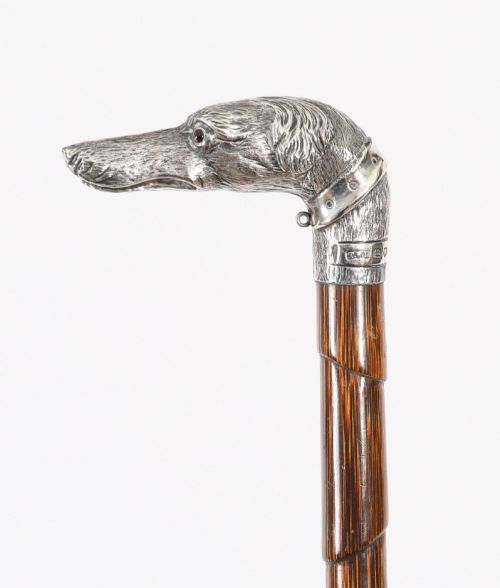
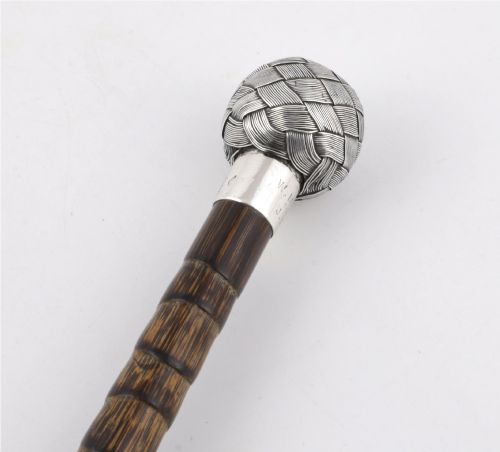
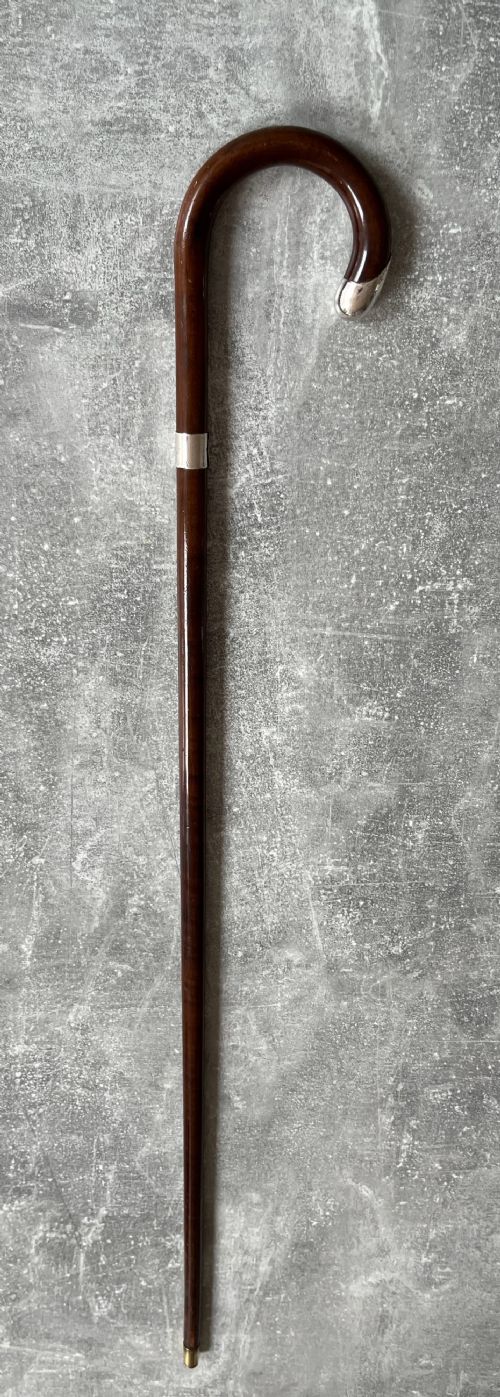
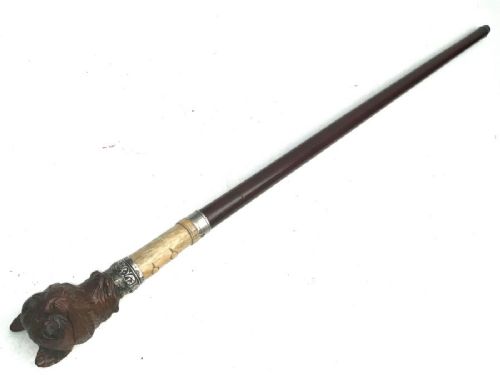
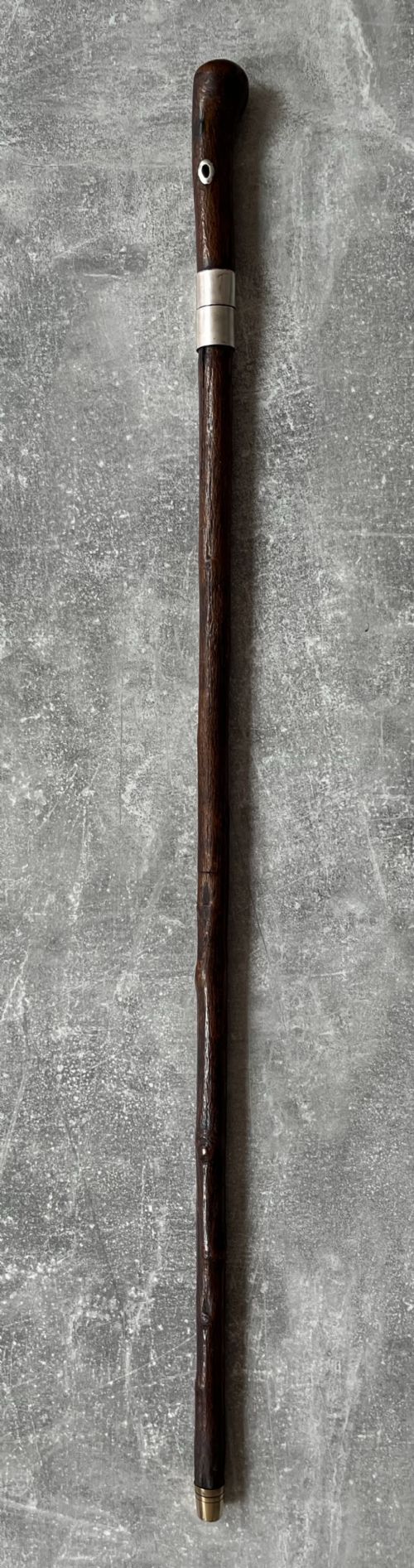
Beyond glassware, the phrase encompasses the metal bands fitted to walking sticks, canes, and hunting whips, often engraved with initials or dates. Less commonly, the term applies to neck jewellery such as Victorian choker chains and historic leather or metal dog collars.
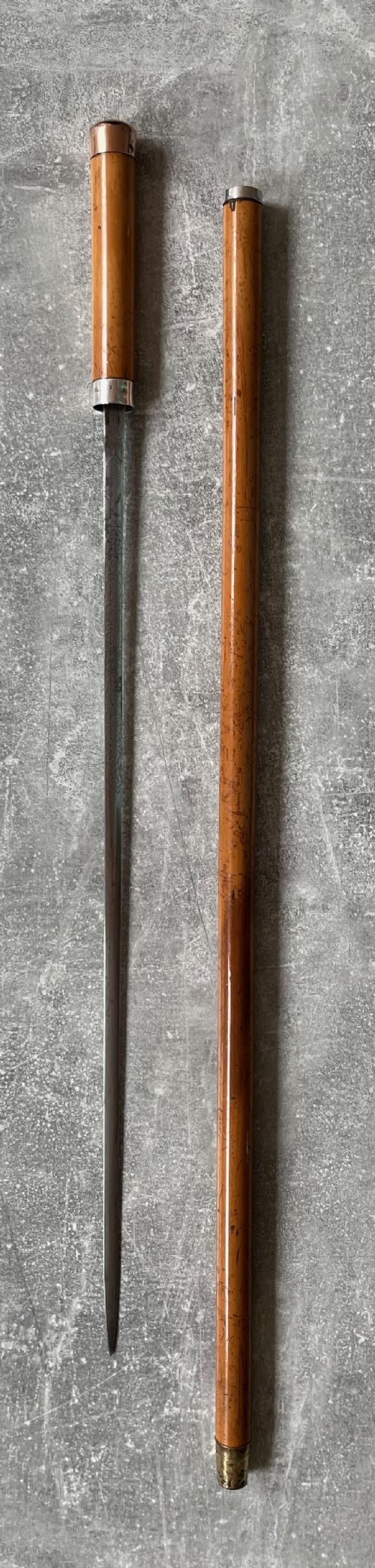
The selection ranges from Georgian stoneware jugs with silver rims to Art Deco coloured glass bottles and 19th-century sword sticks featuring hallmarked mounts. Buyers encounter diverse forms where the silver band provides structural reinforcement or aesthetic separation.
Silver Mounts and Glassware
Silversmiths formed collars from sterling silver or white metal, frequently securing them directly onto glass necks, wood shafts, or leather bands with adhesives or pins. Hallmarks stamped into the metal record the assay office, date letter, and maker, providing verifiable origin details.
Vessels paired with these mounts typically utilise heavy cut glass, crystal, or bohemian cranberry glass, shaped through blowing and wheel-cutting. Canes incorporate materials like bamboo, hazel wood, stag horn, and malacca, fitted with metal ferrules and collars.
Object forms carrying these mounts range from heavy wine decanters and whisky noggins to hunting whips, walking sticks, and pocket scent bottles.
Craftsmanship and Weight
Quality rests in the substantial weight of the silver mount and the clarity of its hallmarks, alongside the depth of hand-engraving on the metal. Thicker gauge silver resists dents and maintains structural integrity around bottlenecks and cane joints.
The pairing determines overall merit, where heavy cut glass bodies with deep prismatic faceting match high-grade silver mounts. Clean joins between the collar and the underlying wood, leather, or glass indicate careful manufacture.
Harold Bushell and Co·Hukin and Heath·Wilkinson·Swaine Adeney
The Antique Silver Collar Glossary
- Hallmark
- Official stamps pressed into precious metals indicating the standard of purity, the assay office, and the year of manufacture. These marks allow collectors to date the silver mount accurately.
- Decanter
- A vessel used for holding and serving wine or spirits, frequently featuring a cut glass body and a protective silver neck mount. They appear across Victorian and Edwardian listings.
- Noggin
- A small vessel or mug used for serving spirits such as whisky, often fitted with a silver rim and accompanied by a matching label. These miniature containers date largely to the Edwardian era.
- Ferrule
- A metal cap or band fitted to the end of a walking stick or cane to protect the wood from wear. They frequently accompany upper silver collars on shaft items.
- Cut Glass
- Glassware decorated by grinding facets and patterns into the surface using a rotating wheel. This technique creates the light-refracting bodies seen on mounted bottles.
Antique Silver Collar: Frequently Asked Questions
What is an antique silver collar?
An antique silver collar is a metal band fitted around the neck of a glass decanter, bottle, or scent vessel, or encircling the upper shaft of a walking cane. These bands served both a decorative purpose and a structural one by reinforcing areas prone to stress.
Makers utilised sterling silver for these mounts, often stamping them with hallmarks that indicate the year of production and the assay office. The phrase also occasionally describes historic leather or metal neck bands for dogs or human choker necklaces from the nineteenth century.
How do I date a silver collar?
Dating relies upon the hallmarks stamped directly into the silver mount, which decode to specific assay offices and active years for the silversmith. Style indicators such as Edwardian cut glass patterns or Art Deco forms also narrow down the period of manufacture.
Archival records and registration marks on the glass or accompanying stoppers provide secondary evidence for the age of the piece. Comparing the typography of engraved initials or dates on cane collars offers further chronological clues.
Were these collars made for decanters?
Decanters and scent bottles represent the most common objects to feature these silver mounts, protecting the rim where glass meets the stopper. Manufacturers applied them to ships decanters, whisky noggins, and coloured glass vessels throughout the Victorian and Edwardian eras.
The metal band provided a solid surface for pouring and prevented chipping on fragile glass lips. Matching spirit labels were frequently suspended around these collars by small chains.
How should I clean silver mounts?
Cleaning requires a soft cloth and a gentle silver polish formulated to remove tarnish without abrasive action. Care must be taken to avoid getting chemical polishes onto adjacent glass, wood, or leather materials.
Preserving the original patina involves minimal intervention, avoiding aggressive scrubbing that might wear down delicate hand engravings or hallmarks. Regular dusting prevents heavy tarnish accumulation on displayed items.