





Antique Silver Coffer Box
An antique silver coffer box is a sturdy receptacle designed to secure family plate, travelling cutlery and valuables, offering robust protection and timeless utility.
Antique Silver Coffer Box
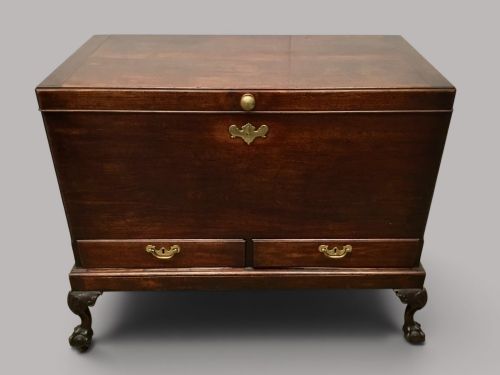
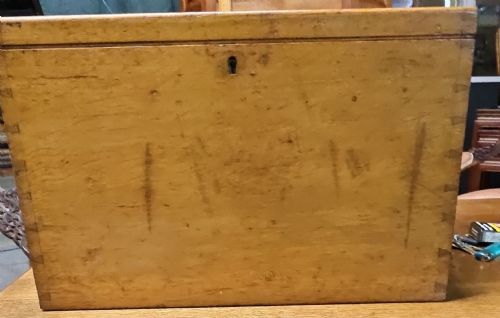
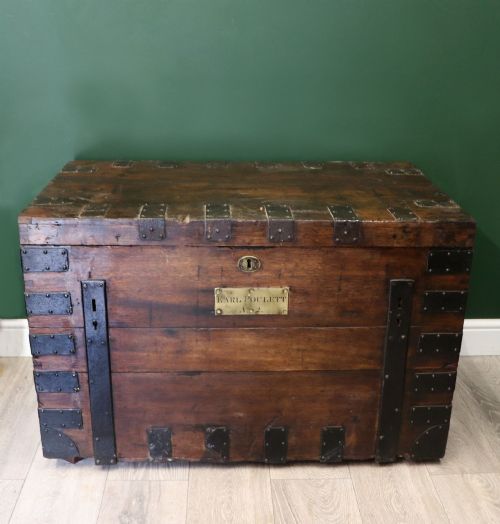
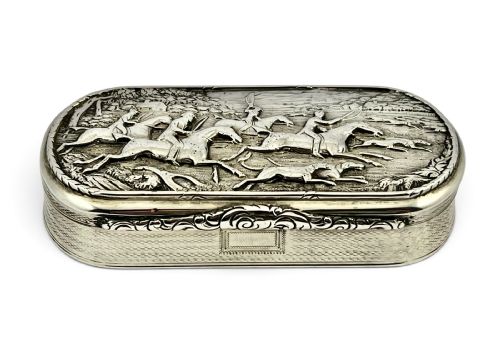
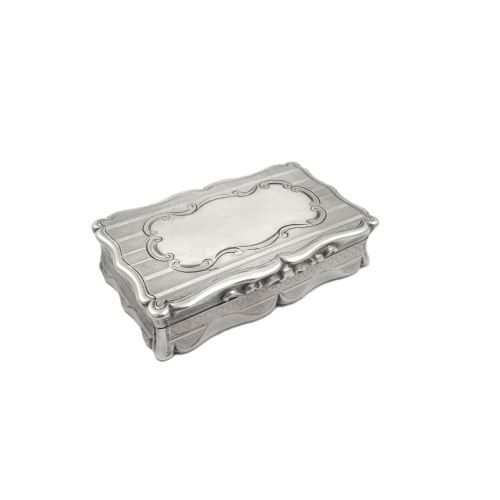
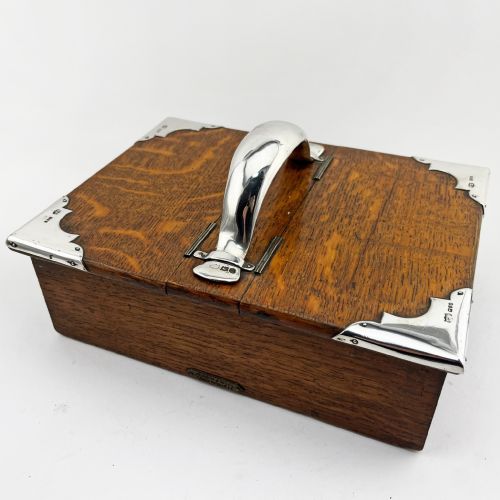
When you search for an antique silver coffer box, you encounter substantial oak or mahogany storage chests alongside smaller tabletop snuff and trinket boxes. The larger examples were built for country houses and travel, fitted internally to hold heavy flatware services and family plate securely.
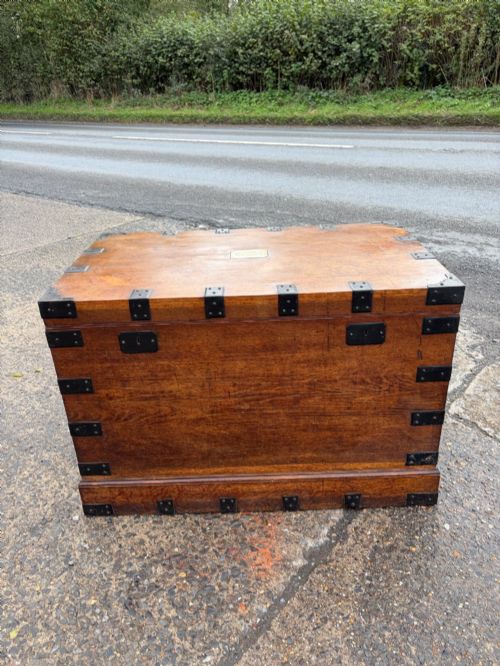
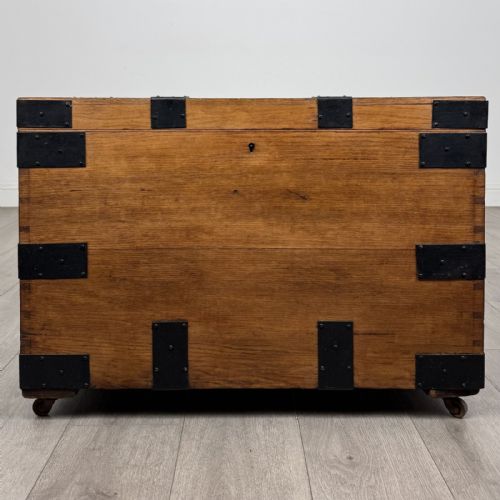
The version you meet most frequently on this page is the Victorian or nineteenth century oak chest, heavily reinforced with iron or steel bands and corner brackets. These utilitarian trunks served estate managers and travellers, keeping valuable silver safe from dampness, theft and rough handling during transit.
How they were made
Cabinetmakers constructed the large chests from durable timbers like oak and mahogany, using robust dovetail joints and thick panels to withstand heavy loads. Metalworkers then reinforced these wooden carcases with hand-beaten iron, steel or brass bands, securing the lids and corners against forced entry.
Smaller tabletop boxes utilise finer materials such as satinwood, sterling silver and tortoiseshell, often featuring hand-painted details or intricate inlay work. Silversmiths hammered, cast and engraved precious metal to create portable snuff and trinket containers stamped with town marks and date letters.
Antique Silver Coffer Box Retail Price Guide 2026
Typical asking prices for silver coffer box among the pieces listed under this phrase on Sellingantiques today, from the lower quarter to the upper quarter. They describe what is for sale here now, not the wider market.
Listings feature heavy Victorian oak travel chests alongside eighteenth-century mahogany silver boxes and German iron strongboxes.
What varies in quality
The calibre of an antique silver coffer box depends heavily on the integrity of its original internal fittings and hardware. Complete baize-lined trays, brass drop handles and functional working locks with original keys elevate a utilitarian chest above standard storage trunks.
Material selection and maker attribution also dictate the upper tier of the market, where pieces bearing retail stamps from Bond Street silversmiths or renowned firms command attention. Superior joinery, well-preserved patination on the timber and crisp hallmarking on the silver elements separate ordinary containers from exceptional examples.
Mappin & Webb·Elkington·Walker & Hall
The Antique Silver Coffer Box Glossary
- Coffer box
- A heavy storage chest typically constructed for securing valuables, plate and documents. These pieces often feature reinforced metal banding and robust carrying handles.
- Sterling silver
- An alloy of silver containing ninety-two point five percent pure silver and seven point five percent other metals, usually copper. This standard ensures durability while maintaining a bright metallic lustre.
- Flatware chest
- A specialised storage box designed with fitted interior tiers and baize lining to organise forks, spoons and knives. They protected silver cutlery from tarnishing and scratching during storage.
- Campaign trunk
- Portable furniture built for military officers and travellers during the nineteenth century. These items utilised reinforced corners and secure straps for frequent journeys.
Antique Silver Coffer Box: Frequently Asked Questions
What were antique silver coffer boxes used for?
These robust containers were primarily manufactured to store, transport and protect valuable family silver, flatware services and dining plate. Large oak chests kept heavy tableware secure in country houses and during travel.
Smaller silver boxes served personal functions on the desk or dressing table, holding snuff, cigars or trinkets. Their heavy construction ensured that precious items remained safe from theft and environmental damage.
How do I care for an oak and iron chest?
Maintain the timber by applying occasional applications of traditional beeswax to nourish the dry oak and preserve its natural grain. Keep the chest away from direct heat sources and damp environments to prevent wood movement.
Protect the iron or steel banding from rust by keeping the metal dry and lightly oiled. Avoid harsh chemical cleaners on both the wood and the metal surfaces.
How can I tell a Georgian chest from a Victorian one?
Georgian chests, often dating from the eighteenth or early nineteenth century, typically feature rich red walnut or figured mahogany with refined proportions. Their construction emphasises cabinetmaking finesse alongside utility.
Victorian examples from the mid to late nineteenth century lean towards heavy oak reinforced with prominent iron bands and recessed brass drop handles. These pieces reflect industrial manufacturing methods and the demand for utilitarian strength.
Can I use a silver chest as a coffee table?
Many collectors repurpose large nineteenth-century oak and iron-bound chests as statement coffee tables in modern living spaces. Their flat lids and interesting hardware provide both a stable surface and useful internal storage.
Ensure the antique timber is protected from moisture rings by using coasters or glass tops. The natural patina gained over decades of service adds character to a room.