


Antique Silver Candle Branch
An antique silver candle branch brings weighted proportion and reflective flicker to a room, carrying multiple flames on branches from centuries past.
Antique Silver Candle Branch
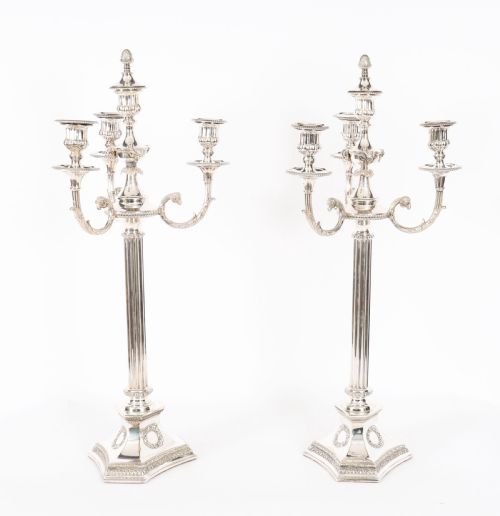
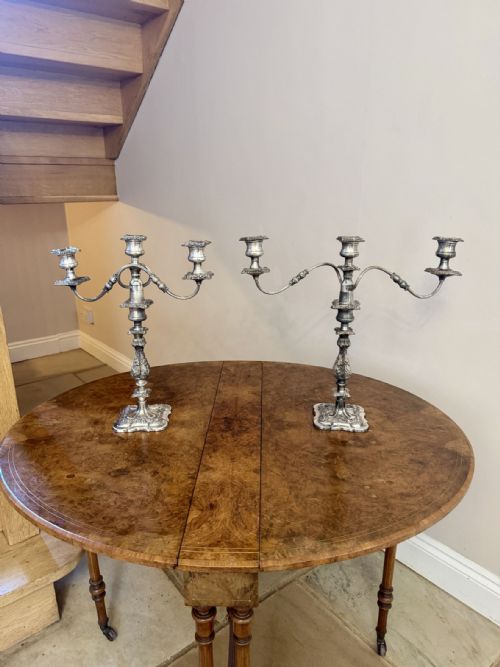
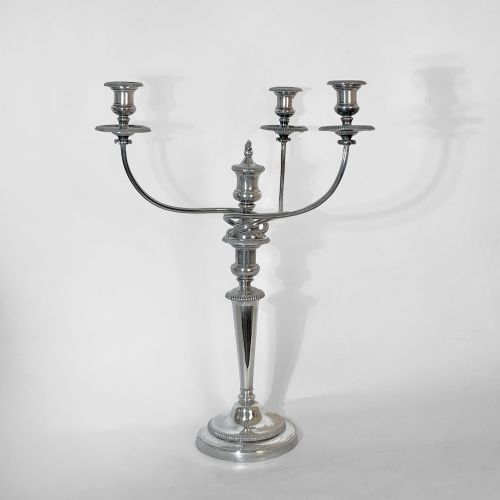
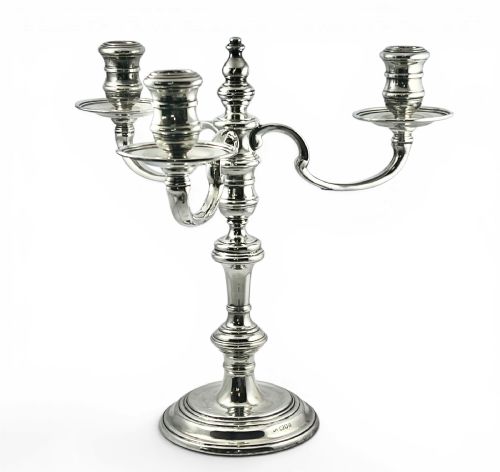
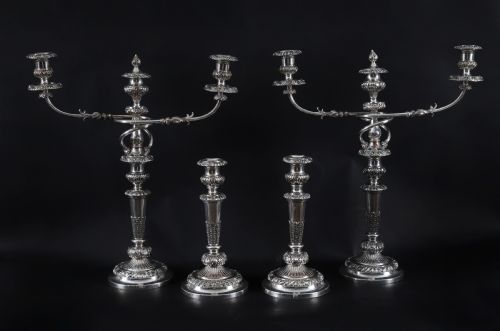
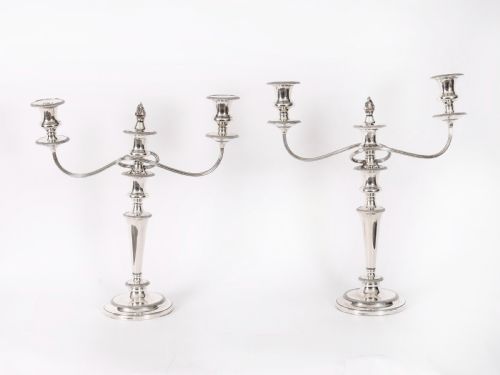
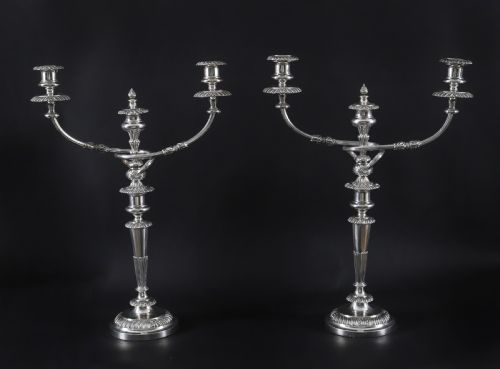
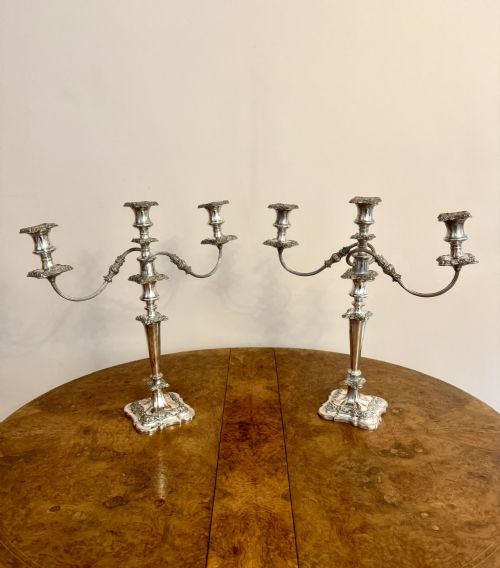
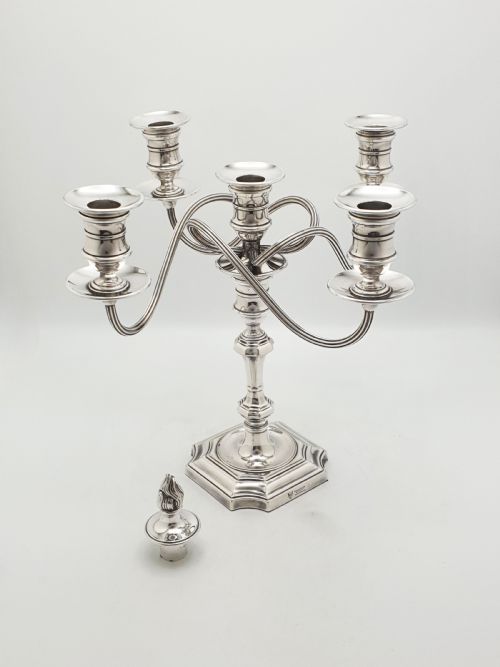
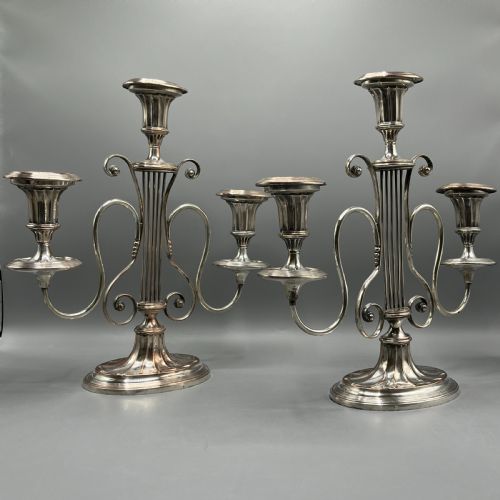
When searching for an antique silver candle branch, collectors encounter multiple configurations including multi-light table candelabra, wall lights, and chandeliers spanning the eighteenth, nineteenth, and twentieth centuries. The selection on this page relies heavily on nineteenth-century Victorian pieces and earlier Georgian designs, alongside Edwardian and Art Deco iterations.
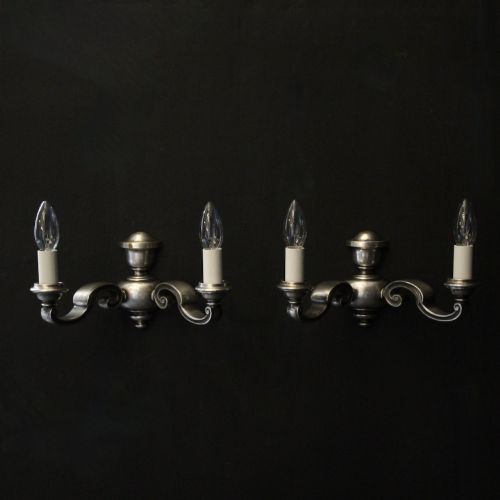
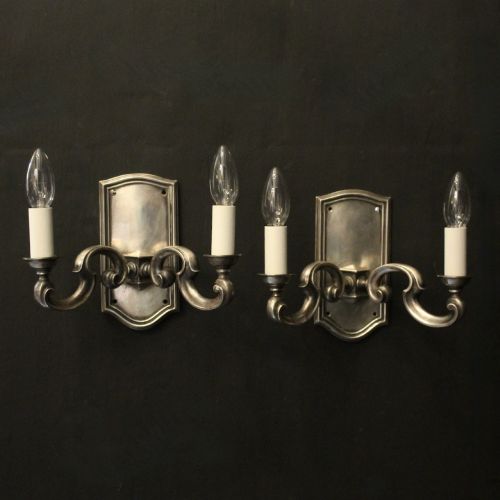
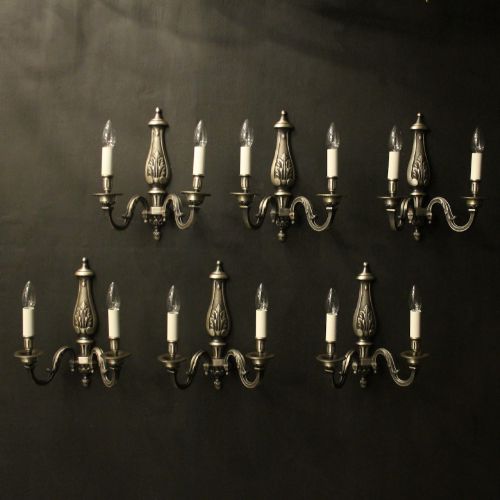
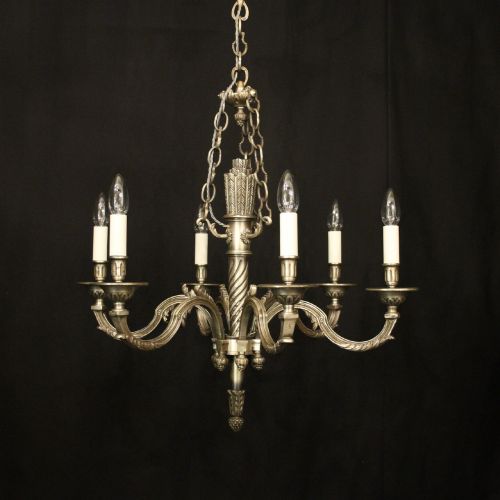
Most entries take the form of table candelabra featuring three, four, or five branches, often supplied as matched pairs for symmetry on dining tables and sideboards. Wall-mounted sconces and larger branch chandeliers also appear, originating from English, French, and Italian workshops across various stylistic revivals.
The objects serve primarily to multiply candlelight through branched arms radiating from a central stem or backplate, designed to cast an expansive, soft glow across an interior space.
How They Were Made
Construction relies upon sterling silver, silver plate, Old Sheffield plate, and electroplated nickel silver over base metals such as copper and bronze, sometimes complemented by cut glass and spelter. Silversmiths formed the bodies through casting, stamping, and spinning, then assembled the branches to detachable sconces and drip pans.
Early examples utilise Old Sheffield plate, fusing a thin sheet of silver to a copper core, whereas later nineteenth and twentieth-century items frequently employ electroplating techniques to deposit silver over nickel or base metal foundations.
Several pieces double as palm tree dishes and Hollywood girl figures, proving that even Victorian and Art Deco dining tables enjoyed a touch of theatre.
What Varies in Quality
Distinction across the range rests on the crispness of chased and cast ornamentation, such as rococo scrolls, cherub figures, or classical motifs, and the structural integrity of the branch joints. Heavier gauges of metal and substantial silver content provide enduring rigidity to the multi-armed structure.
Preservation of the original silver coating, minimal wear to underlying base metals, and the retention of matching detachable sconces determine the standing of an individual piece.
Matthew Boulton·Garrard and Co·Blagden Hodgson and Co
The Antique Silver Candle Branch Glossary
- Candelabra
- A branched candlestick holding multiple candles on separate arms. It often includes a central light or a decorative finial.
- Old Sheffield Plate
- A composite material made by fusing a sheet of silver to a copper ingot, common in eighteenth and early nineteenth-century production. Edges sometimes reveal the underlying copper layer through deliberate design or wear.
- Sconce
- A wall-mounted lighting fixture carrying one or more candle branches. It projects illumination outward from vertical surfaces.
- Drip Pan
- A small circular tray fitted beneath the candle nozzle to catch melting wax. It protects the arms and base of the fixture.
- Sterling Silver
- An alloy consisting of silver and other metals, usually copper, meeting a specific standard of purity. It bears hallmarks denoting the assay office, maker, and date.
Antique Silver Candle Branch: Frequently Asked Questions
How do I clean an antique silver candle branch?
Maintenance requires soft cloths and mild silver cleaner designed to preserve thin plating on older items, avoiding abrasive pastes that strip metal surfaces.
Gentle wiping prevents damage to chased details and soldered joints on antique branches.
What is the difference between Old Sheffield plate and silver plate?
Old Sheffield plate involves physically fusing silver to a copper base through heat and rolling, producing a distinct material structure compared to later chemical methods.
Electroplating applies a thin coat of silver via an electrical current onto a base metal, standard from the mid-nineteenth century onward.
Can these candelabra hold modern candles?
Most antique candle branches accommodate standard dinner tapers, though variations in nineteenth-century nozzle diameters sometimes require slight trimming at the base.
Checking the internal width of the sconce ensures a secure fit for lit candles.
How do I date a piece without hallmarks?
Dating relies on stylistic clues such as George III neoclassical symmetry, Victorian rococo revival ornamentation, or Art Deco geometric lines.
Construction methods, including the presence of copper seams or casting marks, provide further indication of the period.