



Antique Silver Butter
Antique silver butter vessels and knives bring the formality of past dining tables to daily use.
Antique Silver Butter
These items comprise small dishes, shell forms, revolving lidded vessels, and handled knives designed specifically for butter service at the dining table. The selection spans periods from the eighteenth century through the Edwardian era and the nineteen-twenties, incorporating solid sterling silver and silver plate.
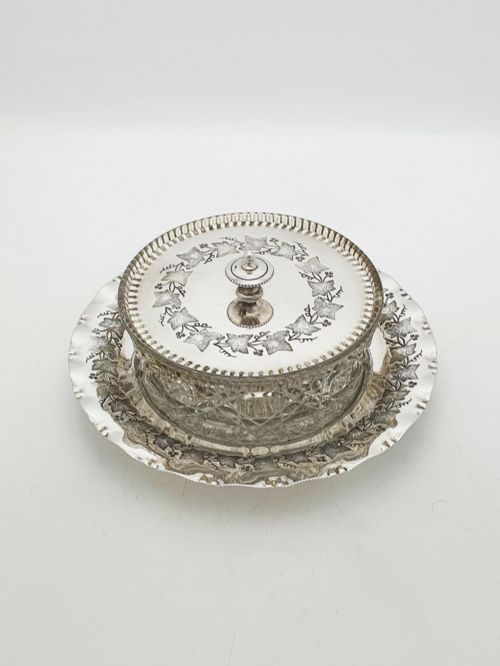
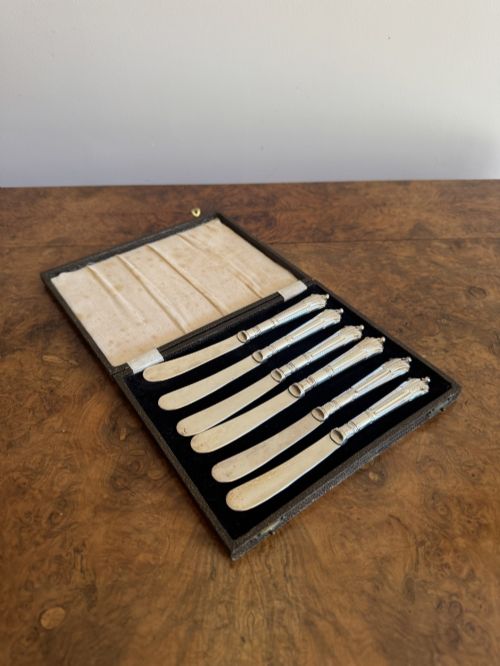
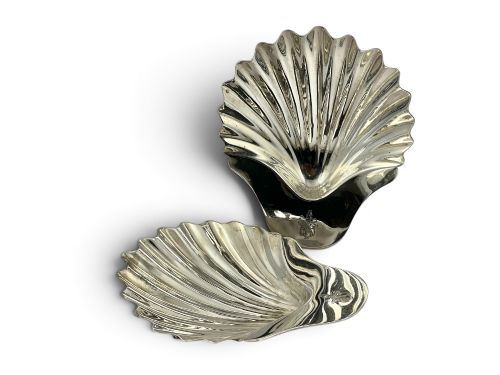
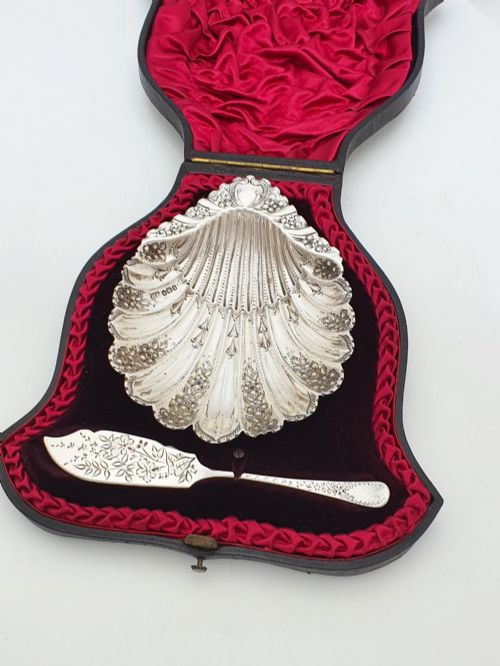
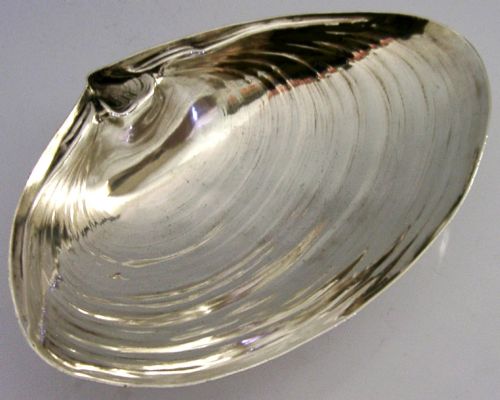
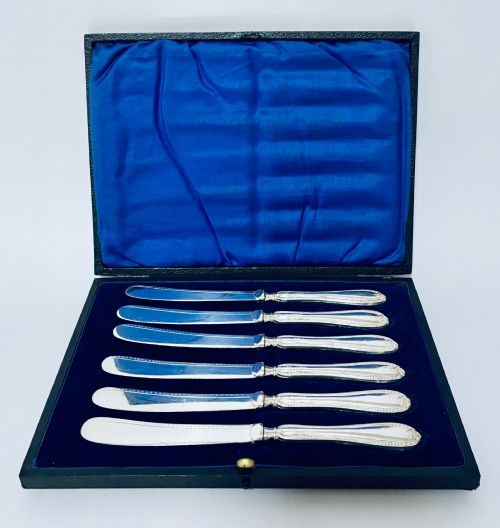
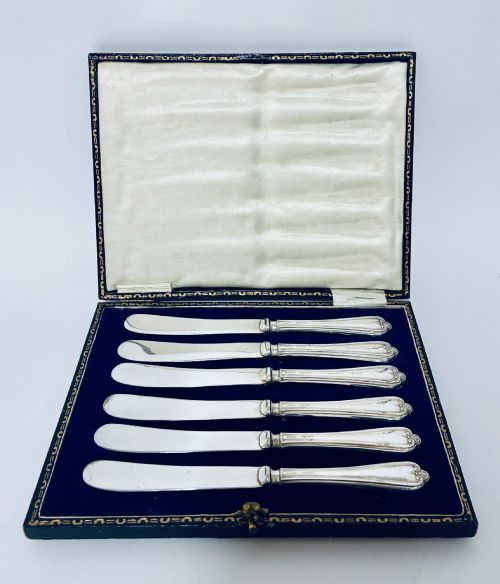
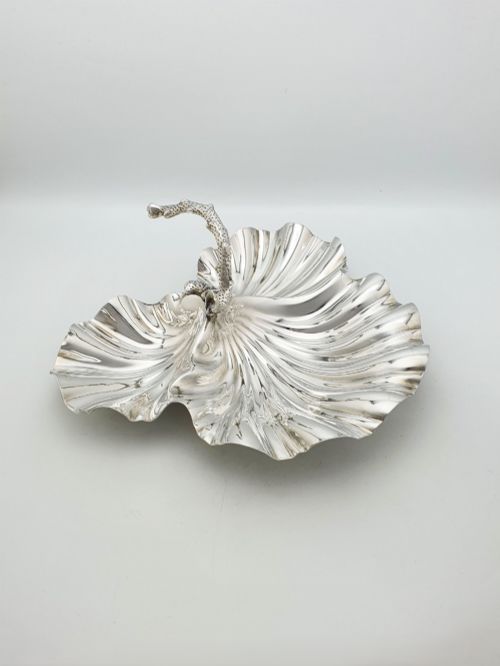
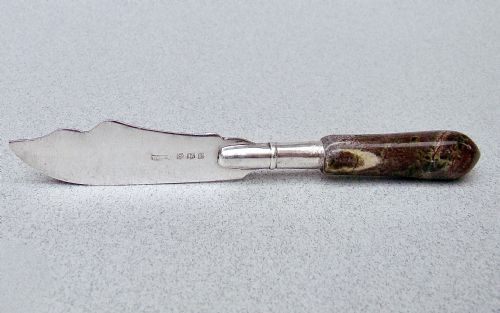
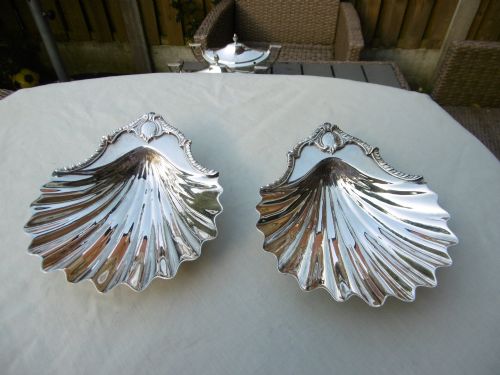
Dishes frequently appear paired with fitted glass liners or cast in the shape of natural scallop shells, sometimes accompanied by matching knives with silver, mother-of-pearl, or agate handles. Sets of six handled knives recur often, alongside larger covered serveware intended for nineteenth-century and early twentieth-century households.
Origins range from English provincial assay offices to London workshops and American makers, reflecting the changing tastes of Victorian naturalism, Georgian rococo, and Art Deco design. Buyers encounter both utilitarian single knives and complete cased sets designed for formal hospitality.
Materials and methods
Silversmiths employed solid sterling silver and durable silver plate over base metals, often combining metalwork with cobalt blue or clear cut glass liners. Handles utilised organic materials such as mother-of-pearl and agate alongside metal blades secured with pins.
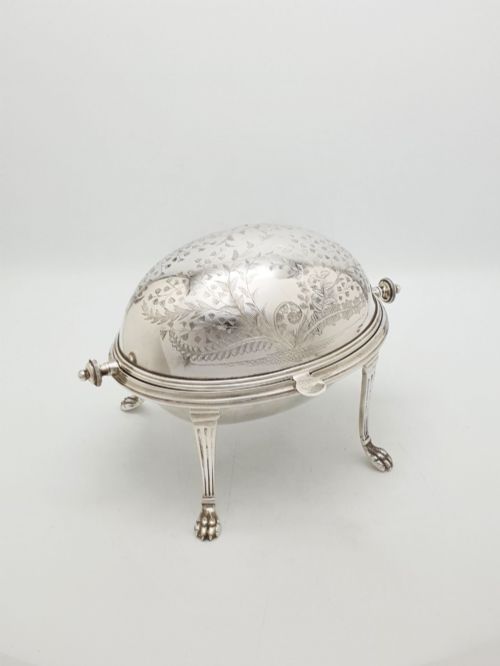
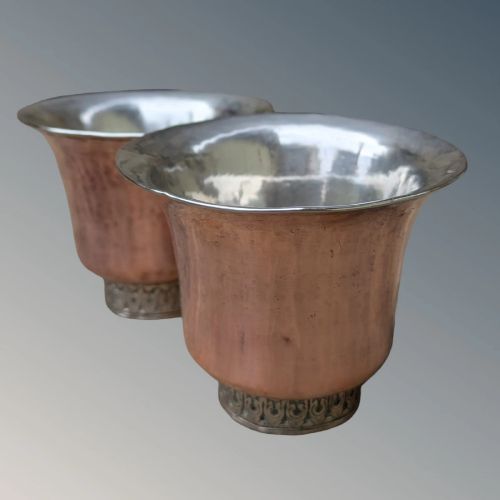
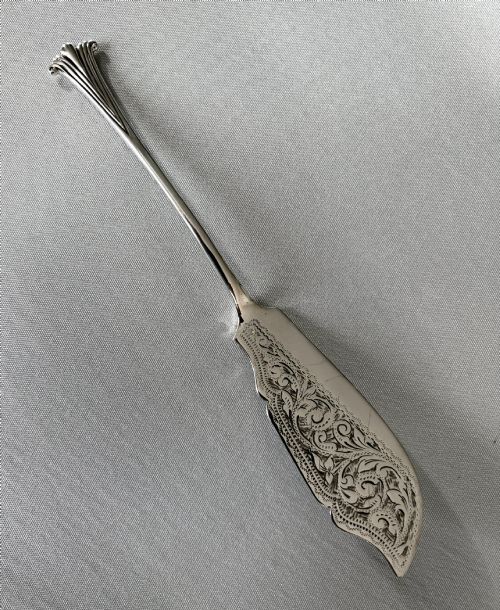
Production techniques involved casting shell motifs, piercing metal to create openwork lattice designs, and hammering copper in Tibetan traditions. Lidded pieces incorporated mechanical elements like revolving hoods, while knives featured forged steel or silver blades joined to decorative handles.
Antique Silver Butter Retail Price Guide 2026
Typical asking prices for silver butter among the pieces listed under this phrase on Sellingantiques today, from the lower quarter to the upper quarter. They describe what is for sale here now, not the wider market.
Listings feature items from the eighteenth century, the Victorian and Edwardian periods, and the nineteen-twenties, utilising silver, silver plate, glass, and mother-of-pearl.
Assessing craftsmanship and execution
Quality rests in the crispness of cast details, such as the naturalistic ribs on shell dishes and the depth of pierced decorative patterns. Finer pieces demonstrate precise maker execution in structural joins and the snug fit of removable glass liners.
The choice of supplementary materials elevates certain items, distinguishing solid sterling silver and genuine mother-of-pearl handles from simpler silver plate and wooden or base metal alternatives. Maker attribution through clear hallmarks also separates standard production items from workshop outputs.
William Plummer·Goldsmiths & Silversmiths·Vale & John·Asprey & Co.·Edward Farrell·Adie Brothers
The Antique Silver Butter Glossary
- Hallmark
- Official stamps struck into precious metals indicating the assay office, maker, and year of testing. These marks provide definitive provenance for English sterling silver.
- Silver Plate
- A thin layer of silver fused or electroplated onto a base metal core such as copper or nickel brass. This technique allowed makers to produce domestic items at a lower cost than solid sterling.
- Cut Glass
- Glass shaped and patterned by abrasive wheels, creating deep geometric or floral facets that reflect light. It appears frequently in liners for butter and preserve dishes.
- Rococo
- An ornate artistic style characterised by asymmetrical scrollwork, C-scrolls, and natural plant motifs. This aesthetic heavily influenced eighteenth-century and revival silver butter vessels.
- Mother-of-Pearl
- The iridescent inner layer of certain mollusc shells used traditionally for cutlery handles. Its smooth texture and natural shimmer made it a preferred material for butter knife grips.
Antique Silver Butter: Frequently Asked Questions
What is an antique butter dish?
An antique butter dish is a specialised piece of tableware designed to hold and present butter at the dining table. These items range from open shell-shaped dishes to covered vessels with glass liners.
Many examples include matching small knives for slicing and spreading. They reflect the dining customs and decorative styles of the Victorian, Edwardian, and Georgian periods.
How do I identify a Victorian butter dish?
Victorian butter dishes often feature naturalistic motifs such as scallop shells, coral handles, or botanical engraving. They frequently incorporate silver plate over base metals alongside fitted clear or cobalt blue glass liners.
Examining the piece for maker marks, registration numbers, or traditional assay stamps helps narrow down the production era. Stylistic clues like rococo revival curves also point toward nineteenth-century manufacture.
How should I clean antique silver butterware?
Cleaning antique silver requires mild soap, warm water, and a soft cloth to preserve the metal surface and any delicate hallmarks. Abrasive polishes should be avoided, particularly on items with silver plating or organic handles.
Glass liners can be washed separately in warm water. Careful drying prevents moisture retention in handle joints and keeps fitted components secure.