
Antique Silver Bottle
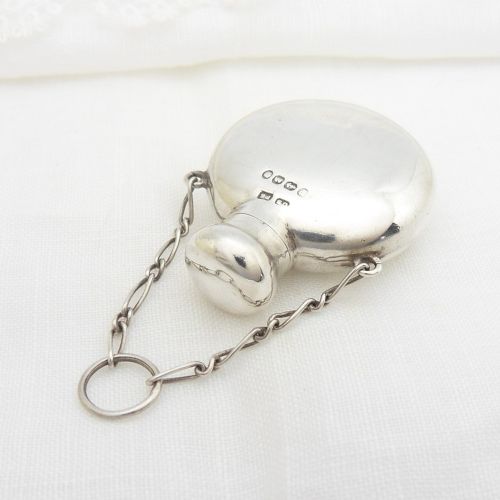
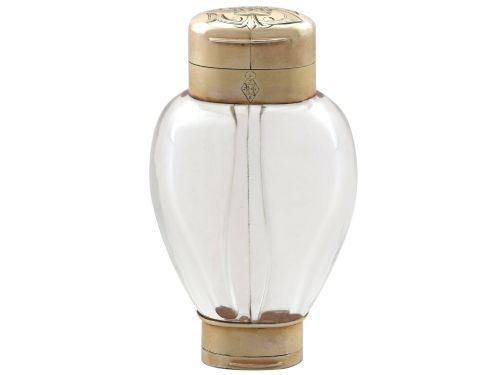
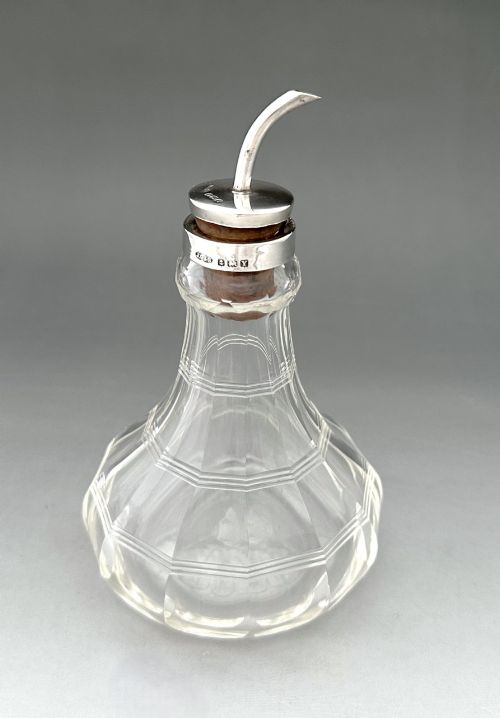
When you search for an antique silver bottle, you find vessels formed from sterling silver, glass, and crystal across Georgian, Victorian, and Edwardian periods.
Antique Silver Bottle
An antique silver bottle encompasses a range of domestic and personal vessels, most frequently appearing as scent bottles, perfume flasks, and table decanters. These objects combine precious metal mounts with glass, crystal, or ceramic bodies, reflecting the functional requirements of nineteenth and early twentieth-century life.
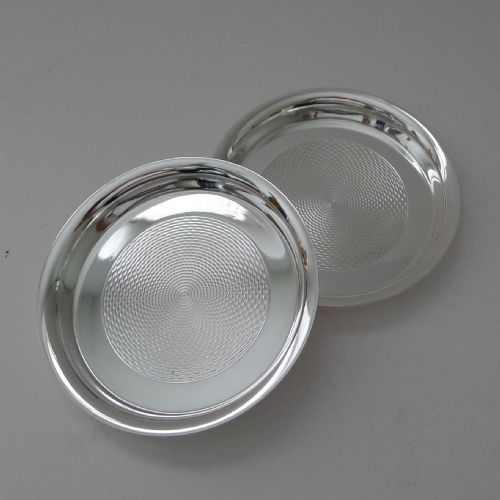
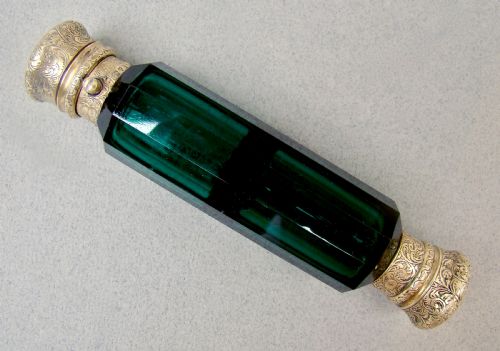
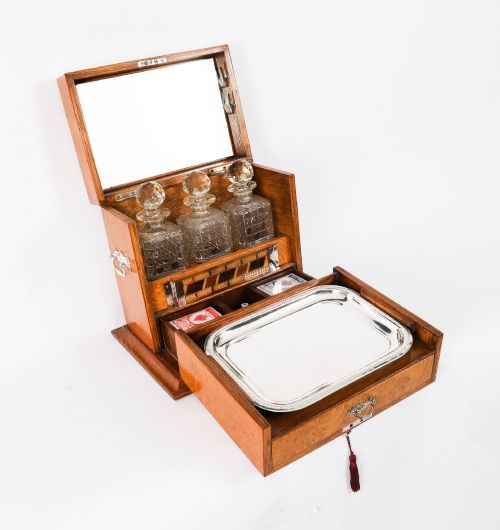
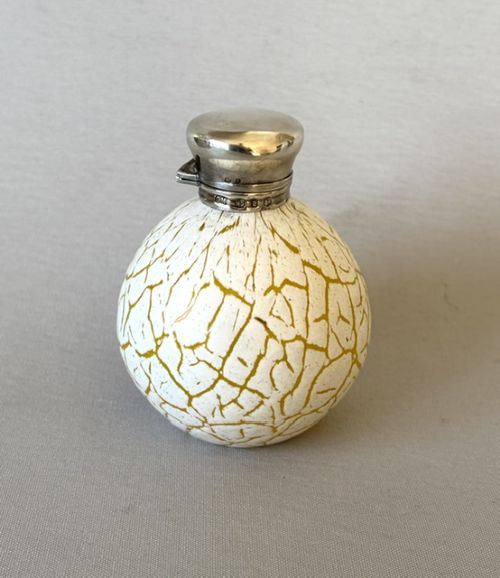
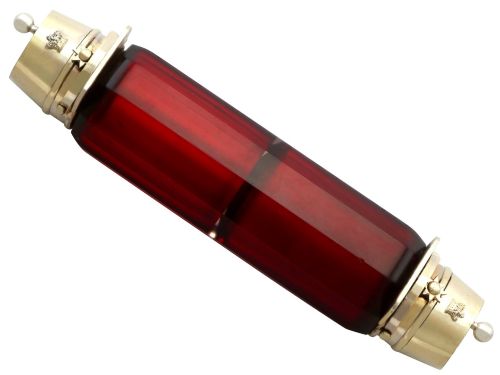
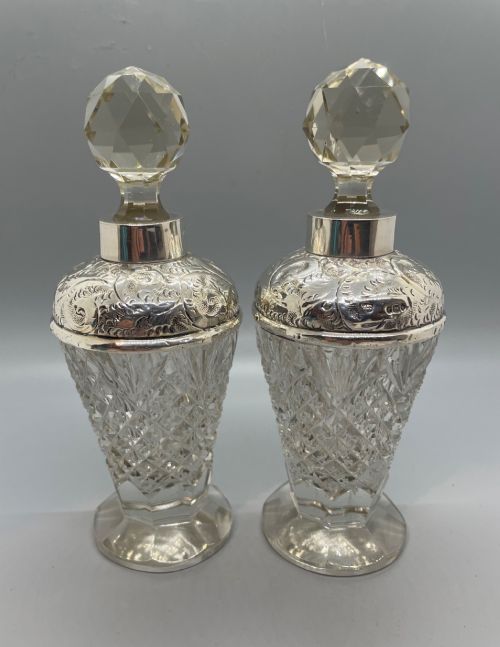
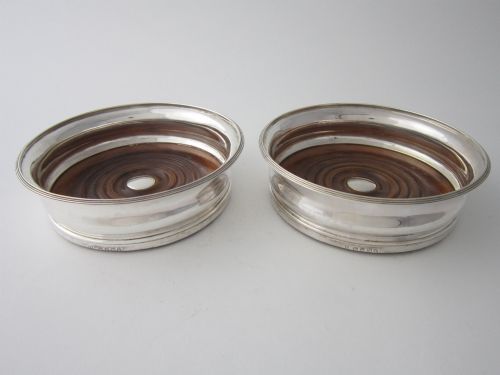
The selections on this page lean heavily towards Victorian and Edwardian examples, alongside Georgian tablewares and mid-century items. Scent bottles in crackle glass, ruby glass, and opaline glass sit alongside sterling silver mounted decanters and wine coasters.
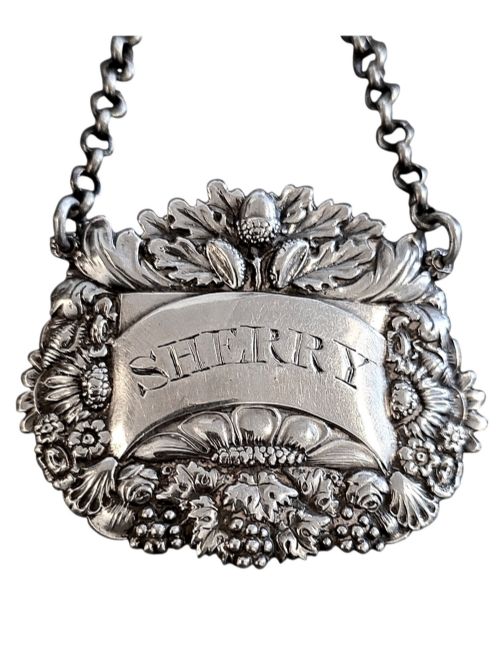
Makers utilised various alloys and metals, yielding items from solid sterling silver to silver-gilt, silver plate, and Old Sheffield plate. Buyers encounter everything from miniature pocket flasks to substantial barware and wine coolers.
Materials and construction
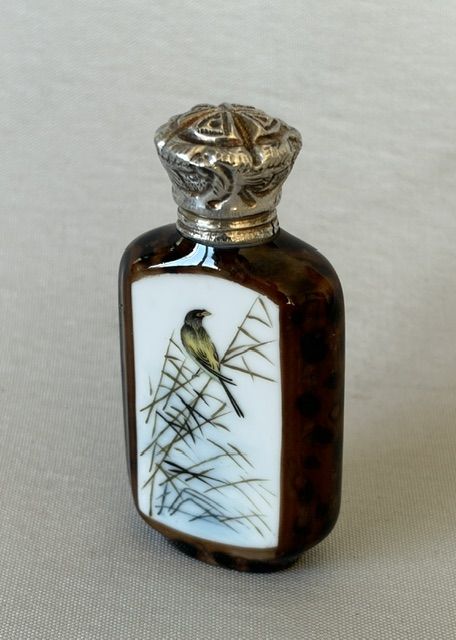
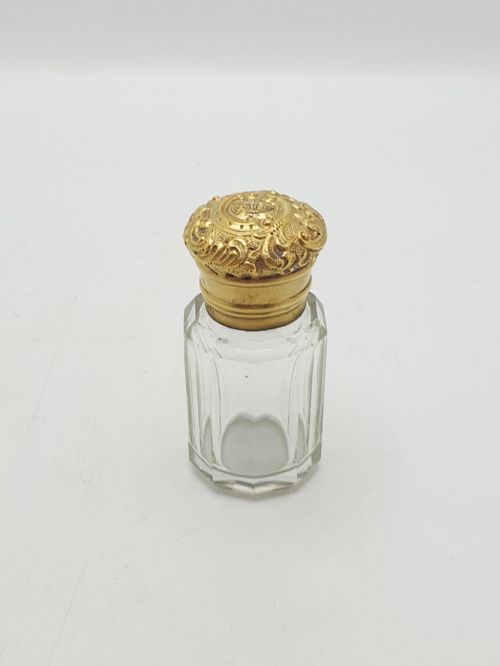
Makers constructed these vessels by combining blown glass, cut crystal, or coloured ceramics with cast and chased sterling silver mounts, collars, and hinged lids. Glass bodies were frequently moulded or wheel-cut before receiving hand-worked silver overlays and intricately engraved collars.
Silversmiths employed techniques such as repoussé, chasing, and gilding to ornament the metal components, often incorporating cork or glass stoppers to ensure a secure seal. Plated items utilised fused silver sheets over copper bases, particularly in larger pieces like wine coolers and bottle stands.
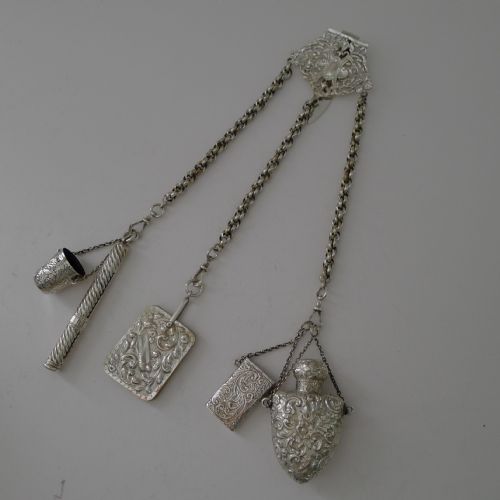
Some Victorian ladies relied on miniature silver flasks hidden on chatelaines to revive themselves during particularly dull social calls.
Evaluating standard and execution
Quality rests upon the crispness of the silversmith's chasing, the clarity and depth of glass cutting, and the precise integration of metal mounts to glass bodies. Superior pieces exhibit well-balanced proportions and retain clear hallmarks on the silver components.
Maker attribution also dictates standing, with documented workshops and specialist retailers commanding greater attention than unmarked domestic wares. The preservation of original stoppers, gilding, and interior glass condition further defines the upper tier of these objects.
William Barrett II·William Comyns & Sons·Saunders & Shepherd·Hermes, Paris·Elizabeth Morley·John Reily·Gorham·Walker & Hall
The Antique Silver Bottle Glossary
- Sterling silver
- An alloy containing 92.5 percent silver by weight, standard in British silver manufacture. This metal provides the primary structural and decorative mount for many finer bottles.
- Silver-gilt
- Sterling silver that has been coated with a thin layer of gold, sometimes referred to as vermeil. This treatment protects the silver from tarnish and adds a rich interior or exterior tone.
- Old Sheffield plate
- A composite material made by fusing a thin sheet of silver to a thicker copper base before rolling. This early plating method produces a warm, durable finish seen on Georgian and nineteenth-century bottle stands.
- Cut glass
- Glass decorated by grinding facets or patterns into the surface using a rotating wheel. It provides weight and brilliance to decanters and perfume flasks.
- Chatelaine
- A decorative belt hook worn with suspended chains carrying everyday accessories such as scent bottles and etuis. These items were popular in Victorian household dress.
Antique Silver Bottle: Frequently Asked Questions
Were these bottles meant for travel?
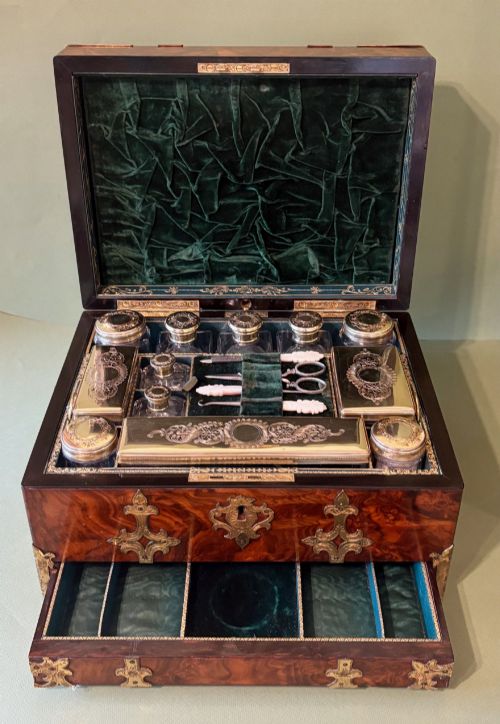
Many smaller scent flasks and vinaigrettes were designed for personal carriage within fitted dressing cases or suspended from chatelaines. Their secure screw caps or hinged stoppers prevented accidental spills during daily transit.
Larger table decanters and wine coasters remained stationary in dining rooms and drawing rooms. These heavier vessels served guests during formal meals rather than accompanying the owner outdoors.
How do I date a silver bottle?
Dating relies primarily upon the assay office hallmarks stamped into the silver mounts, which indicate the year of manufacture and the city of testing. Stylistic clues like Art Nouveau organic lines or Georgian cut glass patterns also narrow down the period.
Comparing the construction of the collar, hinge, and stopper provides additional context. Maker's marks further pin down the active years of the silversmith workshop.
Can I still use these for perfume?
Most antique scent bottles function adequately for storing modern perfumes, provided the internal stopper creates a tight seal. Inspect the cork or ground glass stopper to ensure evaporation will not occur over time.
Wash the interior carefully with warm water, avoiding harsh detergents that might affect old glass chemistry. Ensure the piece is completely dry before adding fresh fragrance.