




Antique Silk Ottoman
An antique silk ottoman brings centuries of textile tradition and plush comfort into a room, offering rich textures and historic patterns for a seating piece.
Antique Silk Ottoman
When you search for an antique silk ottoman, you encounter a diverse selection ranging from plush footstools and gout stools to embroidered textile panels, rugs, and historic garments. The material forms bridge functional seating and decorative Near Eastern or European craft.
The pieces appearing on this page span several centuries, reaching from the seventeenth century through the Victorian era and into the early twentieth century. You will find items originating from regional workshops in Turkey, Greece, Sweden, France, and Britain, showcasing varied cultural traditions.
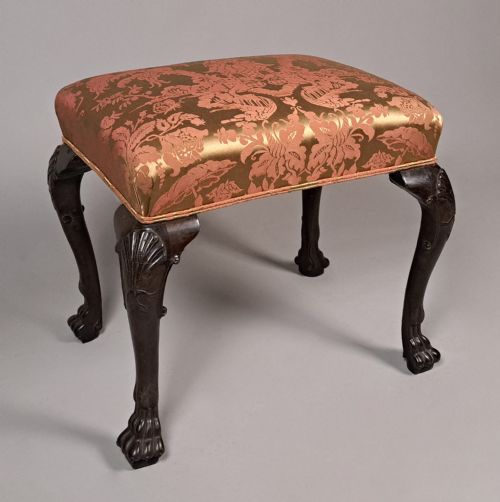
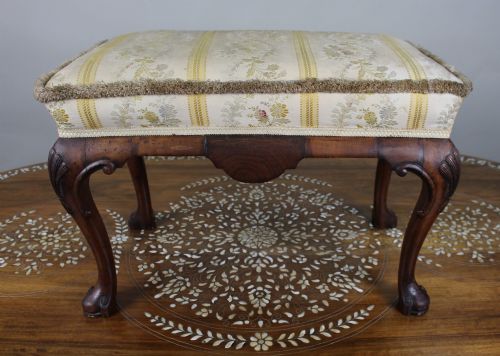
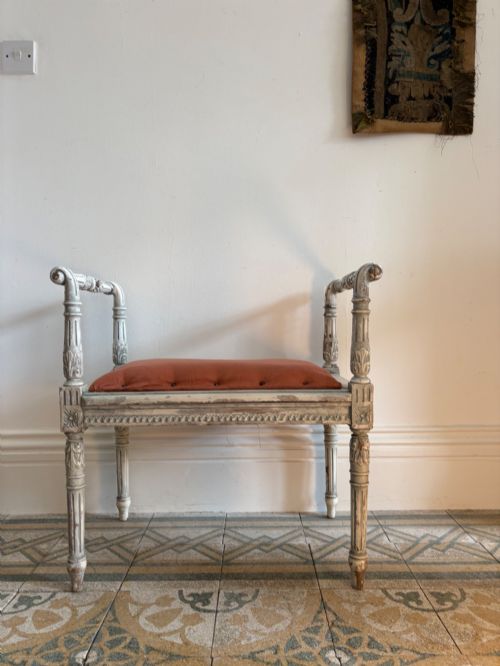
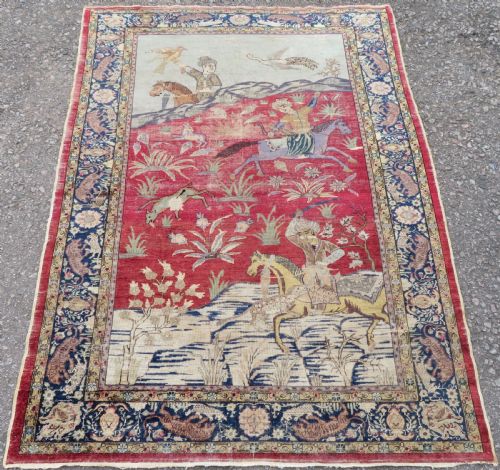
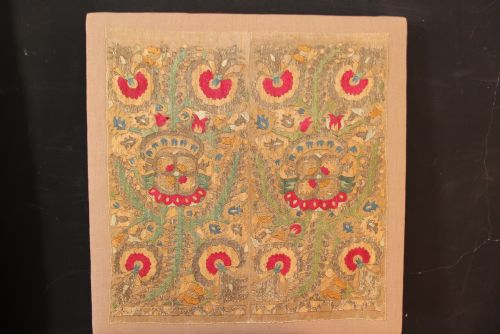
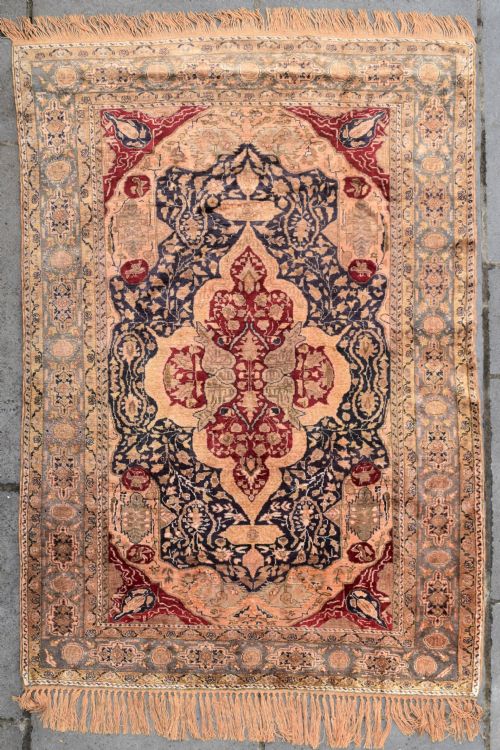
Seating forms include walnut and mahogany footstools upholstered in silk, alongside deep buttoned French stools and white painted Gustavian styles. Textile works encompass Kayseri prayer rugs, Bursa carpets, embroidered fragments, and framed panels featuring metallic thread.
Materials and construction
Makers utilised resilient structural woods such as walnut, mahogany, and giltwood to build sturdy frames for stools and footstools. Artisans shaped these supports through carving and painting, often incorporating brass details or applied gilding.
Upholstery and decorative elements rely heavily on silk, cotton, and linen foundations worked with metallic threads and floss silk. Embroidery techniques in these textiles required intricate hand needlework, visible in regional Greek island panels and Turkish prayer rugs.
Antique Silk Ottoman Retail Price Guide 2026
Typical asking prices for silk ottoman among the pieces listed under this phrase on Sellingantiques today, from the lower quarter to the upper quarter. They describe what is for sale here now, not the wider market.
Listings feature items dated across multiple centuries, incorporating materials such as silk, walnut, metallic thread, and giltwood in various regional styles.
Assessing quality and execution
The distinction between ordinary and superior pieces rests on the intricacy of the hand knotting or needlework and the preservation of the delicate silk fibres. Denser knotting in rugs and finer detail in gold or metallic thread embroidery signal higher workshop standards.
Structural integrity of the wooden frames, whether walnut, mahogany, or painted finishes, determines longevity alongside the stability of historical upholstery. Original mounting or framing of fragile fragments also influences the overall integrity of the piece.
The Antique Silk Ottoman Glossary
- Floss silk
- Unspun silk filaments utilised for soft, lustrous embroidery work. This material gives specific Turkish and regional rugs a distinct sheen.
- Gout stool
- A nineteenth-century adjustable footstool designed to elevate feet affected by gout. These pieces often feature tilting mechanisms and silk or fabric upholstery.
- Prayer rug
- A small Islamic carpet featuring a mihrab design, used during daily prayers. Kayseri examples frequently employ fine silk pile.
- Tülbent
- A lightweight traditional Turkish scarf or head covering. These garments often feature delicate gold embroidery on fine silk.
- Giltwood
- Timber treated with gold leaf or gilt paint to create a decorative metallic surface. It appears on French and European decorative stools.
Antique Silk Ottoman: Frequently Asked Questions
How do I clean an antique silk textile?
Historic silk textiles require gentle handling and professional conservation rather than standard washing. Surface dust can be carefully removed with low-suction vacuuming through a protective mesh screen.
Avoid moisture, direct sunlight, and harsh chemical cleaning agents, which degrade fragile silk fibres and metallic threads over time. Consult a textile conservator for specialised care.
Can I use an antique silk stool for daily seating?
Most antique stools and footstools were built for functional use from solid woods like walnut and mahogany. However, historic silk upholstery requires careful consideration regarding wear.
For heavy daily use, placing a protective cover or positioning the piece in a low-traffic area helps preserve the fragile silk fabrics and antique embroidery.
How do I identify the origin of a rug?
Region attribution depends on specific knotting techniques, palette choices, and traditional motif patterns such as prayer arches or pictorial scenes. Kayseri and Bursa rugs show distinct regional weaving characteristics.
Comparing border designs, material choices like floss silk, and structural foundations helps differentiate between Turkish, Greek island, and European pieces.
What is the difference between a rug and a fragment?
A rug is a complete, woven floor or prayer covering with intact borders and ends. Fragments represent surviving sections of larger historical textiles, garments, or carpets.
Fragments are frequently mounted and framed as textile art to preserve intricate needlework and prevent further deterioration of the remaining material.