





Antique Silk Fabric
When you handle antique silk fabric, you touch centuries of precise needlework and rich regional dyes that transform plain walls and rooms.
Antique Silk Fabric
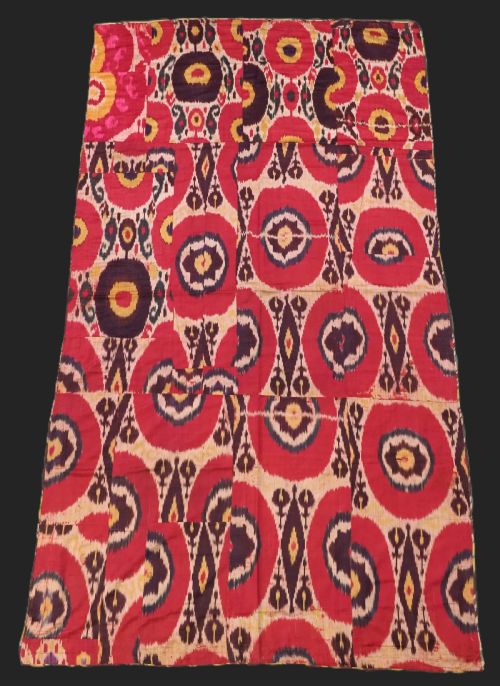
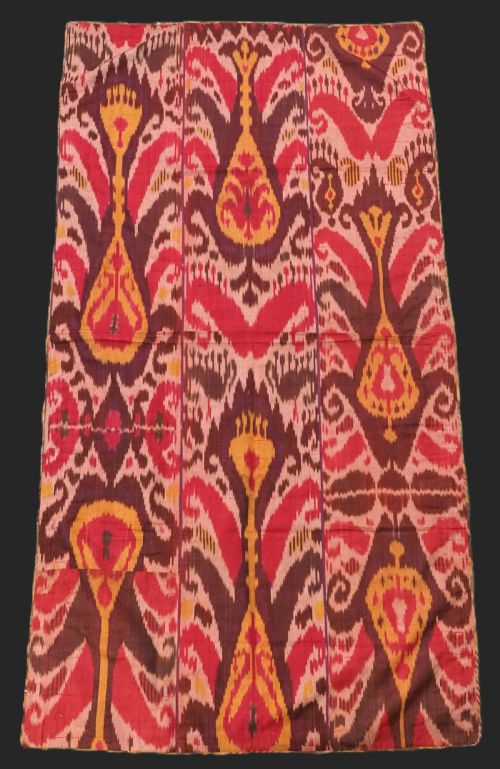
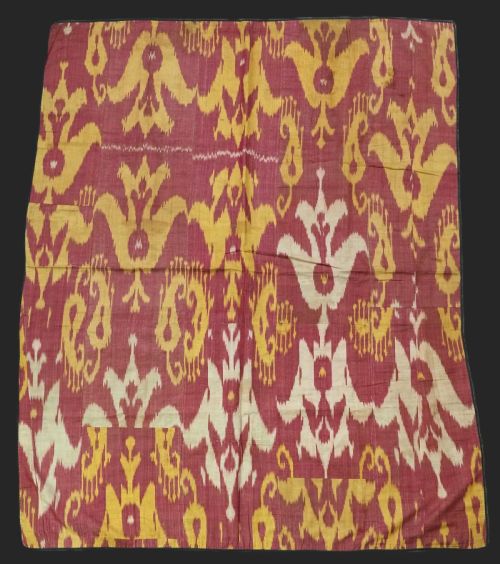
When you search for antique silk fabric, you encounter a diverse range of textiles, from Central Asian Suzanis and Ikat panels to European lampas and cut silk velvets. These pieces survive as wall hangings, framed panels, cushions, and lengths originally intended for lavish interiors or traditional garments.
On this page, you are most likely to meet Central Asian embroidery and Ikat panels alongside eighteenth-century French woven lengths. The selection spans the eighteenth, nineteenth, and early twentieth centuries, capturing distinct regional aesthetics and weaving traditions.
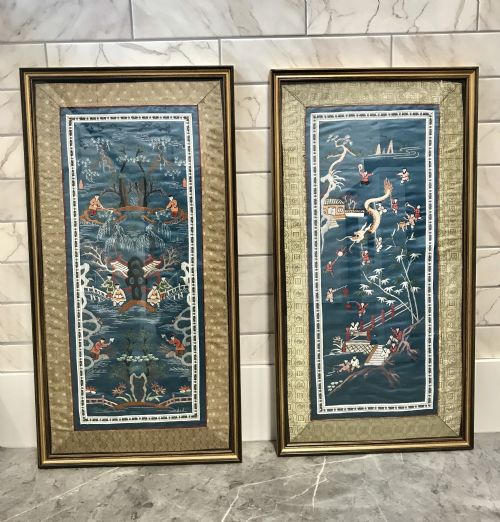
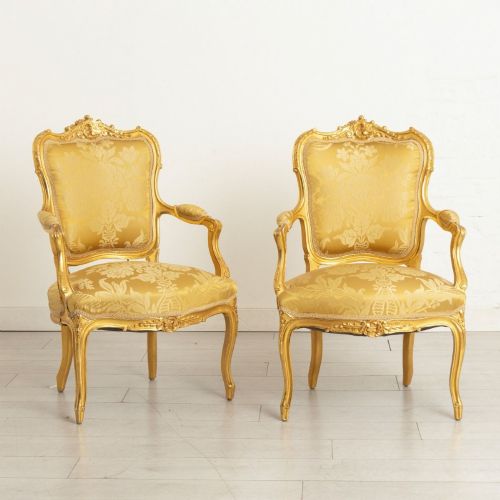
Many of these textiles spent decades mounted, framed, or repurposed into decorative cushions and upholstery. They bring historical texture into modern rooms, serving as focal points that display complex pattern work and saturated natural dyes.
How they were made
The makers of antique silk fabric utilised specialised looms and hand-embroidery techniques to achieve depth and texture. Weavers combined silk yarns with cotton grounds or metal threads, employing complex patterning methods like lampas, ikat resist-dyeing, and ciselé velvet cutting.
Central Asian pieces typically feature hand-stitched embroidery on cotton or silk foundations using dyed silk threads, while European textiles rely on professional loom setups to create intricate damasks and brocades. These methods required considerable skill, patience, and precise preparation of natural colorants.
Antique Silk Fabric Retail Price Guide 2026
Typical asking prices for silk fabric among the pieces listed under this phrase on Sellingantiques today, from the lower quarter to the upper quarter. They describe what is for sale here now, not the wider market.
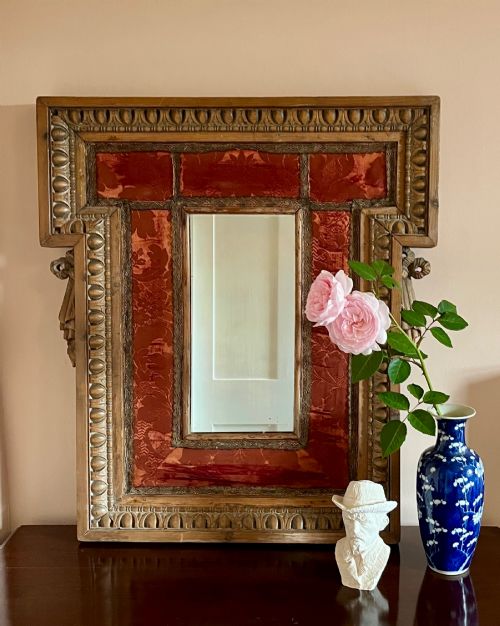
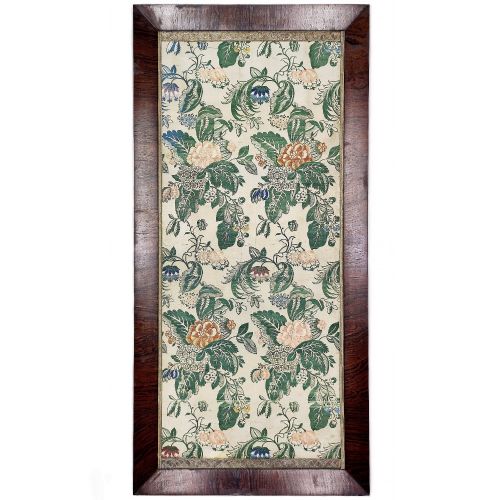
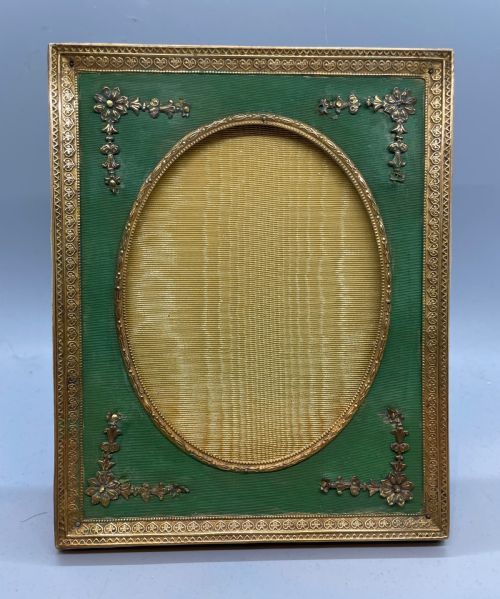
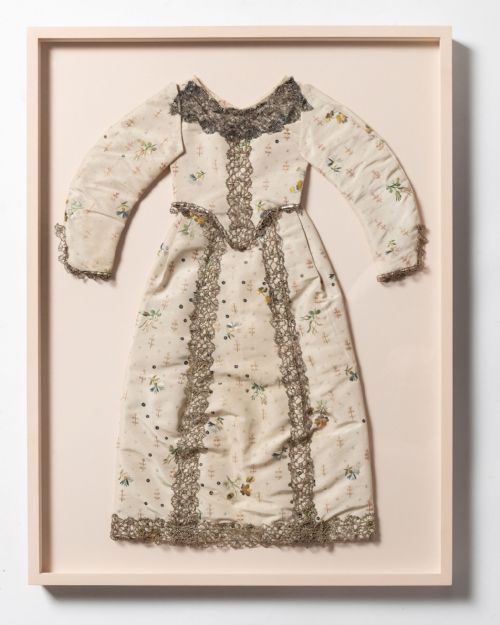
Listings feature eighteenth-century French wall hangings alongside nineteenth-century Central Asian Suzanis and Edwardian silk photo frames.
What varies in quality
The quality of antique silk fabric depends heavily on the density of the weave or embroidery, the stability of the ground material, and the preservation of the original dyes. Finer pieces demonstrate tight, uniform stitching and complex, multi-layered colour schemes that retain their visual impact.
Condition and completeness also separate standard examples from exceptional ones. Textiles retaining their full scale without heavy restoration or extensive fibre loss command greater attention from collectors who value original integrity.
The Antique Silk Fabric Glossary
- Suzani
- An embroidered tribal textile from Central Asia, typically worked in silk on a cotton or linen ground with large floral or architectural motifs. These pieces were often made as part of a bride's dowry.
- Ikat
- A dyeing technique where yarns are resist-dyed before being woven into fabric, creating characteristic feathered edges along the pattern lines. This method requires expert planning to align the design during the weaving process.
- Lampas
- A figured fabric where a pattern is formed by weft threads acting upon a ground weave, often incorporating contrasting textures. It appeared frequently in formal European interior decoration.
- Ciselé velvet
- A velvet where the pile is cut in relief against an uncut or lower ground to form a pattern. This technique produces a subtle interplay of texture and light across the surface of the textile.
- Adras
- A traditional Central Asian fabric woven with a silk warp and a cotton weft. It combines the lustre of silk with the sturdiness of cotton.
Antique Silk Fabric: Frequently Asked Questions
How should I clean antique silk fabric?
Cleaning antique textiles requires extreme caution because fragile silk fibres and historic dyes degrade easily under standard washing methods. Professional textile conservators should handle any major cleaning or stabilization.
For routine maintenance, keep pieces away from direct sunlight and gently remove surface dust using low-suction vacuuming through a protective mesh screen.
Can I hang antique silk fabric on a wall?
Hanging these textiles is a traditional way to display their scale and pattern without risking damage from foot traffic or daily handling. Mounting should distribute the weight evenly across a supportive backing rather than relying on a few suspension points.
Framing behind UV-filtering glass provides an extra layer of protection against dust, humidity fluctuations, and accidental tears.
How do I identify a Suzani?
Suzanis are large, hand-embroidered wall hangings originating primarily from Uzbekistan and surrounding regions. They usually feature bold botanical motifs, vases, or sunburst roundels stitched in vibrant silk threads.
Examining the reverse reveals the hand-tied knots and individual stitches characteristic of traditional domestic embroidery workshops.
What is the difference between silk and semi-silk fabrics?
Pure silk fabrics utilise silk for both the warp and the weft, giving them a uniform lustre and drape throughout. Semi-silk textiles, such as traditional adras fabrics, combine silk threads with cotton foundations.
This blend offered weavers structural durability while maintaining the bright surface sheen associated with luxury Central Asian goods.