

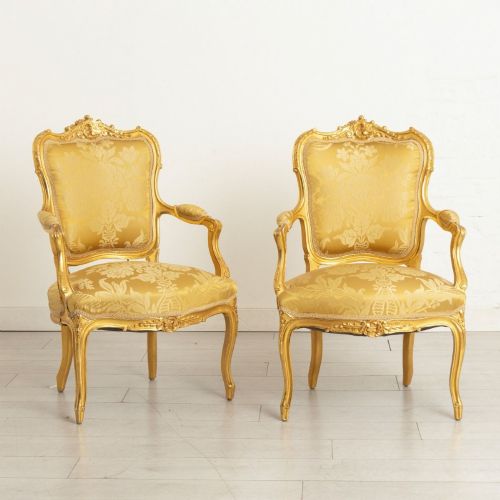


Antique Silk Damask Chairs
Antique silk damask chairs bring period elegance and rich tactile pattern to a room, offering refined seating forms from the eighteenth and nineteenth centuries.
Antique Silk Damask Chairs
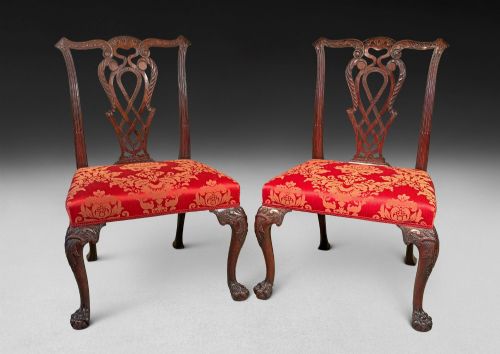
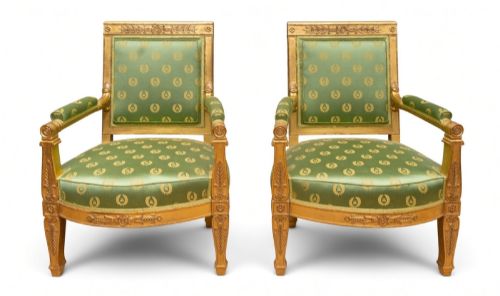
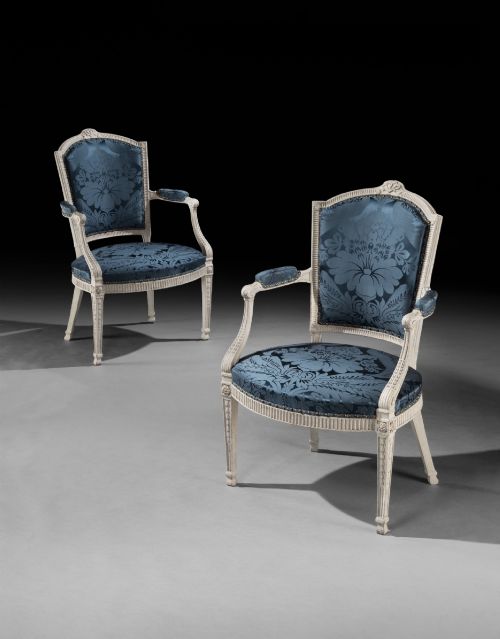
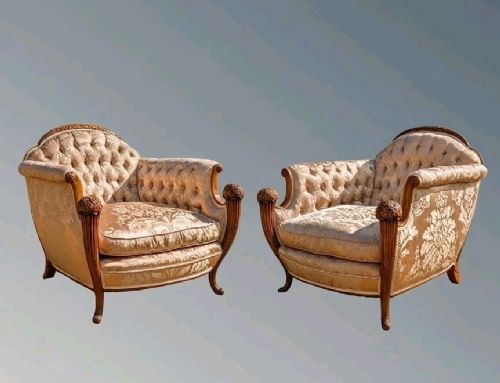
When you search for antique silk damask chairs, you encounter a variety of seating forms spanning the Georgian, Regency, and nineteenth-century French periods. Armchairs, dining chairs, slipper chairs, and larger salon suites make up the primary physical evidence on this page.
French influences dominate the offerings, from French Chateau and Rococo styles to Louis XVI and Restauration designs. Alongside these continental pieces, Georgian mahogany and painted frames provide classic British seating options.
The upholstery itself defines the visual character of these pieces, pairing traditional timber frames with silk damask and silk fabric. Whether through single armchairs or matched suites of dining chairs, these items combine structural woodwork with decorative woven textiles.
Distinctions in quality and execution
The distinction between standard examples and top-tier pieces rests on the intricacy of the wood carving and the pedigree of the frame. Finely carved Georgian mahogany or documented nineteenth-century giltwood frames demonstrate superior artisan skill compared to plain or later revival pieces.
The quality of the silk damask upholstery and the fidelity of its application significantly impact the overall standard. Original or historically appropriate textile choices executed with precision elevate the integrity of the chair.
Antique Silk Damask Chairs Retail Price Guide 2026
Typical asking prices for silk damask chairs among the pieces listed under this phrase on Sellingantiques today, from the lower quarter to the upper quarter. They describe what is for sale here now, not the wider market.
Jacob-Desmalter·Miles & Edwards
The Antique Silk Damask Chairs Glossary
- Silk damask
- A reversible figured fabric woven on a loom, combining warp-faced and weft-faced satin areas to create patterns. It provides a lustrous and formal surface texture for period seating.
- Giltwood
- Timber that has been coated with a thin layer of gold leaf or gold paint. This finish appears frequently on French salon chairs and neoclassical frames.
- Fauteuil
- An open-armed upholstered armchair with wooden sides originating in France. The arms typically feature padded elbow rests.
- Gainsborough chair
- A wide, upholstered armchair with short cabriole or straight legs developed in Georgian England. It was designed to accommodate the wide skirts worn in the eighteenth century.
- Restauration
- A French decorative arts period spanning the early nineteenth century. It bridges the Empire style and later nineteenth-century revivals.
Antique Silk Damask Chairs: Frequently Asked Questions
How do I identify a French antique armchair?
French armchairs often display distinct regional styles such as Louis XVI, Rococo, or Restauration, characterised by carved giltwood frames and open arm designs.
Makers frequently utilised walnut or beech for these frames, pairing the timber with decorative silk damask upholstery to achieve a formal aesthetic.
Where should I place antique silk damask chairs?
These chairs suit formal reception rooms, studies, or bedrooms where their decorative textiles and period woodwork can be fully appreciated. Pairing them with complementary lighting enhances the lustrous quality of the silk damask.
Care should be taken to keep silk upholstery away from direct sunlight to preserve the colour and integrity of the woven fabric over time.
What is the difference between Georgian and French chairs?
Georgian chairs generally employ mahogany or painted frames with restrained neoclassical or Chippendale carving, reflecting British design priorities. French chairs often feature giltwood finishes, ornate scrolling woodwork, and stylistic influences from the Palais de Tuileries.
Both traditions utilised fine textiles, but the overarching silhouettes reflect the distinct furniture-making standards of their respective regions.
Can I use these dining chairs every day?
Large suites of dining chairs from the nineteenth and twentieth centuries were built for functional use, though antique silk damask requires attentive care. Rotating their placement and avoiding heavy wear helps maintain the fragile woven silk surfaces.
Assessing the underlying timber frame ensures the structural stability remains reliable for regular seating.