

Antique Silhouette
An antique silhouette captures a likeness in solid profile, offering a direct window into Georgian and Regency society.
Antique Silhouette
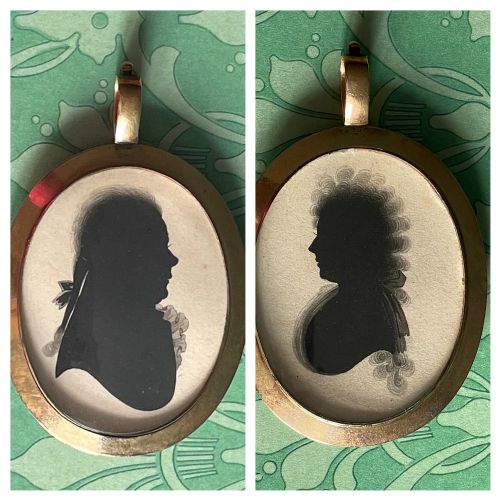
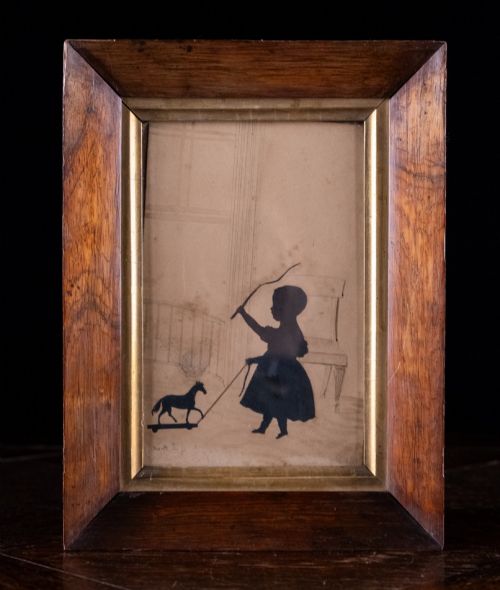
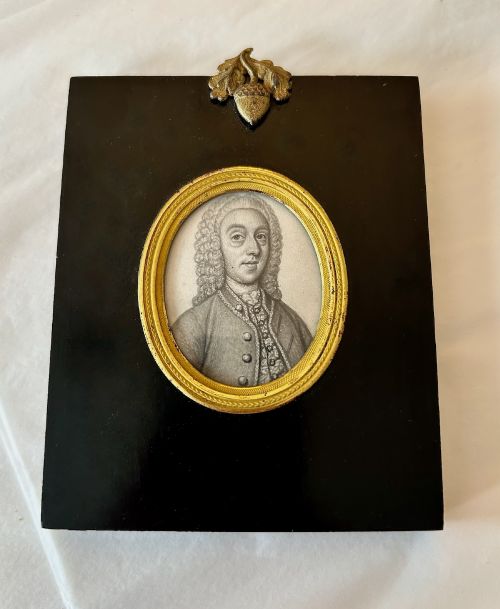
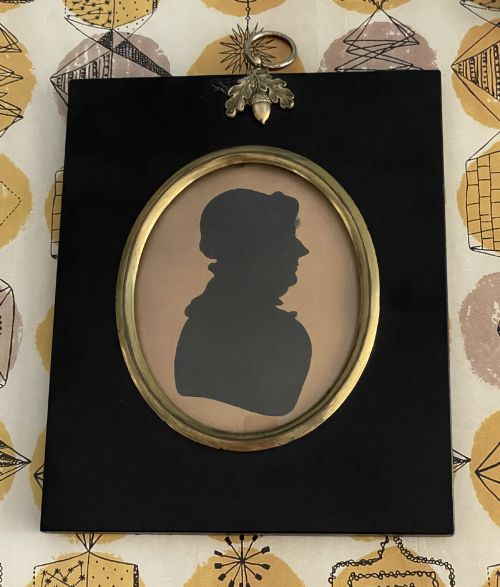
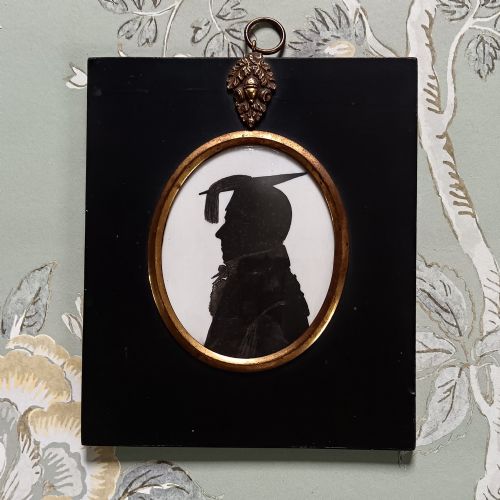
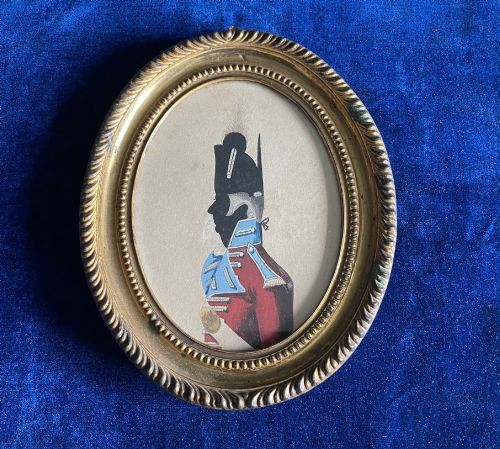
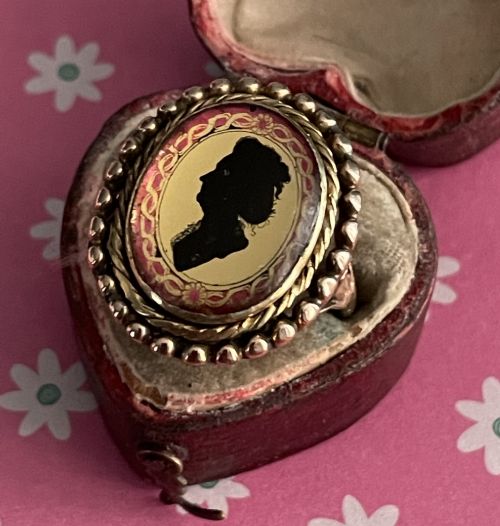
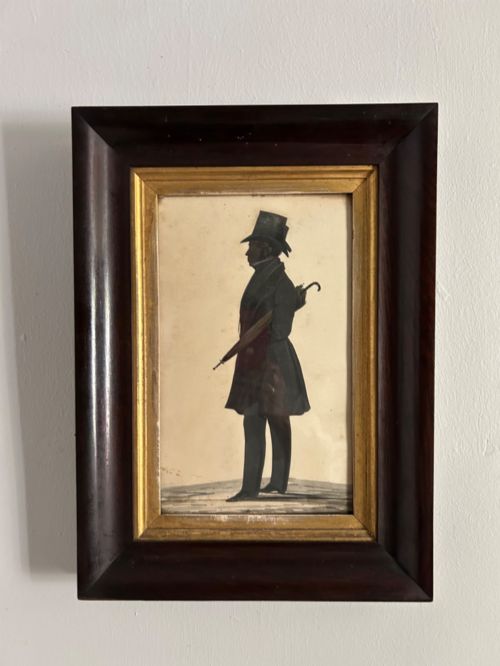
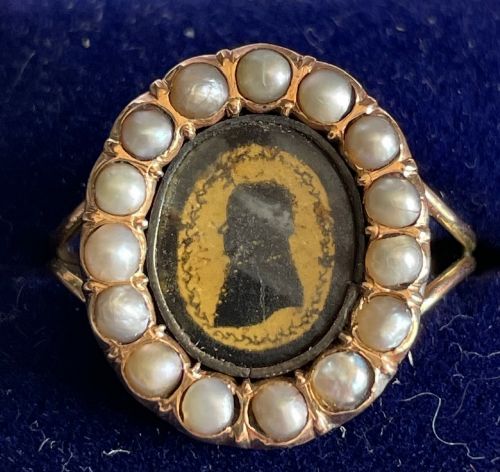
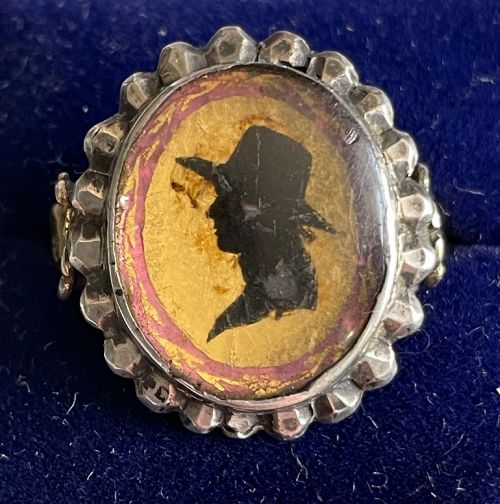
When you search for an antique silhouette, you encounter profile portraits rendered through various historic mediums across the Georgian, Regency and Victorian eras. The most common examples on this page take the form of framed wall art, miniature portraits on glass and small scale jewellery such as rings.
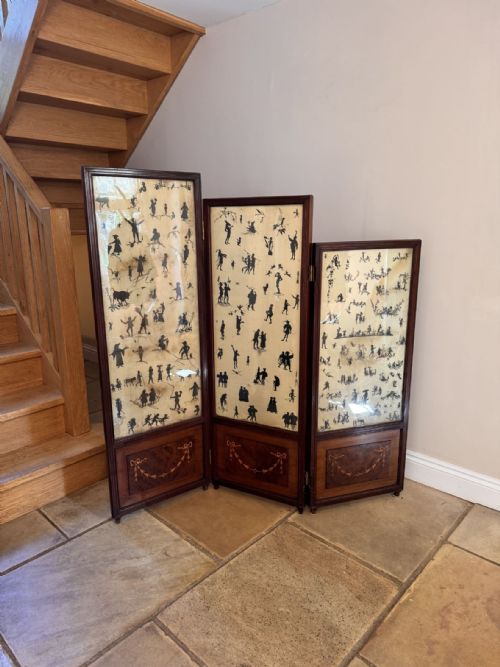
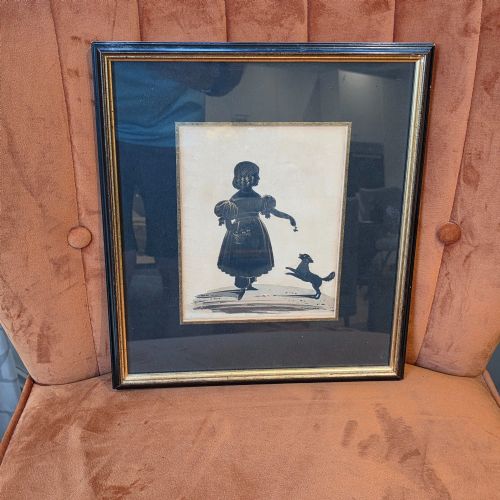
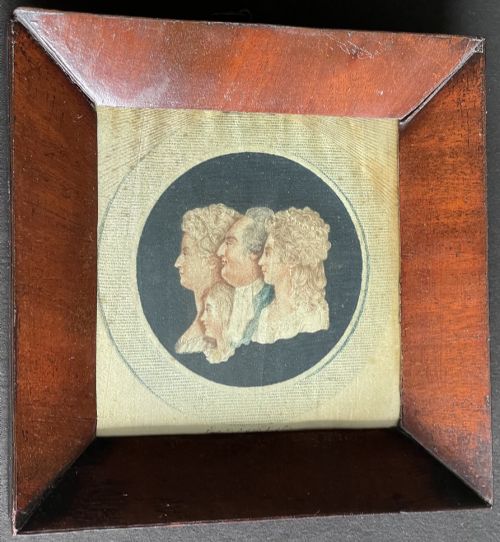
These works capture sitters ranging from gentlemen and ladies to children and animals, often framed in ebonised wood or brass. Alongside traditional hanging portraits, the selection includes specialised formats like conversation pieces and painted marriage pairings.
Materials and Technique
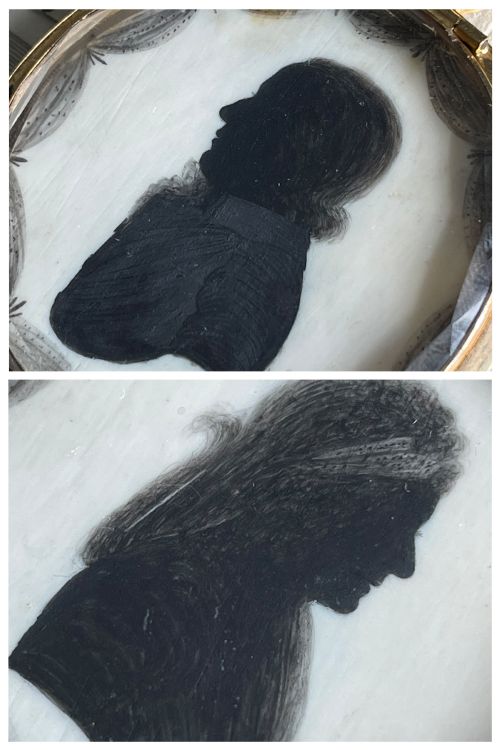
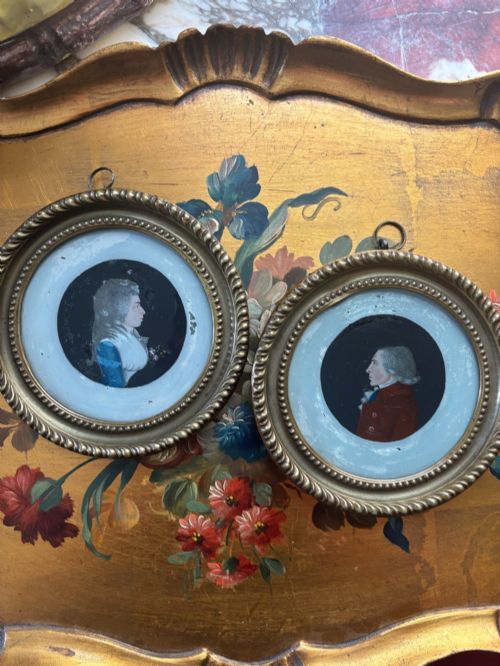
Framed works frequently employ reverse painting techniques on glass, known as verre églomisé, protecting the pigment underneath. The supports range from simple paper sheets to card and wood panels, housed in period timber frames.
Antique Silhouette Retail Price Guide 2026
Typical asking prices for silhouette among the pieces listed under this phrase on Sellingantiques today, from the lower quarter to the upper quarter. They describe what is for sale here now, not the wider market.
Listings feature works spanning the eighteenth century through the Edwardian period, utilising glass, paper, wood, brass, ink, gold leaf and watercolour.
Distinguishing Quality
The distinction between standard works and superior examples lies in the precision of the hand-cutting or brushwork. Master practitioners achieved a lifelike likeness and psychological depth through minimal lines and deft handling of the profile edge.
Condition and originality also govern the standing of a piece, particularly the survival of the original glass, backing papers and frames without later restoration. Signed works or those bearing studio stamps from established galleries command greater recognition.
Bateman·William James Hubard·Augustin Edouart·James Gillespie·Elizabeth Hudson·Frederick Frith·Thomas London·J. Deacon·Alfred Darbyshire·George Atkinson
The Antique Silhouette Glossary
- Silhouet
- A profile portrait filled in with a solid dark colour, usually cut from paper or painted. This form emerged in the eighteenth century and gained widespread popularity for portable likenesses.
- Verre églomisé
- A process of applying cold painting and gold leaf to the reverse side of glass. This technique protects the delicate metallic details from atmospheric tarnishing.
- Hollow cut
- A method where the profile is excised from a sheet of white paper, which is then laid over a dark background fabric. The resulting silhouette is defined by the negative space left behind.
- Conversation piece
- An informal group portrait depicting family members or associates engaged in a shared activity. These compositions often show multiple figures in domestic settings.
- Ebonised wood
- Timber treated with a chemical stain or finish to imitate ebony. Frame makers utilised this dark wood to provide high contrast for profile portraits.
Antique Silhouette: Frequently Asked Questions
How do I date an antique silhouette?
Dating relies primarily on the costume of the sitter, the hairstyle, and the framing materials used. Regency pieces often feature high-waisted dresses and elaborate collars, while Georgian examples show distinct wig styles and neckwear.
Backing papers, handwritten collector notes, and maker stamps or studio labels on the reverse also provide reliable chronological markers for these portrait miniatures.
What is the Hubard Gallery?
The Hubard Gallery was a prominent nineteenth-century establishment associated with silhouette artist William James Hubard. Operating in London and travelling locations, the gallery produced distinctive cut paper and watercolour profiles.
Pieces bearing this provenance typically exhibit refined cutting techniques and often feature specific gallery stamps or embossed marks on the backing.
Were silhouettes worn as jewellery?
Small profile portraits were frequently mounted into personal items such as rings and small lockets during the Georgian period. These miniature pieces served as tokens of remembrance or affection between family members and romantic partners.
They allowed individuals to carry a likeness of a loved one discretely on their person, often combining painted glass with gold mountings.
How should I display silhouettes at home?
These works require protection from direct sunlight to prevent the fading of dark inks, watercolours and backing papers. Hanging them on interior walls away from direct heat sources ensures the preservation of fragile glass and antique frames.
Grouping several small framed pieces together on a wall follows historic salon hanging traditions while creating a striking visual focal point.