



Antique Silhouette Painting
An antique silhouette painting captures a likeness in sharp profile, offering a direct, intimate glance into Georgian and Victorian lives.
Antique Silhouette Painting
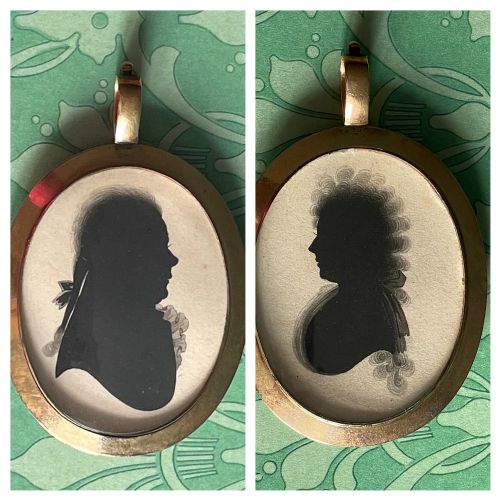
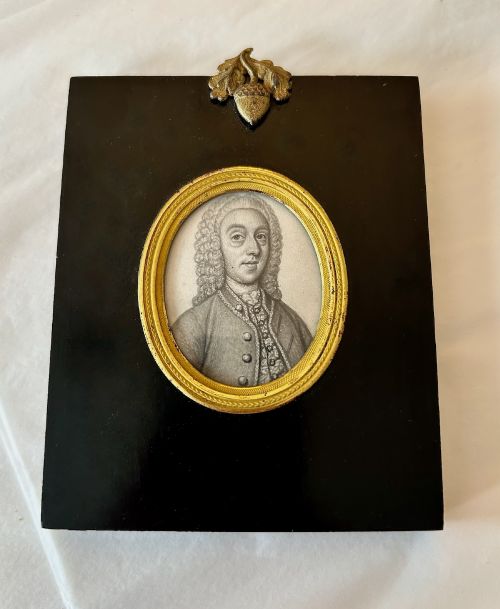
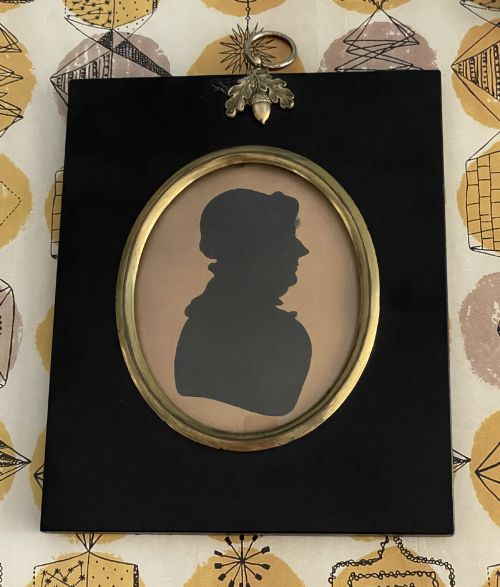
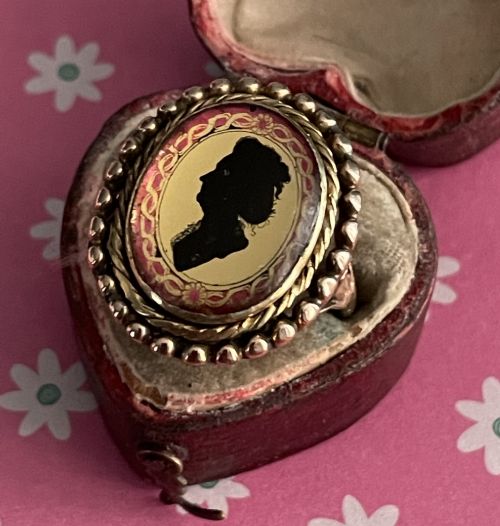
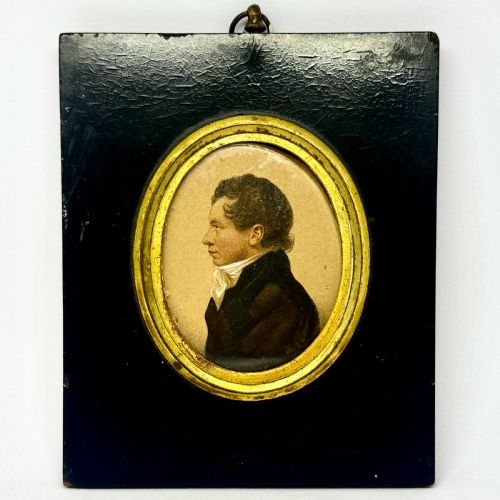
An antique silhouette painting takes the form of a profile portrait, capturing the likeness of sitters from the eighteenth and nineteenth centuries with remarkable economy of line. You will encounter these works executed as delicate bust portraits or full-length figures, often framed in wood or housed within small jewellery pieces.
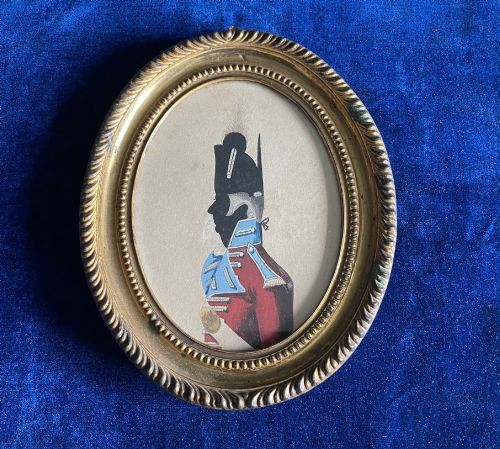
The pieces appearing on this page span the Georgian, Regency, and Victorian periods, alongside specific examples of folk art and maritime subjects. Makers employed varied approaches, ranging from simple cut paper to sophisticated painted works on glass and plaster.
Portraits often record named sitters such as Mrs Grace Williams or Harriet, daughter of John Miers, grounding each artwork in specific genealogical history. Collectors find these pieces valued for their stark graphic presence and direct connection to historical identities.
Materials and techniques
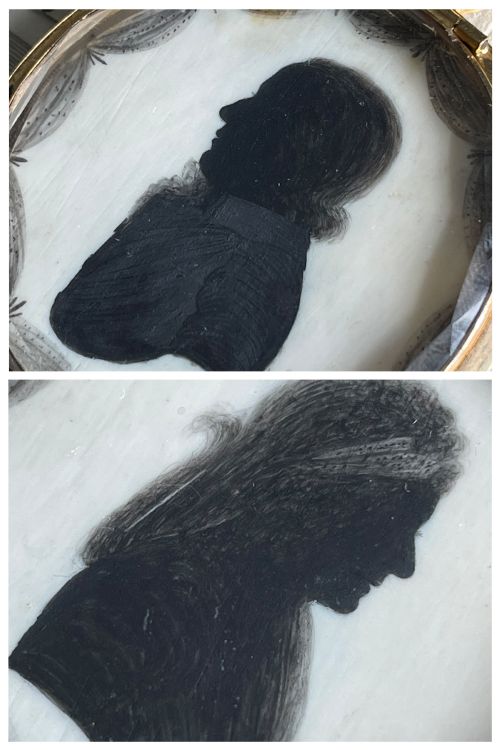
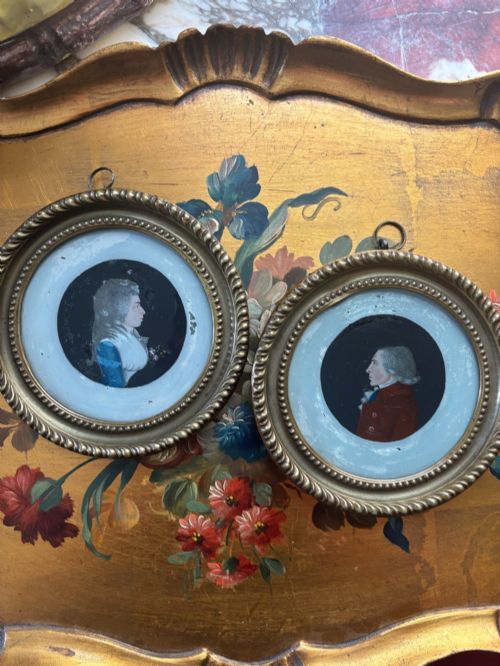
Makers utilised glass, paper, ink, and plaster as the primary grounds for these portraits, applying dark pigments or ink to delineate the profile. Artists frequently mounted cut paper against contrasting backgrounds or utilised reverse painting on glass to achieve a glossy, permanent finish.
Many Regency and Georgian examples incorporate gold leaf highlights to define hair ribbons, lace collars, or buttons against the dark profile. Frames fashioned from rosewood, maple, and brass protect these fragile works while complementing their sombre colour palette.
Antique Silhouette Painting Retail Price Guide 2026
Typical asking prices for silhouette painting among the pieces listed under this phrase on Sellingantiques today, from the lower quarter to the upper quarter. They describe what is for sale here now, not the wider market.
Listings span the eighteenth to the twentieth centuries, featuring glass, paper, ink, and brass across portrait miniatures and framed wall art.
Judging quality in profile art
The distinction between ordinary and exceptional work rests on the precision of the cutting or brushwork, and the psychological weight of the likeness. Master practitioners captured distinctive nasal bridges, hairstyles, and posture with absolute economy, whereas lesser hands produced stiff, generic profiles.
Preservation of the delicate media dictates value, as reverse-painted glass and paper are vulnerable to flaking, damp, and fading over time. Original frames, contemporary signatures, and documented provenance elevate certain pieces well above standard examples.
John Miers·J. Deacon·John Smith of Edinburgh·Alfred Darbyshire·George Atkinson
The Antique Silhouette Painting Glossary
- Verre eglomise
- A traditional technique involving cold painting and gilding on the reverse side of glass. This method protects the delicate pigment from dust and handling while imparting a deep, reflective lustre.
- Portrait miniature
- A small, highly detailed painting designed for personal intimacy rather than public display. These works often served as tokens of affection or remembrance among family members.
- Gilded
- Decorated with thin sheets or powder of gold. Artists applied this to highlight costume details and accessories on dark profiles.
Antique Silhouette Painting: Frequently Asked Questions
How do I hang a silhouette?
Display these small framed works away from direct sunlight to prevent the fading of paper and pigments. Grouping several profiles together on a neutral wall creates a striking visual impact similar to traditional nineteenth-century arrangements.
Ensure that hanging hardware matches the weight of rosewood or maple frames, and use stable hooks to protect fragile glass panels from accidental knocks.
How are these portraits dated?
Dating relies on costume details, hairstyles, framing styles, and occasionally handwritten inscriptions on the reverse of the backing board. Sitters often wore fashions specific to the Georgian, Regency, or Victorian eras.
Signed works by known practitioners like John Miers also provide reliable chronological benchmarks based on their active working years.
Can I wear silhouette jewellery?
Rings and pendants containing miniature profiles were popular forms of sentimental jewellery during the Georgian period. Due to their age and delicate glass or paper components, modern wearers should exercise caution.
Store these pieces in dedicated boxes when not being worn to protect the precious metals and fragile internal paintings from daily wear.