

Antique Signage
Antique signage brings tangible history into a room, offering authentic trade, street and advertising markers that defined past commerce.
Antique Signage
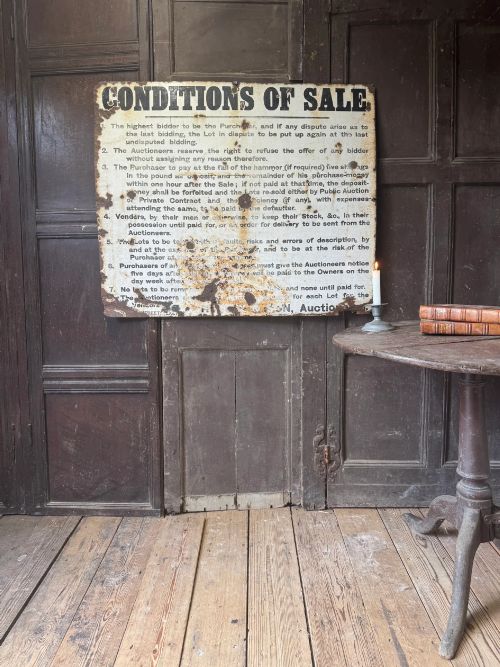
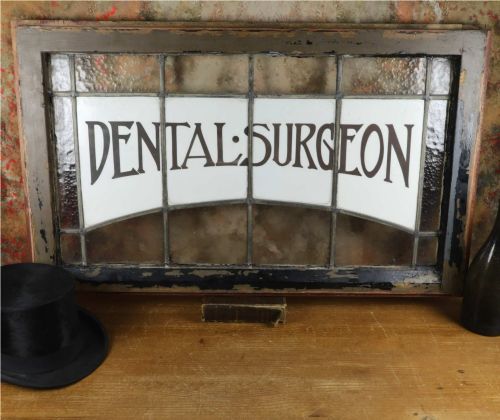
When seeking antique signage, buyers examine a diverse range of items including trade signs, wall signs, advertising panels and enamel notices. These pieces originate from various contexts such as Victorian railways, Edwardian dental practices and mid-century auctions.
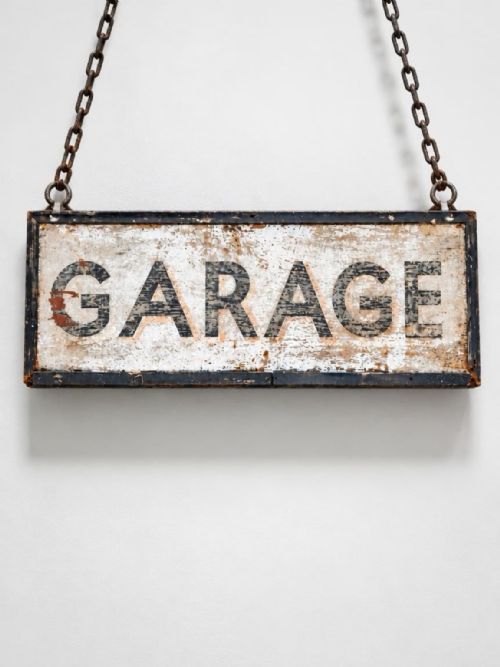
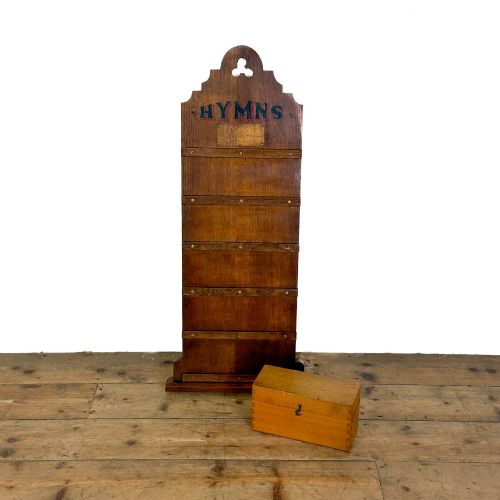
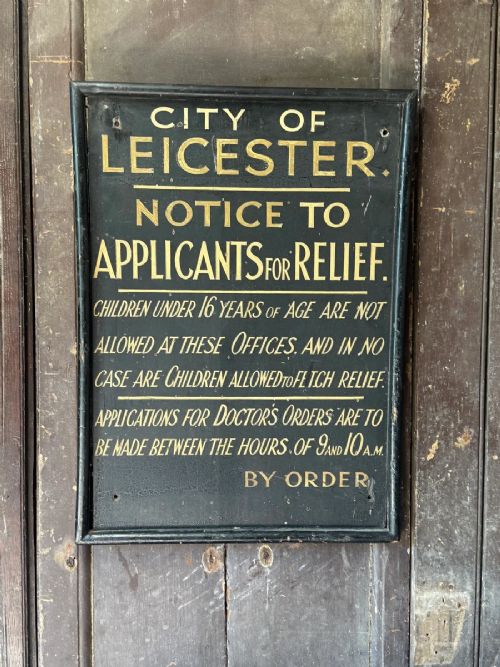
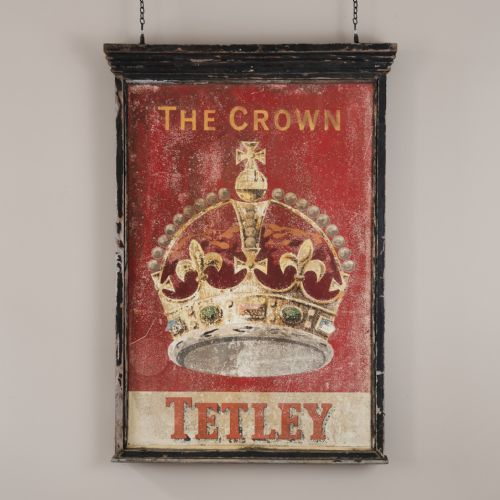
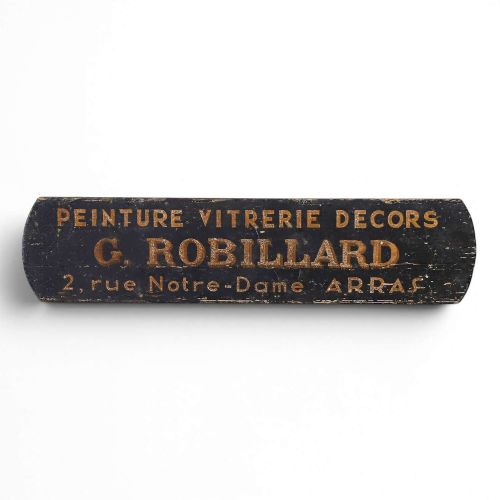
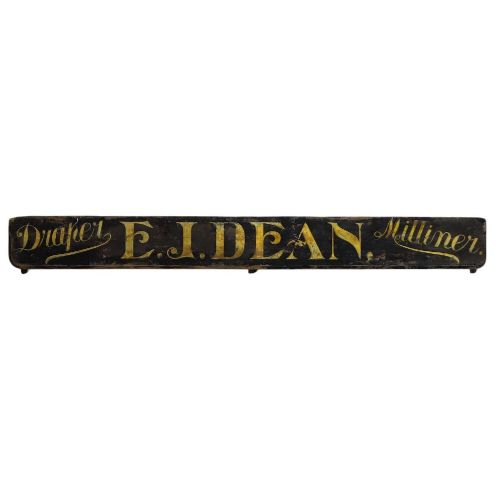
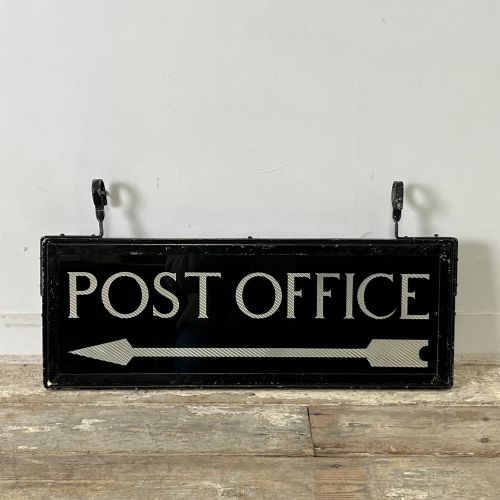
The selection on this page frequently includes painted wood shop boards, double-sided glass street directions and heavy metal public notices. Such objects served practical functions for milliners, pawnbrokers, post offices and pubs before finding new life in domestic and commercial interiors.
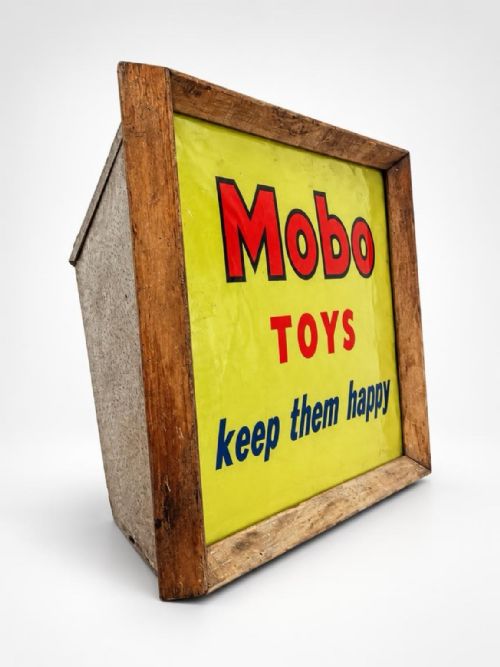
Originating largely from the nineteenth and early twentieth centuries, these pieces capture the visual language of historic trades. Items range from simple hand-painted pine boards to elaborate reverse-cut glass window panels and large enamel advertising displays.
Materials and construction methods
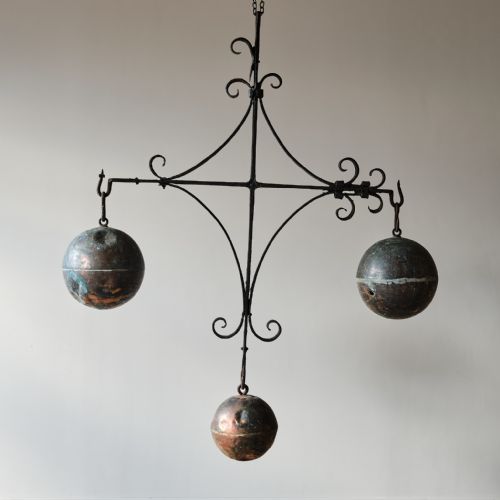
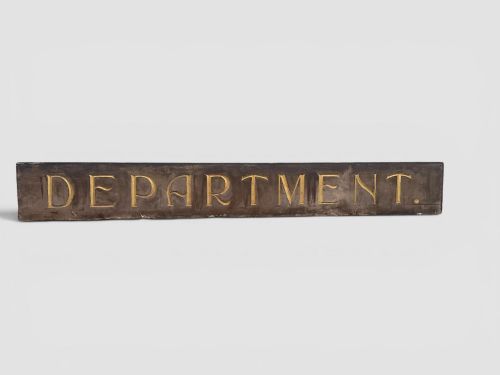
Makers utilised durable materials suited to exterior environments, frequently employing timber such as oak and pine alongside cast iron, beaten copper and sheet metal. Wooden boards were commonly hand-painted, sometimes enhanced with gold leaf lettering or carved relief details.
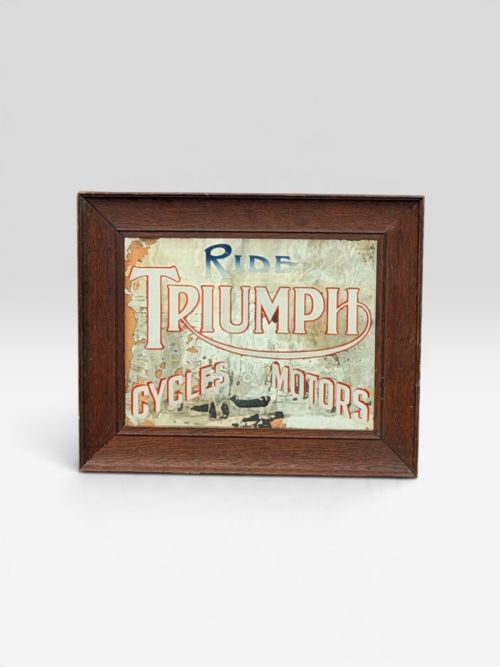
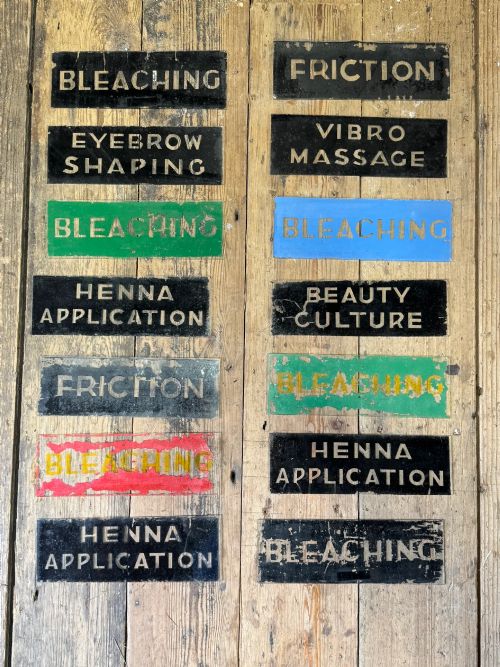
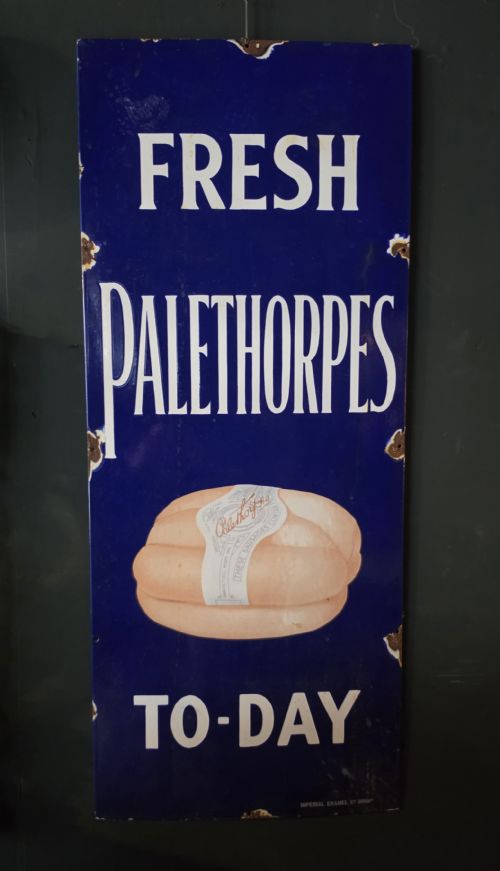
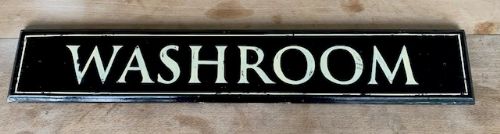
Glass techniques required specialist skill, visible in reverse-painted shop window panels, vitriolite glass street signs and double-sided hanging direction markers. Enamel signs relied on vitreous enamelling processes to fuse powdered glass onto metal plates at high temperatures, creating weather-resistant advertising surfaces.
Antique Signage Retail Price Guide 2026
Typical asking prices for signage among the pieces listed under this phrase on Sellingantiques today, from the lower quarter to the upper quarter. They describe what is for sale here now, not the wider market.
Surviving trade signs document diverse historical professions including dentistry, butchery, watchmaking and drapery.
Assessing quality in signage
Quality in these pieces rests upon the crispness of the lettering, the complexity of the manufacturing technique and the integrity of the original surface. Hand-painted examples demonstrate the steady hand and typography skills of period signwriters, while glass pieces show precision in reverse painting and cutting.
The survival of original mountings, brackets or hanging irons elevates a piece, as does untouched patination on painted wood and weathered metal. Signage that retains its original structural framing and authentic surface wear represents the higher tier of surviving examples.
The Antique Signage Glossary
- Reverse-painted glass
- A technique where lettering and imagery are applied to the back of a glass panel so the polished front protects the paint. This method produces a glossy, reflective finish often seen in Edwardian shop windows.
- Vitreous enamel
- A material made by fusing powdered glass to a substrate by firing, typically around high temperatures. The resulting coating provides a glossy, chemically resistant surface used extensively on railway and advertising signs.
- Trade sign
- A board, figure or emblem hung outside a shop or business to indicate the trade carried on within. These objects often took literal forms relating to the profession, such as boots, teeth or fish.
- Vitreolite
- An opaque pigmented structural glass popular in the early twentieth century for exterior panels and street signage. It offered a clean, modern aesthetic for shopfronts and public spaces.
- Gold leaf
- Gold beaten into extremely thin sheets used for gilding lettering on timber and glass signs. It catches ambient light and resists tarnishing outdoors.
Antique Signage: Frequently Asked Questions
How do I hang heavy metal signs?
Heavy iron and enamel pieces require secure wall anchors or robust structural brackets fastened into masonry or wall studs. Because many historic signs feature original mounting holes or heavy iron frames, weight distribution is the primary consideration for safe display.
Using professional fixings appropriate to the specific wall type ensures the hanging hardware supports the full load without straining the antique material.
Can glass signs go outdoors?
Most antique glass signage, including reverse-painted window panels and direction signs, suits sheltered exterior positions or interior display best. Exposure to persistent moisture and frost can compromise the backing paint and vulnerable glass edges.
Protected porches or interior walls preserve the delicate reverse-painted details and structural integrity of glass pieces for the long term.
How do I clean painted wooden signs?
Cleaning historic painted wood requires dry dusting with a soft brush or a very gently wrung cloth to avoid disturbing fragile pigment. Water and chemical cleaners can lift historic paint layers or soften old wood.
Preserving the original surface patination means accepting minor dirt and wear as part of the object's history rather than attempting deep restoration.
What periods do these signs span?
The pieces available range from nineteenth-century trade boards and Victorian enamel notices to Edwardian glass panels and mid-century metal auction signs. Industrial and Art Deco influences also appear in early twentieth-century examples.
Each period reflects distinct typographical styles and manufacturing materials, from hand-carved pine to mass-produced vitreous enamel.