



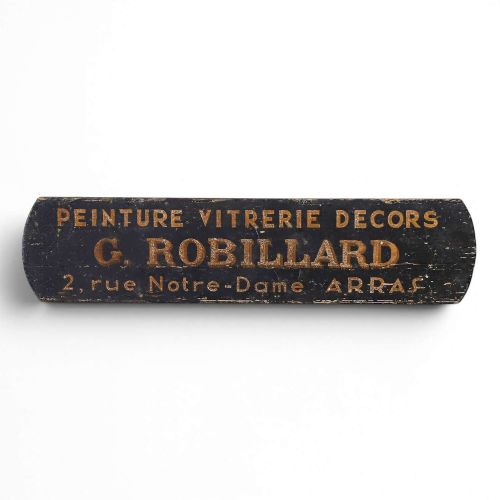
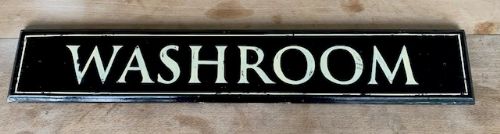
Antique Sign Board
When you search for an antique sign board, you are looking at trade boards, advertising pieces and painted panels made from wood and metal.
Antique Sign Board
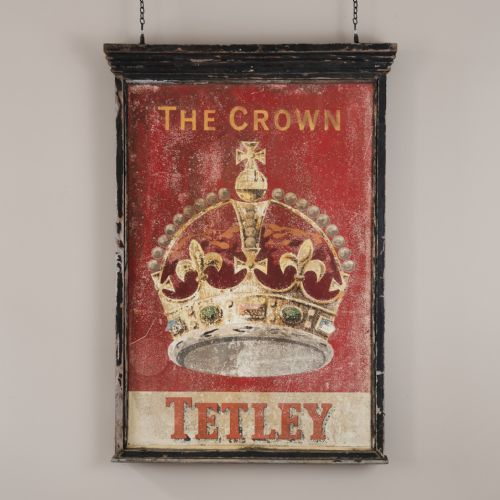
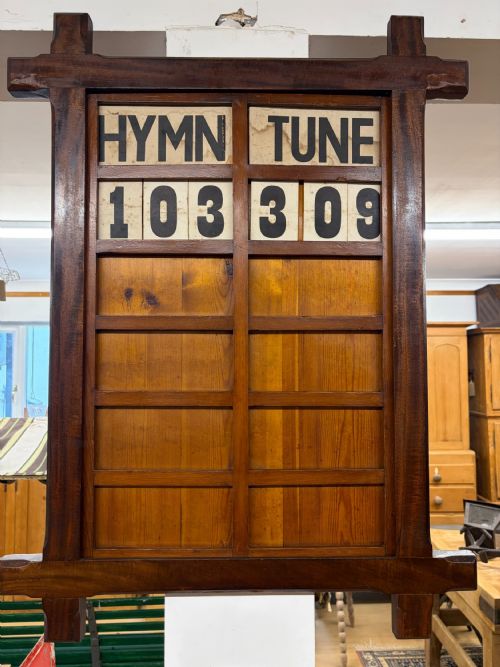
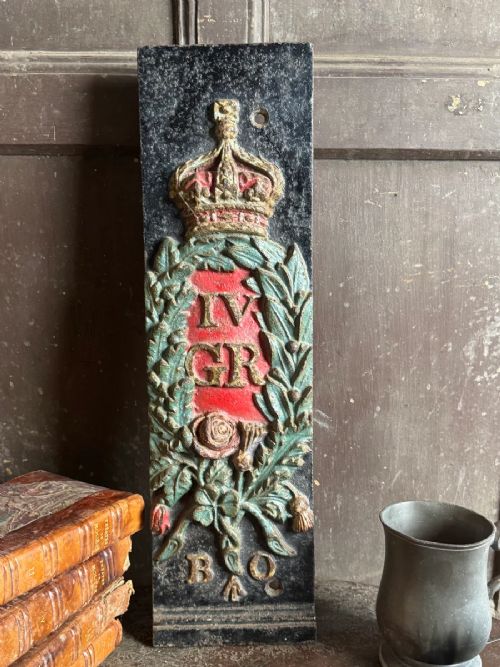
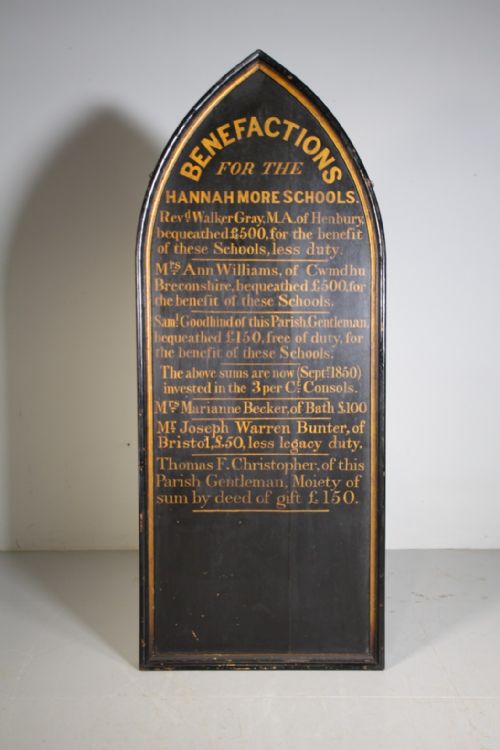
An antique sign board encompasses painted wooden shop signs, trade boards, metal advertising pieces and architectural plaques originating from the nineteenth and early twentieth centuries. These boards served practical commercial functions for merchants, tradesmen, public houses and institutions before being retired.
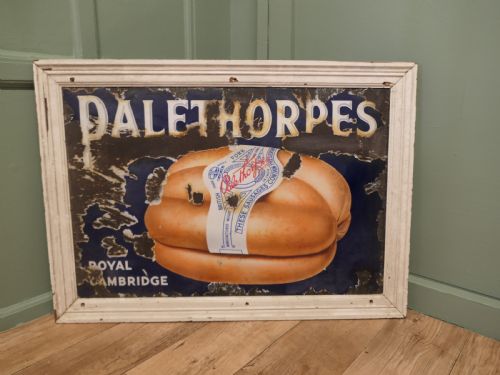
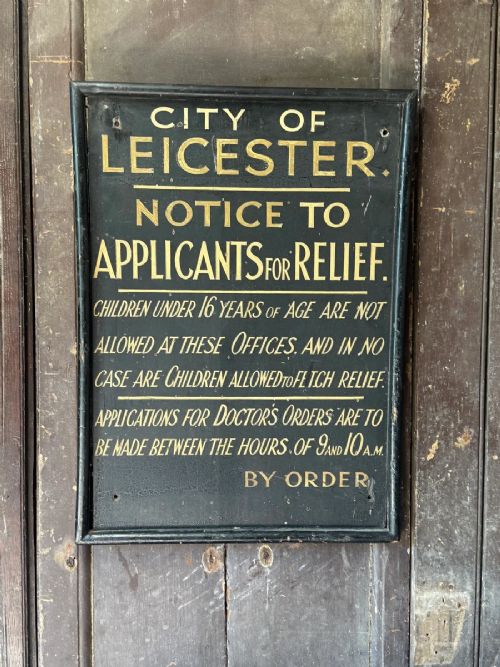
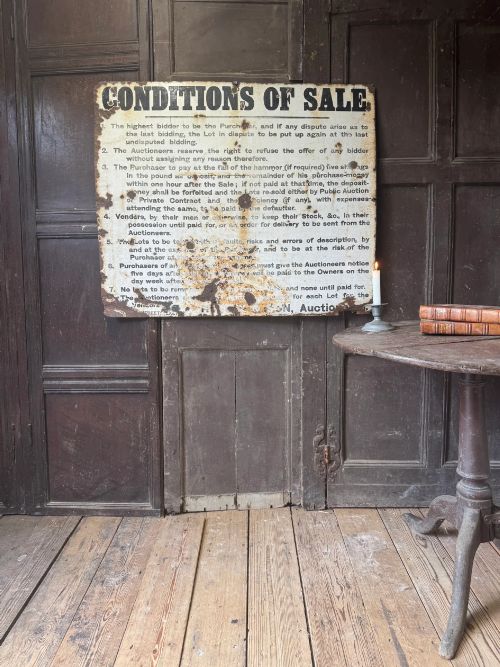
Buyers will encounter various formats on this page, ranging from hand-painted wooden washroom and trade notices to cast iron plaques and enamel public house signs. Examples span the Victorian era, Edwardian period and mid-twentieth century industrial contexts.
Many of these pieces bear the marks of direct commercial use, including original lettering, weathered paint surfaces and traces of exterior mounting. They function today as wall art and historical records of past commerce and trade.
Materials and technique
Makers utilised solid wood boards, sheet metal and cast iron as the primary foundations for these pieces. Artisans then applied oil paint, enamel or gold leaf by hand, often incorporating lettering, pictorial elements and decorative borders suited to the trade.
Surfaces frequently show layers of historical paint, brushwork and signwriting techniques particular to commercial artists and decorators of the period. Protective framing in wood or exposed metal edging was common for exterior and interior shop displays.
Antique Sign Board Retail Price Guide 2026
Typical asking prices for sign board among the pieces listed under this phrase on Sellingantiques today, from the lower quarter to the upper quarter. They describe what is for sale here now, not the wider market.
Materials recorded include painted wood, cast iron, oil paint and enamel.
What varies in quality
Quality rests upon the crispness of the original signwriting, the artistic merit of any pictorial elements and the survival of the untouched painted surface. Signs executed by named trade painters or commercial workshops command greater attention than utilitarian pieces.
The integrity of the original material substrate, whether heavy timber board, cast iron or sheet metal, dictates the structural character of the piece. Untouched surface patination and authentic wear elevate examples above later restorations.
Gerwin & Co Birmingham·Septimus Scott·Palethorps Royal Cambridge·R Leyton·W Klombeck
The Antique Sign Board Glossary
- Trade sign
- A board or plaque commissioned by a shopkeeper, artisan or business to advertise services or goods to the public. These objects rely on clear lettering and recognizable symbols.
- Enamel sign
- A metal plate fused with vitreous glass powder under high heat to create a durable, glossy coloured surface. This technique provided weather-resistant outdoor advertising.
- Gold leaf
- Beat gold applied to sign surfaces for lettering and highlights to catch the light and denote quality. It remains visible in traces on many surviving boards.
- Signwriting
- The professional craft of painting letters and designs by hand onto boards for commercial purposes. Skilled practitioners created balanced layouts without modern mechanical aids.
- Patina
- The surface appearance altered by age, wear, exposure and handling over decades. On painted boards, this includes craquelure, fading and minor losses.
Antique Sign Board: Frequently Asked Questions
How were antique sign boards used originally?
These boards hung outside shops, public houses and tradesmen's premises to identify businesses and advertise specific goods or services to passersby. They functioned as permanent outdoor markers before modern illuminated signage.
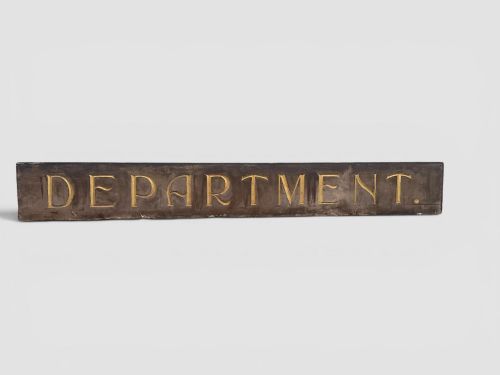
Interior examples directed customers within department stores, railway stations and public buildings. Each piece served a direct commercial or administrative purpose in daily life.
How do I hang a heavy wooden sign board safely?
Heavy wooden and cast iron boards require sturdy fixings anchored directly into wall studs or masonry rather than standard plasterboard hooks. Utilising the original mounting points or a secure batten system distributes the weight evenly.
Ensure the wall can support the specific weight of timber panels or metal plaques before installation. Professional framing or picture hanging wire suited to industrial objects provides additional security.
How do I clean an original painted sign board?
Dust the surface gently with a soft, dry brush or microfibre cloth to remove loose debris without disturbing fragile paint layers. Avoid water, harsh solvents or modern cleaning chemicals that can strip historical oil paint and gold leaf.
Preserving the original surface patination is essential for maintaining the historical integrity of the piece. Consult a professional conservator if deeper cleaning is required.
How can I tell a Victorian sign from a 1930s piece?
Victorian and Edwardian pieces often feature hand-brushed lettering, traditional serif fonts and heavy timber boards with older hand-cut fixings. The types of paint used, such as early oil paints, show distinct ageing characteristics like fine craquelure.
Later pieces from the 1920s and 1930s frequently incorporate stencilled lettering, enamel on metal, or different commercial substrates like plywood and pressed steel. Examining the construction methods and typography styles helps determine the correct era.