

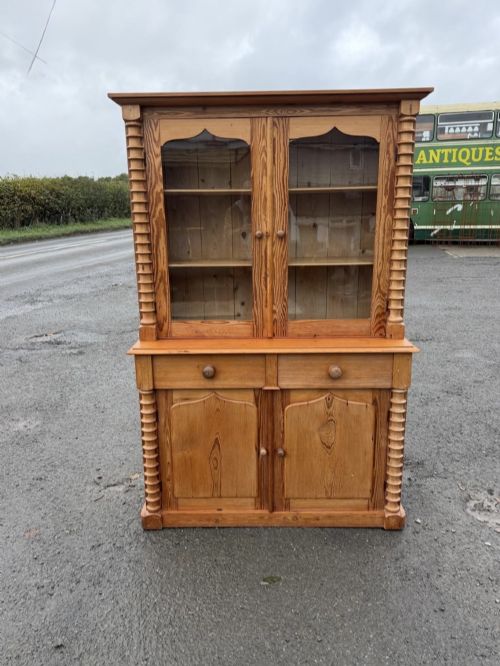
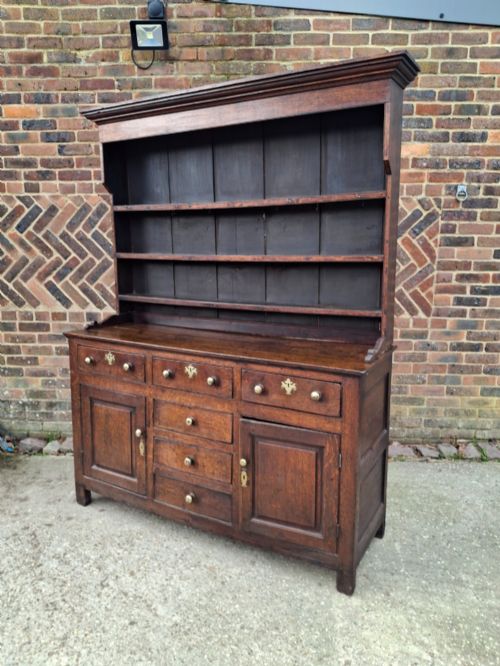
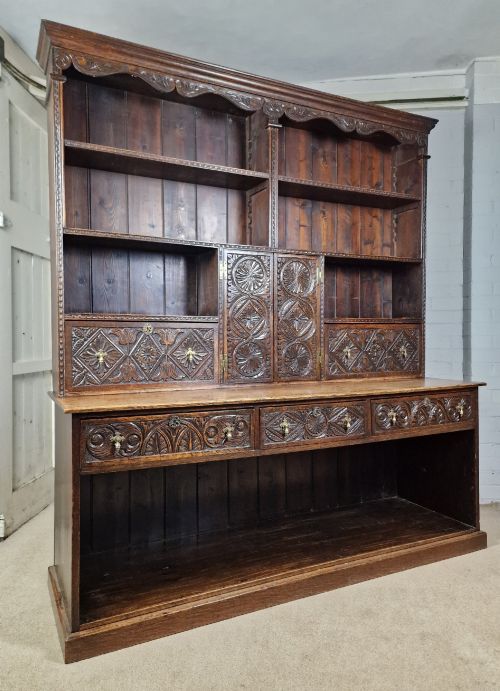
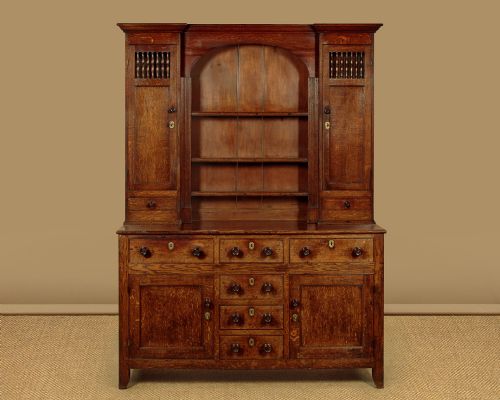

Antique Sideboard Hutch
An antique sideboard hutch combines lower storage and upper display, offering practical utility and timeless rustic character for domestic interiors.
Antique Sideboard Hutch
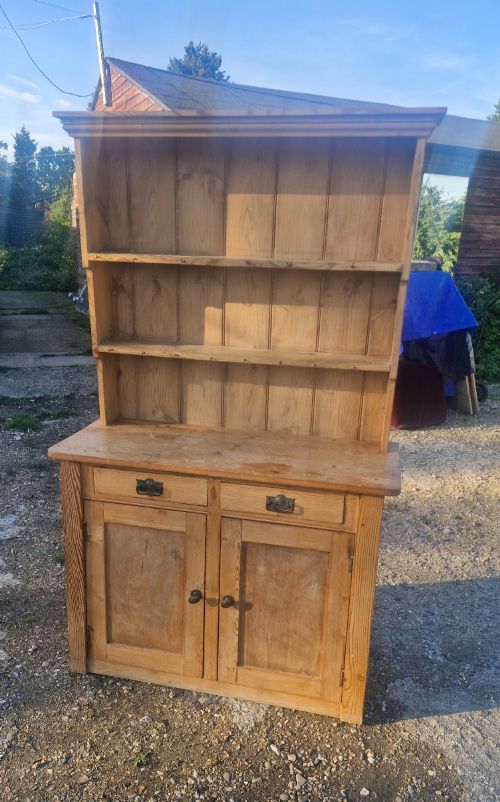
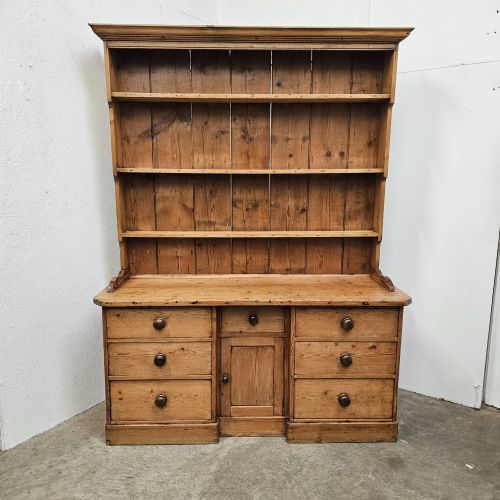
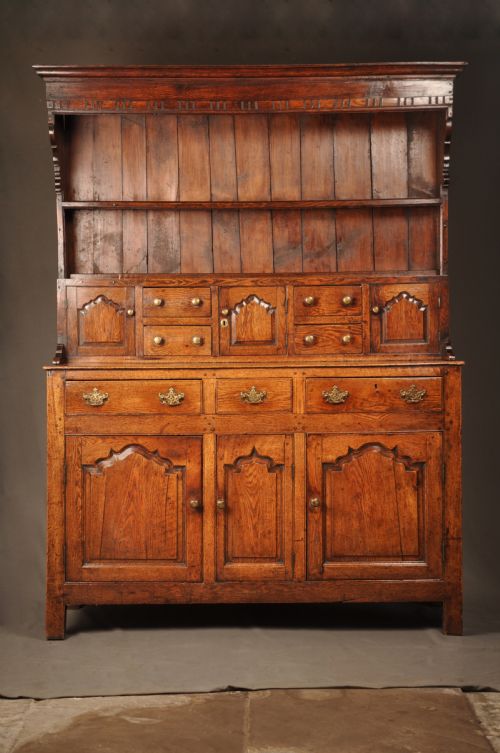
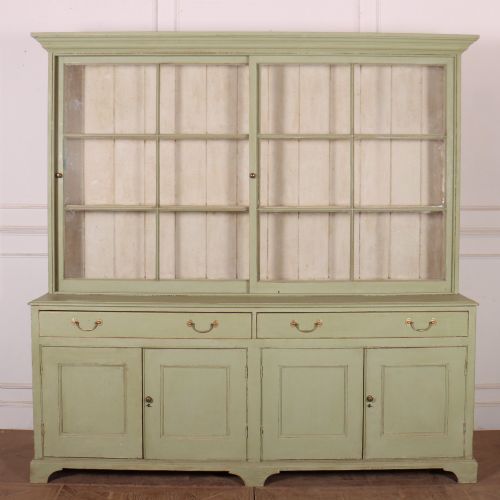
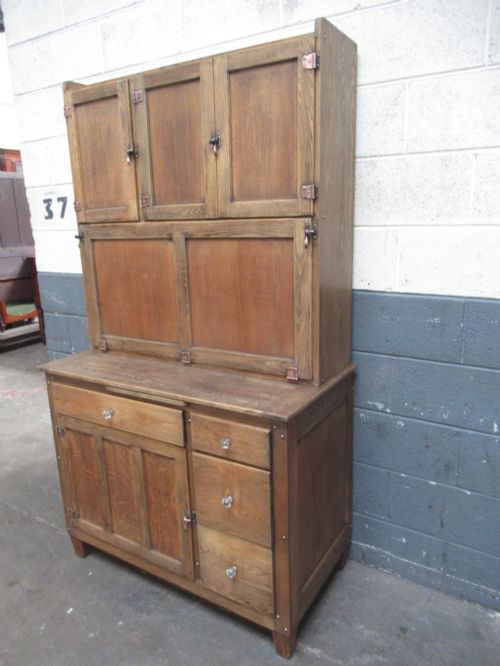
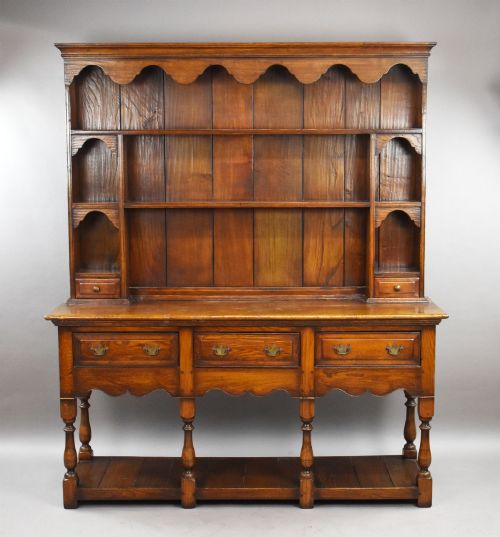
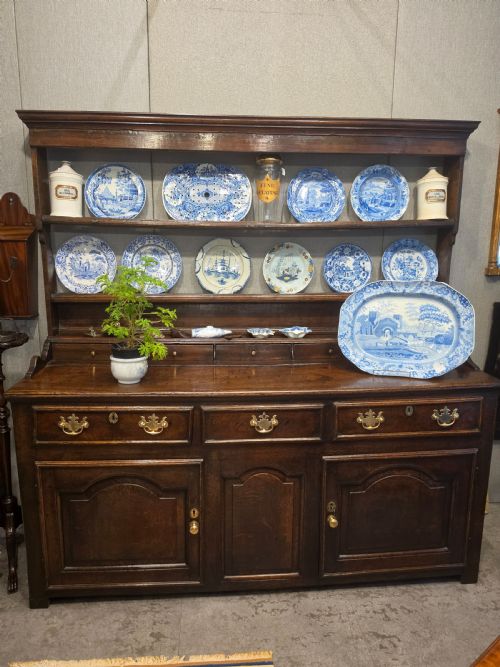
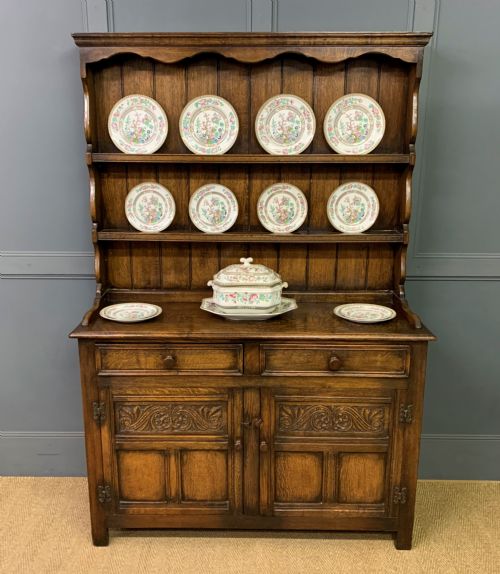
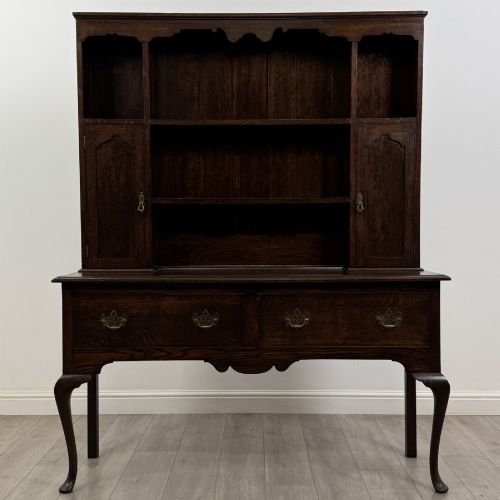
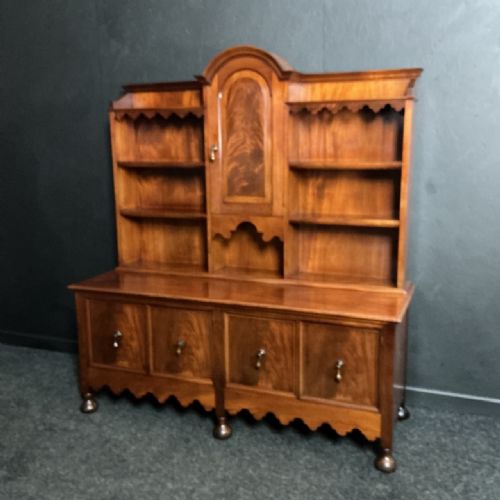
When you search for an antique sideboard hutch, you encounter regional variations including Welsh dressers, kitchen dressers, and provincial cabinets. These pieces combine a base sideboard or cupboard with an upper plate rack or shelving unit.
The material palette is dominated by solid oak and pine, alongside mahogany and walnut in select pieces. Surviving examples date from the seventeenth century through to the early twentieth century, spanning Georgian, Victorian, and Edwardian periods.
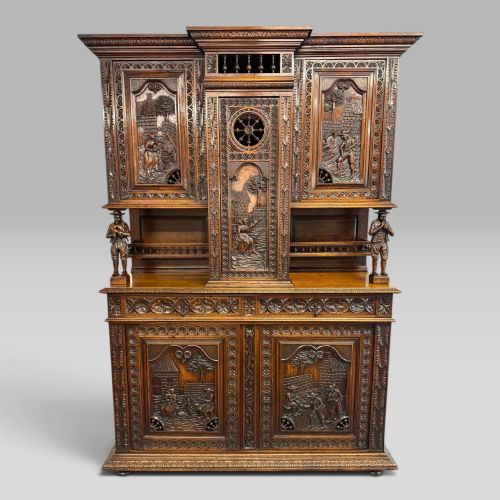
Country and regional iterations display straightforward construction intended for daily use in domestic kitchens and dining rooms. More formal variations incorporate carved details and glazed cupboard doors influenced by Arts and Crafts or Jacobean Revival styles.
Materials and Construction
Timbers such as oak and pine provide the structural framework for the majority of these pieces, selected for local availability and durability. Joinery methods involve traditional pegged framing and hand-cut dovetails on drawer construction.
Surfaces frequently retain original patinas, wax finishes, or historic paint layers that evidence decades of domestic service. Iron and brass hardware, including drop handles and hinges, accompany glazed panels where upper cabinets are present.
Antique Sideboard Hutch Retail Price Guide 2026
Typical asking prices for sideboard hutch among the pieces listed under this phrase on Sellingantiques today, from the lower quarter to the upper quarter. They describe what is for sale here now, not the wider market.
Listings feature pieces spanning five centuries, with oak and pine appearing most frequently across regional and country styles.
Distinguishing Quality
The distinction between standard utility furniture and superior examples lies in the selection of timber and the execution of carved or inlaid details. Pieces featuring untouched original surfaces and integrated plate racks demonstrate greater integrity than those with altered components.
Proportion and balance dictate visual success, where the base cabinet and upper shelving align harmoniously. Maker attribution and regional provenance further elevate certain examples above standard vernacular production.
Ambrose Heal·Heal and Son·Shapland and Petter
The Antique Sideboard Hutch Glossary
- Plate rack
- An open wooden shelving structure mounted to the top of a dresser or hutch for displaying ceramic plates.
- Welsh dresser
- A traditional vernacular form featuring a base of drawers and cupboards surmounted by open plate shelves.
- Patina
- The surface sheen and colour developed over decades through handling, waxing, and ageing of the timber.
- Dovetail
- A traditional interlocking joint used to secure drawer corners with high tensile strength.
Antique Sideboard Hutch: Frequently Asked Questions
What is an antique sideboard hutch used for?
These pieces serve as dual-purpose furniture for storing tableware in the lower cupboards and displaying ceramics on the upper open shelves.
They function as practical storage units that anchor dining rooms or kitchens with traditional character.
How do I identify a Georgian hutch?
Georgian examples typically feature solid oak construction, hand-dovetailed drawer boxes, and straightforward panelled doors without excessive ornamentation.
Proportions remain balanced, often displaying pegged joinery and period brass drop handles.
Are these hutches made of solid wood?
Surviving examples from the eighteenth and nineteenth centuries utilise solid timbers such as oak, pine, mahogany, and walnut throughout their construction.
Secondary woods appear internally for drawer bases and backboards in line with period workshop practices.
How do I care for a waxed wood finish?
Maintain the surface by applying a natural beeswax polish sparingly and buffing gently with a soft cloth to preserve the historic patina.
Avoid placing wooden furniture near direct heat sources or strong sunlight to prevent timber movement.