





Antique Side Plate
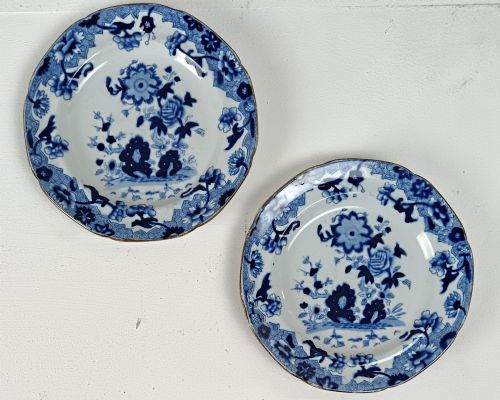
These antique side plate examples bring practical historic charm to the table, offering distinct periods and materials.
Antique Side Plate
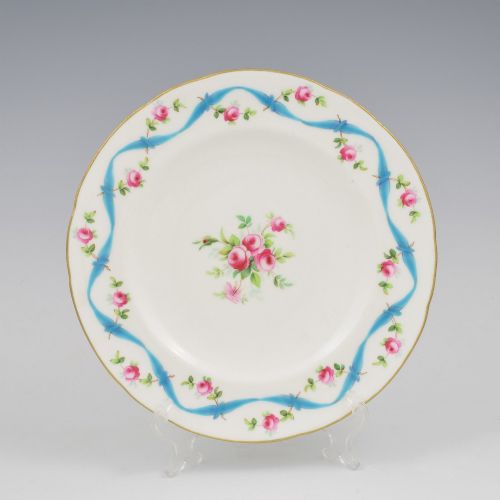
An antique side plate is a small flat dish intended for individual portions, bread, or tea service, originating primarily from the Georgian, Victorian, and Edwardian eras. Buyers searching for an antique side plate encounter ceramic, porcelain, and earthenware pieces decorated with transfer prints or hand-painted motifs.
The selections span English potteries like Spode and Minton, alongside continental porcelain and ironstone, reflecting domestic dining habits of the nineteenth and early twentieth centuries. These smaller vessels often survive in matched sets or as individual cabinet pieces displaying distinct regional styles.
How they were made
Makers utilised ceramic pastes, soft-paste and hard-paste porcelain, and ironstone, shaping them either by hand on a wheel or through industrial mould-pressing techniques. Firing took place in traditional kilns, followed by hand-painting or transfer printing under the glaze.
Glazing materials provided a protective vitreous coating, while gold leaf or enamel highlights were frequently added in secondary low-temperature kilns to create refined surface decoration.
Antique Side Plate Retail Price Guide 2026
Typical asking prices for side plate among the pieces listed under this phrase on Sellingantiques today, from the lower quarter to the upper quarter. They describe what is for sale here now, not the wider market.
Some plates bear playful factory pattern names like 'Crazy Cow' or 'Bengal Tiger'.
What varies in quality
The standard of an antique side plate rests on the crispness of its transfer print or the precision of its hand-painted brushwork. Superior examples exhibit smooth, even glazes with minimal firing blemishes or warping.
Finely potted bodies with balanced proportions and well-preserved gilding distinguish the finest workshop output from standard utility wares produced in higher volumes.
H & R Daniel Shrewsbury·Mappin & Webb·Paul Müller Selb·Kornilov Brothers·Elkington & Co
The Antique Side Plate Glossary
- Ironstone
- A dense, durable type of ceramic patented in the nineteenth century to imitate Chinese porcelain while offering greater resistance to daily wear.
- Transfer printing
- A decoration technique where an engraved copper plate transfers a design onto tissue paper, which is then pressed onto the unglazed ceramic body.
- Soft-paste porcelain
- A glassy ceramic material fired at lower temperatures than hard-paste porcelain, common in early English factories.
- Gilding
- The application of gold leaf or powdered gold suspended in a medium to ceramic rims and motifs.
- Biscuit
- Unglazed ceramic ware that has undergone its initial kiln firing.
Antique Side Plate: Frequently Asked Questions
How were these plates used historically?
These small dishes served specific functions during formal meals, holding bread, butter, or small portions alongside the main course. They also appeared during afternoon tea services for cakes and pastries.
Over time, changing dining etiquette shifted their placement and utility on the table, leading to diverse decorative patterns designed to complement larger dinner services.
Can I use antique plates for daily dining?
Using antique ceramics daily requires caution because historic glazes can be sensitive to modern detergents, dishwashers, and thermal shock. Hand washing in warm water preserves the fragile surface decoration and prevents micro-cracking.
Many collectors prefer to display older pieces or reserve them for light occasional use to protect the original glaze and hand-painted details from wear.
How do I identify the period of a plate?
Dating relies on maker marks, ceramic bodies, and the style of decoration applied to the surface. Factory stamps, registration numbers, and stylistic shifts between Georgian neoclassical designs and Victorian florals provide chronological markers.
Comparing potting techniques and weight helps distinguish early nineteenth-century earthenware from later mass-produced ironstone wares.
What is the difference between porcelain and ironstone?
Porcelain is a vitreous, translucent ceramic made from specific clays fired at high temperatures to achieve a fine, resonant body. Ironstone is a heavy, opaque earthenware developed for strength and durability.
While porcelain offers delicate translucency suited for formal tea wares, ironstone provides robust utility suitable for heavy service.