

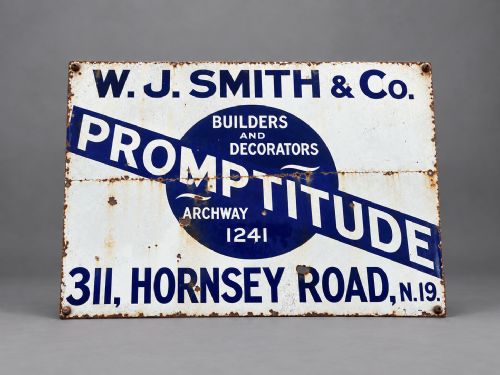
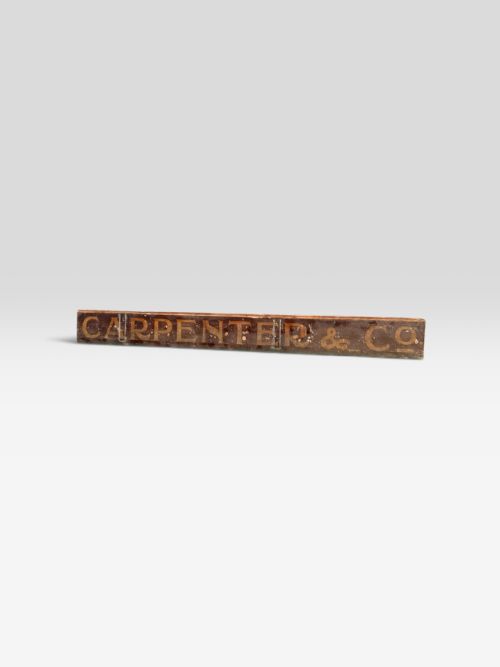
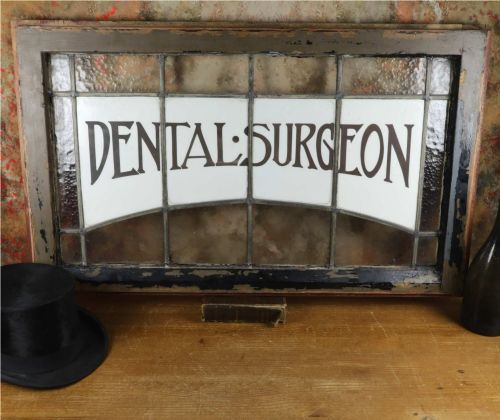
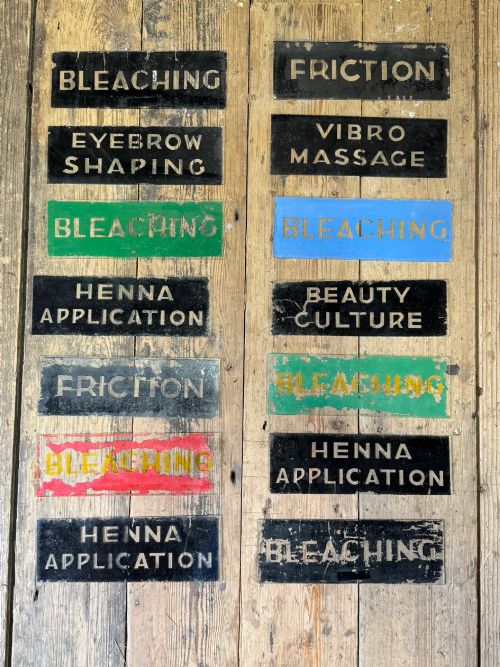

Antique Shop Trade Sign
An antique shop trade sign brings the character of nineteenth and early twentieth century commerce directly into a modern interior.
Antique Shop Trade Sign
An antique shop trade sign serves as a functional marker or display piece created to advertise a specific trade, profession, or retail establishment. These objects emerge from various eras including the Victorian and Edwardian periods, stretching into the early decades of the twentieth century.
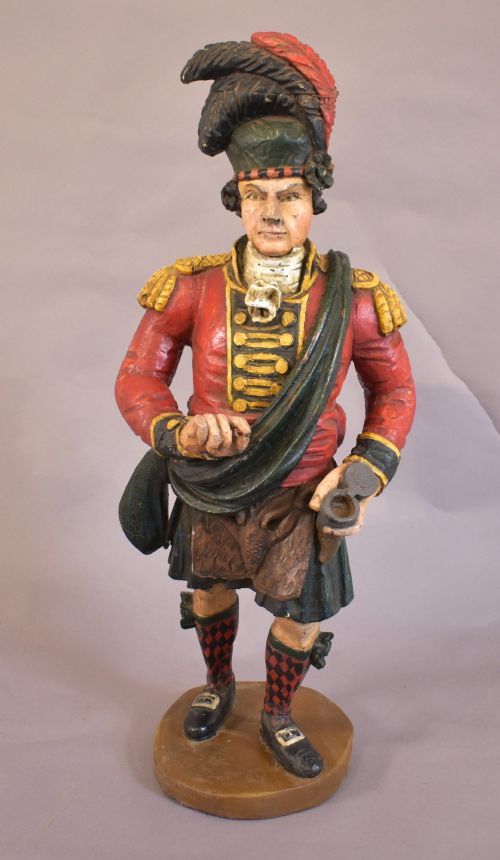
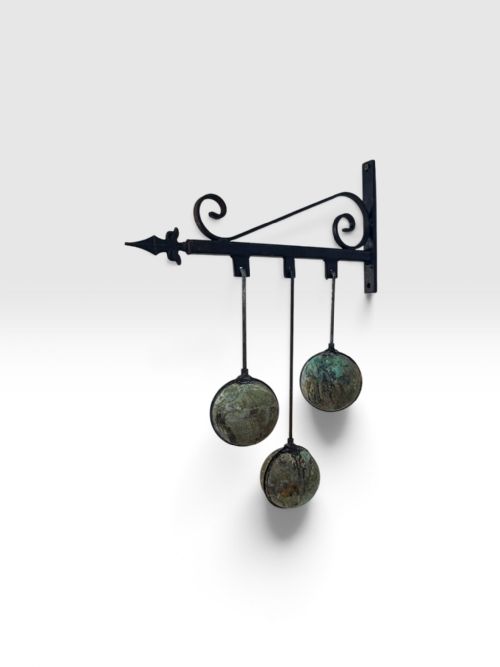
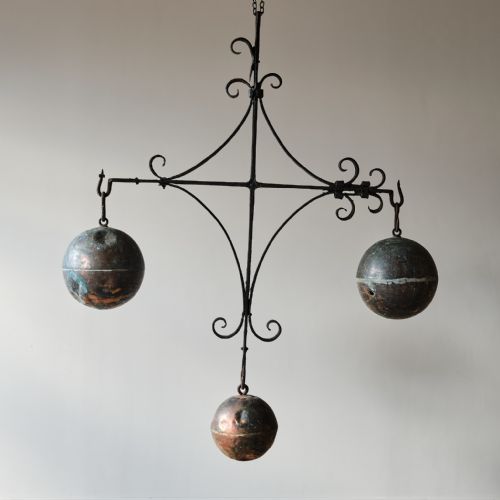
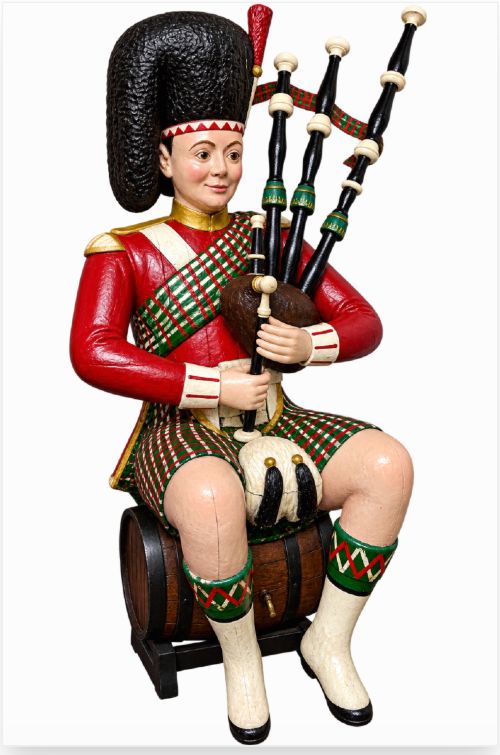
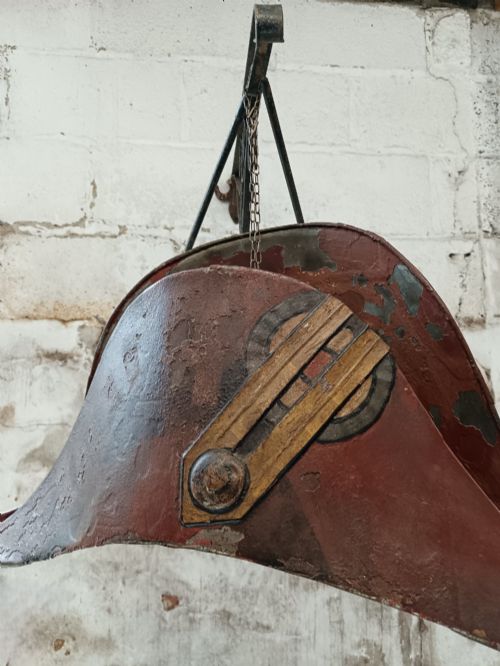
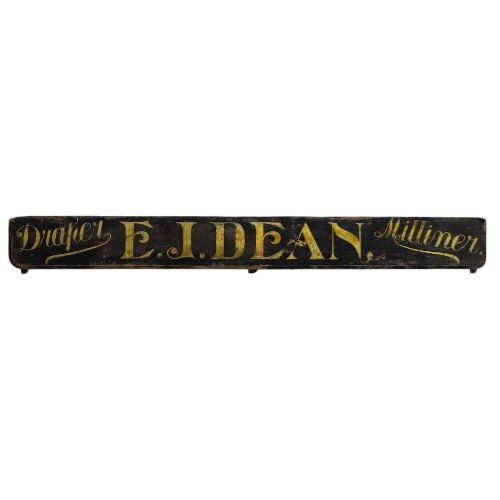
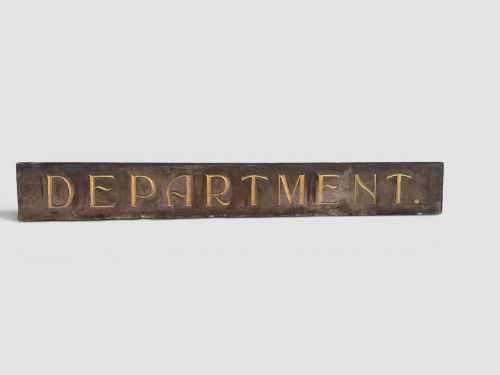
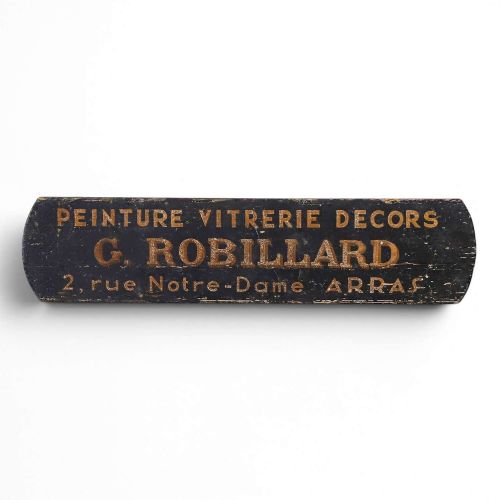
Buyers encounter distinct forms ranging from large painted wooden boards and gilded shop fascias to glass window panels, metal hanging brackets, and figurative tradesman displays. Such pieces originate from diverse commercial environments like butcher shops, dental surgeries, chemists, and pawnbrokers.
The selection frequently highlights folk art aesthetics alongside industrial and Arts and Crafts designs. Items span from pocket watch wall signs to carved wooden figures, capturing the tangible history of high street commerce.
Materials and construction
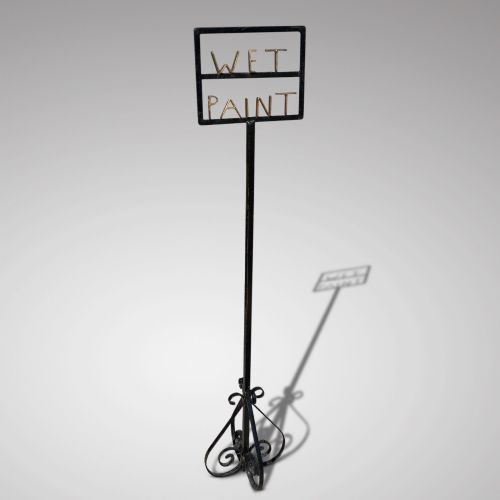
Makers utilised traditional materials such as pine and oak timber, cast and wrought iron, sheet metal, and toleware, shaping them by hand to withstand the elements or interior shop use. Surfaces often display layers of hand-applied oil paint, reverse-painted glass, and gold leaf lettering.
Construction techniques involve traditional carpentry, joinery, and metalbeating, frequently incorporating carved wooden elements or composition figures. Signage combines structural wood or metal brackets with decorative painted panels and embossed copper details.
Antique Shop Trade Sign Retail Price Guide 2026
Typical asking prices for shop trade sign among the pieces listed under this phrase on Sellingantiques today, from the lower quarter to the upper quarter. They describe what is for sale here now, not the wider market.
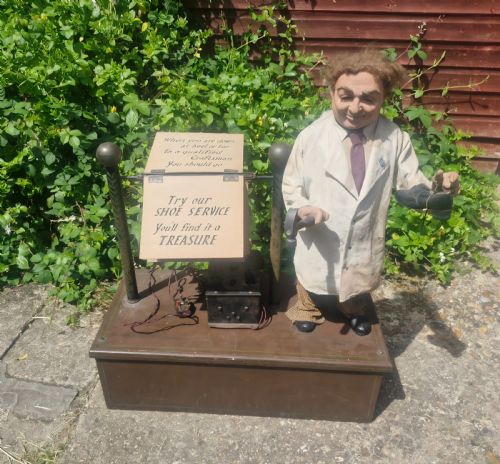
One automated cobbler display model brings an unexpected mechanical charm to the historic street scene.
What separates the best from the rest
Quality rests in the legibility of the hand-painted lettering, the crispness of any carved wood or gilded detail, and the integrity of the original surface patina. Pieces retaining their uncleaned, untouched early paint layers display superior authenticity compared to later repainted examples.
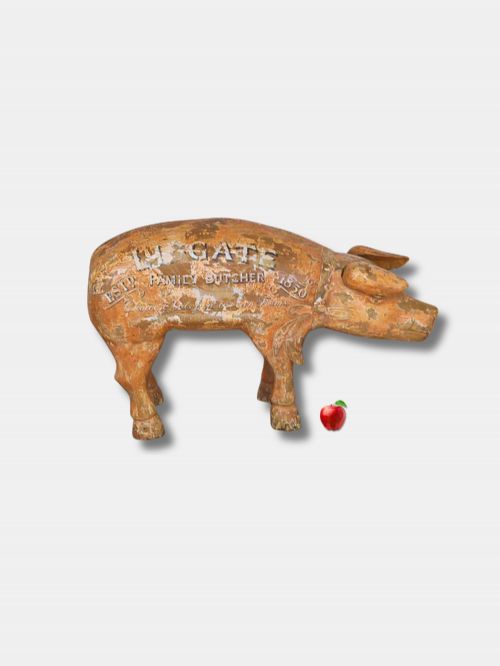
The artistic merit of the signmaker's hand elevates certain items into true folk art, particularly where sculptural figures like tradesman models or animal forms demonstrate high sculptural ambition. The complexity of the object, such as double-sided hanging clocks or reverse-cut glass panels, further distinguishes finer examples.
Gerwin & Co Birmingham·Josef Herzog Jewellery
The Antique Shop Trade Sign Glossary
- Toleware
- Lacquered or enamelled sheet metal items produced in the nineteenth century. These objects often take functional or decorative shapes for commercial use.
- Reverse-painted glass
- A technique where lettering or imagery is painted onto the back of a glass panel so that the front presents a glossy, protected finish.
- Gold leaf
- Beaten gold applied to surfaces for lettering or highlights. It provides a durable and reflective finish suited to exterior trade display.
- Wrought iron
- Iron heated and hammered into shape by a blacksmith. This material provides structural strength for sign brackets and wall mounts.
- Folk art
- Utilitarian objects created by self-taught or traditional makers without formal academic training. These pieces prioritize practical function and direct expression.
Antique Shop Trade Sign: Frequently Asked Questions
What trades used these signs?
A wide variety of nineteenth and early twentieth century businesses utilised these items to attract customers from the street. Evidence points to butchers, milliners, chemists, pawnbrokers, dentists, and hardware merchants commissioning specific boards or sculptural figures.
Many of these objects hung outside premises or appeared in shop windows to identify the proprietor's craft at a glance.
How do I hang a heavy trade sign?
Most hanging signs and brackets require secure fixing into structural wall studs or masonry using appropriate weight-bearing fixings. Because many pieces utilise heavy timber, cast iron, or glass, professional installation ensures the wall can support the projection safely.
Checking the stability of original iron brackets and suspension loops before mounting is essential for safety.
How do I date an antique sign?
Dating relies on examining the materials, lettering styles, and construction methods characteristic of periods like the Victorian era, Edwardian period, or the 1920s and 1930s. Typefaces, paint chemistry, and the wear patterns on wood or metal provide clear chronological clues.
Comparing the specific trade and form against documented examples helps narrow down the decade of manufacture.
Should I clean the original paint?
Preserving the original surface patina is standard practice among collectors, so cleaning should be limited to gentle removal of loose dust with a dry cloth. Harsh solvents or abrasive cleaners can strip away fragile historic paint layers and gold leaf.
Maintaining the weathered character protects both the historical integrity and the visual appeal of the piece.