




Antique Shop Mannequin
An antique shop mannequin brings mercantile history directly into a room, offering striking sculptural presence and authentic retail character.
Antique Shop Mannequin
An antique shop mannequin represents the commercial display of past eras, encompassing figures used for clothing, hats, and trade advertising. When searching for an antique shop mannequin, buyers encounter items ranging from Victorian trade signs to Art Deco counter top displays and French child forms.
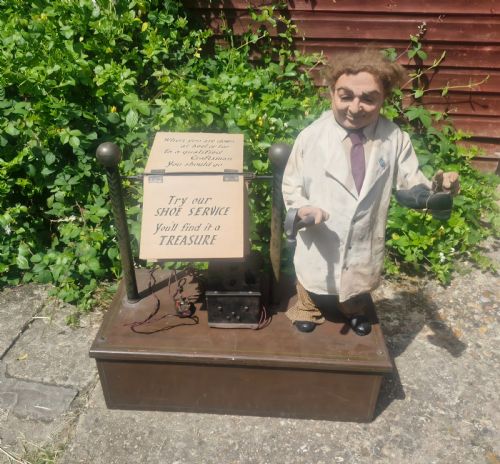
The selection on this page draws from periods spanning the nineteenth century through the early twentieth century, including the 1890s, 1910, 1920, and 1930. Forms vary from life-size male and female figures and children's models to specialised items like cobblers' display models, cigar store Indians, and tobacco figures.
French and English origins dominate the selection, with specific Parisian makers and Stockman models appearing alongside American trade signs. Buyers find full-size figures, busts, hat stands, and display models created for commercial environments.
Materials and construction
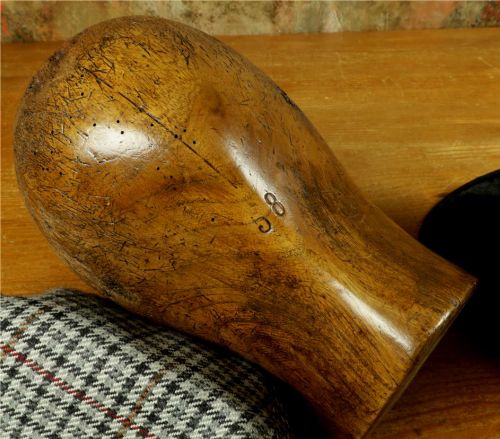
Makers utilised wood, composition, plaster, terracotta, and metal to construct durable display figures capable of withstanding retail environments. Carved wooden elements appear in trade figures and cigar store signs, while composition and plaster formed the bodies of Paris mannequins and advertising figures.
Surfaces were frequently finished with paint, linen, fabric, and leather to simulate skin, hair, and period attire. Cloth and fabric coverings dress vintage male mannequins and children's forms, while painted details define facial expressions and signage on advertising pieces.
Antique Shop Mannequin Retail Price Guide 2026
Typical asking prices for shop mannequin among the pieces listed under this phrase on Sellingantiques today, from the lower quarter to the upper quarter. They describe what is for sale here now, not the wider market.
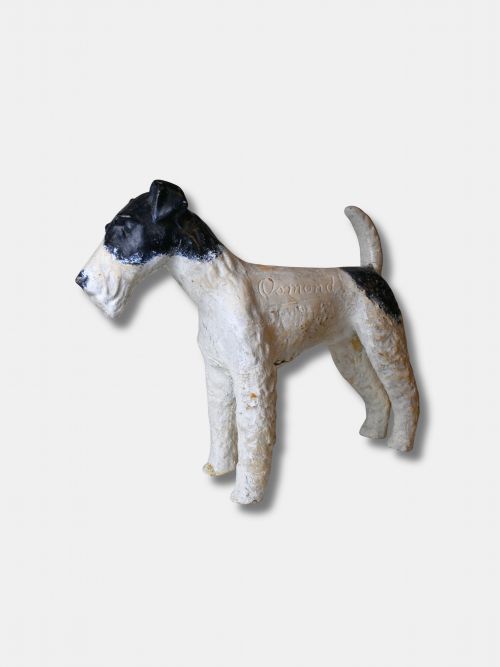
Fox terriers and cigar store Indians stand proudly alongside human forms, proving that early shopkeepers knew animals made the best salesmen.
Distinctions in quality
The survival of original paint, linen, and leather without excessive modern intervention preserves the historic character of the piece. Maker attribution, such as Stockman or specific Parisian houses, elevates the desirability of a display model.
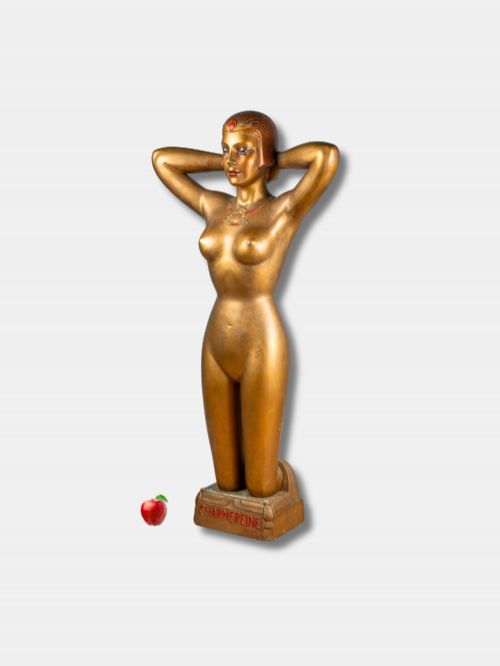
Stockman·Charmereine
The Antique Shop Mannequin Glossary
- Stockman
- A type of dress form or mannequin produced by the Parisian firm known for standardising tailoring and display standards. These pieces feature padded torsos covered in fabric.
- Composition
- A moulded material made from mixtures of pulp, plaster, resin, or glue used to create durable three-dimensional display figures. It was widely utilised during the early twentieth century for Parisian mannequins.
- Dummy board
- A flat painted wooden figure used historically as a shop display or interior decoy. These trompe-l'œil pieces present a two-dimensional illusion of a three-dimensional person or animal.
- Trade sign
- An object created to advertise a specific shop, profession, or product to passersby. Examples include carved wooden figures and tobacco signs.
Antique Shop Mannequin: Frequently Asked Questions
How were antique shop mannequins used?
Merchants utilised these figures to display hats, lingerie, clothing, and accessories in shop windows and interior counters. They served both a practical purpose for tailoring and a commercial purpose for attracting customers.
Over time, many transitioned from retail environments into private collections and interior decoration schemes as sculptural art.
What materials are typical for these mannequins?
Makers constructed these display objects from wood, composition, plaster, terracotta, and metal. Surfaces were often finished with paint, fabric, linen, or leather.
Different materials correspond to specific periods and manufacturing origins, such as carved wood for nineteenth-century trade signs and composition for twentieth-century Parisian figures.
How do I date an antique mannequin?
Dating relies on stylistic indicators such as Art Deco geometry, Victorian clothing forms, and materials like early composition or terracotta. Maker marks and stamps, particularly from French houses, also provide firm chronological evidence.
Construction techniques, including hand-carving versus moulded composition, further help narrow the era of production.
How do I display a mannequin at home?
These pieces function well as freestanding sculptures in living spaces, hallways, or dressing rooms. They provide strong vertical height and historical texture against plain walls.
Protecting them from direct sunlight and excessive humidity helps preserve original painted surfaces, fabric coverings, and delicate composition materials.